 ProMapRanker
Which Platform Is Best for Online Reputation in 2026

Key takeaways
- NiceJob is the simplest paid starting point for a single location business, with a published price of $75 per month and no long contract on its starter plan.
- Birdeye and Podium are the broadest platforms, but both use quote based pricing, so budget for a sales conversation and a per location total.
- ReviewTrackers suits multi location teams that want monitoring and response first, with a published rate of $89 per location per month on annual billing.
- Yext is not a review tool first. It fixes listings, which is the base that reviews and local search sit on.
- Per location pricing changes the total fast. A 10 location business should price the whole estate, not one location.
Quick comparison
| Pick | Great for | Pricing starts at | Free tier | |
|---|---|---|---|---|
 Birdeye | Multi location reputation suite | See website | No | Visit |
 Podium | Reviews by text message | See website | No | Visit |
 Reputation.com | Enterprise scoring and surveys | $80 per location per month | No | Visit |
 Yext | Listing accuracy at scale | $199 per year | No | Visit |
 ReviewTrackers | Review monitoring and response | $89 per location per month | Free trial | Visit |
 Grade.us | Agencies and review funnels | $99 per month | Free trial | Visit |
 NiceJob | Simple review flow for small firms | $75 per month | Free trial | Visit |
 Broadly | Local firms wanting reviews and payments | $79 per month | No | Visit |
The best online reputation platforms
Online reputation work has three parts: getting fresh reviews, answering them fast, and keeping business details correct across the web. No single tool wins on all three for every business size, so we sorted these platforms by the job they do best and by how clearly they publish a price.
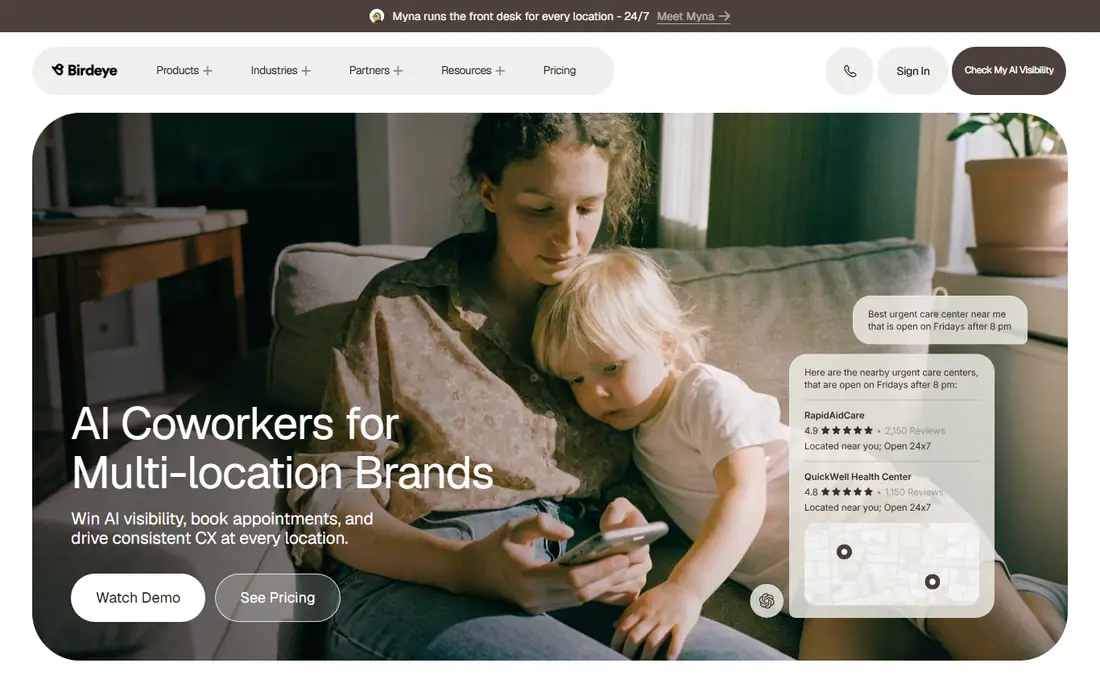
Birdeye is the broadest platform on this list. It monitors reviews across many sites, helps you request reviews by text and email, drafts replies with AI assistance, and adds listings and surveys in the same dashboard. For a brand with many locations, the roll up view lets a regional manager compare stores without opening each profile one by one.
The catch is cost and scope. Pricing is quoted by location count and contract terms, so a single location business may pay for breadth it does not use. If you run three or more locations and want one vendor for reviews, listings, and messaging, Birdeye is worth a demo. If you run one shop, start lower on this list.
- Covers many review sites
- AI drafted replies
- Listings, surveys, and social in one place
- Quote based pricing
- Per location cost can be high for a single site
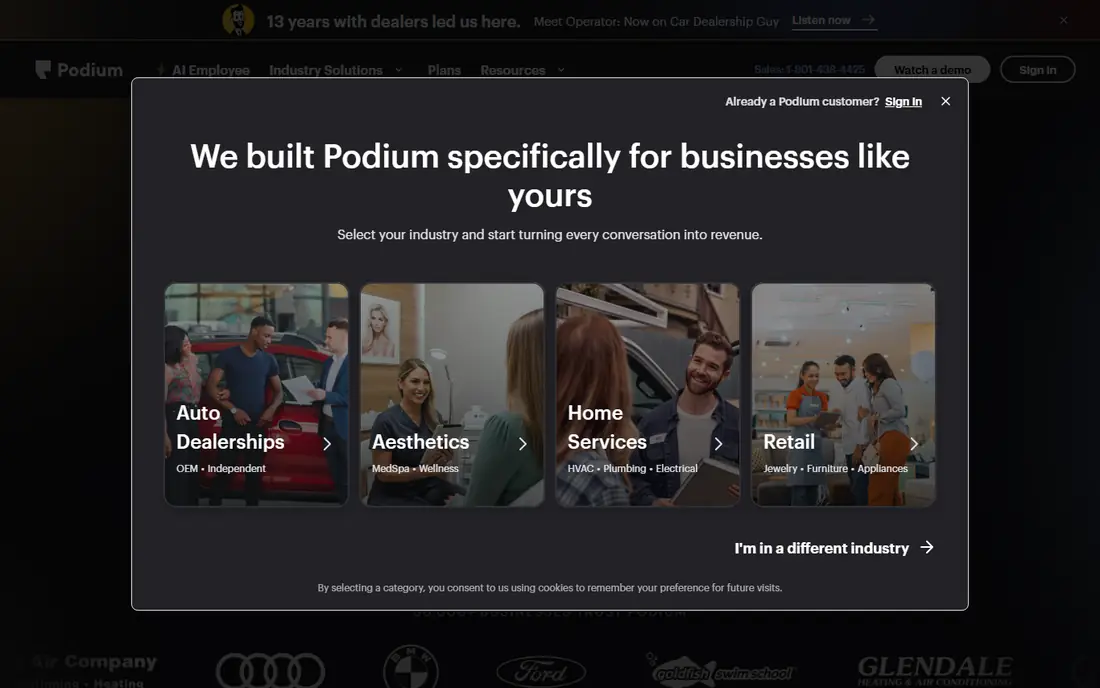
Podium built its name on text message review requests. Customers are more likely to tap a text link than to open an email days later, and Podium puts reviews, messages, and calls in a shared inbox. That inbox view helps a busy front desk team answer fast without checking five apps.
Pricing is the main friction. Podium does not publish a simple starter price, and bundles for payments, webchat, and AI replies can raise the total. Ask for the full monthly figure for your location count, including any per location phone or AI fees, before you compare it with a simpler tool.
- Text first review requests
- Messaging inbox
- Payments and webchat add ons
- Quote based pricing
- Add ons can raise the monthly total

Reputation.com, often shortened to Reputation, suits enterprises that need a consistent score for every location. It pulls reviews, listings, surveys, and social signals into location scores, so head office can spot weak sites and strong sites on one screen. That structure helps franchises and large service brands set the same standard everywhere.
For a single location business, the platform can feel heavy. Setup and reporting are built for teams that manage dozens of sites, and the value shows when you compare locations over time. If you run a large estate, the per location price is competitive for the breadth on offer.
- Location scoring and benchmarking
- Surveys and listings included
- Review response tools
- Built for larger estates
- Smaller firms may find the setup heavy
Yext answers a different question from the rest of this list. Instead of asking for more reviews, it makes sure your name, address, hours, and services are correct wherever customers look. Wrong hours or an old phone number can cost a visit before a review is even written, so listing accuracy is the base layer of reputation.
Yext does include review monitoring, but it is not the best first pick if your main need is a steady flow of new Google reviews. Pair Yext with a review request tool when you need both jobs done well, or pick Yext first if your listings are messy across many sites.
- Keeps details correct across many publishers
- Review monitoring included
- Clear starter price
- Review generation is not the main strength
- Annual terms apply on starter plans
ReviewTrackers is a monitoring first platform. It watches review sites, sends alerts for new reviews, and gives your team one place to reply. That focus suits multi location brands that already get reviews but struggle to answer them on time or to see trends across sites.
It is less of a marketing machine than Podium. If your main problem is too few reviews, a request focused tool may help more. If your main problem is missed reviews and slow replies, ReviewTrackers gives you a clean, accountable workflow.
- Wide review site coverage
- Response tools and alerts
- Clear per location rate
- No free plan
- Review request tools are less central than at Podium or Birdeye
Grade.us is popular with agencies because it handles review funnels well. A customer gets a simple first step, happy customers are guided to Google or another public site, and unhappy customers are routed to private feedback first. That flow protects a client profile while still gathering honest feedback.
Agencies also value white label dashboards and per client views. The starter price covers one location, so agencies should price the full client list, not one account. Small businesses that want text first requests may prefer Podium or NiceJob.
- Review funnels that guide happy customers to public sites
- White label options
- Clear starter price
- Email led requests suit some firms less than text
- Agency pricing varies by client count
NiceJob is our pick for most single location service businesses. Setup is short, the price is published, and the core flow is easy to explain to staff: ask after a job, share a link, and post the best reviews on your site. Referral tools on higher plans add a second use without adding a second vendor.
The limits appear at scale. A brand with dozens of locations will want deeper benchmarking and location scoring, which Reputation.com or Birdeye handle better. For one shop, a plumber, a salon, or a clinic, NiceJob keeps the job simple and the cost predictable.
- Simple setup
- Flat monthly price
- No contract on starter plan
- Review and referral tools
- Less depth for large multi location estates
- Fewer enterprise reporting tools
Broadly suits home service and local businesses that want reviews, webchat, and payments in one place. Its Reputation AI product covers Google and Facebook review management at the entry level, with AI drafted replies on higher tiers. Webchat helps capture a website visitor who might otherwise leave without calling.
Check which tier includes the automation you expect. The entry price covers core review management, while full automation and payments sit higher. If you only need reviews, NiceJob or Grade.us may cost less for the same core job.
- Review management plus webchat
- Payment tools on higher tiers
- Built for home services
- No free plan
- Full automation sits on higher priced tiers
How we picked these
We compared official pricing pages, feature pages, and public documentation for platforms that are sold and working in October 2026. We kept tools that manage reviews, listings, or both as a core job, and we left out single site review widgets and general social schedulers. Where a vendor does not publish a price, we wrote See website rather than presenting a third party estimate as a vendor price.
What to check before you pay
Start with where your reviews already appear. A restaurant lives on Google, TripAdvisor, and Yelp. A home service firm lives on Google and Facebook. A hotel needs booking sites too. Pick a tool that covers your top two or three sites well, not one that lists hundreds of sites you will never check.
Next, test the request flow as a customer would. Send yourself a text and an email request, tap the link on a phone, and time how long it takes to leave a review. A tool with a clumsy mobile flow will get fewer reviews no matter how good its dashboard looks. Also check how unhappy feedback is handled, since a private route for complaints protects your public profile and gives you a chance to fix the problem.
Finally, price the whole estate and the whole year. Per location pricing, per user fees, setup fees, and AI add ons can turn a low headline price into a larger bill. Ask for renewal terms in writing, and confirm who owns your review data if you cancel.
Frequently asked questions
Which platform is best for online reputation for a small business?
NiceJob is a strong default for a single location firm because it is simple, it publishes a $75 per month starter price, and it has no contract on that plan. Grade.us suits firms that want a review funnel, and Broadly suits home service firms that also want webchat. Start with the tool that matches how your customers prefer to be asked.
What are the best online reputation tools for multi location brands?
Birdeye, Podium, Reputation.com, and ReviewTrackers are built for multi location work, with roll up views and per location pricing. Birdeye and Podium are the broadest, Reputation.com is strong on scoring, and ReviewTrackers is strong on monitoring and response. Price all locations before you pick.
What is the best online reputation software for agencies?
Grade.us is built for agency work, with review funnels and white label dashboards for clients. Birdeye also works for agencies that manage many locations for a brand. Agencies should check per client pricing and whether each client gets a separate login and report.
Do I need Yext if I already have a review tool?
You may need both if your listings are wrong on many sites. A review tool asks for and answers reviews, while Yext keeps your hours, address, and services correct across publishers. If your listings are already clean, spend first on review requests and replies.
Can a reputation tool remove a bad review?
No tool can delete a genuine review on Google or another major site. A platform can help you reply fast, flag reviews that break site rules, and gather more recent positive reviews so one old review carries less weight. Never offer payment for a positive review or ask staff to post fake reviews, since that can breach site rules and harm trust.
Sources
See where you really rank - block by block
ProMapRanker scans Google Maps across a grid of your service area. Simple monthly plans from $19, white-label on every plan.
Start freeKeep reading
 zscaler alternatives
Best Zscaler Alternatives in 2026
Looking for zscaler alternatives? We compare 9 SASE and zero trust platforms on architecture, data protection, pricing, and fit for your network and team.
Read → zapier alternatives free
Best Zapier Alternatives Free in 2026
Nine automation tools for zapier alternatives free in 2026, all with genuinely free tiers, plus free plan limits, starting prices and upgrade paths explained.
Read → which data movement tool is best for business
Which Data Movement Tool Is Best for Business in 2026
We asked which data movement tool is best for business and compared Fivetran, Airbyte, Hevo, and Stitch by connectors, pricing, and ease of use in 2026.
Read →