 ProMapRanker
Who Is the Best Cable Company in 2026


Widest cable coverage and plan choice · Pricing starts at: From $40 per month
Key takeaways
- Xfinity has the widest cable reach in this list and a broad range of speeds, but prices and fees vary by market.
- Spectrum suits buyers who want no contracts and no data caps, where its network is available.
- Optimum and Breezeline often lead on low starting prices, but the price after a promotion ends matters more than the first-year figure.
- Mediacom, Astound, Sparklight and WOW serve smaller footprints well, so a regional provider can beat a national name at your address.
- Check your address first, then compare the total monthly cost, speeds, data terms and TV channels you will actually use.
Quick comparison
| Pick | Great for | Pricing starts at | Free tier | |
|---|---|---|---|---|
| Xfinity | Widest cable coverage and plan choice | From $40 per month | No | Visit |
 Spectrum | No-contract cable with no data caps | From $30 per month | No | Visit |
 Optimum | Low starting prices and fast tiers | From $35 per month | No | Visit |
 Mediacom | Smaller cities and rural-leaning coverage | From $50 per month | No | Visit |
 Astound Broadband | Fast speeds in its regional markets | From $30 per month | No | Visit |
 Breezeline | Low-cost cable in its service areas | From $20 per month | No | Visit |
 Sparklight | Regional cable with no data caps | From $34.95 per month | No | Visit |
 WOW | Value cable in selected markets | From $30 per month | No | Visit |
The best cable companies in the US
Each provider below is a real cable operator with its own service area. Use the coverage notes to narrow the list, then compare price and speed at your address.
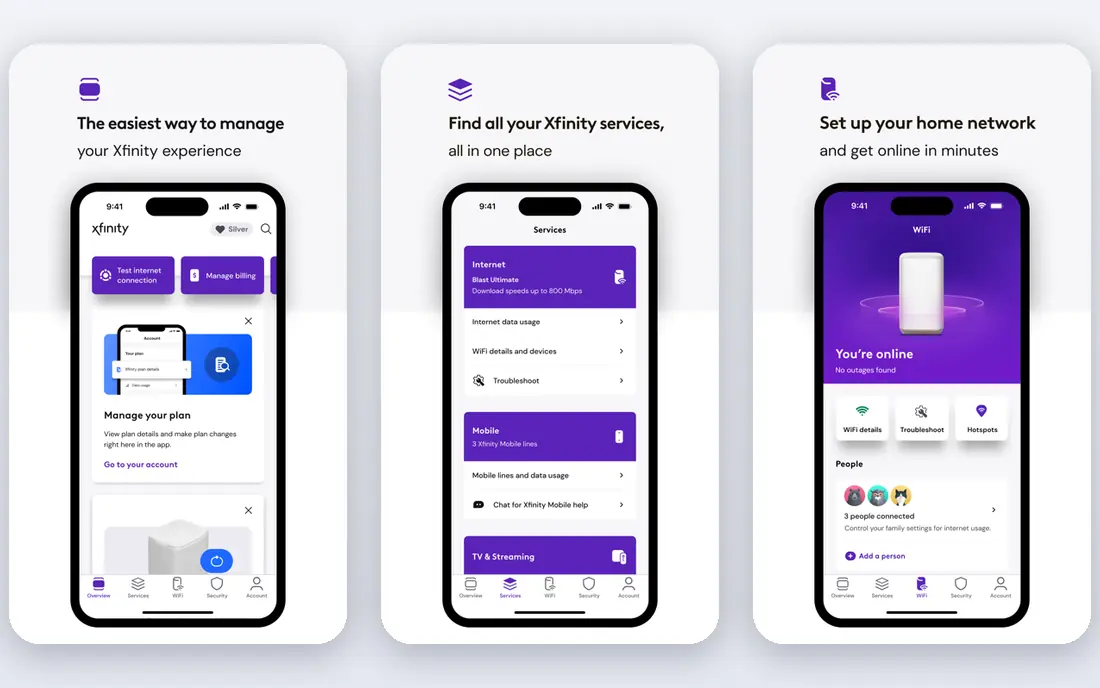
Xfinity, from Comcast, covers more US homes with cable than any other provider in this list. Plans range from basic internet to multi-gigabit speeds in selected areas, and bundles can add TV, mobile and home security. That breadth makes it a useful first check for many households.
The catch is the total bill. Promotional pricing, equipment rental and fees can push the monthly cost above the advertised starting price, and the standard price after a promotion needs a close look. If Xfinity serves your address, compare its full cost against any regional rival before deciding.
- Wide availability
- Speeds up to 2 Gbps in some areas
- Internet, TV, mobile and security bundles
- Promotional prices rise after the promo period
- Equipment and fees add to the bill
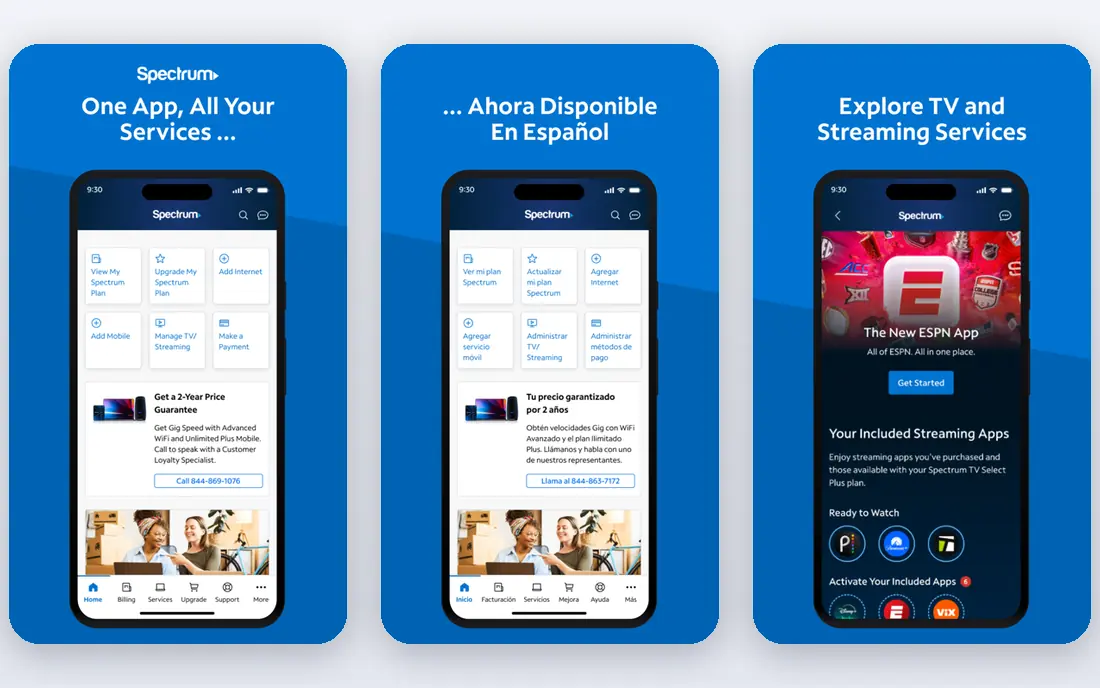
Spectrum suits buyers who dislike contracts and worry about data caps. Most internet plans carry no contract and no data cap, and speeds reach up to 2 Gbps in some areas. That simple structure makes the monthly decision easier than a plan loaded with usage limits.
Spectrum does not serve every state, so coverage is the first filter. TV bundles also climb in price as you add channels, so a low internet price does not guarantee a cheap bundle. Where it is available, Spectrum is a strong default for households that want flexible terms.
- No contracts on most plans
- No data caps
- Speeds up to 2 Gbps in some areas
- Availability is regional
- TV pricing rises with channel tiers
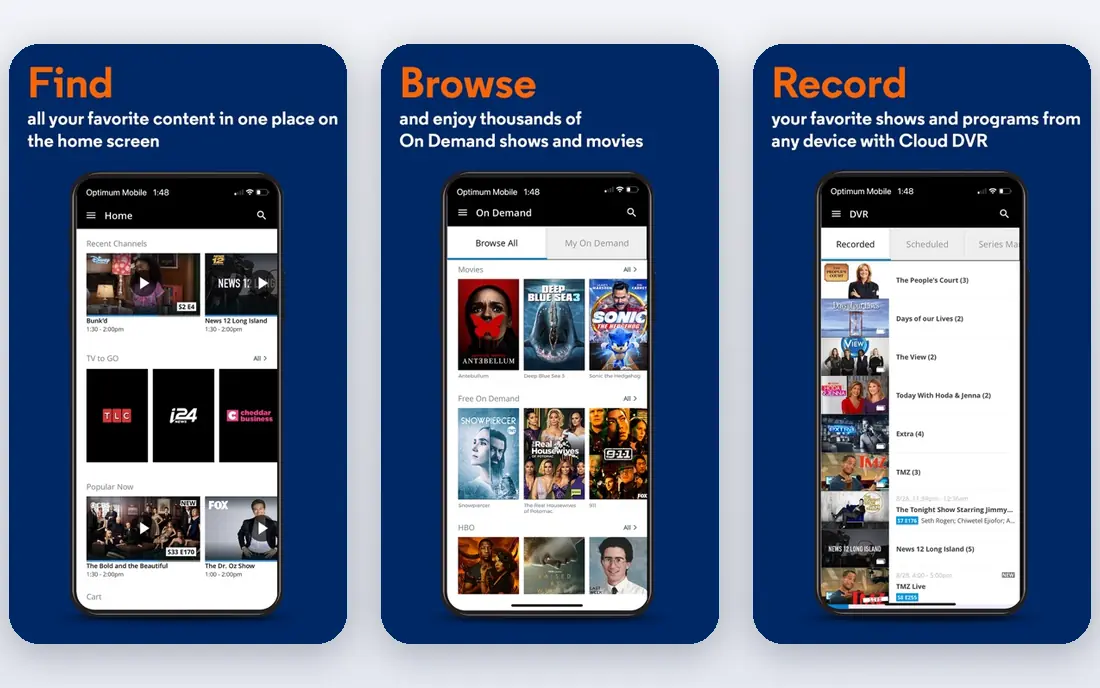
Optimum combines low starting prices with high top speeds in areas where its fibre network is present. Entry internet plans start at a level that undercuts several national rivals, and TV tiers start from a modest base for households that only want core channels. That pricing makes it worth a check wherever it operates.
Do not judge Optimum on the first year alone, because promotional rates rise when the promo ends. Availability also differs between its cable and fibre footprints, so the top speed in an advert may not apply at your home. Confirm the speed and the standard price for your address.
- Low entry prices
- Speeds up to 8 Gbps in some fibre areas
- TV from low-cost tiers
- Cable and fibre availability differ by area
- Promo prices rise later
Mediacom serves many smaller cities and towns in the Midwest and South, where national cable names may be thin on the ground. Its internet plans include a price lock option in some cases, which helps households that want predictable bills. TV bundles cover local channels and wider tiers for families that still want a traditional package.
Prices start higher than the cheapest rivals in this list, and the TV side does not carry the same long price protection as internet in all cases. For households in Mediacom territory, the value lies in local availability and a stable internet price rather than the lowest headline rate.
- Strong presence in smaller markets
- Three-year price lock on internet in some plans
- TV and internet bundles
- Starting prices sit above some rivals
- TV has no matching long price lock
Astound operates under regional brands such as RCN, Grande and Wave, and it competes hard on speed in the markets it serves. Starting prices can be low for the first year, and top speeds in some areas reach levels that match or beat national cable rivals. That makes it a serious option where it is available.
The limit is geography, because Astound only serves selected cities and regions. Promo terms also vary across its brand areas, so the deal in one city may differ from the next. If Astound serves your address, compare its post-promo price and speed tier directly with the national option.
- Low promo starting prices
- Speeds up to 5 Gbps in some areas
- Regional focus
- Footprint is limited to selected markets
- Promo terms vary by brand area
Breezeline earns its place on starting price alone, with entry plans listed from a low monthly figure in comparison guides. Many plans carry no data cap, which removes one common worry for streaming households. The plan range is simple enough to compare without a long sales call.
Coverage is the constraint, because Breezeline serves a smaller set of states and communities than the national names. Top speeds also vary by market, so a low price may pair with a modest tier at some addresses. Where it is available, it is often the cheapest cable route to a solid connection.
- Very low starting prices
- No data caps on many plans
- Simple plan range
- Smallest footprint in this list
- Top speeds vary by market
Sparklight, formerly Cable One, serves smaller and mid-size markets with cable internet and TV. Comparison guides list starting prices in the mid-30s per month and speeds up to 2 Gbps in some areas, with no data cap on many plans. That mix suits households that stream heavily and want a predictable bill.
The footprint is regional, so many readers will not have Sparklight as an option. Prices and speeds also vary by market, which means the advertised range may not match your street. For homes inside its area, the no-cap approach and solid top speeds make it a genuine rival to larger names.
- No data caps
- Speeds up to 2 Gbps in some areas
- TV and internet bundles
- Regional footprint
- Prices vary by market
WOW, also known as WideOpenWest, competes on value in the markets it serves. Starting prices sit near the low end of this list, and top speeds in some areas reach multi-gigabit levels. Simple internet and TV bundles keep the choice manageable for households that do not want a long list of add-ons.
Availability is the main limit, because WOW covers selected regions rather than the whole country. Channel line-ups and speed tiers also vary by area, so check the exact offer at your address. Where WOW is present, it often undercuts national cable pricing for a comparable speed.
- Low starting prices
- Speeds up to 5 Gbps in some areas
- Simple bundles
- Limited footprint
- Channel and speed options vary by area
How we picked these
We compared official provider pages and independent comparison guides on coverage, starting prices, speeds, data terms and TV options. We also read public reviews for service and billing complaints, since a low price means little if billing and support cause repeated trouble.
We kept the list to cable operators with a real US footprint and current plans, rather than streaming-only TV services. Fibre-only providers were left out unless a cable operator also offers fibre in part of its area, because the question here is about cable companies.
We did not test speeds at any address, and we did not claim hands-on testing. Prices are starting or promotional figures that vary by market, so we advise checking your address and the post-promotion price.
How to pick a cable company at your address
Start with an address check on each provider that claims to serve your area. Cable networks do not overlap everywhere, and in many streets only one or two providers in this list will appear. That shortlist matters more than any national ranking, because a provider you cannot buy cannot be the best choice for you.
Next, compare the total monthly cost for the speed you need, not the fastest tier on offer. Add equipment rental, broadcast fees and any other monthly charges, and write down the price after the promotion ends. A plan that looks cheap for twelve months can become the most expensive option in year two.
Finally, weigh TV honestly. If you mainly stream, a strong internet plan plus a streaming service may beat a large cable TV bundle. If you want live sports and local channels in one place, check the channel list for your tier rather than the headline channel count. Contract terms and data caps should be the last check before you sign.
Frequently asked questions
Sources
- https://www.xfinity.com
- https://www.spectrum.com
- https://www.optimum.com
- https://www.mediacomcable.com
- https://www.astound.com
- https://www.breezeline.com
- https://www.sparklight.com
- https://www.wowway.com
- https://www.allconnect.com/internet/cable-internet
- https://www.reviews.org/tv-service/best-cable-tv-providers/
See where you really rank - block by block
ProMapRanker scans Google Maps across a grid of your service area. Simple monthly plans from $19, white-label on every plan.
Start freeKeep reading
 worlds best local seo company
8 Worlds Best Local SEO Companies for Map Pack Growth in 2026
Compare the worlds best local seo company options for Google Business Profile work, citations, reviews, and multi-location rankings and reporting in 2026.
Read → world's best web hosting company
World's Best Web Hosting Company in 2026
Searching for the world's best web hosting company? We compared 10 hosts on price, renewal rates, speed, and support to help you choose well today in 2026.
Read → who's got the best nanny tax services
Who's Got the Best Nanny Tax Services in 2026
We answer who's got the best nanny tax services, comparing full filing, back taxes, software, and pricing so families can handle nanny taxes correctly.
Read →