 ProMapRanker
Which Provider Offers the Best Customer Service in 2026


Military members and families who want banking and insurance in one place · Pricing starts at: See website
Key takeaways
- There is no single winner across industries, because eligibility, price, and what good service means differ by provider type.
- Public satisfaction surveys such as ACSI and Forrester rankings give useful context, but your own channel, wait time, and return policy matter more day to day.
- USAA and Navy Federal serve restricted memberships, while Amazon, Chewy, and Costco serve broad retail customers under very different models.
- Compare support hours, return rules, escalation options, and in-store versus online help before you judge a provider.
Quick comparison
| Pick | Great for | Pricing starts at | Free tier | |
|---|---|---|---|---|
| USAA | Military members and families who want banking and insurance in one place | See website | No | Visit |
 Chewy | Pet owners who want fast, empathetic phone and chat help | See website | No | Visit |
 Zappos | Shoe and clothing shoppers who value long return windows | See website | No | Visit |
 Trader Joe's | Grocery shoppers who value friendly in-store help | See website | No | Visit |
 Costco | Members who want simple returns and value pricing | See website | No | Visit |
 Chick-fil-A | Quick-service diners who value consistent, polite counter service | See website | No | Visit |
 Nordstrom | Shoppers who want in-store and online service with flexible returns | See website | No | Visit |
 Amazon | Online shoppers who want broad selection and fast problem resolution | See website | No | Visit |
The best customer service providers compared
This is a comparison guide, not a ranking with one winner. A bank, a grocery store, and an online retailer cannot be judged by the same test, so we describe what each provider is known for, who can actually use it, and where its model has limits. We drew on official support pages, public satisfaction surveys, and public reporting about service policies.
USAA
Great for: Military members and families who want banking and insurance in one place
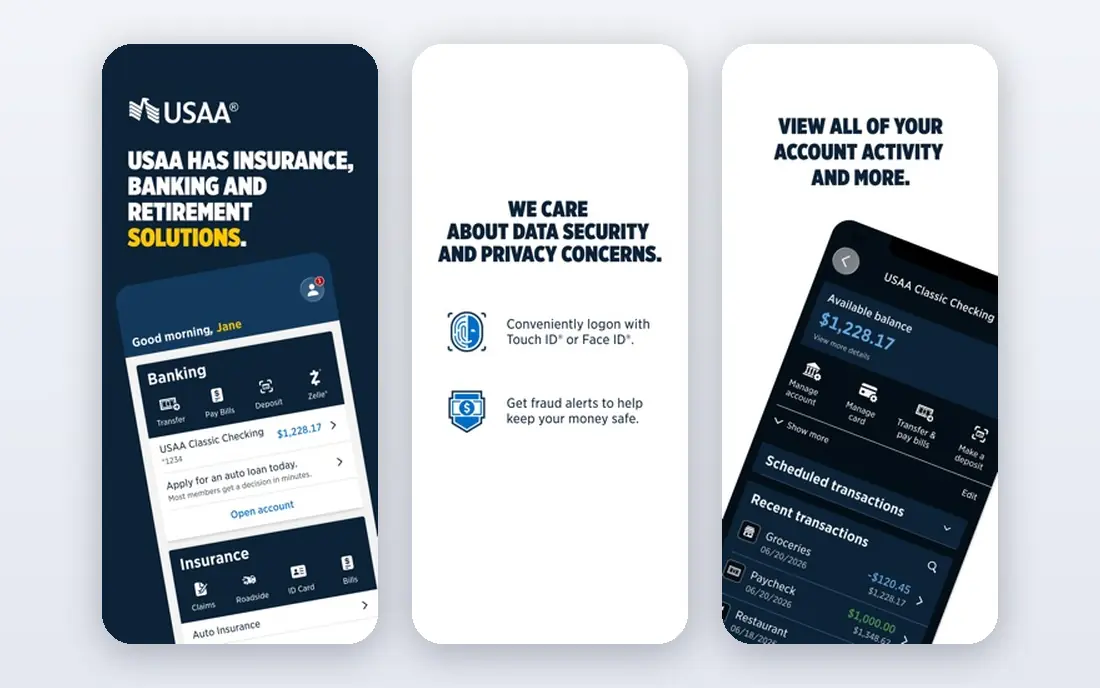
USAA often appears near the top of public satisfaction work, including Forrester total experience rankings and ACSI insurance results. For eligible members, the appeal is practical: banking, insurance, and related accounts sit in one relationship, and support staff are trained around military life events such as moves and deployments. That shared context can shorten explanations when a customer calls about a claim or a payment during a move.
The limit is eligibility. If you are not military-affiliated, USAA is not an option, so its scores cannot guide a general choice. Product availability also varies by state and by individual eligibility, which means two members may not see the same offer. Within its membership, though, the combination of digital tools and human help is a clear model for what integrated service can look like.
- Integrated banking and insurance support
- Strong public satisfaction scores
- Secure digital messaging
- Membership is limited to military-affiliated people and families
- Some products require separate eligibility checks
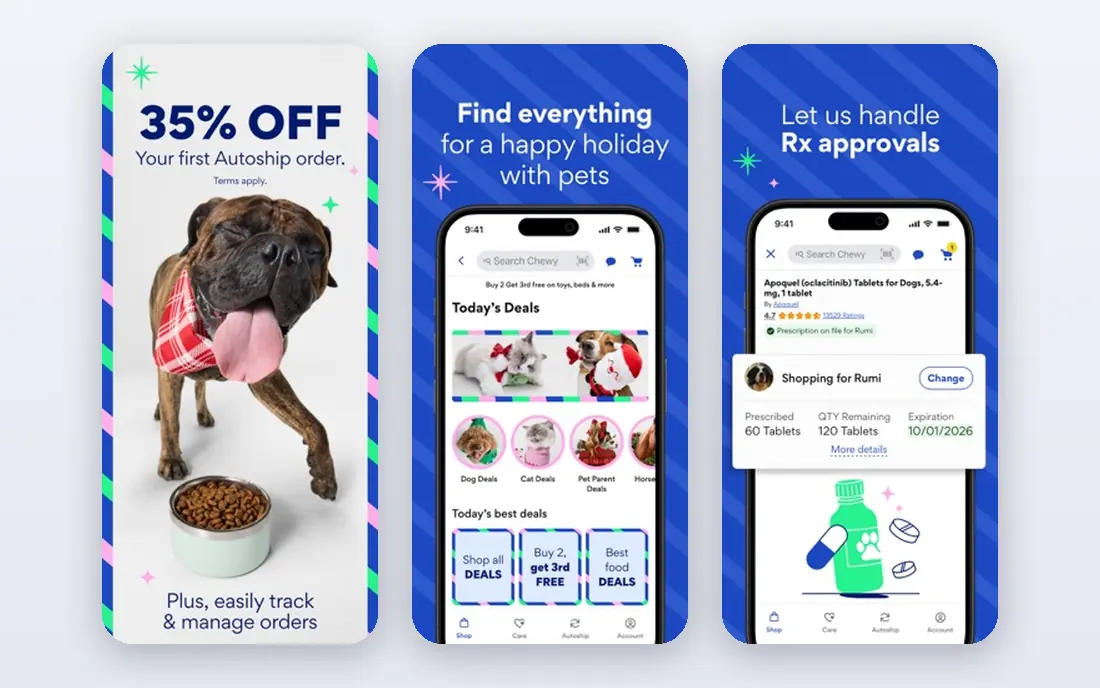
Chewy built its reputation on support that treats pet owners as people in a hurry, often with a sick animal or a feeding problem to solve. The company offers round-the-clock help by phone and chat, and public accounts of its service often mention agents who send condolence notes or flowers after a pet dies. That tone is part of the product for many customers, not just a policy line.
Chewy cannot control every delivery delay, and a helpful agent still has to work around carrier problems and out-of-stock items. Autoship discounts and prices also change, so a good support call does not always mean the lowest price. For pet supplies, the strength here is human, available help at the moment a problem feels urgent.
- 24/7 customer service
- Pet-focused support staff
- Straightforward returns on many items
- Service quality depends on stock and delivery partners
- Prices vary by product and subscription
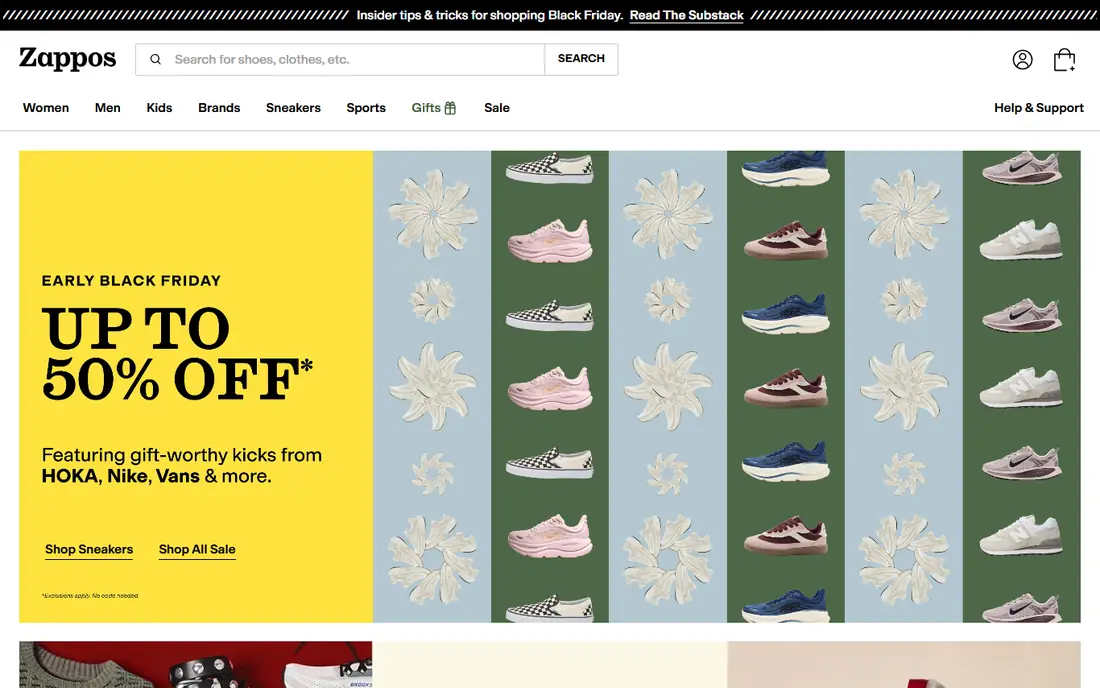
Zappos became known for letting customers order several sizes, try them at home, and return what does not fit without a fight. That model fits shoes and clothing especially well, where fit is hard to judge from a photo. Agents are known for long, unscripted calls, and the company trains staff across roles in customer service, which shapes how problems get handled.
The trade-off is scope. Zappos does not carry the endless range of a general marketplace, so shoppers who need electronics, groceries, or specialty gear will shop elsewhere. Free shipping and return terms also depend on the item and current policy, so check the product page. For footwear and apparel, the return policy itself is a form of service.
- Long return window
- Free shipping and returns on many orders
- Service-first company culture
- Selection is narrower than a general marketplace
- Return rules can change by item
Trader Joe's scores highly in supermarket satisfaction surveys, and most of that strength is in person. Staff open products for tasting, help find items, and handle returns in store without long forms. The smaller store format also means staff tend to know the range well, so a question about an ingredient or a substitute usually gets a direct answer.
Online shopping is the gap. Trader Joe's does not offer the same nationwide delivery and pickup network as larger grocers, so customers who rely on delivery will find it less convenient. Selection is also narrower by design, with many private-label items and fewer national brands. If you shop in person and value a helpful store team, this model stands out.
- Friendly, hands-on in-store staff
- Simple return approach in stores
- Distinctive private-label range
- No full online grocery ordering in most areas
- Smaller stores can mean limited selection
Costco pairs low prices with a return policy that members describe as easy to use, and that combination shapes how customers judge its service. Most items can be returned without a long dispute, and warehouse staff handle the process at the returns desk. The membership fee funds that model, and the limited product range means staff and systems focus on fewer items at larger volume.
Bulk buying is not a fit for small households, and some categories, such as electronics, have specific return windows and exceptions. The in-store experience is also functional rather than personalized, with less one-to-one help than a specialty store. For members who buy in bulk and value a clear return path, Costco offers a different kind of service strength.
- Generous return policy on most items
- Membership model keeps prices focused
- Consistent warehouse experience
- Membership fee required
- Bulk sizes do not suit every household
- Some return exceptions apply
Chick-fil-A
Great for: Quick-service diners who value consistent, polite counter service
Chick-fil-A regularly appears high in quick-service satisfaction work, and consistency is the reason. Staff training emphasizes courtesy phrases and prompt help, and franchise owners typically run a single location, which keeps attention local. Drive-through lanes are also engineered for speed, so service quality is visible in wait times as well as manners.
Sunday closure is a real limit for customers who want seven-day availability, and the menu focuses on chicken, so diners who want broader options will look elsewhere. Individual locations can still vary, especially at peak hours. For quick-service dining, the strength here is predictable, polite service at scale.
- Consistent staff training across locations
- Polite, scripted courtesy
- Fast drive-through operations
- Closed on Sundays
- Menu is narrower than a general fast-food chain
- Franchise variation still exists
Nordstrom
Great for: Shoppers who want in-store and online service with flexible returns
Nordstrom has long tied its name to service in department stores, from staff who help with sizing to service desks that handle returns and alterations. The online store and physical stores work together, so a customer can buy online and return or exchange in store. In ACSI online retail work for 2026, Nordstrom tied at the top with Amazon and Chewy, which shows that this model still registers with shoppers.
Higher prices are part of the model, since personal help and store staffing cost money. Smaller stores may not offer the full range of services found in flagship locations. For shoppers who want advice, fitting help, and a return process that does not feel adversarial, Nordstrom remains a useful comparison point.
- Helpful in-store stylists and service desks
- Flexible return approach
- Strong online and store integration
- Prices are higher than discount retailers
- Experience varies by store size and location
Amazon
Great for: Online shoppers who want broad selection and fast problem resolution
Amazon defines online service for many shoppers through speed: fast delivery, quick refunds, and self-service tools that work at midnight. When an order is wrong or late, the site often offers a replacement or refund without a long call, and that speed matters when the item is needed soon. Selection is the other strength, since one account covers books, electronics, household goods, and more.
The weakness is the human layer. Getting a person can take extra steps, and marketplace sellers do not all meet the same standard, so two orders can feel very different. Prime membership adds benefits but also adds a fee, and some service features sit behind that paywall. For broad online shopping, Amazon shows how automation, when it works, can itself feel like good service.
- Huge selection
- Fast refunds and replacements on many orders
- Self-service help at any hour
- Support can feel automated
- Marketplace sellers vary in service quality
- Prime benefits cost extra
How we picked these
We compared official support and policy pages, ACSI top scores and industry results, Forrester total experience reporting, and public reporting on return policies and service culture. We chose providers across retail, grocery, banking and insurance, food service, and online shopping so readers can see how service models differ by industry. We did not assign a single winner, because eligibility and use case change the answer.
How to judge a provider for your own needs
Start with access. A provider with top scores may not serve you, as with USAA membership, or may not deliver to your area, as with some grocery models. Then check the moments that matter to you: how you reach a person, how long returns take, and what happens when a delivery or claim goes wrong. Read the current return and support pages, not just a review from two years ago.
Test the service on a small order or a low-stakes question before you move a bank account or a large subscription. Note wait times, whether the agent can actually fix the problem, and whether you get a written record of the answer. A provider that is polite but cannot resolve an issue is not the same as a provider that fixes it first time. Keep those notes, and you will have a comparison based on your own needs rather than a headline score.
Frequently asked questions
Which provider offers the best customer service overall?
No single provider wins for everyone, because industries, eligibility, and needs differ. Public surveys point to different leaders in retail, banking, and food service. Choose by your industry, your access, and the support moments that matter most to you.
What do ACSI scores measure?
ACSI measures customer satisfaction through surveys, with scores on a 100-point scale by company and industry. High scores suggest customers rate their experience well, but they do not guarantee your next call will go smoothly. Use them as context alongside current policies.
Is USAA open to everyone?
No. USAA serves military members, veterans, and eligible family members, and product eligibility varies. If you are not eligible, compare providers in your own banking or insurance market instead of using USAA scores as a general guide.
Why do return policies matter for customer service?
A return policy decides how easy it is to fix a wrong purchase, and that moment often shapes loyalty more than the original sale. Clear windows, simple steps, and in-store options reduce friction. Always check exceptions for electronics, food, and final-sale items.
How can I compare providers before switching?
Check support hours and channels, return rules, and escalation steps on the official site. Place a small test order or ask a simple question, and note response time and whether the answer solves the problem. That first-hand check beats a single ranking.
Sources
- https://www.usaa.com
- https://www.chewy.com
- https://www.zappos.com
- https://www.traderjoes.com
- https://www.costco.com
- https://www.chick-fil-a.com
- https://www.nordstrom.com
- https://www.amazon.com
- https://theacsi.com/the-acsi-difference/top-10-acsi-companies/
- https://www.customerexperiencedive.com/news/what-brands-provide-the-best-overall-experience/822952/
See where you really rank - block by block
ProMapRanker scans Google Maps across a grid of your service area. Simple monthly plans from $19, white-label on every plan.
Start freeKeep reading
 worlds best local seo company
8 Worlds Best Local SEO Companies for Map Pack Growth in 2026
Compare the worlds best local seo company options for Google Business Profile work, citations, reviews, and multi-location rankings and reporting in 2026.
Read → world's best web hosting company
World's Best Web Hosting Company in 2026
Searching for the world's best web hosting company? We compared 10 hosts on price, renewal rates, speed, and support to help you choose well today in 2026.
Read → who's got the best nanny tax services
Who's Got the Best Nanny Tax Services in 2026
We answer who's got the best nanny tax services, comparing full filing, back taxes, software, and pricing so families can handle nanny taxes correctly.
Read →