 ProMapRanker
Which Demand Side Platform Is the Best in 2026


Independent omnichannel buying · Pricing starts at: See website
Key takeaways
- The Trade Desk leads for independent, omnichannel buying, while Google DV360 and Amazon DSP lead inside their own ecosystems.
- StackAdapt and Simpli.fi are easier entry points for mid-market teams than enterprise DSPs with large minimum spends.
- Connected TV, audio, and retail media now matter as much as display, so check channel coverage before price.
- Most DSP pricing is a percentage of media spend plus data and measurement fees, not a flat subscription.
- Ask for log-level data, fee transparency, and brand safety controls before you sign a contract.
Quick comparison
| Pick | Great for | Pricing starts at | Free tier | |
|---|---|---|---|---|
| The Trade Desk | Independent omnichannel buying | See website | No | Visit |
 Google Display and Video 360 | Google and YouTube inventory | See website | No | Visit |
 Amazon DSP | Retail and Prime Video audiences | See website | No | Visit |
 Yahoo DSP | Omnichannel mid-market buying | See website | No | Visit |
 StackAdapt | Self-serve multi-channel buying | See website | No | Visit |
 Viant | Connected TV and household targeting | See website | No | Visit |
 Simpli.fi | Local and addressable campaigns | See website | No | Visit |
 Basis | Agency workflow and buying | See website | No | Visit |
 Quantcast | Audience and performance buying | See website | No | Visit |
The best demand side platforms
A demand side platform lets advertisers buy digital ad inventory in real time across websites, apps, audio, and connected TV. The best demand side platform software for you depends on budget, channels, data, and how much control your team wants over bidding and reporting. We compared independent platforms and ecosystem platforms side by side.
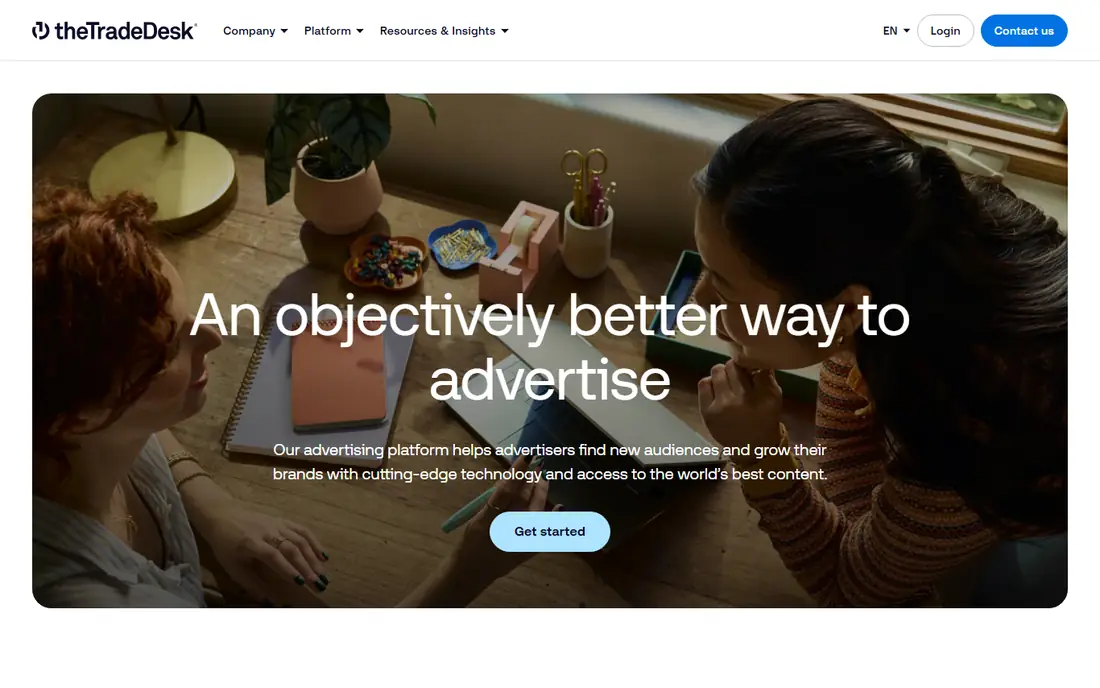
The Trade Desk is the largest independent DSP, and that independence is its main selling point. It does not own publisher inventory, so it has no financial reason to steer spend toward its own properties. Advertisers can buy display, video, audio, native, digital out-of-home, and connected TV from one platform, with tools for audience building, forecasting, and frequency control across devices.
The catch is access and cost. The Trade Desk suits agencies and larger brands with steady programmatic budgets, and pricing is agreed by contract rather than published as a flat rate. Smaller advertisers often reach it through an agency partner. If you need neutral buying at scale and strong connected TV access, it is the default shortlist entry.
- No owned media to favour in auctions
- Broad premium inventory including connected TV
- Strong identity and measurement partner options
- Quote-based pricing with meaningful minimums
- Learning curve for new trading teams
Google Display and Video 360
Great for: Google and YouTube inventory
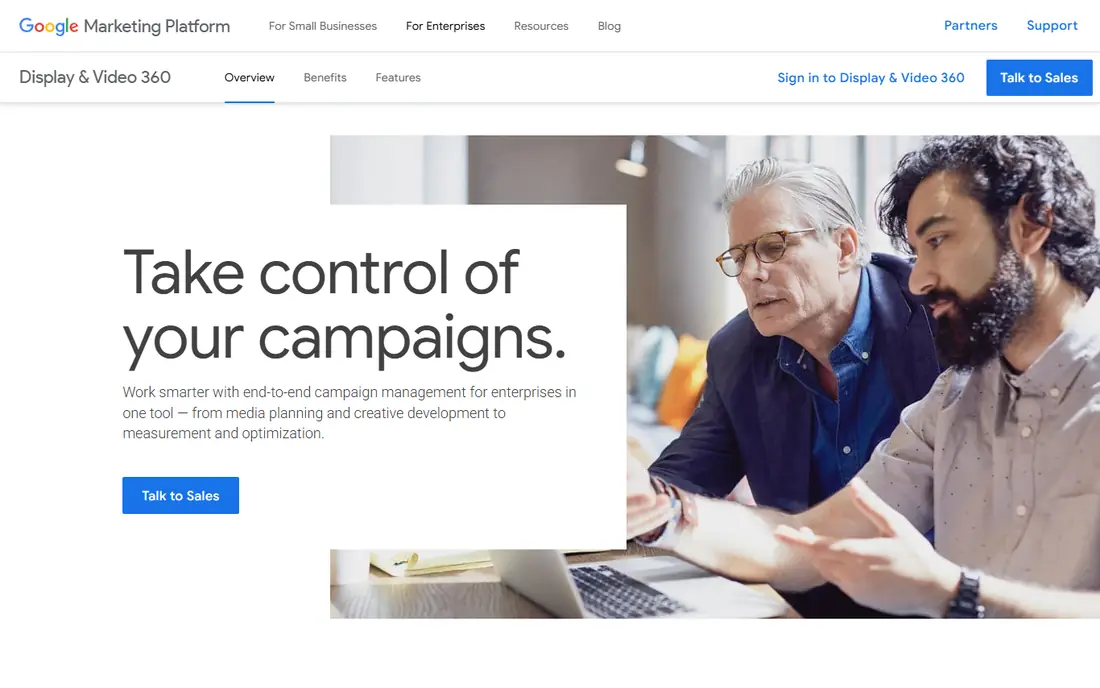
Google Display and Video 360, known as DV360, fits brands already built on Google tools. It gives direct buying across YouTube, Google display inventory, and the open web, with audience segments from Google signals and first-party data. Integration with Campaign Manager and Google Analytics makes measurement simpler for Google-centred teams.
The trade-off is objectivity. Google owns major inventory, so buyers should check where spend actually lands and compare results with independent measurement. DV360 still makes sense when YouTube is a core channel or when your team already runs Google campaigns at scale.
- Direct access to YouTube and Google inventory
- Deep Google Analytics and audience integration
- Strong automation and reporting
- Incentives favour Google properties
- Access often needs a partner or enterprise agreement
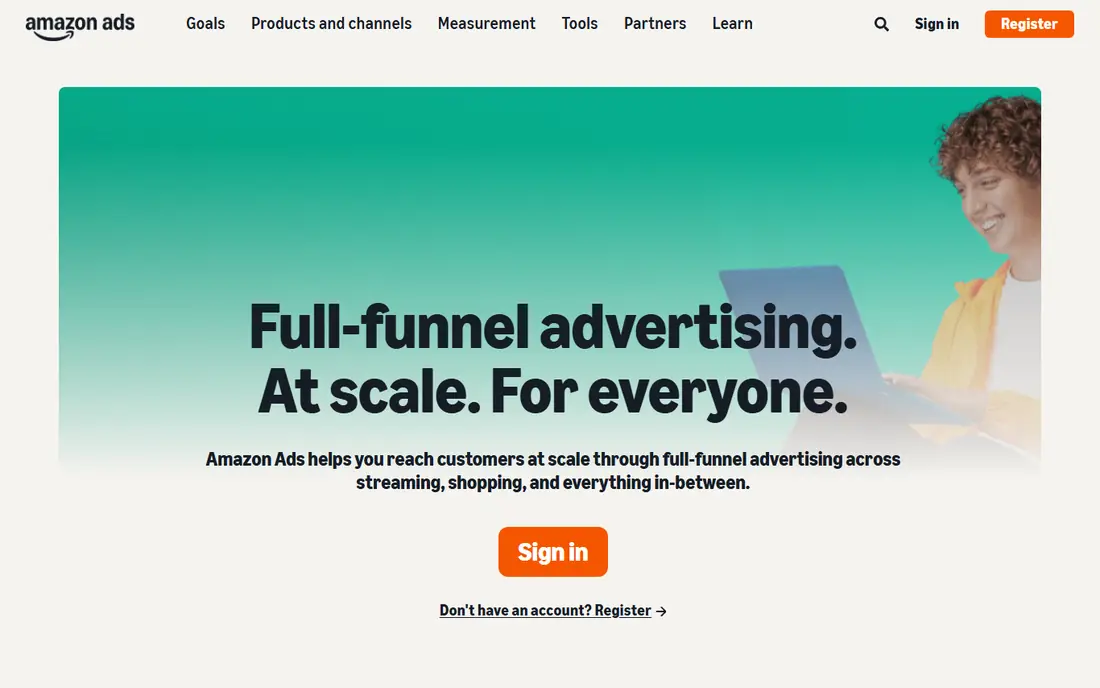
Amazon DSP fits consumer brands that want to tie ads to shopping behaviour. It uses Amazon shopper signals for targeting on Amazon properties and across the open web, including Prime Video and Twitch inventory where available. For product brands, that link between ad exposure and purchase behaviour is hard to match with a general DSP.
The catch is cost structure. Self-serve buying has no single published floor in every market, while managed service often requires a larger monthly commitment. Smaller brands should confirm current minimums and fee structure before planning a campaign around Amazon DSP alone.
- Shopper data from Amazon retail
- Prime Video and Twitch inventory
- Reach on and off Amazon
- Managed service minimums can be high
- Self-serve access varies by market
Yahoo DSP fits mid-size agencies and brands that want omnichannel buying without enterprise minimums from the largest platforms. It covers display, video, native, audio, and connected TV, with tools for audience building and measurement. Its commerce media push also helps retail and product advertisers link ads to shopping outcomes.
The limit is scale and regional depth. Inventory and data partnerships are strongest in its core markets, so check coverage for your target countries before committing. For many mid-market buyers, that coverage is enough, and the simpler access path is a real advantage.
- Omnichannel inventory including connected TV
- Commerce and identity tools
- Growing mid-market focus
- Smaller scale than the largest DSPs
- Feature depth varies by region
StackAdapt is a strong pick for mid-market performance buyers who want to run campaigns themselves. It covers native, display, video, audio, and connected TV, with forecasting, audience tools, and contextual targeting that suit performance and brand campaigns alike. Many smaller agencies use it as their main DSP because setup and day-to-day trading are straightforward.
The honest catch is depth at very large scale. Enterprise teams with complex custom bidding, log-level analysis, and multi-market governance may still prefer The Trade Desk or DV360. For most mid-market teams, StackAdapt gives a better balance of control, cost, and speed.
- Clear self-serve interface
- Native, video, and connected TV strength
- Lower entry barriers than enterprise DSPs
- Reporting can feel slow for large accounts
- Advanced custom bidding needs experience
Viant fits advertisers where connected TV is the lead channel. Its household identity approach helps link TV exposure to outcomes across devices, which matters when TV budgets grow and buyers need proof beyond reach. It also supports display, video, and audio, so TV-led plans do not need a second platform for support channels.
The trade-off is focus. If display prospecting or search-led performance is your main job, a broader DSP may fit better. If TV measurement and household reach drive the plan, Viant deserves a trial and a direct comparison on measurement, not just on media cost.
- Household identity for connected TV
- Strong measurement for TV and omnichannel
- Self-serve and managed options
- Quote-based pricing
- Best value for TV-led campaigns
Simpli.fi fits multi-location brands, franchises, and local advertisers that need geo-fenced, addressable, and connected TV campaigns at scale. It lets teams run many local campaigns from one platform, with targeting by location, behaviour, and household where available. That local structure is its clear edge over general DSPs that treat every campaign as national.
The limit is enterprise breadth. Global brands with complex cross-market governance may need a larger platform alongside it. For local and regional buying, Simpli.fi is often the more practical choice, with faster setup for location-based plans.
- Strong local and geo targeting
- Addressable and connected TV options
- Works well for multi-location brands
- Interface and reporting suit local buyers more than global enterprise teams
- Pricing is quote based
Basis, from Centro, fits agencies that run many clients and need planning, buying, billing, and reporting in one workflow. It supports programmatic buying alongside direct buys, which helps agencies that still manage a mix of deal types. Workflow automation reduces manual work across client accounts, a benefit that grows with client count.
The catch is fit. A single brand with one in-house team may not need the full agency workflow layer and may prefer a simpler DSP. An agency with dozens of accounts will feel the difference quickly, especially at reporting and reconciliation time.
- Combines planning, buying, and reporting for agencies
- Supports direct and programmatic buying
- Strong workflow automation
- Best value for agencies, less so for single-brand in-house teams
- Pricing is quote based
Quantcast fits performance buyers who want quick launch and audience-led prospecting. Its platform uses large-scale audience signals to find new customers, with tools for video, display, and native campaigns and reporting focused on cost per outcome. That makes it a useful complement to a main DSP, or a main platform for performance-led teams.
The limit is channel breadth. Teams that need deep connected TV buying, audio at scale, or complex enterprise governance should test those areas specifically. For audience prospecting and measurable performance campaigns, Quantcast remains a solid, focused option.
- Audience modelling from large data signals
- Fast campaign launch for video, display, and native
- Clear performance reporting
- Less connected TV depth than TV-first DSPs
- Data and measurement options vary by market
How we picked these
We compared official product pages, pricing and access information, channel coverage, and public reviews for DSPs active in October 2026. We kept only platforms with verifiable current activity and real advertiser access, whether self-serve, partner-led, or managed. We included independent DSPs, ecosystem DSPs, and local and agency platforms, because the right answer changes with budget and channel mix.
We did not claim hands-on testing that did not happen. Where a vendor does not publish a starting price, we wrote See website rather than inventing a minimum spend. DSP fees, minimums, and inventory access change often, so confirm current terms with the vendor before signing.
What to check before you choose
Check inventory where your audience actually is
List your must-have channels first: connected TV, YouTube, Prime Video, audio, native, or local display. A DSP can look strong overall and still be weak in the one channel that drives your plan. Ask for inventory access in your target markets, not just global totals.
Ask how fees and data costs work
Most DSPs charge a platform fee as a share of media spend, plus third-party data and measurement costs. Ask for a full fee breakdown, including any managed service fee, and whether log-level data is included. A low platform fee with costly data can end up more expensive than a higher fee with clearer terms.
Test reporting and brand safety
Check frequency capping, viewability, fraud filtering, and brand safety controls before launch. Ask for a sample report and confirm you can see placement, device, and audience breakdowns. If reporting is slow or opaque, optimisation will suffer for the whole campaign.
Start with a controlled test
Run a small test across two platforms with the same creative, audience, and budget where possible. Compare cost per outcome, reach quality, and reporting clarity, not just click or view rates. A two-week test gives a clearer answer than a feature checklist alone.
Frequently asked questions
Which demand side platform is the best overall?
The best demand side platform overall for independent buying is The Trade Desk, thanks to its scale, neutrality, and connected TV inventory. The best choice for a given team still depends on budget and channels. Google DV360 leads for YouTube-led plans, Amazon DSP leads for retail-led plans, and StackAdapt leads for mid-market self-serve buying.
What is the best demand side platform software for small budgets?
The best demand side platform software for small budgets is usually StackAdapt, Simpli.fi, or Quantcast, accessed directly or through an agency, because entry barriers are lower than enterprise DSPs. Confirm current minimums and fees first, since small-budget access often comes through a partner rather than direct signup.
How much does a DSP cost?
Most DSPs charge a platform fee as a share of media spend, often in the range of 10 to 20 percent for self-serve buying, plus data and measurement fees. Managed service fees are higher. Media cost itself varies by channel, with display cheapest and connected TV most expensive, so total cost depends on channel mix as much as platform fee.
What is the difference between a DSP and an ad network?
A DSP buys inventory across many publishers through real-time auctions and lets you control targeting, bidding, and reporting. An ad network sells inventory from its own publisher pool, often with less control over placement and bidding. DSPs suit buyers who want control across channels, while networks suit buyers who want a single packaged audience.
Do I need an agency to use a DSP?
You do not always need an agency, since StackAdapt and similar platforms offer self-serve access, but enterprise DSPs often require an agency or a contract. An agency helps with trading expertise, minimums, and measurement setup. In-house teams with trading skills can run self-serve DSPs well, provided they have time for daily optimisation.
Is Google DV360 a DSP?
Yes, Google Display and Video 360 is a DSP, and it is one of the largest. It buys across YouTube, Google inventory, and the open web. The main difference from independent DSPs is that Google owns major inventory, so buyers should check placement transparency and compare measurement with independent tools.
Sources
See where you really rank - block by block
ProMapRanker scans Google Maps across a grid of your service area. Simple monthly plans from $19, white-label on every plan.
Start freeKeep reading
 zscaler alternatives
Best Zscaler Alternatives in 2026
Looking for zscaler alternatives? We compare 9 SASE and zero trust platforms on architecture, data protection, pricing, and fit for your network and team.
Read → zapier alternatives free
Best Zapier Alternatives Free in 2026
Nine automation tools for zapier alternatives free in 2026, all with genuinely free tiers, plus free plan limits, starting prices and upgrade paths explained.
Read → which platform is best for online reputation
Which Platform Is Best for Online Reputation in 2026
Wondering which platform is best for online reputation? We compare 8 review, listing, and response tools for small and multi-location businesses and agencies.
Read →