 ProMapRanker
Which Credit Report Company Is Best in 2026


Three bureau monitoring in one plan · Pricing starts at: $19.95 per month
Key takeaways
- The three major bureaus, Equifax, Experian, and TransUnion, each hold a separate file on you, so checking only one can miss errors held by another.
- Free weekly reports are available through the official AnnualCreditReport.com site, and that is the right starting point before paying for anything.
- Paid monitoring mainly adds convenience, alerts, and identity tools, not a different official report, so a credit freeze often gives stronger protection for less money.
- Credit Karma and Credit Sesame are useful free score trackers, while myFICO is the stronger choice when a lender style FICO score matters to you.
- This is not financial advice. Check the terms of any paid plan before you sign up, and dispute errors directly with the bureau that holds the wrong file.
Quick comparison
| Pick | Great for | Pricing starts at | Free tier | |
|---|---|---|---|---|
| Equifax | Three bureau monitoring in one plan | $19.95 per month | No | Visit |
 Experian | Free score tracking plus paid monitoring | $24.99 per month | Yes | Visit |
 TransUnion | Direct access to your TransUnion file | See website | Yes | Visit |
 AnnualCreditReport.com | Free official reports | Free | Yes | Visit |
 myFICO | Lender style FICO scores | See website | No | Visit |
 Credit Karma | Free score and report checks | Free | Yes | Visit |
 Credit Sesame | Free credit tracking and tips | Free | Yes | Visit |
 Aura | Identity protection for families | See website | No | Visit |
 LifeLock | Identity theft cover and alerts | See website | No | Visit |
The best credit report companies
There is no single winner for everyone, because the bureaus and the monitoring services do different jobs. We compared official bureau products with free trackers and paid identity services, and we put the free official route first in our advice even though it is not a paid product.
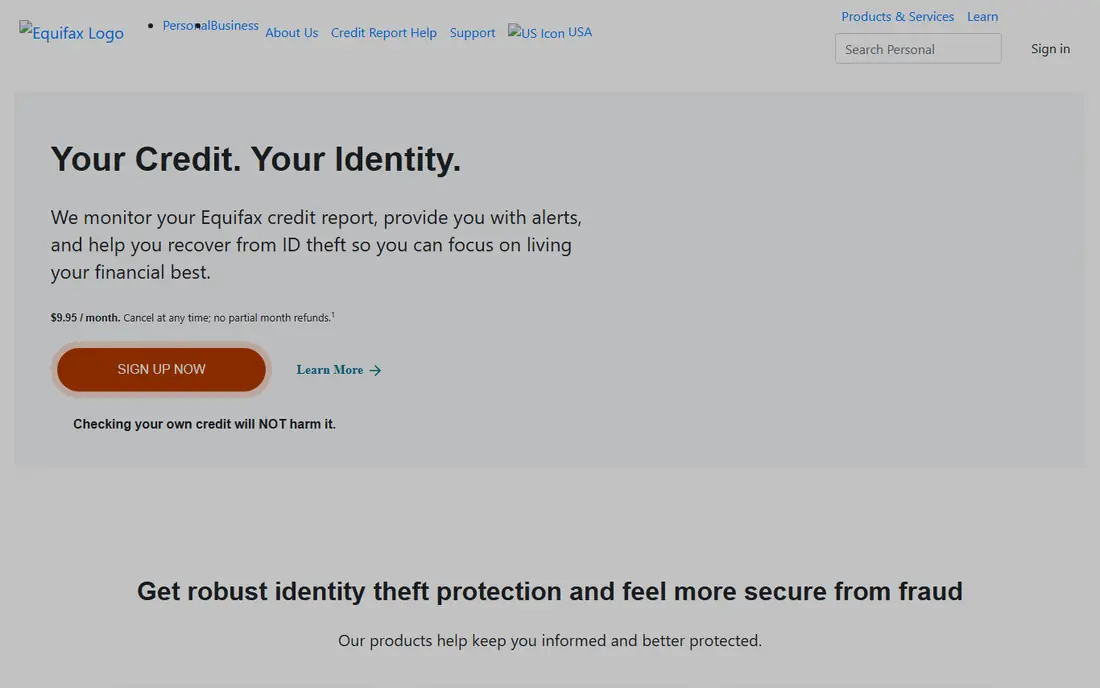
Equifax is one of the three major bureaus, so its own product has direct access to your Equifax file and can lock that file quickly. The Complete Premier plan monitors Equifax, Experian, and TransUnion files and sends alerts when key changes appear. That three bureau view is the main reason to pay, since a fraud alert on one file does not automatically fix the other two.
The catch is the score type. Equifax Complete shows VantageScore 3.0 scores, and many lenders use a FICO score instead, so the number you see here may differ from the number a lender sees. Still, for spotting new accounts, inquiries, and file changes across all three bureaus, this is a solid paid option. A free credit freeze at Equifax remains a stronger, free step against new account fraud, and it works alongside monitoring rather than replacing it.
- Monitors all three bureaus
- Offers a credit lock for your Equifax file
- Includes identity theft insurance and restoration help
- Paid plan is needed for the full monitoring set
- Scores shown are VantageScore, not FICO
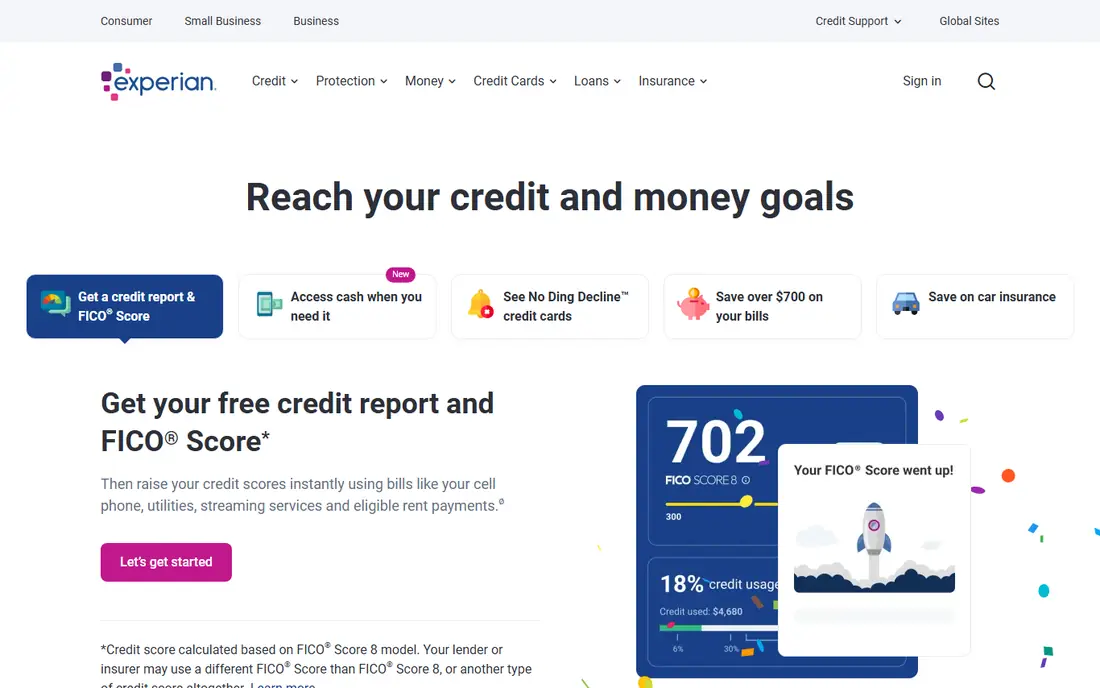
Experian is a good first stop because you can create a free account and see your Experian report and score without paying. That makes it easy to check for obvious errors, such as an account you do not recognise or a late payment you dispute. The free tier is limited to Experian data, so it will not show what Equifax or TransUnion hold.
The paid IdentityWorks Premium plan adds monitoring across all three bureaus, dark web scanning, and identity theft insurance. If you want one dashboard for everything and you already like the Experian app, that upgrade is a natural step. Just remember that checking your own credit does not harm your score, and that a freeze at each bureau is still the strongest free protection.
- Free membership includes an Experian score and report view
- Paid IdentityWorks adds three bureau monitoring
- Large, well known bureau
- Full three bureau cover sits behind the paid tier
- Scores shown in the free tier may differ from a lender FICO score
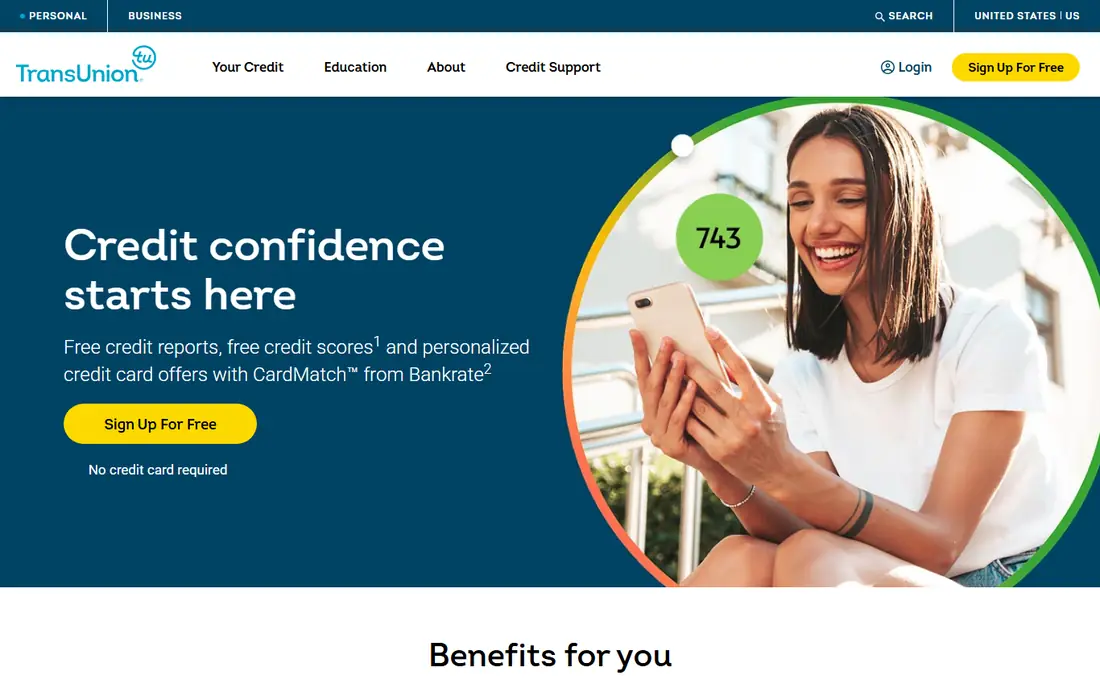
TransUnion completes the trio, and it matters because some lenders report to TransUnion but not to the other bureaus, or report different balances to each one. Going direct to the source avoids second hand summaries and gives you the dispute route for that specific file. TransUnion also offers a credit lock for its own file, which is quick to switch on and off when you apply for credit.
The downside is the same as with the other bureaus. One bureau product only controls one file, so you need to repeat freezes and checks at all three places for full cover. Use TransUnion for its own file, use the free official site for all three reports, and only pay if the alerts and extra identity tools are worth the monthly cost to you.
- Direct source for your TransUnion file
- Credit lock tools for that file
- Monitoring and alerts on paid plans
- Pricing varies by plan and offer
- Locking TransUnion does not lock the other two bureaus
AnnualCreditReport.com is the official website created under federal law for free credit reports, and it is the single most useful entry on this list. You can request your Equifax, Experian, and TransUnion reports here without paying and without signing up for a monitoring plan. That matters because many paid services show you the same underlying bureau data with alerts added on top.
The limit is that this is a report service, not a monitoring service. It will not alert you the day a new account appears, and it does not include a credit score. Our advice is simple. Pull your reports here first, read them line by line, dispute anything wrong with the bureau that holds it, and then decide whether paid alerts add enough value for you. This is not financial advice, but starting free is rarely the wrong move.
- The official source for free reports from all three bureaus
- No subscription needed
- The right place to spot errors
- Provides reports, not ongoing monitoring or scores
- You must request and review each report yourself
myFICO is the pick when the score itself is the point, for example before a mortgage or car loan application. Most free trackers show a VantageScore, while many lenders pull a FICO score, and the two models can differ by enough to matter. myFICO closes that gap by showing FICO scores and by letting you compare your scores across bureaus in one place.
The trade off is price and scope. myFICO is a score and report service, not a full identity protection suite, so it does not replace a freeze or dark web monitoring if those matter to you. Use it in the run up to a major application, check the plan that covers the bureaus you need, and cancel or downgrade once the application is done if you do not need ongoing tracking.
- Shows FICO scores used by many lenders
- Tracks scores from all three bureaus on paid plans
- Score simulators help you see what changes might do
- Paid plans cost more than free trackers
- The score shown still depends on the exact FICO version a lender uses
Credit Karma is the free tracker most people already know, and for basic awareness it does the job well. You can check your TransUnion and Equifax reports, see a VantageScore, and get alerts when something important changes. For someone who wants to keep an eye on credit without a monthly bill, that is a strong combination.
The honest catch is the business model and the score type. Credit Karma shows you financial product offers, and the score it shows is a VantageScore, so it may not match a lender FICO score. Neither point makes it a bad tool, but both matter when you act on what you see. Use Credit Karma for regular checks, use AnnualCreditReport.com for the full official reports, and use myFICO when a lender score is what counts.
- Free to use
- Shows TransUnion and Equifax information
- Alerts on key report changes
- Shows VantageScore, not FICO
- Earns money from product offers shown to members
Credit Sesame is a useful free alternative to Credit Karma, especially if you want a second view on your credit without paying. The free tier gives you a score and a summary of your credit picture, plus guidance on factors such as payment history and credit use. That guidance is general education, not personal financial advice, but it helps you understand why a score moved.
Paid upgrades add deeper identity monitoring and more detailed report access, so check what each tier actually covers before upgrading. The free tier alone is enough for many people who just want a regular, low effort check. Pair it with a freeze at all three bureaus and a periodic official report pull, and you have a sensible, low cost routine.
- Free credit score and report summary
- Identity monitoring on some plans
- Simple tips for improving credit habits
- Free tier is lighter than paid plans
- Score type and bureau coverage vary by plan
Aura is a broader identity protection service rather than a pure credit bureau product, and that is its appeal for families. It pairs credit monitoring with dark web monitoring, identity theft insurance, and tools for online safety, and family plans can cover children whose identities are also at risk. If you want one subscription for the household, Aura is worth comparing with LifeLock and the bureau plans.
The catch is that you pay for a bundle. If you only want credit reports, the free official site plus a free tracker will do the same core job for less. Aura makes sense when the extra identity tools, family cover, and support after an incident are what you actually want. Read the plan details closely, since bureau coverage and features differ by tier.
- Combines credit monitoring with identity and device protection
- Family plans cover children
- Alerts across bureaus on higher tiers
- Pricing varies by plan and is not a free tracker
- Credit features are part of a wider bundle you may not need
LifeLock, now part of Norton, is best seen as an identity protection service with credit monitoring attached, rather than as a bureau itself. Its plans monitor for identity threats, alert you to credit file changes, and include insurance and dedicated help if your identity is stolen. For people who worry more about fraud and recovery help than about tracking a score day to day, that support is the selling point.
The price and the tier differences are the honest drawback. The entry plan may not include the three bureau monitoring that a bureau plan includes, so compare tiers line by line before you pay. As with every paid option here, a free freeze at Equifax, Experian, and TransUnion stays the strongest single step, and LifeLock works best as an addition to that, not a substitute for it.
- Long running identity protection brand
- Credit monitoring and alerts
- Identity theft insurance and restoration support
- Paid only
- Plan features and bureau coverage vary, so the cheapest tier may not cover all three bureaus
How we picked these
We compared official bureau products, the official free report site, free score trackers, and paid identity services using their own pricing and feature pages, app store listings, and public help pages. We kept only services that exist and work in October 2026 and that give you real access to bureau data or genuine identity protection. We left out services that only resell a single score with no report access, and we put price, bureau coverage, score type, and the availability of a free freeze ahead of marketing claims.
What to check before you pay
Start free, then pay only for a clear gap. Pull your three official reports, place a free freeze at each bureau, and set up a free tracker for regular checks. That routine covers most people, and it costs nothing. Pay for monitoring when you want alerts the day something changes, three bureau cover in one dashboard, or identity theft insurance and recovery help.
Watch the score type before you act. A VantageScore from a free tracker and a FICO score from a lender can differ, so do not panic or celebrate based on one number alone. Check which score a plan shows, which bureaus it covers, whether a family plan covers children, and how easy it is to cancel. If a plan hides its price or its bureau coverage, treat that as a warning sign and choose a clearer option.
Frequently asked questions
Which credit report company is best overall?
There is no one winner, because the three bureaus each hold a separate file. For most people, the best routine is free reports from AnnualCreditReport.com, freezes at all three bureaus, and a free tracker for regular checks. Paid monitoring is worth it when you want alerts and identity help in one place.
Are free credit reports really free?
Yes, through AnnualCreditReport.com, the official site for free reports from Equifax, Experian, and TransUnion. Be careful with other sites that offer a free report but require a paid trial. The official site does not require a subscription to get your reports.
Does checking my own credit hurt my score?
No. Checking your own report or score is a soft inquiry and does not lower your score. Hard inquiries happen when a lender checks your credit for an application, and those can have a small, temporary effect.
What is the difference between a credit freeze and a fraud alert?
A freeze blocks access to your credit file until you lift it, which stops most new accounts being opened in your name. A fraud alert asks lenders to verify your identity before opening credit, but it does not block access in the same way. Freezes are free at all three bureaus and are the stronger step.
Should I pay for credit monitoring?
Pay only if the alerts, three bureau cover, or identity theft help are worth the monthly cost to you. Many people get enough from free reports, freezes, and a free tracker. If you have been a victim of identity theft or you are about to apply for major credit, paid monitoring can be more useful.
Why do my scores differ across services?
Different services use different scoring models, such as VantageScore or FICO, and different bureaus may hold different data. A score can also differ by the version of the model and the date the data was pulled. Compare scores from the same model and bureau over time, rather than mixing them.
Sources
See where you really rank - block by block
ProMapRanker scans Google Maps across a grid of your service area. Simple monthly plans from $19, white-label on every plan.
Start freeKeep reading
 zscaler alternatives
Best Zscaler Alternatives in 2026
Looking for zscaler alternatives? We compare 9 SASE and zero trust platforms on architecture, data protection, pricing, and fit for your network and team.
Read → zapier alternatives free
Best Zapier Alternatives Free in 2026
Nine automation tools for zapier alternatives free in 2026, all with genuinely free tiers, plus free plan limits, starting prices and upgrade paths explained.
Read → which platform is best for online reputation
Which Platform Is Best for Online Reputation in 2026
Wondering which platform is best for online reputation? We compare 8 review, listing, and response tools for small and multi-location businesses and agencies.
Read →