 ProMapRanker
Which AI Optimization Service Is Best for Visibility in 2026


Enterprise AI visibility tracking and optimization · Pricing starts at: $99 per month
Key takeaways
- Profound suits brands that want enterprise-grade AI visibility tracking and optimization intelligence across many prompts.
- Otterly AI and Amadora suit smaller teams that want clear, lower-cost tracking of brand mentions in AI answers.
- Semrush and Ahrefs suit teams that want AI visibility work connected to a full SEO reporting stack.
- Surfer and Frase suit content teams that need answer-ready pages, briefs, and on-page optimization.
- No service can guarantee that an AI assistant will mention or recommend your brand, so treat visibility scores as tracking, not promises.
Quick comparison
| Pick | Great for | Pricing starts at | Free tier | |
|---|---|---|---|---|
| Profound | Enterprise AI visibility tracking and optimization | $99 per month | Free trial | Visit |
 Semrush | AI visibility plus a full SEO stack | See website | Free trial | Visit |
 Ahrefs | Authority and competitor research that supports citations | $129 per month | No | Visit |
 Otterly AI | Lightweight AI search monitoring | $29 per month | Free trial | Visit |
 Peec AI | Dashboard-first AI visibility reporting | See website | Free trial | Visit |
 Amadora | Agency AI visibility workflows | $49 per month | Free trial | Visit |
 Surfer | On-page and answer-format optimization | $99 per month | Free trial | Visit |
 Frase | Question-led briefs and answer content | See website | Free trial | Visit |
The best AI optimization services for visibility
We compared AI visibility tracking, citation reporting, content optimization, and pricing from vendor pages and recent comparisons. Our pick for most brands is Profound for depth, with Otterly AI as the best low-cost starting point. Teams that already pay for Semrush or Ahrefs should first check what AI visibility features those suites already include.
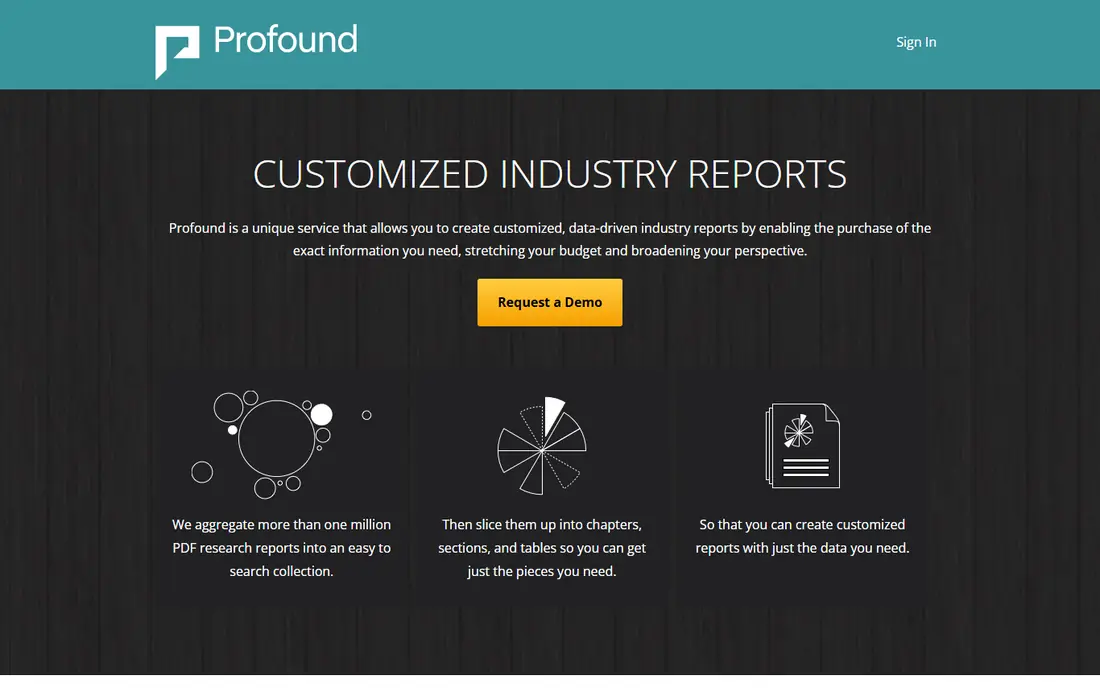
Profound tracks how a brand appears in AI answers, which sources get cited, and how competitors compare on the same prompts. That prompt-level view helps marketing teams see where they are named, where they are missing, and which pages AI systems cite. The platform also offers optimization guidance tied to those findings.
Profound is priced for brands and agencies that treat AI visibility as a regular reporting job, not a one-time audit. Prompt volume, engines tracked, and team seats affect cost, so confirm the plan against your prompt list. For serious AI visibility programs, Profound is the most focused tool in this list.
- Tracks brand mentions across AI engines
- Citation and competitor reporting
- Optimization recommendations
- Entry price rises with prompt volume
- Enterprise features need higher tiers
- Results vary by prompt set
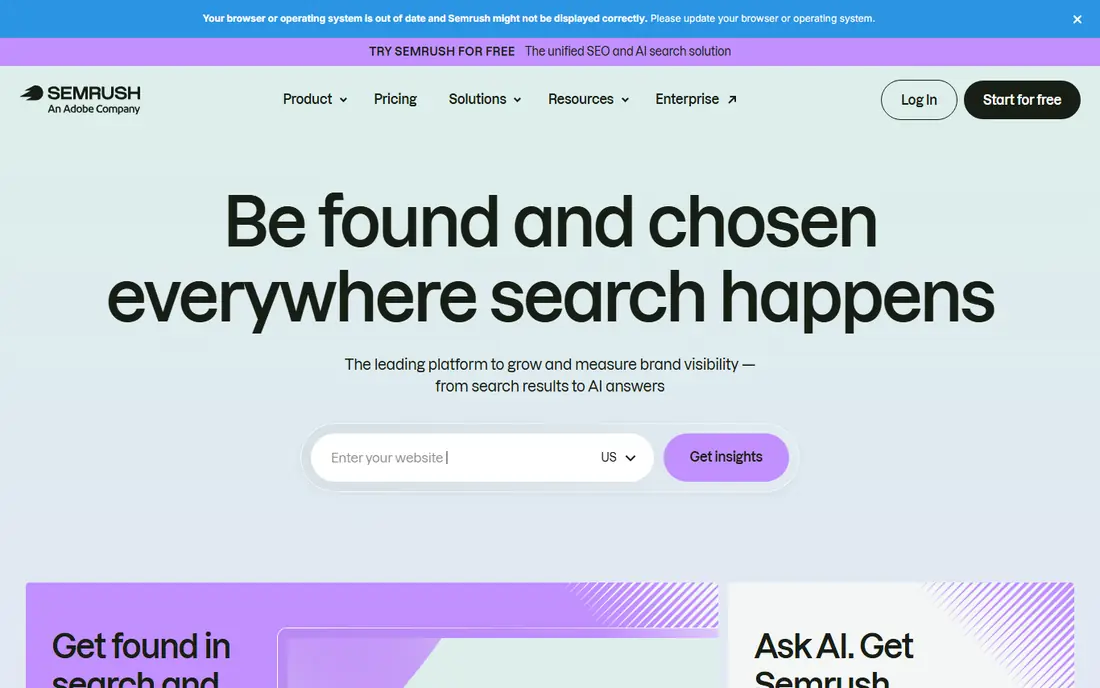
Semrush connects AI visibility work to the SEO data teams already use: keywords, rankings, backlinks, and content gaps. That connection helps when AI visibility is part of a larger search program rather than a standalone project. Agencies can also report AI visibility beside traditional search results for clients.
The trade-off is scope and price. If you only need AI mention tracking, a focused tool such as Otterly AI may cost less. Semrush fits teams that already use it for SEO and want AI visibility added to the same workflow and reports.
- AI visibility tools inside a broad SEO suite
- Keyword, content, and competitor research
- Reporting for clients
- Broad suite can be costly for one job
- AI features vary by plan
- Learning curve for new users
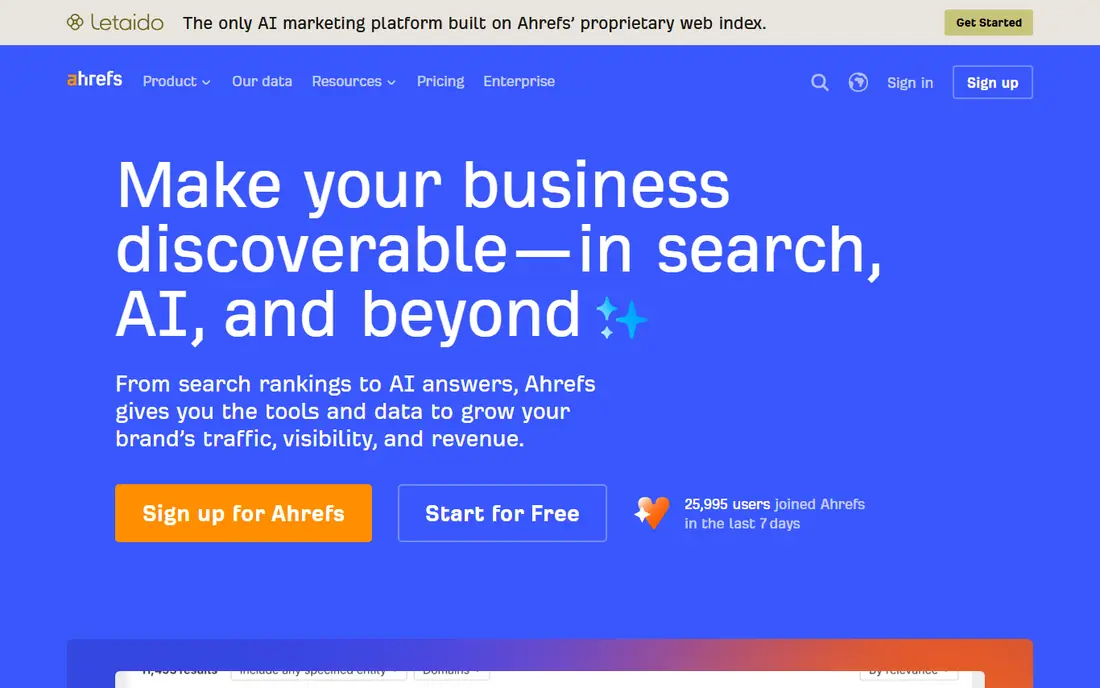
Ahrefs helps AI visibility indirectly, by showing which pages earn links, which topics competitors cover, and where your content lacks authority. AI systems often cite authoritative, well-linked sources, so that research supports the content work that improves citation chances. Site audits and keyword tools add further context for content teams.
Ahrefs is not a pure AI visibility tracker, so teams that need prompt-level mention reporting should pair it with a focused tool. It also has no free plan, and costs rise with usage limits. For SEO-led teams, Ahrefs remains a strong research foundation for AI visibility work.
- Strong backlink and content research
- Competitor comparison
- Site audit and keyword tools
- AI visibility features are part of a larger suite
- No free plan
- Price rises with seats and data limits
Otterly AI focuses on a simple job: track where your brand shows up in AI answers and alert you when that changes. The interface is lighter than enterprise platforms, and the entry price makes it accessible for small brands and agencies testing AI visibility for the first time. That simplicity is a strength when you need regular monitoring without a large setup project.
Otterly offers less depth on optimization workflows and enterprise reporting than Profound. Prompt and engine limits on lower tiers also need checking. For a first AI visibility tracker, Otterly AI is our low-cost pick.
- Low entry price
- Clear brand mention tracking
- Alerts for changes in AI answers
- Lighter optimization features than Profound
- Prompt limits on lower tiers
- Fewer enterprise reporting options
Peec AI presents AI visibility data in dashboards that suit reporting to managers and clients. You can track prompts, compare competitors, and see how brand mentions change over time. That reporting focus helps teams that need to show progress without digging through raw prompt data.
Pricing is published in euros on some plans, so US buyers should check the converted cost and billing terms. Peec is also smaller than the large SEO suites, which may matter for procurement. For dashboard-led reporting, Peec AI is a strong mid-price option.
- Clear dashboards for brand visibility
- Competitor benchmarking
- Prompt tracking across engines
- Pricing in euros on some plans
- Smaller vendor than Semrush or Ahrefs
- Feature set varies by plan
Amadora combines AI visibility tracking with optimization workflows for agencies. Teams can monitor brand mentions, identify cited sources, and plan content updates from the same dashboard. The entry price sits between lightweight trackers and enterprise platforms, which suits agencies managing several clients.
Amadora is newer than Semrush, Ahrefs, and Profound, so public reviews and case studies are thinner. Agencies should trial it with a real client prompt set before replacing an existing tracker. For agency workflows at a moderate price, Amadora deserves a trial.
- Tracking plus optimization workflows
- Agency-friendly reporting
- Lower entry price than enterprise tools
- Newer vendor
- Fewer public reviews than established suites
- Limits vary by plan
Surfer helps content teams write pages that AI systems can quote and cite. It scores drafts against top-ranking pages, suggests headings, terms, and structure, and audits existing content for gaps. Clear, direct answers, good headings, and factual structure all help both traditional search and AI answers.
Surfer does not track brand mentions in AI answers on its own, so pair it with a tracker such as Profound or Otterly AI for full reporting. It also works best when a team already produces content regularly. For the content side of AI visibility, Surfer is a practical tool.
- Content scoring and optimization guidance
- Supports clear headings and answer formats
- Audit tools
- Content tool, not a visibility tracker
- Needs a separate tracker for mention reporting
- Price rises with content volume
Frase starts content work from the questions people actually ask, then builds briefs and outlines that answer those questions directly. That question-led approach suits AI visibility, since AI assistants often answer specific questions rather than broad topics. Writers get a structured brief instead of a blank page.
Frase is a content tool, not a mention tracker, so it pairs with Profound, Otterly AI, or Peec AI for reporting. Pricing also varies by plan, so check user limits. For teams that need faster, answer-focused briefs, Frase is a useful addition.
- Builds briefs from real questions
- Answer-ready outlines
- Content optimization for search and AI answers
- Pricing varies by plan and user count
- Brief quality depends on topic research
- Not a visibility tracker
How we picked these
We compared AI visibility trackers, SEO suites with AI features, and content optimization tools using vendor pages and recent comparisons, and we favored tools that are actively sold in October 2026. We included enterprise, mid-price, and low-cost options, since AI visibility budgets vary widely. We did not claim hands-on testing, and we used See website where pricing varies by plan, currency, or prompt volume.
What to check before you choose
Start with the job: tracking, content, or both. A tracker tells you where you appear in AI answers. A content tool helps you create pages worth citing. Most programs need both, but buying two tools at once can waste money if you have not yet defined your prompt list.
Prompts and engines
List the prompts your buyers actually ask, across ChatGPT, Perplexity, Gemini, and Copilot, and check which engines each tool tracks. A tracker that covers only one engine will miss a large share of visibility. Also check how often prompts refresh, since AI answers change frequently.
Citations and content gaps
Look for tools that show which sources AI systems cite, not just whether your brand is named. Cited sources reveal the pages, publishers, and facts that shape answers. Use that data to fix thin pages, add clear facts, and improve headings, rather than chasing a single visibility score.
Honest expectations
No tool can force an AI assistant to recommend your brand, and visibility scores are estimates based on sampled prompts. Set goals around tracking coverage, citation growth, and content fixes, not guaranteed mentions. If a vendor promises guaranteed AI rankings, treat that claim with caution.
Frequently asked questions
Which AI optimization service is best for visibility overall?
Profound is our pick for depth, since it tracks mentions, citations, and competitors across AI engines. Otterly AI is the best low-cost starting point. Teams already using Semrush or Ahrefs should check those suites first, since they now include AI visibility features.
What is the best AI service for visibility optimization on a small budget?
Otterly AI, starting at $29 per month, is the lowest-cost tracker in this list. Amadora, at $49 per month, adds more workflow features. Start with a small prompt set, measure for a month, and expand only when the data proves useful.
Can AI optimization guarantee that ChatGPT will mention my brand?
No. AI assistants generate answers from many sources, and no service can guarantee a mention or recommendation. Good tools track visibility, show cited sources, and guide content fixes that improve your chances, but they cannot control the final answer.
What is the difference between GEO and AEO?
Generative engine optimization, or GEO, focuses on visibility inside AI-generated answers. Answer engine optimization, or AEO, focuses on content that directly answers questions in search and AI results. In practice, the work overlaps: clear, factual, well-structured content helps both.
Do I still need SEO if I use an AI visibility tool?
Yes. AI systems often cite pages that already rank well and earn links, so traditional SEO, content quality, and authority still matter. AI visibility tools add prompt-level tracking on top of SEO, they do not replace it.
How many prompts should I track?
Start with 50 to 100 prompts that match real buyer questions, product comparisons, and local or niche queries. Track a mix of branded and unbranded prompts, since unbranded prompts show where new buyers first meet your brand. Expand the list once reporting proves useful.
Sources
See where you really rank - block by block
ProMapRanker scans Google Maps across a grid of your service area. Simple monthly plans from $19, white-label on every plan.
Start freeKeep reading
 zoho inventory alternatives
6 Alternatives to Zoho Inventory, Compared on Price and Fit
Zoho Inventory alternatives: 6 tools compared on price, free plans and fit. Katana leads the list for manufacturers. Fit and flaws are laid out for each entry.
Read → zoho crm alternatives
Best Zoho CRM Alternatives (2026)
Need Zoho CRM alternatives? We compare 7 tools on cost, free access and who each suits. Every pick gets a straight assessment. Built for quick decisions.
Read → zelle alternatives
Best Zelle Alternatives in 2026
Compare the best Zelle alternatives for sending money to friends, paying sellers and moving funds abroad, with honest notes on fees, speed and safety in 2026.
Read →