 ProMapRanker
Where to Find the Best Digital OOH Services in 2026


Programmatic DOOH buying at scale · Pricing starts at: See website
Key takeaways
- Vistar Media and Broadsign are the main programmatic routes into large DOOH inventory in the United States.
- AdQuick and Adomni suit buyers who want a simpler buying interface and campaign help.
- Blip is the most accessible self-serve option for local advertisers with small budgets.
- Place Exchange, now part of Broadsign, remains a major supply side route into place based screens.
- Costs vary by inventory, city, and format, and no platform can promise a set number of impressions.
Quick comparison
| Pick | Great for | Pricing starts at | Free tier | |
|---|---|---|---|---|
| Vistar Media | Programmatic DOOH buying at scale | See website | No | Visit |
 Broadsign | Media owners and buyers across the DOOH chain | See website | No | Visit |
 Place Exchange | Programmatic supply from place based screens | See website | No | Visit |
 AdQuick | Full stack DOOH buying in one seat | See website | No | Visit |
 OneScreen.ai | Managed and programmatic OOH campaigns | See website | No | Visit |
 Blip | Self-serve digital billboards for local budgets | See website | No | Visit |
 Adomni | Easy DOOH buying for small and local brands | See website | No | Visit |
 VIOOH | Global programmatic DOOH trading | See website | No | Visit |
The best digital ooh services
Digital out of home, often called DOOH, covers digital billboards, transit screens, retail screens, and place based video. These services help you plan, buy, and measure screen campaigns, either through programmatic trading or through managed and self-serve buying.
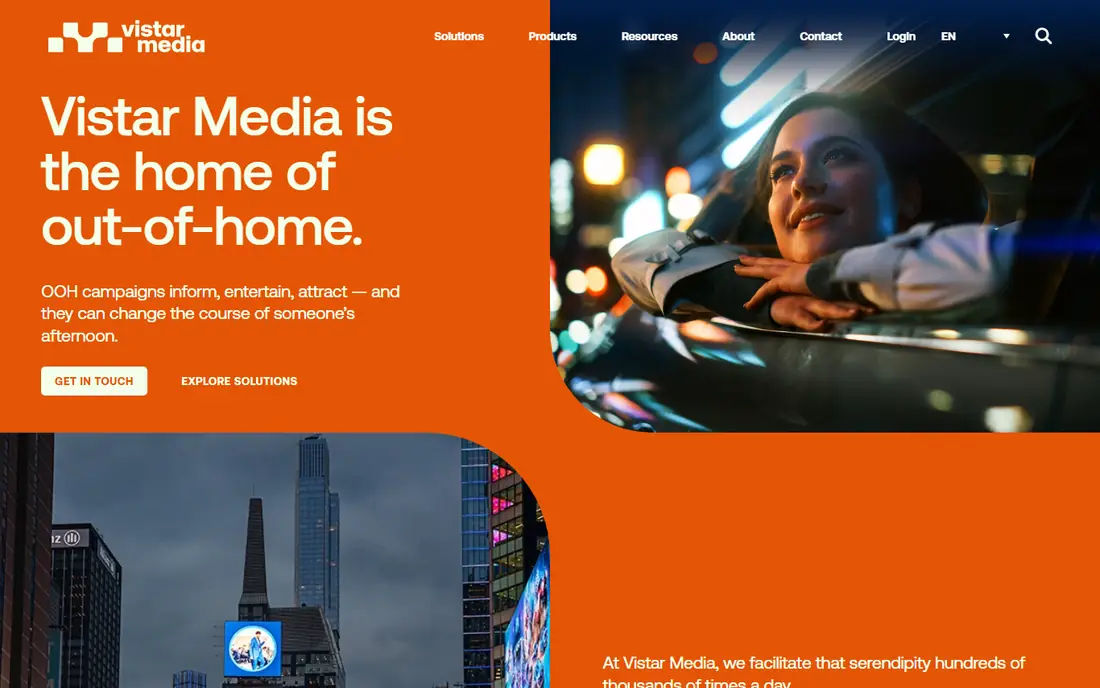
Vistar Media is one of the central names in programmatic DOOH. Its demand side platform lets buyers target screens by location, audience, and context, while its supply side tools help media owners sell inventory. T-Mobile acquired Vistar in 2025, and Vistar continues to operate as a DOOH platform with data and measurement built around its marketplace.
The trade off is access. Vistar suits agencies, brands, and trading desks that run regular campaigns and can work with programmatic workflows. A small local advertiser with a single billboard in mind will likely find a self-serve tool faster and cheaper.
- Large programmatic DOOH marketplace
- Audience and measurement tools
- Demand and supply side products
- Built for agencies and brands with real budgets
- Pricing is not published
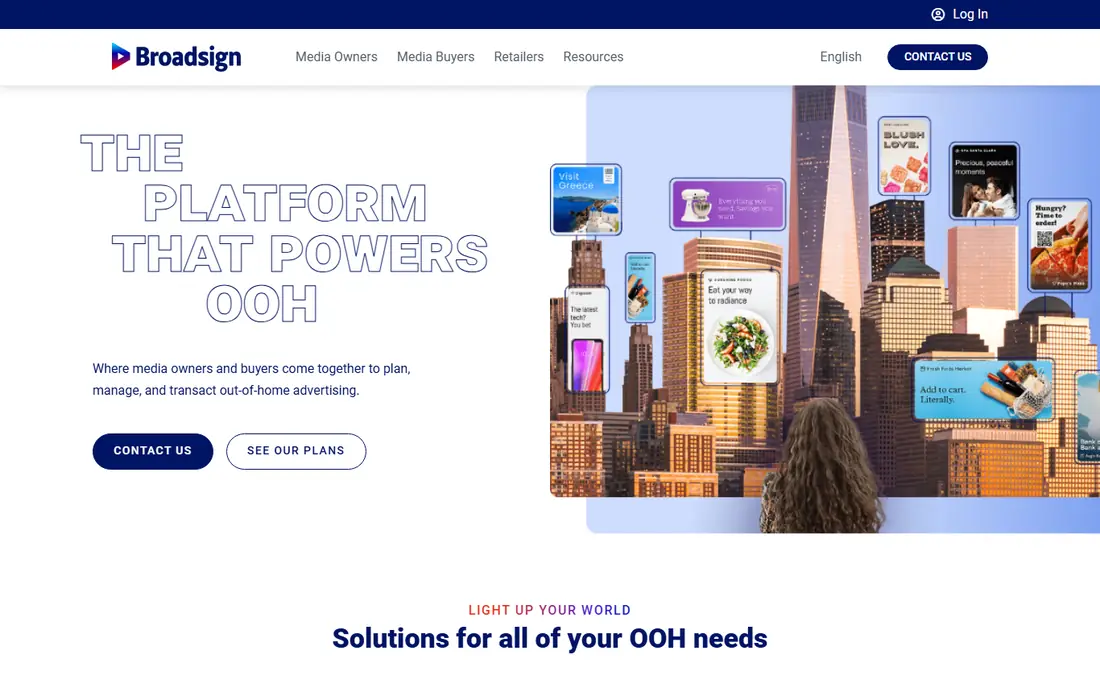
Broadsign covers more of the DOOH chain than most rivals. Media owners use it to manage screens and sell inventory, while buyers use Broadsign Ads to trade programmatically. Its acquisition of Place Exchange in November 2025 widened its supply network, with reports putting the combined reach at around 1.8 million screens worldwide.
That breadth comes with complexity. Broadsign is an enterprise platform, and smaller buyers may need an agency partner to use it well. If you own screens or buy at scale, it is a core platform to know. If you want one local campaign, start with a self-serve option instead.
- Full stack from content management to programmatic trading
- Very large screen network
- Acquired Place Exchange in 2025
- Enterprise focus
- Pricing and onboarding suit larger buyers and owners
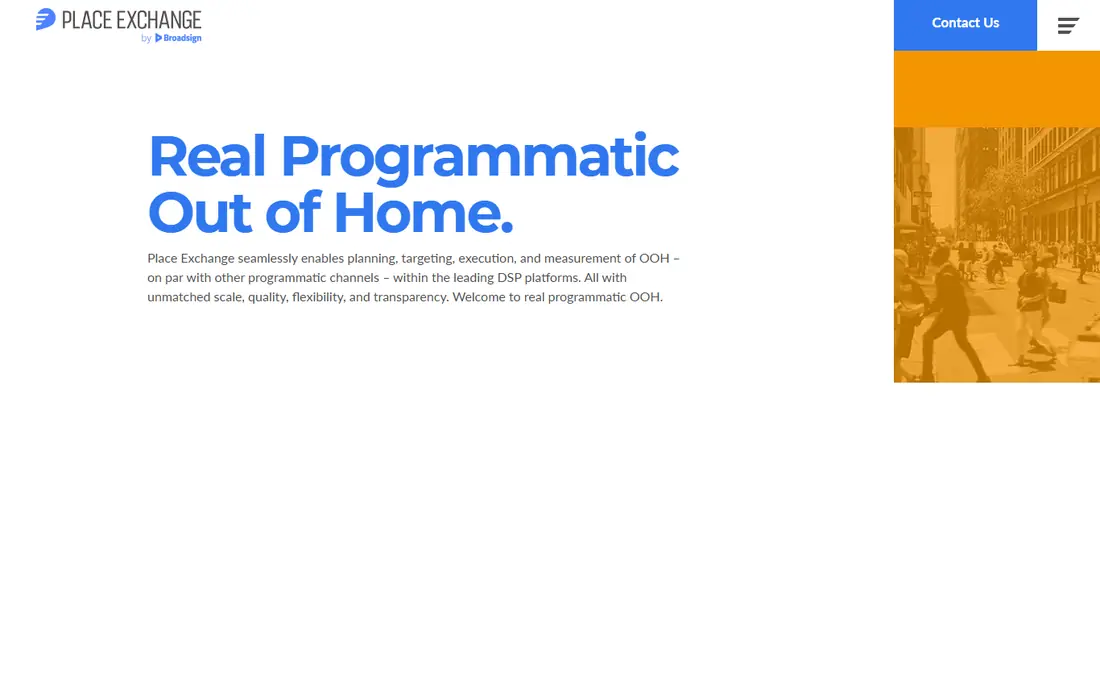
Place Exchange built its name as a supply side platform for programmatic DOOH, aggregating inventory from media owners and making it available through demand side platforms. Its strengths sit in place based video, transit, and retail screens, with measurement tools that help buyers judge campaign delivery.
Since Broadsign acquired Place Exchange in November 2025, buyers should check how it is packaged today. The inventory and integrations remain valuable, but the brand and product lines may shift under Broadsign ownership. Ask your DSP or agency which Place Exchange inventory is available for your market before planning around it.
- Strong place based and transit inventory
- Measurement tools
- Deep DSP integrations
- Now part of Broadsign, so its future packaging may change
- Buyer access usually runs through a DSP
AdQuick positions itself as a full stack DOOH platform, combining direct buying and programmatic access in one seat. That matters in cities such as New York, where inventory spans billboards, transit, street furniture, and place based screens from many owners. AdQuick also supports contextual triggers such as weather, traffic, and sports scores.
The limit is transparency on price. Campaign costs depend on inventory, market, and timing, so you need a quote or a platform walkthrough to budget. AdQuick suits buyers who run repeated campaigns and want one workflow, rather than a one off advertiser testing a single screen.
- Direct and programmatic buying in one platform
- Broad media owner access
- Planning and measurement tools
- Pricing is not published
- Best fit for buyers with ongoing campaigns
OneScreen.ai offers a marketplace for out of home advertising that spans traditional billboards and digital screens. Buyers can search inventory, plan a campaign, and work with the team on execution, which helps when you know your city and audience but not the media owners in that market.
The catch is that a marketplace still needs judgment. Screen quality, location, and timing vary widely, and a cheap screen in a weak spot can underperform a pricier screen in a strong one. Use the planning help on offer, and ask for photos, traffic context, and past delivery data before you commit budget.
- Marketplace across billboards and digital screens
- Campaign planning help
- Programmatic and direct options
- Pricing varies by campaign
- Smaller buyers may need guidance to use the marketplace well
Blip is the most approachable entry point in this list. Its self-serve platform lets local advertisers set a daily budget, upload creative, choose boards, and pay per display as their ads rotate with other advertisers. That model makes a digital billboard test possible without an agency or a large minimum spend.
The limit is inventory. Blip covers participating digital billboards, not every screen type in a city, and your ad shares rotation time with others. For a local launch, a sale, or a recruitment push, that trade off is often fine. For a national brand campaign, a programmatic platform will give wider reach.
- Self-serve buying with small budgets
- Pay per display model
- Easy campaign setup
- Limited to participating digital billboards
- Creative must meet board specs
Adomni aims to make DOOH approachable for small and local businesses. Its platform lets buyers search screens by location, set budgets, and launch campaigns without learning programmatic trading from scratch. That simplicity has made it a common first step for restaurants, clinics, gyms, and local services.
The weakness is depth. Adomni is easy to use, but it does not replace a full demand side platform for a large agency running complex audience and measurement work. Use it to test DOOH locally, then move to a programmatic platform when your campaigns grow in size and complexity.
- Simple buying flow for smaller brands
- Search by location and audience
- Campaign support
- Inventory and pricing vary by market
- Larger programmatic buyers may want deeper tools
VIOOH is JCDecaux's global programmatic DOOH platform, connecting buyers with digital screens across many countries. It suits international brands and agencies that want programmatic trading, audience targeting, and measurement in one workflow, with strong street furniture and transit inventory in its network.
The trade off is access for small buyers. VIOOH works through agencies and trading partners, so a single local advertiser will find it harder to use directly. If you run campaigns across several countries, that global structure is a strength. If you run one city campaign, a local self-serve tool will be faster.
- Global programmatic marketplace
- JCDecaux backed supply
- Trading and measurement tools
- Enterprise and agency focus
- Access usually runs through trading partners
How we picked these
We compared official product pages, industry coverage, and public platform descriptions checked in October 2026. We kept only DOOH platforms and services that operate today and that genuinely help buyers or media owners plan, buy, or measure digital screen campaigns. We weighted inventory breadth, buying ease, measurement tools, and fit for different budget sizes.
How to buy DOOH without wasting budget
Start with a clear goal and a single market. DOOH works best when the screen sits near the decision you want to influence, such as a store visit, a booking, or an event.
Choose the buying route first
Programmatic routes through Vistar, Broadsign, or VIOOH suit agencies and brands with ongoing spend and audience targets. Self-serve routes through Blip or Adomni suit local advertisers testing one city. Managed marketplaces such as OneScreen.ai suit buyers who want help with planning and execution. Pick the route that matches your budget and your team's trading skills.
Judge screens, not just prices
Ask for screen location, size, dwell time, and audience context, not just a rate card. A busy transit screen and a quiet roadside board can cost similar amounts and deliver very different results. Costs vary by inventory and market, and no platform can promise a set number of impressions, so build measurement into the plan with footfall, web traffic, or promo codes where possible.
Frequently asked questions
Where can I buy digital billboard ads as a small business?
Start with self-serve platforms such as Blip or Adomni, which let you set a budget and choose boards online. They suit local campaigns and small tests. For larger or repeated campaigns, talk to AdQuick, OneScreen.ai, or an agency that trades on Vistar or Broadsign.
How much does DOOH advertising cost?
Costs vary widely by city, screen type, location, and timing. A local digital billboard rotation can cost far less than a premium city center screen. Ask for a quote for your exact market and dates, and compare cost per thousand impressions where the platform reports it, rather than judging by headline price alone.
What is programmatic DOOH?
Programmatic DOOH uses automated trading to buy screen impressions, often through a demand side platform connected to supply side platforms such as Vistar, Broadsign, or Place Exchange. It allows audience targeting, dayparting, and contextual triggers. It does not promise a fixed audience, since delivery depends on auction, inventory, and timing.
Can I measure DOOH results?
Yes, with limits. Platforms report plays, impressions estimates, and delivery, and some offer footfall or sales lift measurement. Combine platform reports with your own signals such as website visits, calls, or promo code use. Treat impression estimates as modeled figures, not exact headcounts.
Do I need an agency for DOOH?
Not for a small self-serve campaign. For a large, multi-city, or programmatic campaign, an agency or trading desk adds value in planning, negotiation, and measurement. If you use an agency, ask how inventory is chosen, how fees are charged, and what delivery reporting you will receive.
Sources
See where you really rank - block by block
ProMapRanker scans Google Maps across a grid of your service area. Simple monthly plans from $19, white-label on every plan.
Start freeKeep reading
 worlds best local seo company
8 Worlds Best Local SEO Companies for Map Pack Growth in 2026
Compare the worlds best local seo company options for Google Business Profile work, citations, reviews, and multi-location rankings and reporting in 2026.
Read → world's best web hosting company
World's Best Web Hosting Company in 2026
Searching for the world's best web hosting company? We compared 10 hosts on price, renewal rates, speed, and support to help you choose well today in 2026.
Read → who's got the best nanny tax services
Who's Got the Best Nanny Tax Services in 2026
We answer who's got the best nanny tax services, comparing full filing, back taxes, software, and pricing so families can handle nanny taxes correctly.
Read →