 ProMapRanker
What Is the Best Weight Loss App for Medication in 2026

Key takeaways
- Ro, Found, Calibrate, Form Health and Mochi Health combine medication care with coaching, while Noom, Cronometer and Lose It focus on tracking and habits.
- Medication programs usually charge a monthly membership plus medication cost, and insurance cover varies widely, so check the total before you join.
- Tracking apps help with protein, food logging and weight trends, which matter when appetite is lower and portions are smaller.
- No app can decide if medication is right for you. That decision belongs with a clinician who knows your history and other medicines.
- This article is general information only, not medical advice. Talk to a clinician about side effects, eligibility and stopping or changing medication.
Quick comparison
| Pick | Great for | Pricing starts at | Free tier | |
|---|---|---|---|---|
 Ro Body | Medication plus coaching | See website | No | Visit |
 Found | Coaching plus medication care | See website | No | Visit |
 Calibrate | Long-term program | See website | No | Visit |
 Form Health | Insurance-friendly care | See website | No | Visit |
 Mochi Health | Insurance navigation | See website | No | Visit |
 Noom | Habit coaching and tracking | See website | Free trial | Visit |
 Cronometer | Detailed food tracking | Free | Yes | Visit |
 Lose It | Simple calorie tracking | Free | Yes | Visit |
The best weight loss app for medication
This article covers two kinds of help: programs that provide clinician care and medication, and tracking apps that support daily habits alongside medication. The right mix depends on whether you already have a prescriber, whether you want coaching, and how much tracking you will actually do. Medication decisions belong with a clinician, and this article does not replace that advice.
General information only, not medical advice. Weight loss medicines can have side effects and risks, and they are not suitable for everyone. Tell your regular clinician about any program you join, especially if you have other conditions or take other medicines.
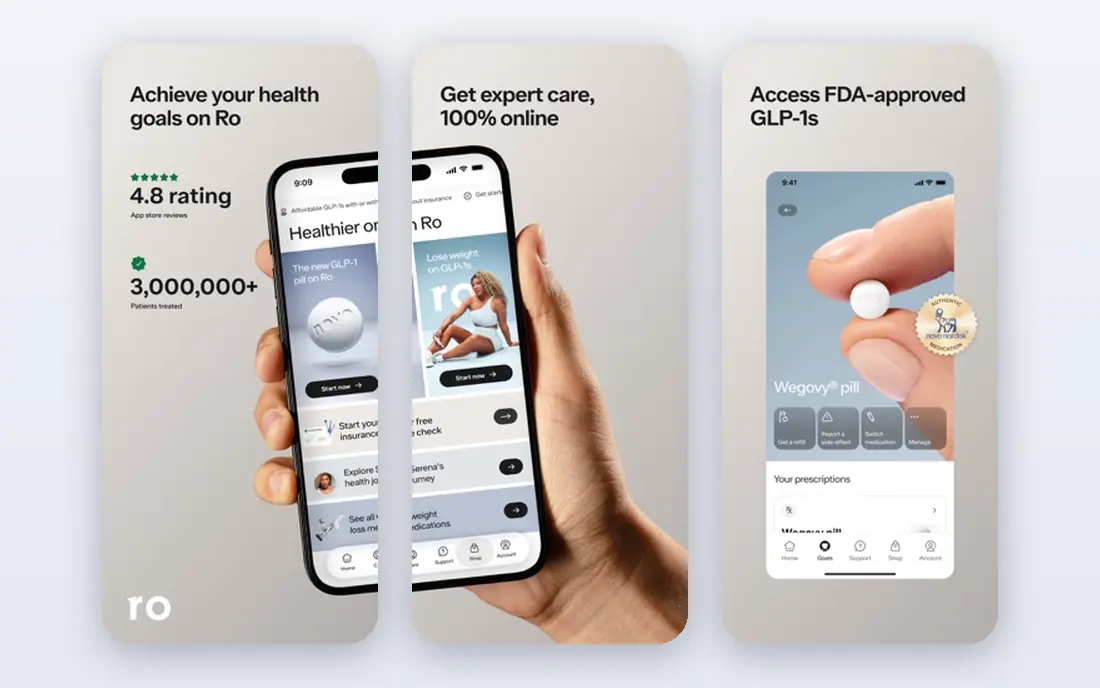
Ro Body combines clinician care, GLP-1 medication where appropriate, coaching and app tracking in one program. Members get provider support, help with insurance checks and a structured plan that includes food, activity and side effect support. That combined approach suits people who want medication and ongoing guidance, not just a prescription alone.
Cost is the main limit. Membership is charged monthly, medication is extra, and insurance cover varies, so the total can be high without cover. Availability also varies by state, and eligibility depends on a clinician review. For users who want a full program with coaching and insurance help, Ro is a strong, well-known option.
- Clinician care plus coaching
- Insurance help
- App tracking and support
- Monthly membership plus medication cost
- Availability varies by state
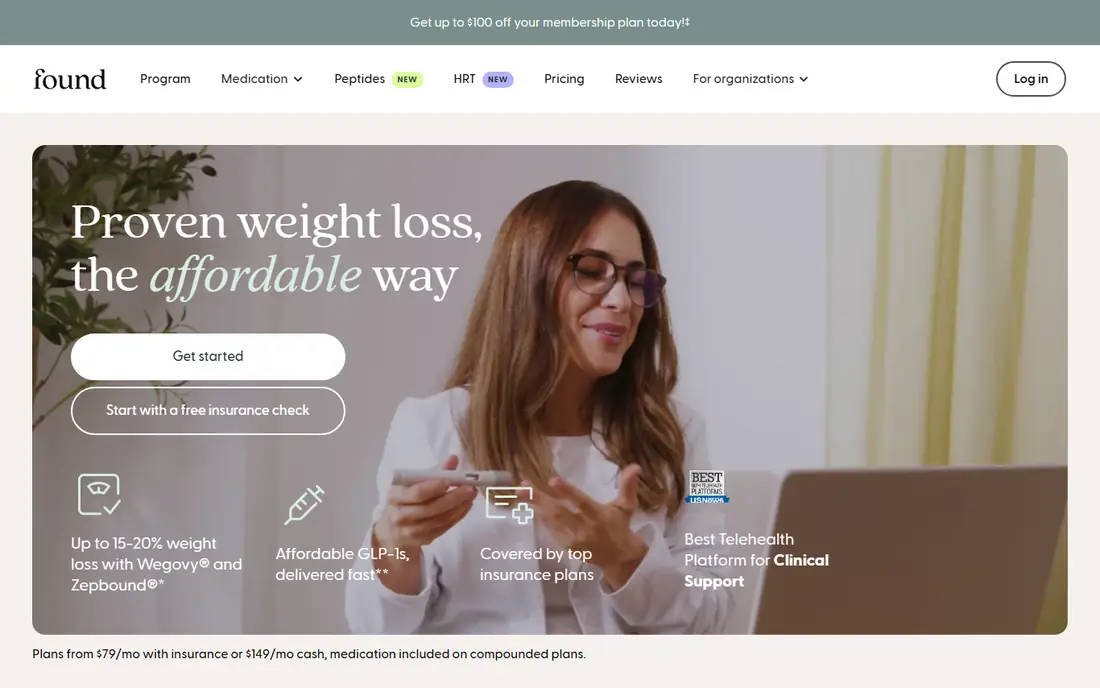
Found offers a weight care program that combines clinician care, medication where appropriate, and coaching focused on habits, sleep, stress and food. Members get a personalised plan and ongoing check-ins, with support for side effects and dose changes through the care team. That coaching layer suits people who want help with daily habits alongside medication.
Found charges a monthly program fee plus medication cost, and insurance cover varies. Engagement matters too, since coaching only helps if members use it. For users who want a coaching-led program with clinician care, Found is a solid alternative to Ro, with a slightly different emphasis on behaviour.
- Clinician care plus behavioural coaching
- Medication options where appropriate
- Community support
- Monthly cost plus medication
- Results depend on ongoing engagement
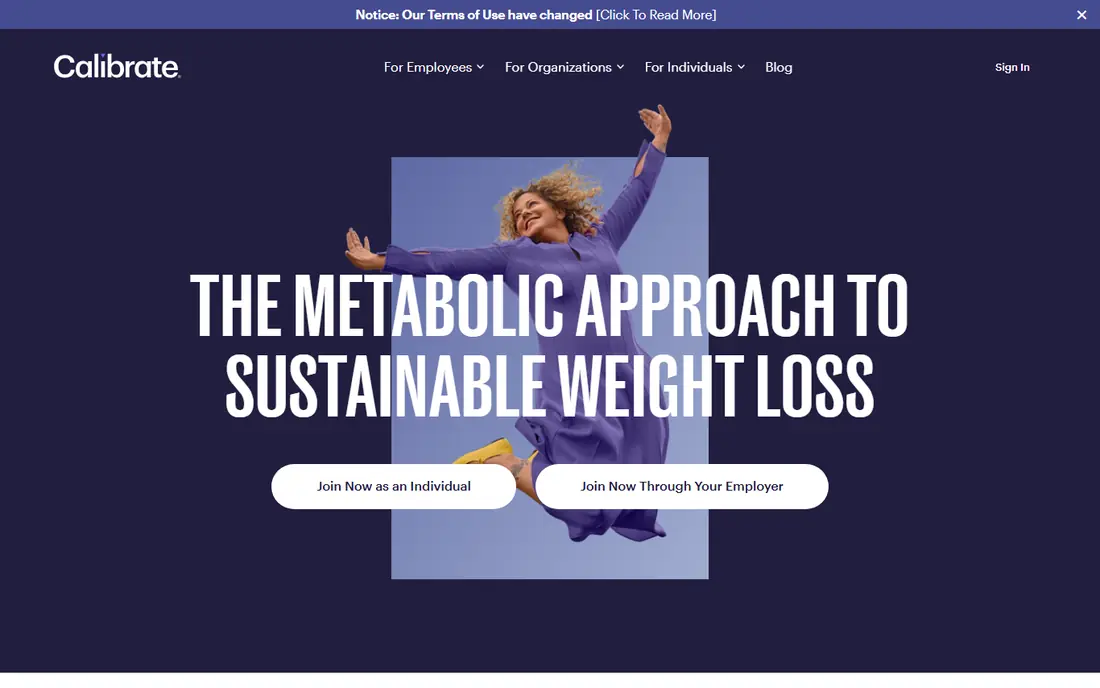
Calibrate offers a year-long program that pairs clinician care for GLP-1 medication with accountability coaching, food, sleep and activity tracking. The long timeframe suits people who want sustained support rather than a short trial, and the program focuses on metabolic health and habit change alongside medication. Lab testing may be part of the intake, depending on the plan.
Calibrate charges a monthly program fee, with medication cost extra and insurance handling varying by plan. The year-long commitment and higher monthly cost are real limits, especially without insurance cover. For users who want a structured, long-term program with coaching, Calibrate is a distinctive option.
- Year-long structured program
- Clinician care
- Accountability coaching
- Higher monthly program cost
- Medication cost is extra
- Lab work may be required
Form Health provides clinician-led weight care, with doctors, dietitians and care teams working on a personalised plan that may include medication where appropriate. Its model is often described as insurance-friendly, since many members use insurance for visits, with a self-pay option for those without cover. That focus suits users who want medical care first, with nutrition support alongside it.
Self-pay cost can be high, and availability and plan details vary. Form Health is also more clinical than a simple tracking app, so users who only want food logging may find it more than they need. For users who want doctor-led care and insurance navigation, Form Health is a strong choice.
- Clinician-led care
- Insurance-friendly model
- Personalised nutrition support
- Self-pay cost is high
- Availability varies
- Program structure varies by plan
Mochi Health offers clinician care for weight loss medication, with help navigating insurance, plus nutrition support and ongoing check-ins. The insurance navigation focus is useful, since GLP-1 cover is often complex and requires prior authorisation. Members get a care team, medication management where appropriate, and tools for tracking progress.
As with other programs, monthly cost plus medication applies, and availability varies by state and insurance plan. Mochi suits users whose main barrier is insurance paperwork and cost, rather than a lack of coaching alone. Check eligibility, plan terms and total cost before joining.
- Clinician care
- Insurance navigation help
- Nutrition and support tools
- Monthly cost plus medication
- Availability varies by state
Noom is a behaviour-change program with daily lessons, food tracking, habit coaching and a GLP-1 companion option for members on medication. Its strength is psychology-based content that helps users build routines around food, activity, stress and sleep, rather than focusing on calories alone. The companion features add medication tracking and side effect support for members using a GLP-1 program.
Noom is not a prescriber by itself in the same way as Ro or Found, so users who need medication still need clinician care, either through Noom medical programs where offered or through their own clinician. Monthly cost also varies by plan and promo. For users who want habit coaching alongside medication, Noom is a strong support app, provided the medical side is handled separately where needed.
- Daily psychology-based lessons
- Food tracking
- GLP-1 companion support
- Monthly cost varies by plan
- Coaching is group-based rather than one-to-one medical care
Cronometer is a detailed food and nutrition tracker, with accurate nutrient data, barcode scanning, custom meals and weight trends. For medication users, protein and fibre tracking matter, since smaller portions can make it easy to under-eat protein, and Cronometer makes those nutrients visible. The free tier covers core tracking, which is enough for many users to start.
The interface is more detailed than Lose It, which can feel busy for beginners. Full trend and analysis features need a paid plan, though core logging remains free. Cronometer does not provide medical care or coaching, so it works best as a tracking companion to a clinician-led program or to Noom-style habit support.
- Detailed nutrition data
- Protein and fibre tracking
- Barcode scanning
- Interface is detailed for beginners
- Full features need a paid plan
Lose It is a simple, popular calorie and weight tracker, with food logging, barcode scanning, goals and a clear weight timeline. Its simplicity is the point: users who find detailed nutrient apps overwhelming can still log meals, watch portions and track weight trends without extra complexity. The free tier covers core logging for most users.
Lose It is less detailed for protein, fibre and micronutrients than Cronometer, so medication users who need close protein tracking may prefer Cronometer or pair Lose It with a clinician plan. Premium adds extra features, but it is not needed to start. For straightforward tracking alongside medication, Lose It is an accessible and low-friction choice.
- Simple food logging
- Barcode scanning
- Weight timeline and goals
- Less detailed nutrient data than Cronometer
- Premium features are paid
How we picked these
We compared official program pages, pricing pages and app listings for weight loss programs and tracking apps live in October 2026. We separated clinician-led medication programs from tracking and coaching apps, since they serve different needs, and we checked membership cost, medication cost, insurance handling and coaching type. We avoided programs that promised specific weight outcomes or that hid medication costs, and we kept safety notes plain. We did not claim hands-on testing, and we treated program prices as changing terms to verify at checkout.
How to choose between a program and a tracking app
Start with your medical situation. If you do not yet have a prescriber and you are considering medication, a clinician-led program such as Ro, Found, Calibrate, Form Health or Mochi Health is the relevant first step, with a clinician review deciding eligibility. If you already have a prescriber, a tracking app such as Cronometer or Lose It, plus habit coaching from Noom where useful, may be enough support.
Next, check total cost and insurance. Ask for the monthly membership, medication cost, lab costs and cancellation terms in writing, and confirm insurance cover before you join. Finally, test tracking for two weeks. The best app is the one you will actually log in daily, with protein, weight and side effects visible, so you and your clinician can review progress together.
Frequently asked questions
What is the best weight loss app for medication?
There is no single best app, since it depends on whether you need clinician care, coaching or tracking alone. Ro, Found and Calibrate suit medication plus coaching, while Cronometer and Lose It suit tracking alongside a prescriber you already have.
Can a tracking app replace a clinician for weight loss medication?
No. Tracking apps help with food, protein and weight trends, but they cannot prescribe, adjust doses or assess side effects. Medication decisions, dose changes and stopping medication belong with a clinician.
Does insurance cover GLP-1 weight loss programs?
Sometimes, with prior authorisation, and many plans do not cover them. Programs such as Ro, Form Health and Mochi Health offer insurance checks, but cover is not guaranteed, so confirm your plan before you join.
What should I track while on weight loss medication?
Weight, food intake, protein, side effects, sleep and activity are useful to track, and sharing that record with your clinician helps with reviews. If side effects are severe or worrying, contact your clinician promptly rather than waiting for a routine check-in.
What happens if I stop weight loss medication?
Ask your prescriber before you stop, since stopping can affect weight, appetite and other health factors. A program with coaching and a maintenance plan can help you keep habits after medication ends, but that plan should be agreed with your clinician.
Sources
See where you really rank - block by block
ProMapRanker scans Google Maps across a grid of your service area. Simple monthly plans from $19, white-label on every plan.
Start freeKeep reading
 zscaler alternatives
Best Zscaler Alternatives in 2026
Looking for zscaler alternatives? We compare 9 SASE and zero trust platforms on architecture, data protection, pricing, and fit for your network and team.
Read → zapier alternatives free
Best Zapier Alternatives Free in 2026
Nine automation tools for zapier alternatives free in 2026, all with genuinely free tiers, plus free plan limits, starting prices and upgrade paths explained.
Read → which platform is best for online reputation
Which Platform Is Best for Online Reputation in 2026
Wondering which platform is best for online reputation? We compare 8 review, listing, and response tools for small and multi-location businesses and agencies.
Read →