 ProMapRanker
What Is the Best Cost-Effective Database Software in 2026

Key takeaways
- PostgreSQL, MySQL, MariaDB, and SQLite cost nothing for the core software, so hosting and staff time are the real costs.
- MongoDB Community and SQL Server Express give free self-hosted options for document data and Windows shops.
- Supabase and CockroachDB free tiers suit teams that want managed hosting without an early bill.
- Cost-effective means total cost, including backups, monitoring, upgrades, and support, not just the licence price.
Quick comparison
| Pick | Great for | Pricing starts at | Free tier | |
|---|---|---|---|---|
 PostgreSQL | General apps at no licence cost | Free | Yes | Visit |
 MySQL Community | Web apps at no licence cost | Free | Yes | Visit |
 MariaDB | Open MySQL alternative | Free | Yes | Visit |
 SQLite | Local and embedded apps | Free | Yes | Visit |
 MongoDB Community | Document data at no licence cost | Free | Yes | Visit |
 Microsoft SQL Server Express | Windows shops on a budget | Free | Yes | Visit |
 Supabase | Managed Postgres with a free tier | Free | Yes | Visit |
 CockroachDB | Distributed SQL with a free tier | Free | Yes | Visit |
The best cost-effective database software
Cost-effective database software keeps licence costs low without leaving you with an unmaintainable system. That usually means free open source software, a generous free tier, or a low-cost managed plan, plus honest budgeting for hosting, backups, and support. The cheapest licence is not always the cheapest system.
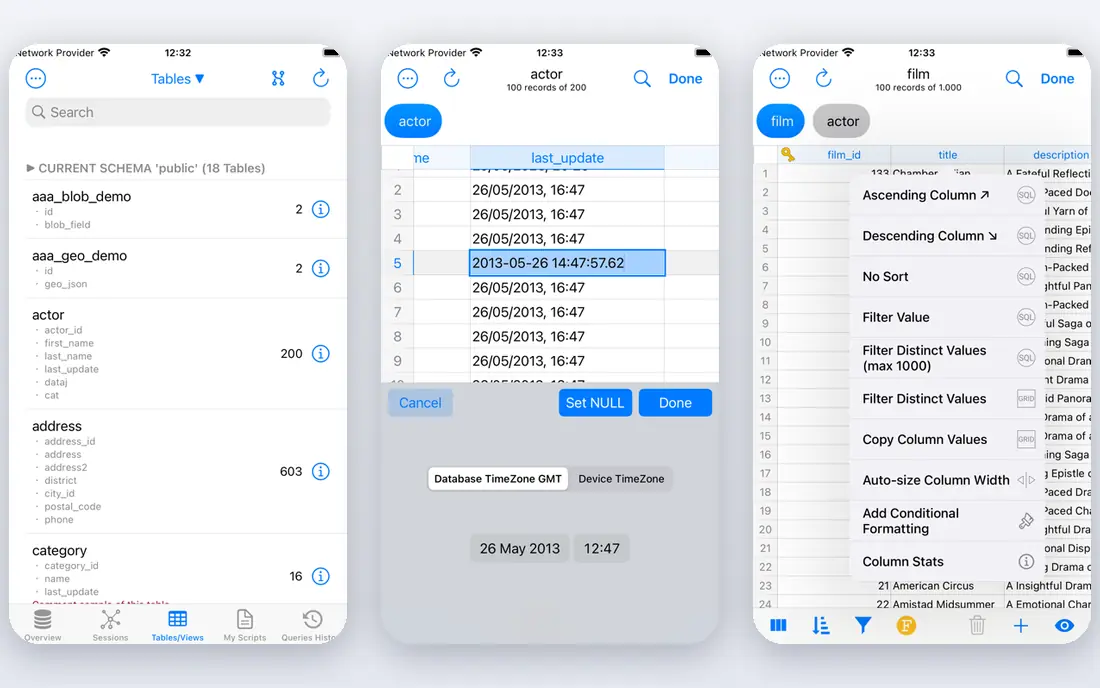
PostgreSQL is the best cost-effective choice for most general apps. The software is free under an open licence, with no per-user or per-core fee for the core database. It handles relational data, JSON, full-text search, and location data through extensions, so one database can serve many app types.
Your costs are a server, storage, backups, and the time to maintain them. Managed PostgreSQL hosting can remove much of that work for a monthly fee, which may still be cheaper than a commercial licence. For a team with a developer, PostgreSQL gives enterprise-grade features at hosting cost only.
- Free open source core
- Strong SQL and JSON support
- Long support life per major version
- Hosting and operations are your cost
- Major upgrades need planning
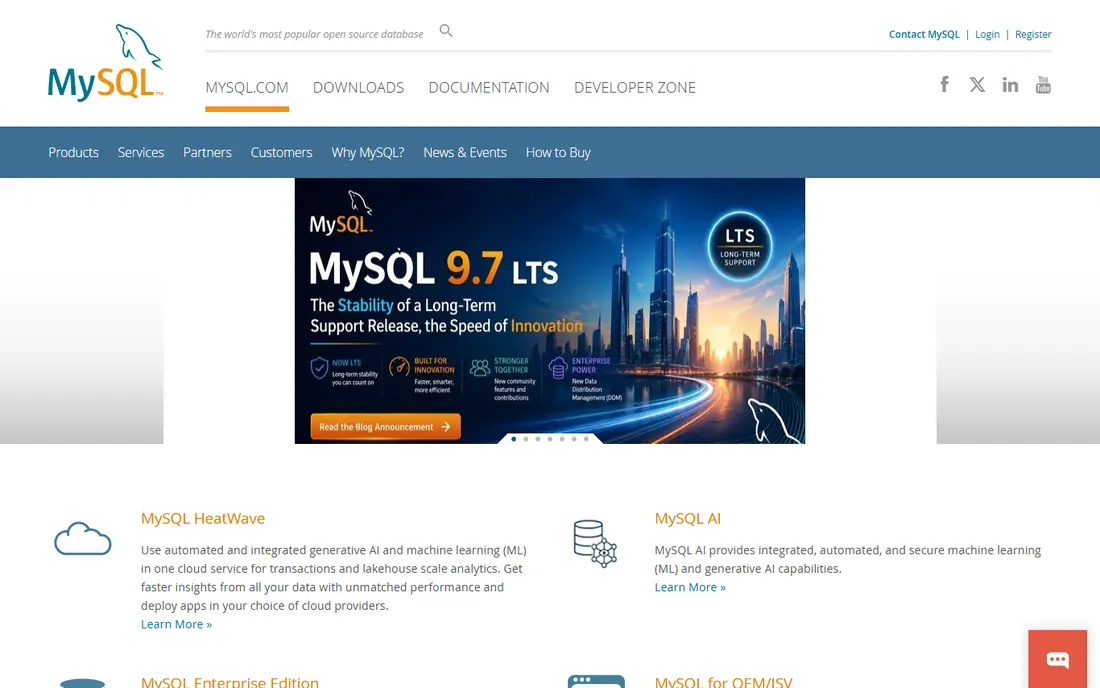
MySQL Community Edition is free and open source, and it powers a huge share of websites and internal apps. Hosting is cheap and widely available, tools are plentiful, and developers rarely need training to use it. That combination keeps both setup and running costs low.
Paid Standard and Enterprise editions add monitoring, backup, and security features on subscription, but most small apps do not need them at first. If you distribute MySQL inside a commercial product, check the licence terms. For a typical web app, Community Edition is a proven low-cost pick.
- Free Community Edition
- Huge tool and hosting support
- Familiar to web developers
- Enterprise features need paid editions
- Licence terms need checking for commercial distribution
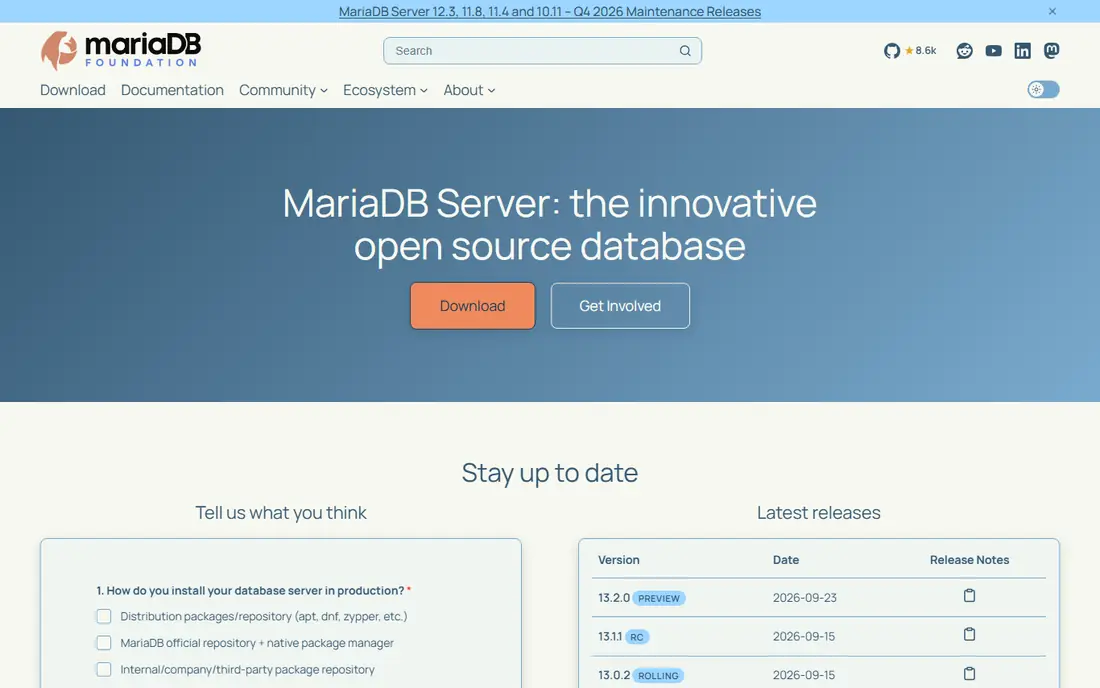
MariaDB offers a free, community-governed alternative with broad MySQL compatibility. Many apps and tools work with little change, and hosting costs are similar to MySQL. Its storage engines and replication options give teams room to tune for read-heavy or write-heavy work.
Test compatibility before a full migration, since some MySQL-specific features differ. Commercial support is available separately if you want a support contract without a licence fee. For teams that prefer open governance and no licence cost, MariaDB is a strong choice.
- Free open source core
- Largely compatible with MySQL tools
- Community governed
- Some MySQL features differ
- Commercial support is separate
SQLite is the lowest-cost database in this list for the right workload. There is no server to host, no licence to buy, and backups are file copies. Mobile apps, desktop tools, and prototypes can ship with SQLite built in, which removes infrastructure cost entirely.
It is not a shared server database. Heavy concurrent writing belongs on PostgreSQL, MySQL, or a similar system. For a local app, a single-user tool, or a prototype that may later move to a server database, SQLite keeps costs at zero.
- Free and serverless
- No server hosting cost
- Whole database in one file
- Not for many simultaneous writers
- No built-in user management
MongoDB Community Server can be self-hosted for free, which makes it cost-effective for document data. Product catalogues, content feeds, and apps with changing fields benefit from the flexible document model, since a new field does not always need a migration. Replica sets add availability without a licence fee.
Costs appear in operations. Index design, memory sizing, and backups still need attention, and a managed Atlas plan may be cheaper in staff time for a small team. For a team comfortable running a server, Community Server keeps document database costs low.
- Free Community Server for self-hosting
- Flexible document model
- Replica sets for availability
- Index and memory tuning matter
- Schema freedom needs validation rules
SQL Server Express is free, with a database size limit that suits small apps, learning, and local development. Windows and .NET teams can use familiar tools and skills, which lowers training cost. It is a practical way to start on SQL Server without a licence bill.
The size limit and missing enterprise features mean larger apps must move to a paid edition. Plan that step early if data growth is fast. For a small Windows app, Express gives a free, supported starting point.
- Free Express Edition
- Deep .NET integration
- Familiar management tools
- Database size limit
- Larger workloads need paid editions
Supabase hosts PostgreSQL and adds authentication, storage, and APIs, so a small team can build an app without managing a server. The free tier suits prototypes, side projects, and small internal tools, with usage limits that keep it honest about scale.
Paid plans are needed as data, users, and bandwidth grow, so check the limits against your expected traffic. Since the core is Postgres, moving data out is more straightforward than with a proprietary database. For a team that wants managed hosting at no early cost, Supabase is a strong pick.
- Free tier with hosted Postgres
- Auth, storage, and APIs included
- Open source core
- Free tier limits apply
- Larger projects need a paid plan
CockroachDB is a distributed SQL database that suits apps needing resilience across regions or nodes. Its free tier lets small teams try managed distributed SQL without an early bill, and its Postgres compatibility helps with many existing tools and queries.
A simple single-server app does not need distributed features, and the added complexity can raise operations cost. For an app that must stay available across failures or regions, CockroachDB gives that strength at a low starting cost.
- Free tier for managed use
- Distributed SQL with strong consistency
- Postgres compatible in many cases
- Distributed setup is complex for simple apps
- Paid plans for larger scale
How we picked these
We compared official licence terms, free tiers, and pricing pages, and weighed licence cost against hosting, operations, and migration costs. We favoured software that exists and works today, with a free core or a genuine free tier, and we avoided trial-only offers presented as free.
Choosing the right low-cost database
Work out total cost before choosing. Add hosting, storage, backups, monitoring, and staff time to the licence price. A free database on a server you cannot maintain can cost more in outages than a modest managed plan. A paid managed tier can be cheaper than hiring a specialist for a small team.
Match the data model to the app. Relational data with strict rules points to Postgres, MySQL, MariaDB, or SQL Server Express. Flexible documents point to MongoDB. Local work points to SQLite. A managed Postgres start points to Supabase, while distributed needs point to CockroachDB.
Test with real data volume and a restore drill. Load a realistic data set, run the slowest queries, and restore a backup to a test server. Those two tests reveal more about cost than any pricing page. Revisit the choice yearly, since usage limits and team skills change.
A useful way to compare low-cost options is to price a full year, not just the first month. Include hosting or managed plan fees, backup storage, monitoring tools, and the hours your team will spend on patching and upgrades. A free database that needs weekly attention from a senior developer may cost more than a modest managed plan that runs itself. Set a review date after six months, when real usage is known, and be ready to move a workload if limits, performance, or support no longer fit. Keeping data portable from the start makes that review far less painful.
Frequently asked questions
What is the cheapest database software?
PostgreSQL, MySQL Community, MariaDB, and SQLite are free for the core software. Your remaining costs are hosting, storage, backups, and staff time, which vary by setup.
Is a free tier really free?
A genuine free tier lets you run a small project at no charge within stated limits. Trial-only offers and one-time credits are not free tiers, so check limits, expiry, and what happens when you exceed them.
Should a small business self-host or use a managed tier?
Self-hosting is cheaper in licence terms but needs maintenance skills. A managed free or low-cost tier suits teams without database staff, since patching and backups are handled for you.
Can I switch databases later?
Often yes, but migration takes work for schemas, queries, and data types. Postgres-compatible tools ease some moves, while document and relational models need more rework.
How do I keep a free database safe?
Restrict network access, use least-privilege accounts, encrypt backups, patch on schedule, and test restores. Free software still needs the same security discipline as paid software.
Sources
See where you really rank - block by block
ProMapRanker scans Google Maps across a grid of your service area. Simple monthly plans from $19, white-label on every plan.
Start freeKeep reading
 what’s the best risk software for enterprises
What Is the Best Risk Software for Enterprises in 2026
We compared what’s the best risk software for enterprises on risk registers, controls, third-party risk, and reporting, with pricing notes for large teams.
Read → what's the best pam software for enterprises
What is the Best PAM Software for Enterprises in 2026
Find what's the best pam software for enterprises, with vaulting, session recording, just in time access and pricing compared for large enterprise IT teams.
Read → what’s the best grc software
What Is the Best GRC Software in 2026
We compared what’s the best grc software on risk, compliance, audit and vendor risk, so teams can pick a platform that fits their frameworks and budget.
Read →