 ProMapRanker
What Is the Best Blockchain Service in 2026


Managed enterprise networks on AWS · Pricing starts at: See website
Key takeaways
- This article reads the question as a search for blockchain service platforms and providers, including blockchain as a service and infrastructure, not as a single coin or token.
- The best choice depends on the job: managed nodes, private enterprise networks, public app infrastructure, or open-source frameworks.
- Managed services save node-running work, while open-source frameworks give more control and need more in-house skill.
- No service here guarantees returns, and no token price promise is made, since a platform choice does not make an investment safe.
Quick comparison
| Pick | Great for | Pricing starts at | Free tier | |
|---|---|---|---|---|
| Amazon Managed Blockchain | Managed enterprise networks on AWS | See website | No | Visit |
 Kaleido | Managed enterprise blockchain platform | See website | Free trial | Visit |
 Chainstack | Managed nodes and RPC | $49 per month | Yes | Visit |
 Alchemy | Public app infrastructure | $49 per month | Yes | Visit |
 Infura | Ethereum app infrastructure | $50 per month | Yes | Visit |
 Hyperledger Fabric | Private permissioned networks | Free | Yes | Visit |
 Hyperledger Besu | Enterprise Ethereum networks | Free | Yes | Visit |
 R3 Corda | Regulated financial networks | See website | No | Visit |
The best blockchain services
We read this question plainly as a search for blockchain service platforms and providers, covering blockchain as a service and infrastructure. That reading is stated here in the intro, since the phrase alone could mean many different things. We compared official product pages, service scopes, pricing, and public reviews, and we make no claim about guaranteed returns or token prices.
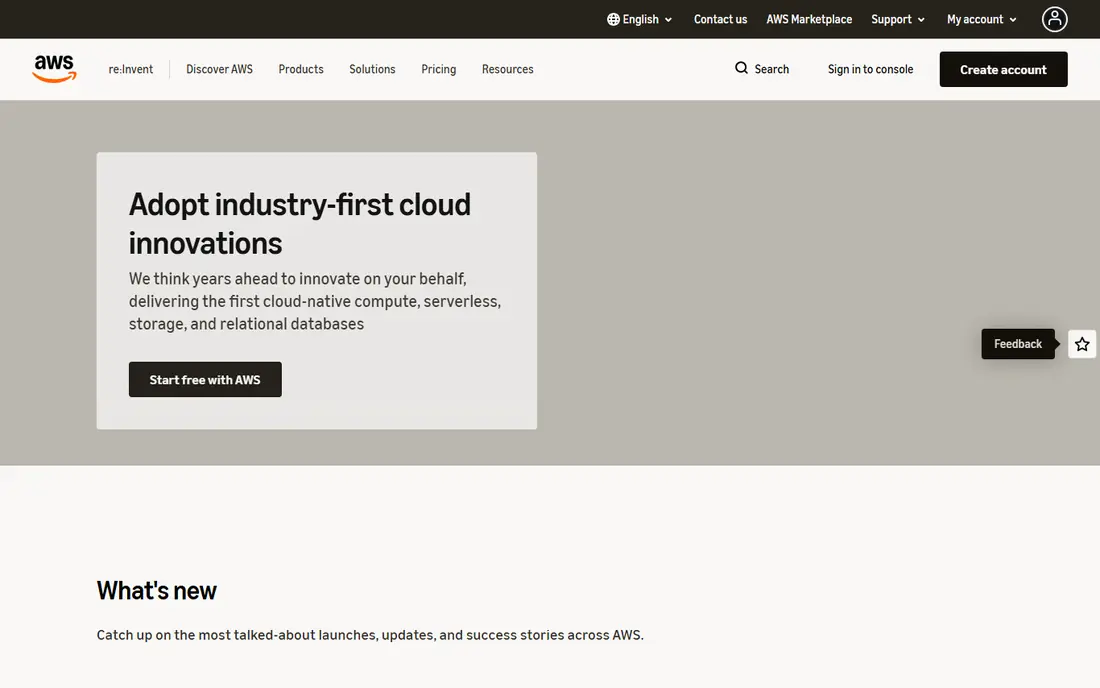
Amazon Managed Blockchain suits enterprises that want a managed blockchain network without running nodes and ordering hardware themselves. It supports managed network creation, scaling, and monitoring inside AWS, alongside the wider AWS data and security services that many large firms already use. For a team building a multi-party ledger for supply chain or finance, that integration is a practical benefit.
The downside is lock-in and cost forecasting. Usage-based pricing across nodes, storage, and data transfer can be hard to predict before a pilot, and a team with no AWS footprint may find a simpler managed platform easier to start with. Run a small pilot, measure the monthly bill, and only then scale the network.
- Managed network setup and scaling on AWS
- Fits teams already using AWS services
- Ledger options for different use cases
- Pricing is usage-based and needs careful forecasting
- Best value appears for teams already committed to AWS
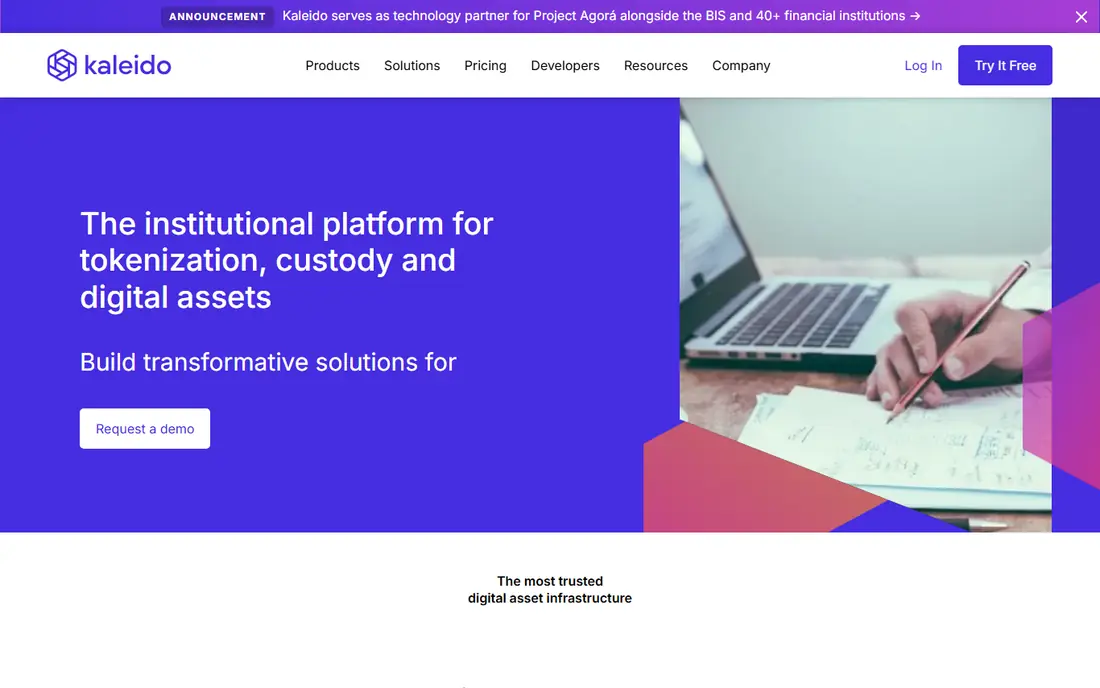
Kaleido is a managed blockchain platform built for businesses that want to launch a network without building the plumbing first. Its console handles network setup, node management, and member onboarding, which helps consortia where several organisations must join the same network. APIs and integration tools then connect that network to existing business systems.
The trade-off is enterprise focus. A solo developer building a public app will likely prefer a public RPC provider, while a consortium or a regulated business will get more value from Kaleido controls. Ask for a trial, test member onboarding with a real partner organisation, and confirm the pricing tier before a full rollout.
- Managed blockchain networks with a clear console
- Enterprise and consortium features
- API and integration tools
- Pricing is quote-based for larger use
- Smaller teams may find enterprise features more than they need
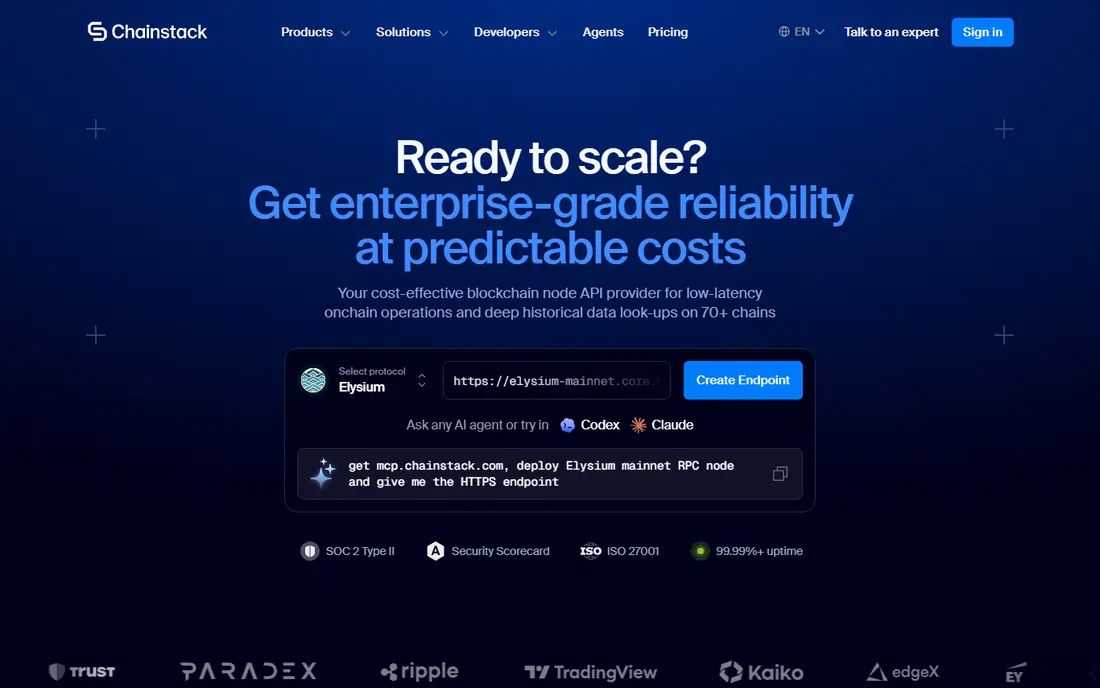
Chainstack bridges managed blockchain services and public app infrastructure. Teams can run managed nodes, use elastic RPC endpoints, or deploy dedicated nodes, all from one platform, with global routing to keep latency down. Its request-based pricing, at one unit per ordinary call, also makes budgeting simpler than weighted-unit models.
The limit is feature gating on lower tiers. Archive data and detailed logs start on paid plans, so an analytics product should budget for that tier from the start. For a team that needs managed nodes without hiring node operations staff, Chainstack remains a strong, practical pick.
- Managed nodes and global RPC endpoints
- Request-based pricing that is easy to model
- Broad chain support
- Archive and advanced analytics sit on higher plans
- Dedicated nodes cost more than shared endpoints
Alchemy is often the first platform a public app team reaches for, because it adds an application layer on top of node access. Token and NFT APIs, webhooks, and dashboards turn raw chain data into screens and alerts without building an indexer. That saves weeks for a wallet, marketplace, or analytics app team.
Cost modelling is the work to do here. Compute units are weighted by method, so a heavy log scan costs more than a simple read, and a busy launch can burn the free tier fast. Measure your top methods, set alerts, and keep a fallback provider for production traffic.
- Developer APIs for tokens, NFTs, and webhooks
- Dashboards and usage tools
- Broad chain coverage
- Compute unit billing can raise costs for heavy log work
- Free tier volume is lower than request-based rivals
Infura suits Ethereum-focused teams, especially those building around MetaMask. Its APIs, SDKs, and gas tools fit wallets and dApps that live in that ecosystem, and its long operating record gives production teams a known quantity. For steady daily traffic, the credit model is straightforward to plan.
Spiky traffic is the weakness again. Daily credits do not roll over, so a launch day can hit the ceiling while a quiet day leaves allowance unused. If your app has event-driven spikes, test on a paid plan and keep a second endpoint ready as a fallback.
- Long-running Ethereum infrastructure
- MetaMask ecosystem fit
- Stable API and SDK tooling
- Daily credit model punishes spiky traffic
- Chain coverage is narrower than multi-chain rivals
Hyperledger Fabric is not a hosted service, but a leading open-source framework for private, permissioned blockchain networks. Organisations that must control who can join, who can see each transaction, and how consensus works will find that control here. Private channels let two members transact without exposing details to the whole network, which suits supply chain and finance consortia.
The cost is skill, not licence fees. Running Fabric in production needs engineers who understand its ordering, peers, and certificate authorities, plus monitoring and backup work. Teams without that skill should use a managed Fabric offering, such as a cloud managed service, rather than running it alone.
- Open-source framework for private networks
- Permissioned access and private channels
- Modular design
- Needs in-house skill to run and maintain
- No vendor support unless bought separately
Hyperledger Besu is the enterprise Ethereum route to consider when a team wants Ethereum compatibility without a public network. It supports private networks with permissioning, and it can also connect to public Ethereum networks, which gives a team room to move between private pilots and public deployment. Its documentation and enterprise use make it a safer open-source choice than a little-known client.
As with Fabric, the software is free but the operations are not. Running Besu nodes, keeping them updated, and monitoring them takes staff time and cloud cost. Budget for that operations work, or use a managed Besu service, before promising a delivery date.
- Open-source Ethereum client for enterprise use
- Public and private network options
- Java-based and widely documented
- Needs operations skill and infrastructure
- Enterprise support is separate from the free software
R3 Corda is built for a different job from public app infrastructure. It focuses on multi-party workflows in regulated finance, where only the parties to a transaction need to see it, and where legal and regulatory requirements shape the design. Banks, insurers, and market infrastructure firms use Corda-style networks for settlement, trade finance, and asset workflows.
That focus is also its limit. A team building a public consumer app will find Corda heavy and narrow, while a regulated consortium will find its privacy model a good fit. Get a direct quote, test a workflow with real counterparties, and confirm how Corda connects to existing core systems before committing.
- Designed for regulated finance and multi-party workflows
- Privacy by design for transaction parties
- Enterprise support
- Narrower fit outside finance
- Pricing and licensing need a direct quote
How we picked these
We compared official product pages, service scopes, pricing, and public reviews for platforms and providers that offer blockchain as a service or blockchain infrastructure. We included managed services, public infrastructure providers, and open-source frameworks, because the question covers more than one kind of service. We excluded archived or retired enterprise routes, including ConsenSys Quorum and GoQuorum, and we point readers to Hyperledger Besu as the enterprise Ethereum route instead. We did not promise returns or token prices, and we did not claim hands-on testing.
How to choose the right kind of service
Start by naming the network type. A public consumer app needs public RPC infrastructure, a private consortium needs a permissioned framework or a managed consortium platform, and a regulated finance workflow needs a privacy-focused enterprise platform. Choosing the network type first narrows the list faster than comparing feature tables across unlike products.
Next, weigh operations skill against control. Managed services cost money but save node operations work, while open-source frameworks cost less in licences but need engineers, monitoring, and support. Finally, run a pilot with real data volumes and real counterparties, measure the monthly bill, and test failure handling before a full launch. A pilot that only tests happy-path transactions will hide the costs that matter.
Frequently asked questions
What is the best blockchain service overall?
There is no single best service, because the right choice depends on the network type and the job. Public apps usually fit Alchemy or Infura, private consortia fit Fabric, Besu, or a managed platform, and regulated finance fits Corda.
Is blockchain as a service the same as buying a token?
No. Blockchain as a service provides infrastructure to build and run blockchain apps, while buying a token is an investment decision with risk. This article covers services only, and it makes no investment recommendation.
Do I need to run my own node?
Not always. Managed services and RPC providers run nodes for you, which suits most app teams. Run your own node only when you need full control, custom configuration, or independence from a provider.
What happened to ConsenSys Quorum?
ConsenSys Quorum and GoQuorum are archived, so new projects should not start on them. Hyperledger Besu is the enterprise Ethereum route to consider instead, since it is actively maintained and widely documented.
Can a blockchain service guarantee returns?
No. A platform can help you build an app, but it cannot guarantee token prices, trading returns, or investment outcomes. Treat any service that promises returns as a warning sign.
Sources
See where you really rank - block by block
ProMapRanker scans Google Maps across a grid of your service area. Simple monthly plans from $19, white-label on every plan.
Start freeKeep reading
 worlds best local seo company
8 Worlds Best Local SEO Companies for Map Pack Growth in 2026
Compare the worlds best local seo company options for Google Business Profile work, citations, reviews, and multi-location rankings and reporting in 2026.
Read → world's best web hosting company
World's Best Web Hosting Company in 2026
Searching for the world's best web hosting company? We compared 10 hosts on price, renewal rates, speed, and support to help you choose well today in 2026.
Read → who's got the best nanny tax services
Who's Got the Best Nanny Tax Services in 2026
We answer who's got the best nanny tax services, comparing full filing, back taxes, software, and pricing so families can handle nanny taxes correctly.
Read →