 ProMapRanker
Best Tumblr Alternatives in 2026

Key takeaways
- Pillowfort is the closest match to Tumblr's reblogs, communities, and per-post visibility controls.
- WordPress.com suits bloggers who want search traffic, custom domains, and long-term ownership of their work.
- Mastodon and Bluesky fit social, chronological posting, but each has a different network and discovery style.
- Dreamwidth and Micro.blog suit journal-style and independent bloggers who value control over viral reach.
Quick comparison
| Pick | Great for | Pricing starts at | Free tier | |
|---|---|---|---|---|
 WordPress.com | Search-friendly blogging | Free | Yes | Visit |
 Pillowfort | Closest Tumblr-style community | Free | Yes | Visit |
 Mastodon | Federated social posting | Free | Yes | Visit |
 Bluesky | Open social posting | Free | Yes | Visit |
 Medium | Clean long-form writing | Free | Yes | Visit |
 Dreamwidth | Journal-style blogging | Free | Yes | Visit |
 Substack | Newsletters plus notes | Free | Yes | Visit |
 Ghost | Independent publishing | See website | No | Visit |
 Micro.blog | Independent microblogging | $5 per month | Free trial | Visit |
The best tumblr alternatives
We compared these platforms on post types, community features, customization, export options, and price. Tumblr itself is not listed, because this guide covers what to use instead of it.
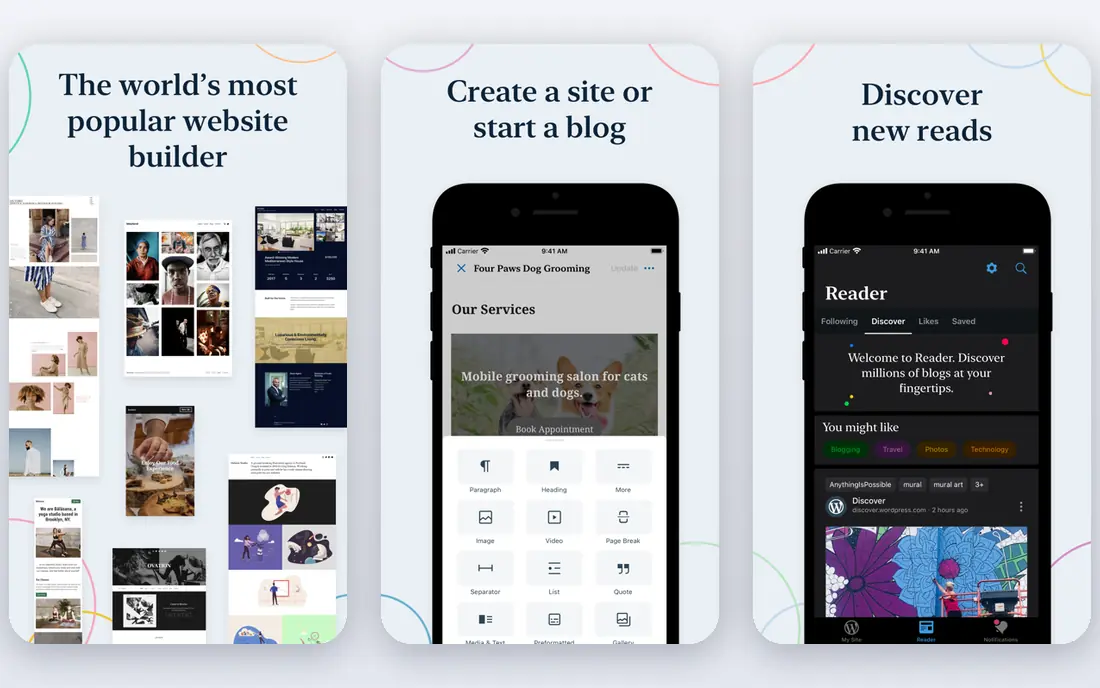
WordPress.com is our pick for bloggers who want their posts found over time. Search engines index WordPress blogs well, you can move to a custom domain as you grow, and export tools help you keep your work portable. Photo, text, video, and long-form posts all fit, which covers most of what Tumblr users post.
The trade is community feel. WordPress.com is a blogging platform first, not a reblog network, so discovery works differently and fandom interaction is less built in. If your goal is a lasting blog with your own address on the web, that trade is usually worth it.
- Free hosted start
- Custom domains on paid plans
- Strong search and export options
- Social reblog culture is weaker than Tumblr
- Advanced themes need paid plans
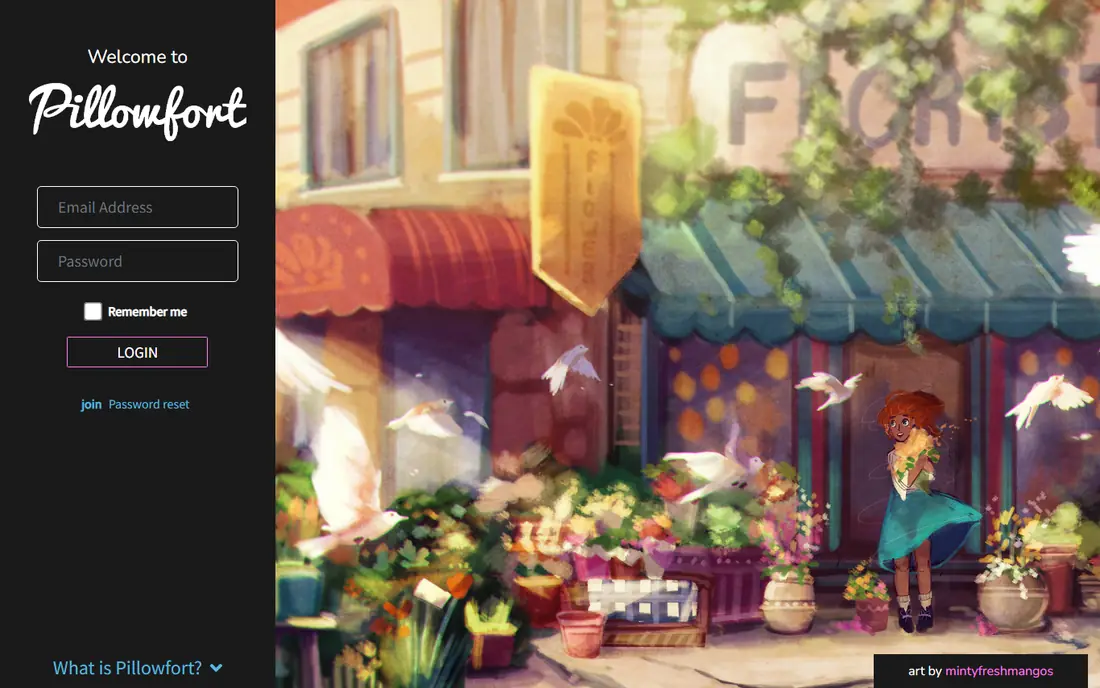
Pillowfort is the closest structural match to Tumblr in this list. It offers reblogs, user-created communities, threaded comments, and visibility settings that let you post publicly, to followers only, or privately. Content filtering tools also help readers control what they see, which matters for fandom spaces.
The audience is smaller, so discovery depends more on tags and communities than on a large trending feed. Registration can involve a free waitlist or a one-time $5 fee for instant access, so check the current signup page. For Tumblr-style community life, Pillowfort is the first place to try.
- Reblogs, communities, and threaded comments
- Per-post visibility controls
- No venture funding model
- Smaller audience than major platforms
- No custom domain
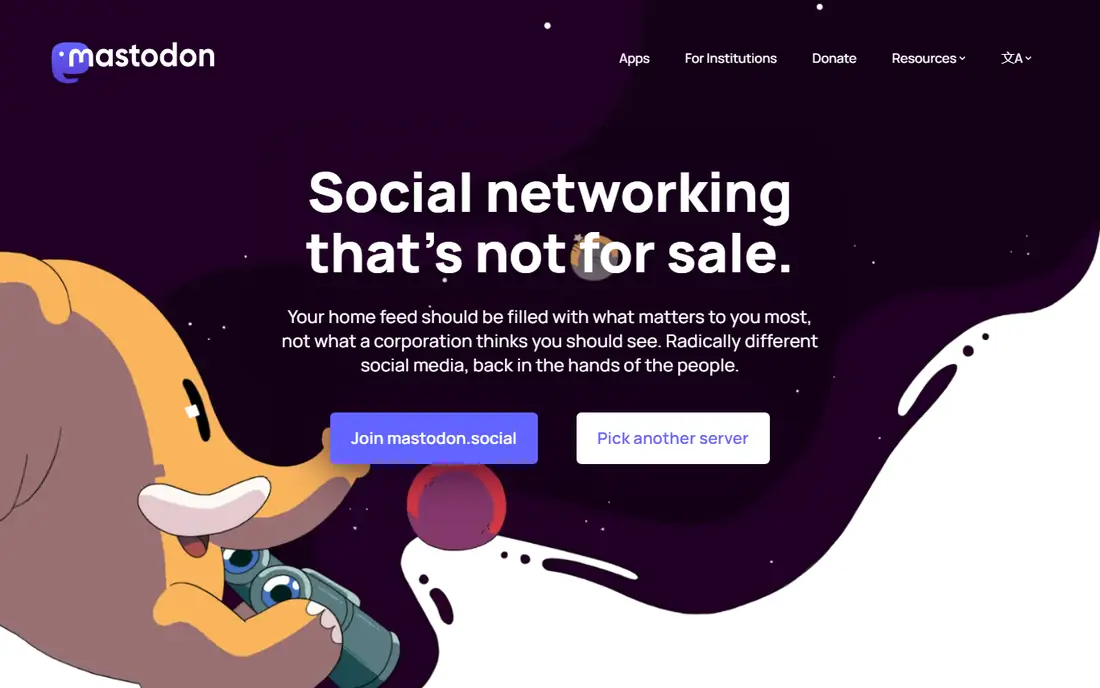
Mastodon suits people who want social posting without a single company controlling the feed. You pick a server, post short updates with images and links, and follow people across the wider fediverse. Chronological feeds keep your timeline in order, and many servers are run by communities rather than advertisers.
Server choice is the learning curve. Your server affects moderation rules and local discovery, and moving later takes some care. The network is also smaller and more fragmented than a single large platform. If you value open, ad-free social posting, Mastodon is a strong alternative.
- Free and federated
- Chronological feeds
- No ads in the core experience
- Choosing a server confuses new users
- Audience is split across servers
Bluesky offers a familiar social feed with a twist: users can build and share custom feeds, and starter packs help new users find accounts to follow quickly. Posting is free, images and short video fit well, and the open protocol aims to keep your identity portable. For daily social posting with Tumblr-style sharing, it feels approachable.
It is not a full blogging platform. Long essays, rich themes, and deep archives are weaker here than on WordPress or Ghost. Think of Bluesky as a social home for short posts and conversation, with links out to a blog when you need more room.
- Free to join
- Custom feeds and starter packs
- Custom domain as handle on paid domain setup
- Long-form blogging tools are limited
- Discovery still leans on feeds and follows
Medium is a good fit for writers who care more about the essay than the theme. Publishing is simple, the reading layout is clean, and the built-in audience can bring readers you would not reach on a new standalone blog. Tags help surface work to interested readers.
Customization is limited, and you do not control the platform's distribution rules. Writers who want a distinct visual identity or full control over monetization may prefer WordPress or Ghost. For polished, long-form writing with low setup effort, Medium remains an easy pick.
- Free to publish
- Clean reading experience
- Built-in audience for essays
- Limited theme control
- Earnings and distribution rules change over time
Dreamwidth is built for journal-style blogging and private communities, with detailed access controls for posts and journals. You can keep some entries public, some for friends only, and some fully private, which suits personal writing and close-knit fandom groups. Paid accounts add features such as custom domains and extra icons.
The interface looks older than modern social apps, and the audience is smaller and more niche. That niche focus is also a strength for people who want a quieter, more controlled space. If Tumblr's journal side mattered more to you than its trending feed, Dreamwidth deserves a look.
- Free accounts
- Strong privacy and access controls
- Long journaling history
- Interface feels older
- Audience is niche and fandom-focused
Substack works well for writers who want both long posts and a newsletter audience. Readers can subscribe by email, paid subscriptions are built in, and Notes adds a short-form social layer for quick updates. Export tools help you keep your subscriber list portable.
It is less suited to image-heavy art blogs or reblog culture, since the design centers on writing and email. Paid subscription fees also take a share of revenue. For writers moving from Tumblr to an audience they can email directly, Substack is a practical choice.
- Free publishing and newsletters
- Paid subscriptions built in
- Notes for short social posts
- Discovery favors newsletters over art and photo blogs
- Platform takes a cut of paid subscriptions
Ghost is for publishers who want a clean, independent site with newsletters and paid memberships built in. The editor is focused, themes look polished, and you can self-host if you want full control over costs and data. Many independent writers and small publications use it as a long-term home.
Hosted Ghost plans are paid, so check the vendor pricing page for the current starting rate. Social discovery is also weaker than on a large network, since readers find you through search, email, or links. For a professional, owned publication, Ghost is a strong Tumblr alternative.
- Clean publishing and newsletters
- Memberships built in
- Self-hosting option
- Hosted plans are paid
- Smaller social discovery than large networks
Micro.blog suits bloggers who want short posts on their own domain without joining a giant network. It supports custom domains, cross-posts to other services, and follows IndieWeb ideas that keep your content portable. The community is small but focused on blogging rather than viral trends.
The $5 per month starting price means there is no permanent free plan, though a trial is available. Discovery is quieter than on Bluesky or Mastodon. For independent microblogging with ownership as the priority, Micro.blog is a thoughtful, low-cost option.
- IndieWeb-friendly
- Custom domain support
- Cross-posting to other networks
- Paid from $5 per month
- Smaller community than major platforms
How we picked these
We compared official feature pages, pricing, community tools, and export options, and we kept only platforms that are live in October 2026 and truly support blogging or social posting. We favored a mix of Tumblr-like communities, open social networks, and independent publishing tools, so readers can match a platform to the part of Tumblr they miss most.
What to check before you switch
Decide what you miss most: reblogs, long writing, art discovery, or a private journal. No single platform replaces all of Tumblr, so many people pair a blog with a social account. Check export and import tools early, since moving old posts is often harder than starting fresh.
Also check content rules and filtering tools for your community, especially for art and fandom work. A platform's moderation style shapes daily life there more than its theme options do. Finally, test posting from your phone, since many Tumblr users post on mobile first. Also think about how you will grow an audience. A platform with strong search or email reach suits a writer building a lasting readership, while a community platform suits someone who wants conversation and feedback. You can use both, with a blog as the home base and a social account for daily posts and links. Keep your username consistent where possible, so readers can find you in both places.
Frequently asked questions
What is the best alternative to Tumblr?
Pillowfort is the closest alternative to Tumblr for community and reblog features, while WordPress.com is best for a search-friendly blog. Many users pair one of those with Mastodon or Bluesky for social reach.
Are there free alternatives to Tumblr?
Yes. WordPress.com, Pillowfort, Mastodon, Bluesky, Medium, Dreamwidth, and Substack all offer free plans. Ghost and Micro.blog are paid, with Micro.blog starting at $5 per month.
Which alternative to Tumblr is best for artists?
Pillowfort and Dreamwidth both suit art and fandom communities, with filtering and community tools that help artists control visibility. WordPress.com is also useful for a portfolio blog that search engines can find.
What are alternatives to Tumblr for blogging?
WordPress.com, Medium, Ghost, Micro.blog, and Substack are the strongest blogging alternatives here. WordPress.com and Ghost give the most control, while Medium and Substack give the simplest publishing and built-in audiences.
Can I use my own domain with a Tumblr alternative?
Yes, on several platforms. WordPress.com, Ghost, Micro.blog, and Dreamwidth support custom domains on paid plans, and Bluesky lets you use a domain as your handle. Check each platform's current plan details before you buy a domain.
Sources
See where you really rank - block by block
ProMapRanker scans Google Maps across a grid of your service area. Simple monthly plans from $19, white-label on every plan.
Start freeKeep reading
 zscaler alternatives
Best Zscaler Alternatives in 2026
Looking for zscaler alternatives? We compare 9 SASE and zero trust platforms on architecture, data protection, pricing, and fit for your network and team.
Read → zapier alternatives free
Best Zapier Alternatives Free in 2026
Nine automation tools for zapier alternatives free in 2026, all with genuinely free tiers, plus free plan limits, starting prices and upgrade paths explained.
Read → which platform is best for online reputation
Which Platform Is Best for Online Reputation in 2026
Wondering which platform is best for online reputation? We compare 8 review, listing, and response tools for small and multi-location businesses and agencies.
Read →