 ProMapRanker
Top Software Companies in USA in 2026

Key takeaways
- Microsoft, Apple and Alphabet lead on scale and product breadth, covering operating systems, cloud, devices and online services.
- Oracle, Adobe and Salesforce show how focus wins: databases and cloud, creative tools, and customer software respectively.
- IBM, Meta, Intuit and ServiceNow each lead a distinct area, from enterprise and AI work to social platforms, finance tools and workflows.
- This list is ordered by breadth and public prominence, not by an invented score, because the best company depends on whether you buy, use or work with its software.
Quick comparison
| Pick | Great for | Pricing starts at | Free tier | |
|---|---|---|---|---|
 Microsoft | Operating systems and cloud | See website | No | Visit |
 Apple | Devices and software together | See website | No | Visit |
 Alphabet | Search, cloud and Android | See website | No | Visit |
 Oracle | Databases and cloud apps | See website | No | Visit |
 Adobe | Creative and document tools | See website | No | Visit |
 Salesforce | Customer software | See website | No | Visit |
 IBM | Enterprise and AI consulting | See website | No | Visit |
 Meta | Social and messaging platforms | See website | No | Visit |
 Intuit | Finance and tax software | See website | No | Visit |
 ServiceNow | Workflow automation | See website | No | Visit |
The best software companies in usa
We compared public product ranges, scale and focus for leading US software companies active in 2026. The list below covers broad platform companies and focused software leaders, because buyers, users and jobseekers judge software companies in different ways. Prices are listed as See website because these are companies, not single products for sale.
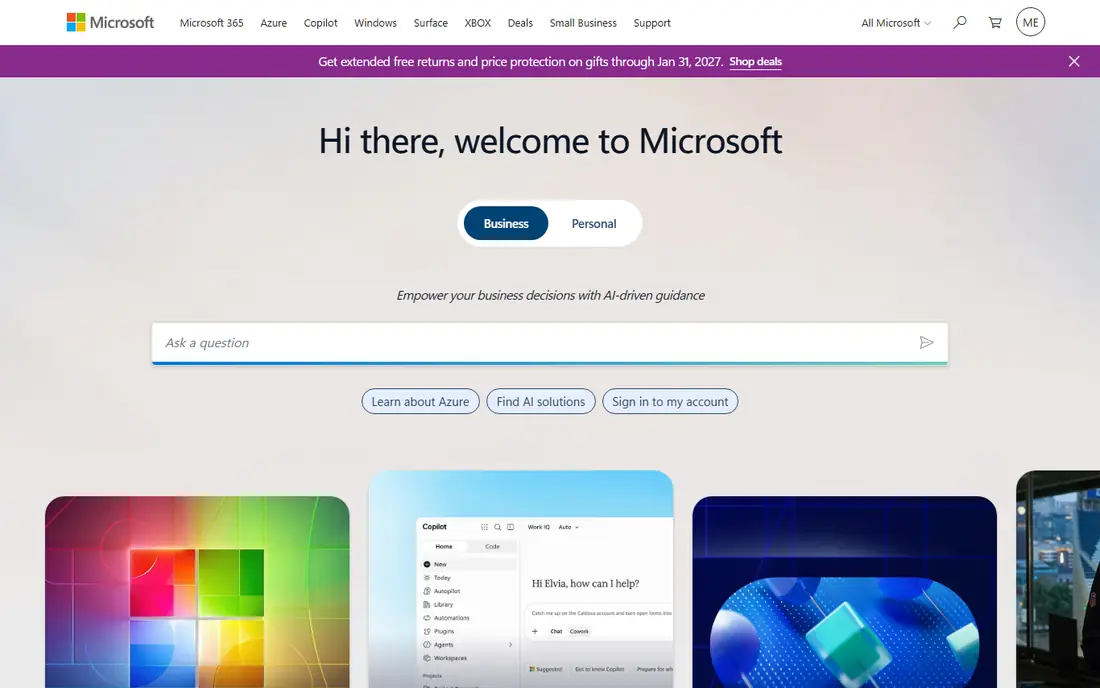
Microsoft is the broadest US software company in this list. Windows powers a huge share of workplace PCs, Microsoft 365 covers email, documents and collaboration, and Azure provides cloud computing for firms of every size. AI features now run across Office, search, development tools and cloud services, which keeps Microsoft central to both office work and enterprise IT.
Breadth brings complexity. Licensing, product tiers and overlapping tools can confuse buyers, and small firms may pay for features they never use. Even with that caveat, Microsoft is the default shortlist for workplace software and cloud, and the first company most IT buyers compare against.
- Windows, Office and Azure cover work, cloud and productivity
- Huge enterprise and consumer reach
- Strong AI integration across products
- Product range is very broad, so pricing and licensing can be complex
- Some products overlap
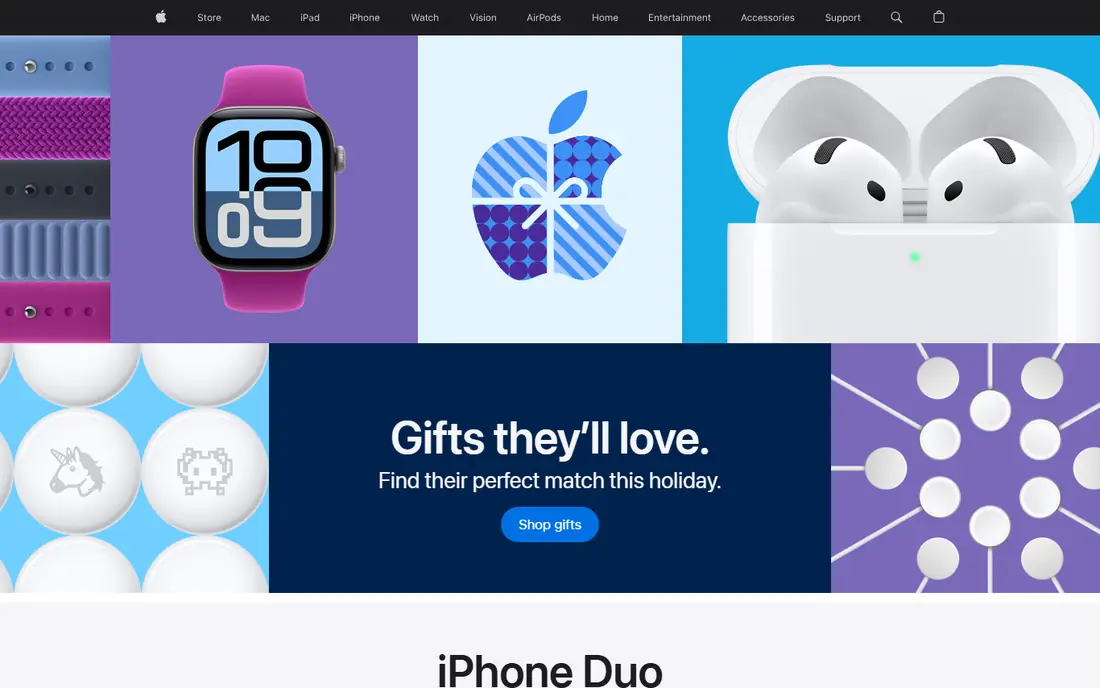
Apple is both a hardware and a software company, and that link is its strength. iPhone, iPad, Mac and Watch run software designed for those devices, with services such as iCloud, Music and the App Store tying them together. For consumers and creative professionals, that integration means fewer setup problems and a consistent experience across devices.
The closed ecosystem is the trade-off. Choice is narrower than on open platforms, prices are premium, and developers must follow App Store rules. We would place Apple at the top for device-led software and consumer experience, and Microsoft ahead for open workplace and cloud breadth.
- Tight link between hardware and software
- IOS, macOS and services share design and accounts
- Strong consumer brand and privacy messaging
- Premium pricing
- Closed ecosystem limits choice for some buyers and developers
Alphabet, the parent of Google, covers search, video, mobile and cloud at huge scale. Android powers a large share of phones worldwide, Google Search and YouTube reach billions of users, and Google Cloud serves firms that want data, AI and infrastructure services. That range makes Alphabet a software leader even though its main revenue still comes from advertising.
Privacy and advertising dependence are the honest limits. Users and regulators question data use, and enterprise buyers may prefer Microsoft or Amazon for cloud breadth. Still, for consumer software, search, video and mobile platforms, Alphabet remains one of the top US companies by reach and product range.
- Google Search, Android, YouTube and Google Cloud cover consumer and business use
- Strong AI research and products
- Wide free consumer services
- Advertising dependence raises privacy questions
- Enterprise cloud is smaller than Microsoft Azure for many buyers
Oracle built its name on databases, and it remains a leader for firms that need reliable, large-scale data systems. Its cloud applications cover finance, supply chain, human resources and customer work, and Oracle Cloud Infrastructure now competes for enterprise cloud workloads. For large firms with complex finance and operations, Oracle's depth is hard to match.
Complexity is the catch. Licensing, support and implementation need skilled staff or partners, and smaller firms often get better value from simpler cloud tools. We would shortlist Oracle for enterprise data and applications, and look elsewhere for a simple small-business tool.
- Leading database and enterprise applications
- Oracle Cloud growth in infrastructure and apps
- Strong fit for large finance and operations teams
- Licensing and pricing can be complex
- Smaller firms may find Oracle too enterprise-focused
Adobe is the standard for creative software. Photoshop for images, Illustrator for graphics, Premiere Pro for video and Acrobat for documents are used by professionals, agencies and students worldwide. Creative Cloud bundles these tools with cloud storage and fonts, which suits teams that work across design, video and publishing.
Subscription pricing is the main complaint, especially for casual users who need only one tool occasionally. Professional tools also take time to learn. Even with those limits, Adobe remains the top US company for creative and document software, with few direct rivals at its scale.
- Photoshop, Illustrator, Premiere and Acrobat set industry standards
- Creative Cloud bundles tools for professionals
- Strong document and marketing tools
- Subscription pricing frustrates some users
- Professional tools have a learning curve
Salesforce is the leading US company for customer software. Its Sales Cloud, Service Cloud and Marketing Cloud help firms track leads, manage service cases and run campaigns from one platform, with an app ecosystem that extends the core system. For sales-led firms, that customer view is the main reason to choose Salesforce over a generic database or spreadsheet.
Scope is the watch point. Pricing rises with users, editions and add-ons, and configuration needs planning for larger teams. Small firms with simple contact needs may do better with a leaner CRM. We would pick Salesforce for customer-led growth at mid-market and enterprise scale.
- Leading customer relationship software
- Sales, Service and Marketing Clouds in one platform
- Large partner and app ecosystem
- Pricing and configuration can grow with scope
- Smaller firms may need a simpler CRM
IBM remains a major US software and services company, focused on enterprise clients, hybrid cloud, AI and consulting. Its work with banks, governments and large firms covers data, automation and IT modernisation, often through long-term service relationships rather than single products. That enterprise focus gives IBM depth in regulated and complex projects.
IBM is not a consumer software leader, and its product range can feel broad and complex to a new buyer. We would shortlist IBM for large enterprise transformation, AI and consulting-led projects, and look to Microsoft, Salesforce or ServiceNow for more product-led buying.
- Long enterprise history
- Consulting, hybrid cloud and AI work
- Strong presence in finance, government and large IT projects
- Consumer presence is limited
- Product range can feel complex for new buyers
Meta is a top US software company by user reach. Facebook, Instagram, WhatsApp and Messenger connect billions of people, and its advertising tools help small and large firms reach those audiences. Meta also invests heavily in AI and virtual reality, which may shape its next generation of products.
Trust is the main challenge. Privacy, content moderation and advertising dependence all affect how users and regulators view Meta. Even with those issues, its scale in social and messaging software keeps it among the top US companies, especially for consumer reach and social marketing.
- Facebook, Instagram, WhatsApp and Messenger reach billions
- Strong advertising and creator tools
- Large AI and virtual reality investment
- Privacy and content moderation issues affect trust
- Advertising dependence shapes product decisions
Intuit is the leading US software company for small-business finance and consumer tax. QuickBooks helps small firms track income, expenses and payroll, TurboTax guides individuals through tax filing, and Credit Karma offers credit and finance tools. Its guided design suits users who are not accountants, which is why it leads in its niche.
Pricing varies by product, tier and season, so buyers should check the exact product they need. Basic users may find a free or simpler tool enough for simple tax or bookkeeping. We would pick Intuit for small-business accounting and guided tax filing, where its focus beats a general spreadsheet or generic finance app.
- TurboTax, QuickBooks and Credit Karma cover tax, accounting and personal finance
- Strong SMB focus
- Clear, guided product design
- Tax and accounting pricing varies by product and season
- Some users prefer a simpler or free alternative for basic needs
ServiceNow helps large firms automate workflows across IT, human resources, customer service and operations. Instead of tracking requests by email, teams use one platform for approvals, tasks and service delivery, with automation and AI features to route work. That focus has made ServiceNow a standard for enterprise service management.
Enterprise scale is also the limit. Pricing is custom, implementation takes planning, and small firms with simple ticketing needs may do better with a lighter tool. We would shortlist ServiceNow for enterprise workflow automation, especially where IT and service teams must work from shared processes.
- Leading workflow platform for IT, HR and customer service
- Automation reduces manual handoffs
- Strong enterprise adoption
- Enterprise pricing and implementation effort
- Smaller firms may find it larger than they need
How we picked these
We compared public product ranges, scale, focus and prominence for US software companies active in 2026. We favoured companies headquartered in the US with a clear software product range, covering both broad platforms and focused leaders. We did not use invented ranking scores, because scale, product fit and career value differ by buyer and user.
What to check before you choose
Start with your use case, not the brand size. A large platform company may offer everything, but a focused company may do your one job better, faster and cheaper. List the tasks you need software for, then compare products on those tasks, not on total company size.
For buyers
Check pricing model, contract terms, integration with your current tools and support quality. A subscription that includes updates and support may cost more upfront but less over time than a complex enterprise licence. Ask for a trial or demo with your own data before committing.
For users and jobseekers
Check which products a company actually builds and supports, not just its brand. A job at a large software firm can mean product work, sales, support or consulting, and those roles differ widely. Look at current openings, team focus and product roadmaps for the role you want.
For small firms
Small firms should favour clear pricing, guided setup and strong support over enterprise breadth. Intuit, Adobe single-app plans and Microsoft 365 small-business plans often fit better than enterprise platforms, which need dedicated staff to run well.
Frequently asked questions
What are the top software companies in USA?
Microsoft, Apple, Alphabet, Oracle, Adobe, Salesforce, IBM, Meta, Intuit and ServiceNow are among the top US software companies by product range, scale and prominence. The best company for you depends on whether you need workplace, creative, customer, finance or workflow software.
What are the top 20 software companies in USA?
Beyond the ten in this list, other major US software firms include NVIDIA, Broadcom, Palo Alto Networks, Workday, Autodesk, Datadog, Palantir and Cadence, among others. The exact top 20 depends on whether you rank by revenue, market value, employees or product focus.
What is the best software for companies in USA?
There is no single best software for all companies. Microsoft 365 suits workplace productivity, Salesforce suits customer management, QuickBooks suits small-business accounting, and Adobe suits creative work. Choose by task, team size and integration needs.
Which US software company is best to work for?
That depends on role, team and location, not just brand. Microsoft, Apple, Alphabet, Salesforce and ServiceNow all hire large product, engineering and sales teams, but day-to-day experience varies by team. Check current roles, team reviews and the specific job before deciding.
Are these companies only for large firms?
No, many serve small firms as well as large ones. Microsoft 365, QuickBooks, Adobe single apps and Meta advertising tools all have small-business options, while Oracle, IBM and ServiceNow lean more toward enterprise buyers.
How do I compare software companies fairly?
Compare products on your specific tasks, pricing, integrations, support and contract terms, not on brand size alone. A trial with your own data, a written quote and a check of support quality will tell you more than a ranking list.
Sources
See where you really rank - block by block
ProMapRanker scans Google Maps across a grid of your service area. Simple monthly plans from $19, white-label on every plan.
Start freeKeep reading
 zscaler alternatives
Best Zscaler Alternatives in 2026
Looking for zscaler alternatives? We compare 9 SASE and zero trust platforms on architecture, data protection, pricing, and fit for your network and team.
Read → zapier alternatives free
Best Zapier Alternatives Free in 2026
Nine automation tools for zapier alternatives free in 2026, all with genuinely free tiers, plus free plan limits, starting prices and upgrade paths explained.
Read → which platform is best for online reputation
Which Platform Is Best for Online Reputation in 2026
Wondering which platform is best for online reputation? We compare 8 review, listing, and response tools for small and multi-location businesses and agencies.
Read →