 ProMapRanker
7 Best Fake Profile Detection Software for Brands for 2026


Brand and executive impersonation with managed enforcement · Pricing starts at: See website
Direct answer
This list puts BrandShield first for Brand and executive impersonation with managed enforcement. ZeroFox is the stronger choice for large brands needing wide product coverage, while Proofpoint Digital Risk Protection suits firms already on Proofpoint email security. Details, prices and limits for the rest of the 7 tools are below.
Key takeaways
- BrandShield takes the first slot, best suited to Brand and executive impersonation with managed enforcement.
- For mid-market teams wanting scam and phishing coverage in one place, Bolster is worth a look.
- No starting price is shown for any of the 7 tools, BrandShield and Bolster included, so plan time for sales calls.
- Bolster is the only tool of the 7 with a free plan.
- Doppel comes with a trade-off: pricing is not published.
Quick comparison
| Pick | Great for | Pricing starts at | Free tier | |
|---|---|---|---|---|
| BrandShield | Brand and executive impersonation with managed enforcement | See website | No | Visit |
 ZeroFox | Large brands needing wide product coverage | See website | No | Visit |
 Proofpoint Digital Risk Protection | Firms already on Proofpoint email security | See website | No | Visit |
 Doppel | Fast-moving scam and social engineering defense | See website | No | Visit |
 Red Points | Retail and consumer brands wanting flat-fee takedowns | See website | No | Visit |
 Netcraft | End-to-end takedown handling | See website | No | Visit |
 Bolster | Mid-market teams wanting scam and phishing coverage in one place | See website | Yes | Visit |
Fake Profile Detection Software for Brands profiles
ProMapRanker put together this guide to fake profile detection software for brands for readers who want a clear shortlist without reading every vendor page. It compares 7 tools on starting price, free plans, who each one suits and where each one falls short.
BrandShield
Great for: Brand and executive impersonation with managed enforcement
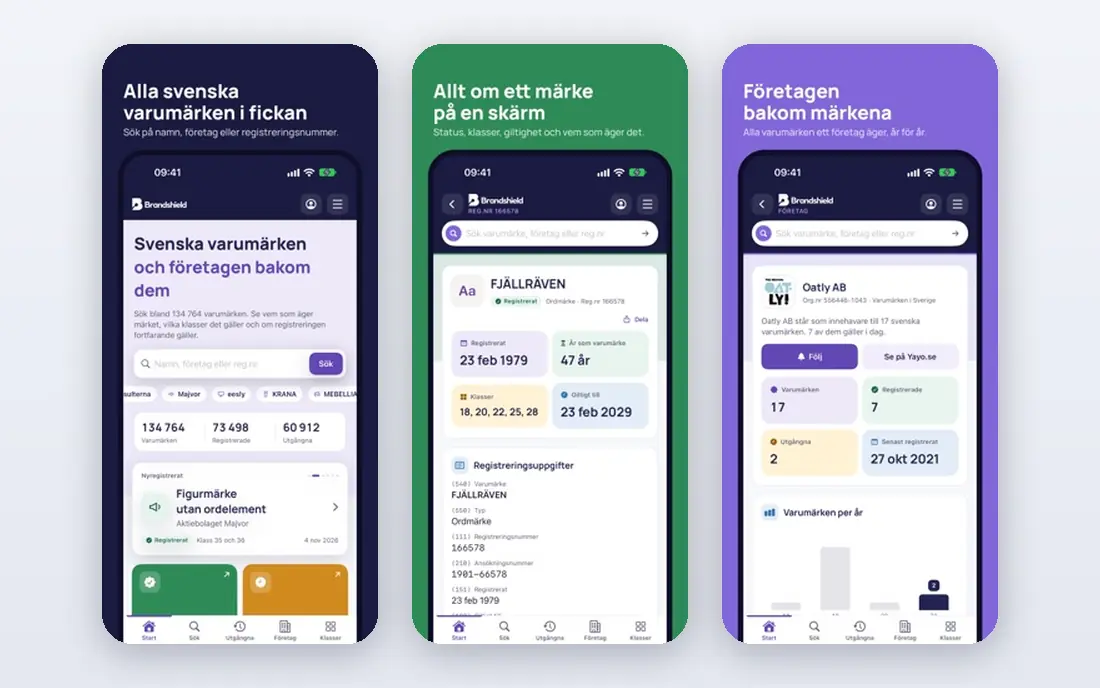
In short, BrandShield is for Brand and executive impersonation with managed enforcement. For a brand whose problem is fake profiles that pretend to be customer support, the impersonation modules are the relevant ones. Worth adding: at the time of research its site advertised one free month on annual plans, which hints at annual contracts as the norm, but confirm term length and renewal terms in writing.
Drawbacks to consider: A large product menu can make scoping confusing.
As for the details, the weakness is that the catalog is large and the pricing is quote-based. So two buyers can get very different scopes. As for the details, BrandShield calls itself an AI-powered digital risk and brand protection product. Its product list is wide: social media scam protection, brand impersonation, executive impersonation, rogue apps, counterfeit marketplaces, domains and more. This comparison lists no price for BrandShield; ask the vendor. No free plan comes with BrandShield.
Highlights: Dedicated pages for social media scam.
- Apps and dark web too
- Brand impersonation and executive impersonation protection
- No public price list

Think of ZeroFox for large brands needing wide product coverage. ZeroFox is one of the longer-standing names in social media impersonation work. Expect a sales process, a contract and an onboarding period, and ask what takedown volume is included before you sign.
Strengths: Executive protection offering available.
Incidents move from discovery and analysis through escalation and disruption, which fits teams that require an audit trail for legal or compliance. More specifically, where it stands out is the case workflow. This comparison lists no price for ZeroFox; ask the vendor. No free plan comes with ZeroFox.
Drawbacks to consider: Quote-only pricing.
- Includes fake profiles
- Collects content across 180+ products including social media
- Geared to enterprise security programs
Proofpoint Digital Risk Protection
Great for: Firms already on Proofpoint email security
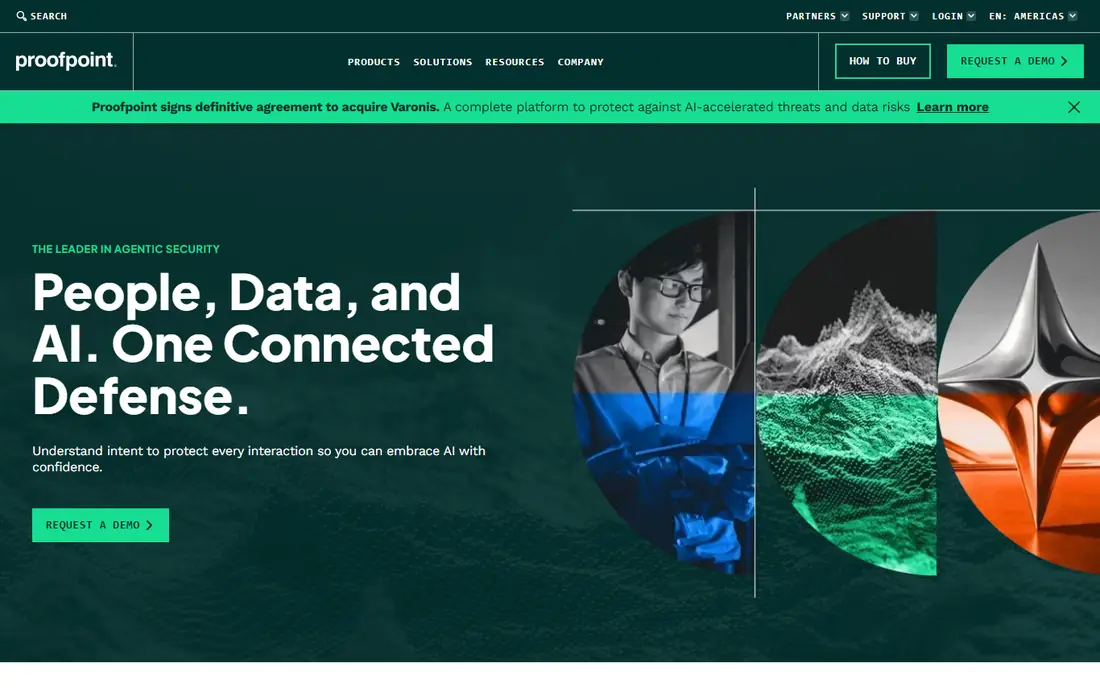
Think of Proofpoint Digital Risk Protection for businesses already on Proofpoint email security. The product sits in a large portfolio, packaging changes over time, and pricing needs a sales call. On top of that, a company that already uses Proofpoint for email can pair fake profile monitoring with its email impersonation controls and keep one contract, one support channel and one set of reports.
It is less compelling as a standalone purchase for a small brand. Proofpoint is best known for email security, and its digital risk protection line brings social media and brand impersonation monitoring into the same family. In daily use, compare it against specialist vendors on takedown speed and managed support before deciding. The reason to shortlist it is vendor consolidation. Pricing for Proofpoint Digital Risk Protection is not stated here, so ask the vendor for current figures. Proofpoint Digital Risk Protection has no free tier.
Trade-offs to know: Enterprise sales process.
- Large security vendor with enterprise support
- Social media protection sits alongside email and impersonation defenses
- Fake profile detection is one part of a wide portfolio
Think of Doppel for fast-moving scam and social engineering defense. The strength is breadth around social engineering.
Where it falls short: Pricing is not published.
Strengths: Handles social media fraud.
Pricing for Doppel is not stated here, so ask the vendor for current figures. No free plan comes with Doppel.
- Messaging scams and premium-ad impersonation
- Positioned around social engineering plus domains
- Competitors describe it as premium priced, so expect a higher minimum
Red Points is aimed squarely at retail and consumer brands wanting flat-fee takedowns. On the Starter plan, social media protection is listed as an add-on and trademark coverage is capped at ten. On top of that, professional and Enterprise bundle social media protection.
Both are managed services where Red Points staff validate and prioritize cases. For consumer brands that already fight fakes on marketplaces, adding fake social accounts to the same contract is a practical choice. The trade-off is focus. The system is most solid where brand abuse touches sales, like fake shops and counterfeit sellers. Red Points does not show a starting price in this comparison, so check the vendor site for current pricing. Red Points has no free tier.
Points against: Social media protection is an add-on on Starter.
- Flat-fee plans with unlimited detections and takedowns
- Brand impersonation is a named threat category
- Pricing is by request
Think of Netcraft for end-to-end takedown handling. Netcraft built its name on phishing takedowns, and its social media protection extends the model to fake accounts. Its system page says it runs the removal process end to end, from identifying and validating a threat to submitting the request and tracking progress.
That matters since rejected or ignored reports are where most do-it-yourself efforts stall. Also, for banks, telecoms, retailers and government bodies with constant impersonation, the managed approach saves staff time. As for the details, the company says it is most useful for organizations facing recurring or large-scale abuse. No starting price is listed for Netcraft here; confirm pricing on the vendor site. Netcraft has no free plan.
What to check first: Pricing is not published.
- Monitors impersonation of executives
- Also manages fraudulent social ads
- Best value for organizations with recurring abuse
Bolster serves mid-market teams wanting scam and phishing coverage in one place. The honest caveat is emphasis. In daily use, Bolster describes its product as an AI security system that guards organizations from online scams and phishing across domains, social media, app keeps and the dark web.
Points against: Quote-based pricing for the premium product.
Its history is in phishing detection, so the most solid use is catching scam campaigns where a fake profile, a fake site and a fake app belong to the same operation. It also runs CheckPhish, a free community scanner that examines suspicious URLs. That is not a fake profile tool, but it is a no-cost way to try the company's detection approach before talking to sales. Bolster shows no starting price here, so confirm the cost on the vendor site. Bolster includes a free tier.
- Spans domains
- Free CheckPhish scanner for fast URL checks
- Social profile coverage is one piece of a phishing-first product
How we compared the tools
Selection started from tools commonly considered for fake profile detection software for brands, then narrowed to 7 that have clear pricing information or a clear quote process. Where a vendor does not publish a price, the entry says quote. Where a price depends on seats or billing term, the entry says so. The sequence is a judgement call: typical use case first, then pricing transparency, then free access. Use the profiles to check fit.
What to confirm before you sign up
- Request quotes from BrandShield, Bolster and the others; the list shows no fixed prices.
- Look at the free plan from Bolster closely: its caps decide whether it is usable for real work.
- Before choosing BrandShield, weigh its main limit: no public price list.
- Confirm you can export your data from ZeroFox, so leaving later does not mean losing records.
- List the apps you already depend on and check that BrandShield supports each one on the plan you would buy.
Frequently asked questions
How are the tools for fake profile detection software for brands ordered?
BrandShield sits first and Bolster last because the order follows typical fit for fake profile detection software for brands, then price clarity and free access. It is a judgement call, so read each profile for fit and limits.
Can I try these tools before paying?
Often, yes. Bolster has a free plan. Use your own data and a real task during the test, and check what the free tier or trial limits before you rely on it.
Which options for fake profile detection software for brands have a free plan?
Bolster is the only tool in this list with a free plan. Free plans usually cap users, projects or features, so check the limits on the vendor page.
What is fake profile detection software for brands?
It is software that scans social networks and other systems for accounts that copy your brand, products or staff, then helps you report and remove them. Most tools combine automatic detection with takedown management. Numerous sit inside bigger brand protection or digital risk products.
How much does brand impersonation protection cost?
Most vendors in this category do not publish prices and sell by quote. Cost usually relies on the number of brands, executives and products covered, plus the service level.
Do these tools protect executives plus the brand?
ZeroFox, Netcraft, Fortra and BrandShield all describe executive impersonation or monitoring features. Confirm how plenty of executives are covered in your plan and whether family or personal accounts are included.
Sources
See where you really rank - block by block
ProMapRanker scans Google Maps across a grid of your service area. Simple monthly plans from $19, white-label on every plan.
Start freeKeep reading
 zscaler alternatives
Best Zscaler Alternatives in 2026
Looking for zscaler alternatives? We compare 9 SASE and zero trust platforms on architecture, data protection, pricing, and fit for your network and team.
Read → zapier alternatives free
Best Zapier Alternatives Free in 2026
Nine automation tools for zapier alternatives free in 2026, all with genuinely free tiers, plus free plan limits, starting prices and upgrade paths explained.
Read → which platform is best for online reputation
Which Platform Is Best for Online Reputation in 2026
Wondering which platform is best for online reputation? We compare 8 review, listing, and response tools for small and multi-location businesses and agencies.
Read →