 ProMapRanker
SteamRip Alternatives in 2026


Discovery, playlists, and podcasts in one app · Pricing starts at: $12.99 per month
Key takeaways
- This article covers legal options only, and it lists licensed streaming and buying services, never piracy tools.
- Spotify is the discovery pick, while Apple Music, TIDAL, and Qobuz lead on high resolution sound.
- YouTube Music is the pick for videos, live versions, and covers that other catalogs often miss.
- Bandcamp is the only pick here built around buying from independent artists directly, not streaming a full chart catalog.
Quick comparison
| Pick | Great for | Pricing starts at | Free tier | |
|---|---|---|---|---|
| Spotify | Discovery, playlists, and podcasts in one app | $12.99 per month | Yes | Visit |
 Apple Music | Apple users who want high resolution audio included | $11.99 per month | No | Visit |
 YouTube Music | Listeners who love videos, live versions, and covers | $11.99 per month | Yes | Visit |
 Amazon Music Unlimited | Prime members and Alexa households | $11.99 per month | Yes | Visit |
 TIDAL | Listeners who want high resolution audio and DJ tools | $11.99 per month | Free trial | Visit |
 Deezer | Listeners who want CD quality audio and a free tier | $11.99 per month | Yes | Visit |
 Qobuz | Audiophiles who also want to buy and own music | $12.99 per month | Free trial | Visit |
 Bandcamp | Fans who want to support independent artists directly | Free | Yes | Visit |
 Pandora | Lean back listeners who love radio style stations | $10.99 per month | Yes | Visit |
The best legal SteamRip alternatives
This article covers legal options only. Every service below is a licensed music service, where artists and labels are paid through subscriptions, purchases, or ad supported listening. We do not list piracy tools, download tools for unlicensed music, or services that copy music without permission. If a service promises a full catalog for free with no ads and no license, treat that as a warning sign, not a bargain.
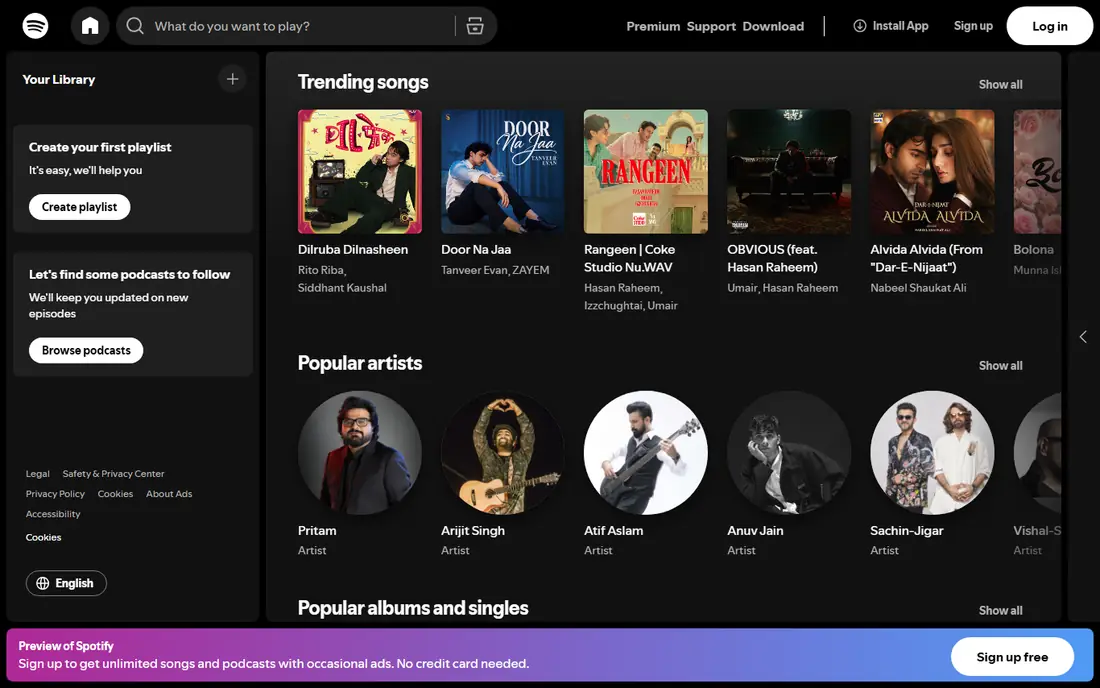
This option earns its place for one practical reason, and that reason shows up in daily use. Spotify fits listeners who value discovery and playlists more than the highest possible audio quality. Its playlists, daily mixes, and social features make it easy to find new music without building every playlist by hand. A free tier lets you test the catalog and the app before paying, and Premium adds offline downloads and ad free listening.
The catch is audio quality, since Spotify lossless stops at CD quality, and the free tier limits playback control on mobile. If discovery matters most, Spotify is hard to beat, but listeners with high end headphones should also test a high resolution service. If that limitation touches your daily work, keep it on the shortlist but check it in a trial first.
- Huge catalog and strong playlists
- Free tier for trying the service
- Podcasts and audiobooks in the same app
- Lossless tier is CD quality rather than high resolution
- Ads and shuffle limits on the free tier
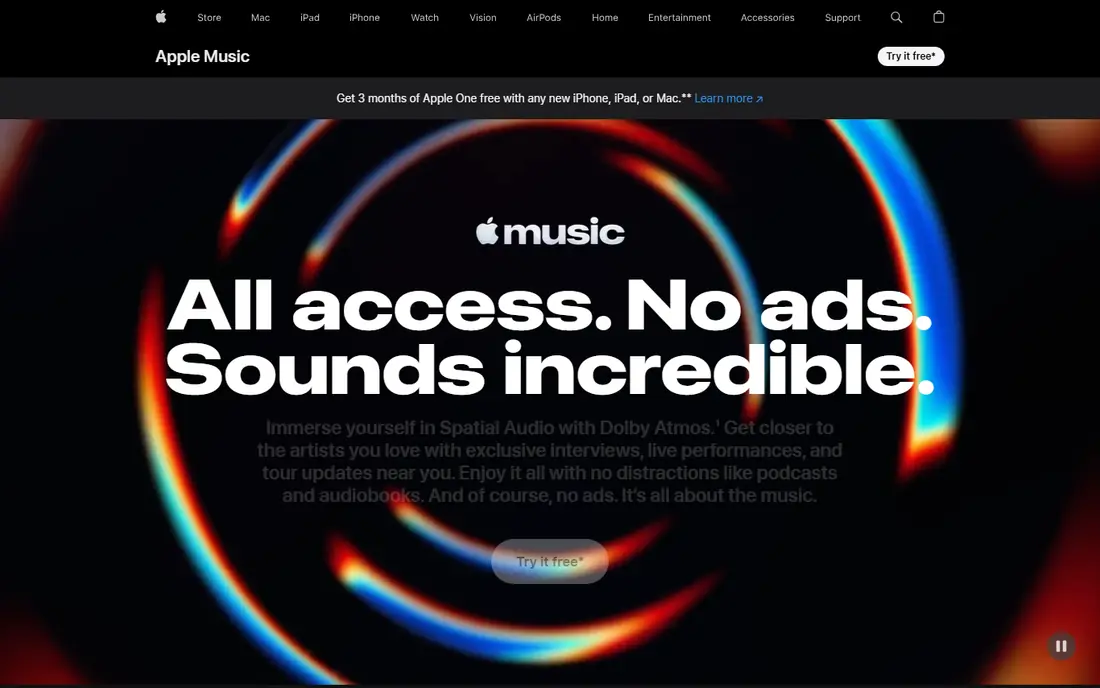
If the first choice on your shortlist feels too narrow, this one widens the picture in a useful way. Apple Music fits Apple households that want high resolution sound without paying for a separate high tier. Lossless audio up to high resolution, plus Dolby Atmos on supported tracks, comes in the standard individual plan. Editorial playlists, radio stations, and a classical app add depth beyond the main catalog for curious listeners.
The catch is that there is no permanent free on demand tier, so you pay to test the full service beyond a trial. Apple users should test it first, since the value rises if you already use an iPhone, Apple Watch, or HomePod. For the right buyer, the benefit outweighs the catch, and the catch is easy to spot early.
- Lossless and high resolution audio at no extra tier cost
- Dolby Atmos tracks
- Strong editorial playlists and radio
- No permanent free tier
- Best experience sits inside Apple devices
YouTube Music
Great for: Listeners who love videos, live versions, and covers
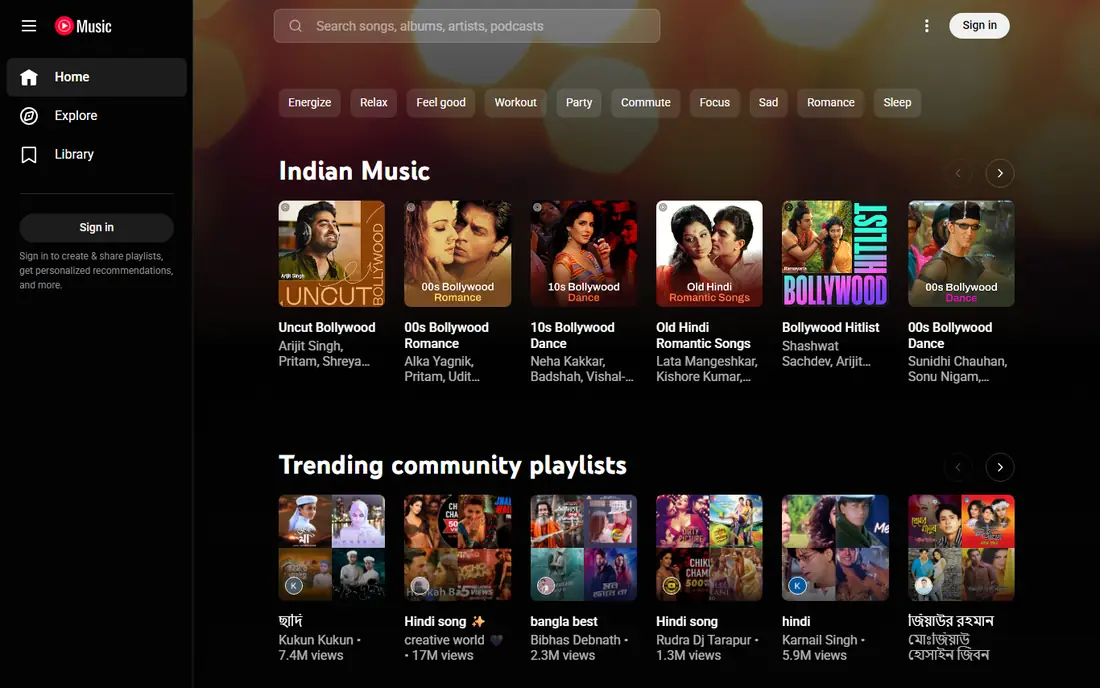
We put this here because it solves a specific problem well, even if it is not the cheapest route. YouTube Music fits listeners whose music taste includes live versions, covers, and rare tracks that never reach a studio album. It draws on YouTube's video catalog, so a live set, a cover, and an official video can sit next to the studio track. A free tier lets you sample the catalog, and Premium adds background playback, downloads, and ad free listening.
The catch is sound quality, since there is no lossless tier, so high end headphone owners may prefer another service for critical listening. If videos and rare tracks matter more than bit depth, YouTube Music is a strong pick, especially inside a YouTube Premium bundle. We would shortlist it, with the catch above as the first question to ask in a demo or trial.
- Videos, live tracks, covers, and uploads alongside studio tracks
- Free tier
- YouTube Premium bundle option
- No lossless or high resolution tier
- Audio quality tops out below rival high resolution services
A good test for this option is how it handles the work you do every week, not just setup day. Amazon Music Unlimited fits Prime members and Alexa households who want high resolution audio without a new ecosystem. Ultra HD tracks and Dolby Atmos on supported tracks give it a quality edge over services without a lossless tier. Alexa voice control on Echo speakers makes playback simple in rooms where a phone is not at hand.
The catch is plan confusion, since Prime music, a single device plan, and Unlimited are different products with different catalogs. Confirm at checkout that you are buying Unlimited, and check the Prime member price, since listings can differ by account and region. That trade is worth it for buyers who value that strength more than a lower starting price.
- High resolution Ultra HD audio
- Alexa and Echo control
- Lower price for Prime members in some listings, so check checkout
- Catalog and app experience vary by plan
- Prime only music is more limited than Unlimited
This one stands out when you compare what is included at the starting price with what costs extra. TIDAL fits listeners who want high resolution audio as the default, not as an expensive add-on. Its FLAC catalog covers high resolution tracks, and Dolby Atmos support adds spatial listening on supported devices. DJ tools and editorial playlists give it a music first feel that suits listeners who dig into albums and artists.
The catch is that there is no permanent free tier, so a trial is the way to test whether its catalog and app suit your taste. High resolution headphone owners should test TIDAL against Apple Music, since both offer strong quality at a similar individual price. If that limitation touches your daily work, keep it on the shortlist but check it in a trial first.
- High resolution FLAC audio
- Dolby Atmos on supported tracks
- DJ tools and editorial content
- No permanent free tier
- Catalog discovery feels narrower than Spotify for some listeners
For teams that want a clear change from what they use now, this is a strong place to start. Deezer fits listeners who want better than compressed audio, a free tier to start, and a radio style mix that learns their taste. Its paid plans include CD quality FLAC, which is a clear step up from standard compressed streaming for many listeners. Flow builds a personal radio mix from your library and listening history, which suits lean back listening at work or in the car.
The catch is that Deezer tops out at CD quality, so it is not the pick for listeners chasing the highest resolution files. If you want a free tier plus CD quality audio at a midrange price, Deezer is a balanced choice, with a trial to test Flow first. For the right buyer, the benefit outweighs the catch, and the catch is easy to spot early.
- CD quality FLAC audio
- Free tier
- Flow radio that builds mixes from your taste
- Highest quality is CD grade, not high resolution
- Spatial audio support is thinner than some rivals
This option earns its place for one practical reason, and that reason shows up in daily use. Qobuz fits audiophiles who care about sound quality and also want to buy albums to own, not just stream them. Its streaming catalog includes high resolution FLAC tracks, and its store sells DRM free downloads for keeping. Editorial notes, artist interviews, and digital booklets add context that suits album focused listeners.
The catch is that discovery, social playlists, and app polish feel thinner than on Spotify or Apple Music. If owning music matters, Qobuz is the strongest pick here, and the streaming plan pairs well with occasional download purchases. We would shortlist it, with the catch above as the first question to ask in a demo or trial.
- High resolution FLAC streaming
- DRM free download store
- Detailed editorial notes and booklets
- No permanent free tier
- Discovery and social features are thinner than Spotify
If the first choice on your shortlist feels too narrow, this one widens the picture in a useful way. Bandcamp fits fans who want their money to reach independent artists and labels directly, rather than through a streaming pool. Artists set prices, offer name your price releases, and sell merch and vinyl alongside digital music. Fans can stream many releases before buying, follow artists, and build a collection they actually own.
The catch is catalog scope, since Bandcamp is independent focused and does not replace a mainstream streaming catalog for chart pop. Use Bandcamp alongside a streaming service, buying the albums you love most, rather than as a sole replacement for one. That trade is worth it for buyers who value that strength more than a lower starting price.
- Direct artist support with most revenue going to artists on many sales
- Name your price releases
- Merch and vinyl options
- Catalog is independent focused, not a full mainstream catalog
- No all you can stream subscription for the full catalog
We put this here because it solves a specific problem well, even if it is not the cheapest route. Pandora fits listeners who want to press play and let a station run, rather than building playlists track by track. Its stations learn from thumbs up and down, and build mixes around a song, artist, or mood. A free tier makes it easy to test stations, and Premium adds on demand listening for listeners who want more control.
The catch is that Pandora is radio first, so on demand listening and audio quality lag behind full streaming rivals. If you mainly listen in the car or at work and prefer stations to playlists, Pandora remains a simple, low friction pick. If that limitation touches your daily work, keep it on the shortlist but check it in a trial first.
- Strong radio stations built from a song or artist
- Free tier
- Simple lean back listening
- On demand control is weaker than full streaming services
- Audio quality is lower than lossless rivals
How we picked these
We checked each vendor's own product and pricing pages and public plan descriptions, and we kept only licensed services that exist and work today in the United States. We compared catalog scope, audio quality, free tiers, and whether a service streams, sells, or does both.
We did not claim hands-on testing. We compared published individual prices and free tier terms from official pages and recent plan summaries. Where a price could not be firmly verified, we wrote See website, and readers should confirm the checkout price before paying.
How to choose a legal music service
Start with how you listen. A playlist and discovery listener will get more from Spotify, while an album listener with good headphones will notice the difference on Apple Music, TIDAL, or Qobuz. A video and live music fan will get more from YouTube Music, even though its audio quality is lower. Match the service to your listening habit, not to a single spec.
Next, check the free tier and trial terms. Spotify, YouTube Music, Deezer, Amazon Music, Pandora, and Bandcamp offer a free way to test, while Apple Music, TIDAL, and Qobuz rely on trials. Use a free tier or trial with your own headphones and speakers, and test the same tracks on two services before paying for a year.
Finally, think about ownership. Streaming gives access, not ownership, so an album you love can leave a catalog. Bandcamp and the Qobuz store let you buy and keep files, which suits collectors and fans who want to support an artist directly. A common setup is one streaming service for discovery, plus purchases for the albums that matter most.
Frequently asked questions
What is a legal alternative to SteamRip?
A legal alternative is a licensed streaming or buying service, such as Spotify, Apple Music, YouTube Music, TIDAL, Deezer, Qobuz, Bandcamp, or Pandora. These services pay artists and labels through subscriptions, ads, or purchases. This article lists only those licensed options.
Can I listen for free legally?
Yes. Spotify, YouTube Music, Deezer, Amazon Music, Pandora, and Bandcamp offer free tiers with ads or limits, and several paid services offer trials. Free tiers do not give full on demand control or offline downloads, but they are a legal way to test a catalog.
Which service has the best sound quality?
Apple Music, TIDAL, and Qobuz offer high resolution audio, while Deezer and Spotify lossless offer CD quality audio. YouTube Music and Pandora top out lower. To hear the difference, use wired headphones or a good speaker, since Bluetooth alone can limit quality.
Can I keep music if I cancel?
Streaming access ends when a subscription ends, except for downloads you bought outright. Bandcamp purchases and Qobuz store downloads stay yours after purchase. If keeping an album matters, buy it rather than relying on a streaming plan alone.
Do I need more than one service?
Many listeners use one streaming service for daily listening, plus Bandcamp or a download store for albums they want to own. That setup covers discovery, sound quality, and ownership without paying for several full subscriptions at once.
Sources
See where you really rank - block by block
ProMapRanker scans Google Maps across a grid of your service area. Simple monthly plans from $19, white-label on every plan.
Start freeKeep reading
 zoho inventory alternatives
6 Alternatives to Zoho Inventory, Compared on Price and Fit
Zoho Inventory alternatives: 6 tools compared on price, free plans and fit. Katana leads the list for manufacturers. Fit and flaws are laid out for each entry.
Read → zoho crm alternatives
Best Zoho CRM Alternatives (2026)
Need Zoho CRM alternatives? We compare 7 tools on cost, free access and who each suits. Every pick gets a straight assessment. Built for quick decisions.
Read → zelle alternatives
Best Zelle Alternatives in 2026
Compare the best Zelle alternatives for sending money to friends, paying sellers and moving funds abroad, with honest notes on fees, speed and safety in 2026.
Read →