 ProMapRanker
Best Milk Alternatives in 2026

Key takeaways
- This guide covers the milk alternatives discussed in the podcast episode, not a word for word transcript of the show.
- Oat drinks tend to suit coffee and cereal, while soy drinks usually offer more protein than almond or coconut drinks.
- Sweetened and unsweetened versions of the same brand can differ a lot, so the label matters more than the front of the carton.
- Fortified drinks are the closer match to dairy milk for calcium and vitamin D, but fortification varies by product and market.
- Taste, texture, and how a drink behaves in hot coffee are practical reasons to try a small carton before buying in bulk.
Quick comparison
| Pick | Great for | Pricing starts at | Free tier | |
|---|---|---|---|---|
 Oatly | Coffee and everyday drinking | See website | No | Visit |
 Almond Breeze | Light, low calorie drinking | See website | No | Visit |
 Silk | Protein and wide availability | See website | No | Visit |
 So Delicious | Coconut flavour and desserts | See website | No | Visit |
 Ripple Foods | Pea based protein | See website | No | Visit |
 Elmhurst 1925 | Simple ingredient lists | See website | No | Visit |
 Planet Oat | Budget friendly oat drinks | See website | No | Visit |
 Califia Farms | Coffee and flavoured drinks | See website | No | Visit |
The best milk alternatives
The BBC Radio 4 programme Sliced Bread asked whether plant based drinks match cow milk for health and for the environment. This article follows that topic and compares the main kinds of milk alternatives you can buy in US stores. It is general information only, not nutrition or medical advice, and it does not reproduce a transcript of the episode. If you have an allergy, a medical condition, or a child with specific dietary needs, talk to a clinician or dietitian before changing what you drink.
Oatly built its name on oat drinks that pour and foam more like dairy milk than many early plant drinks did. The barista style is the one coffee drinkers usually reach for, because it is made to steam and to hold up in hot drinks without splitting straight away. For cereal, porridge, and smoothies, the regular oat drink is a simple choice that does not bring a strong nutty or bean taste with it.
The trade off is protein. Oat drinks are not a high protein food, and unsweetened versions still taste mild rather than rich. Check whether the carton you pick is fortified, and compare added sugar across the original, low sugar, and barista lines before you settle on one.
- Creamy texture
- Wide range including barista versions
- Easy to find in stores
- Lower protein than soy
- Sweetened versions add sugar
Almond Breeze from Blue Diamond is one of the easiest almond drinks to find, and its unsweetened version suits people who want something light for cereal or a smoothie. The flavour is gentle, which is a strength when you do not want the drink to take over a recipe. It also comes in vanilla and chocolate versions for people who prefer a flavoured drink.
The honest limit is nutrition. Almond drinks made this way contain very little protein, and the almond content in the carton is small compared with eating almonds. If protein matters to you, pair it with other foods or pick a different base, and read the label for added sugar in the sweetened lines.
- Mild taste
- Unsweetened versions are low in calories
- Widely stocked
- Very low protein
- Almond farming uses a lot of water in dry regions
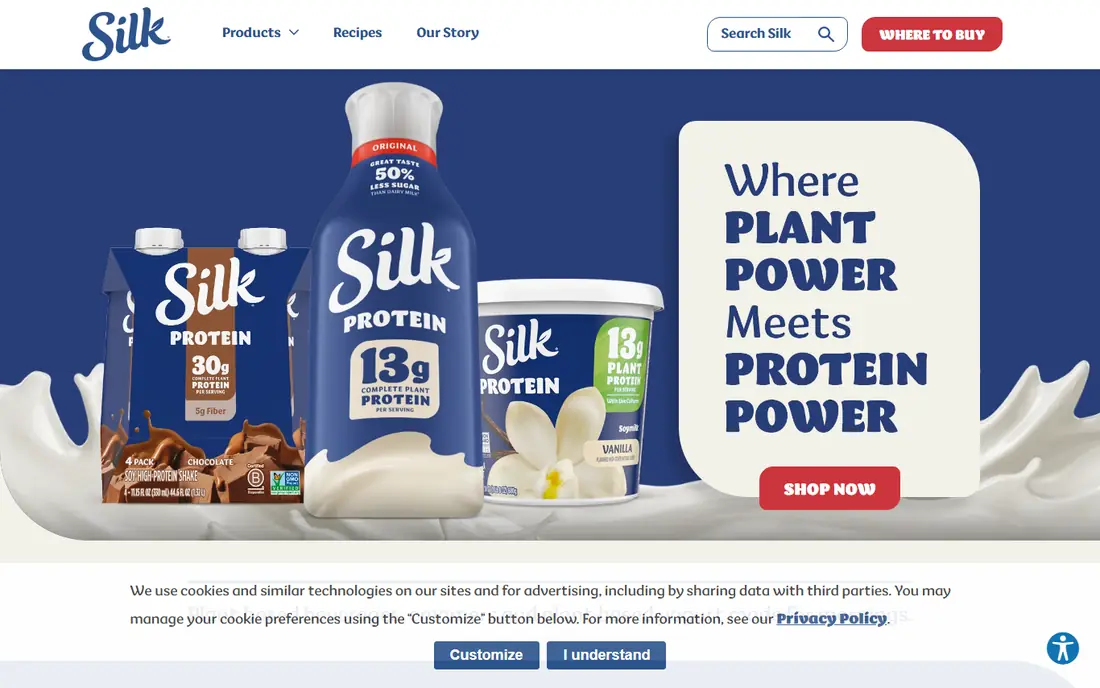
Silk covers more bases than most brands here, with soy, almond, oat, and coconut drinks under one name. Its soy drink is the practical pick in this list when protein is the main concern, because soy is naturally higher in protein than oat, almond, or coconut drinks. That makes it a steadier choice for smoothies, cooking, and anyone replacing dairy milk across the day rather than in one coffee.
The catch is taste and label reading. Some people notice a beany note in soy drinks, and Silk sells both sweetened and unsweetened versions that look similar on the shelf. Choose the unsweetened soy drink if you want to keep added sugar down, and check fortification if calcium is part of your reason for switching.
- Soy version offers more protein
- Large range across bases
- Fortified options
- Soy taste puts some people off
- Sweetened lines vary in sugar
So Delicious leans into coconut, and that flavour is either the reason you buy it or the reason you pass it by. In desserts, iced drinks, and dishes where coconut already belongs, it adds richness that a plain oat drink cannot match. The brand also makes frozen desserts and creamers, which helps if you want one dairy free brand across several uses.
For everyday drinking, the limits are clear. Coconut drinks are low in protein and the taste can clash with savoury cooking or a plain cup of tea. Treat this as a flavour led choice rather than a direct swap for dairy milk in every recipe, and check the sugar content on flavoured cartons.
- Distinct coconut taste
- Good for desserts and curries
- Dairy free range
- Low protein
- Coconut flavour does not suit every recipe
Ripple Foods makes its drinks from peas, which was one of the newer bases mentioned around the podcast discussion. The point of pea protein is straightforward: it gives a plant drink a protein level much closer to dairy milk than almond or oat drinks manage. That matters for people who drink a large glass on its own, use it after exercise, or want a drink for children that is not based on nuts or soy.
Availability and taste are the two checks before you commit. Ripple is not stocked everywhere, and some drinkers find the aftertaste different from oat or almond. Try the original or unsweetened version first, and confirm the carton is fortified if you are counting on it for calcium.
- Higher protein than most plant drinks
- Pea base avoids nut and soy
- Smooth texture
- Taste divides opinion
- Smaller range in some stores
Elmhurst 1925 appeals to shoppers who read the back of the carton first. Many of its drinks list just a few ingredients, which is a clear contrast with longer lists that include gums and added flavours. The range covers cashew, walnut, hazelnut, oat, and other bases, so you can pick a nut flavour you actually enjoy rather than settling for one generic plant drink.
Price and texture are the trade offs. These cartons often cost more than supermarket own brands, and a simple recipe can taste thinner in coffee than a barista blend made with added oils. If a clean label matters most to you, the cost may be worth it, but taste it in coffee before buying several cartons.
- Short ingredient lists on many lines
- Nut based options
- Unsweetened choices
- Higher shelf price in many stores
- Thinner texture on some lines
Planet Oat is the oat drink many shoppers meet first because it is widely stocked and usually priced below premium oat brands. The extra creamy version is the better pick for coffee, since it has more body than the regular carton and is less likely to taste watery in a large mug. For baking, porridge, and cereal, the regular version does the job without a strong flavour of its own.
Like other oat drinks, it is not a protein source, and the sweetened and vanilla lines add sugar that is easy to miss. If you drink oat milk every day, the unsweetened version keeps the habit simpler, and the price gap with premium brands can add up over a month.
- Lower shelf price than many oat brands
- Creamy extra creamy line
- Easy to find
- Lower protein than soy
- Sweetened versions add sugar
Califia Farms stands out for coffee drinkers because its barista blends and creamers are built for hot drinks rather than adapted from a drinking carton. The almond and oat lines give you a choice of base, and the flavoured creamers suit people who want a finished taste without adding syrup. For iced coffee and cold brew, the thicker lines hold their flavour better than thin drinking cartons.
The range itself is the complication. Califia sells sweetened, unsweetened, flavoured, and barista products that can look alike, and the sugar gap between them is large. Read the label line by line, and start with the unsweetened barista blend if you want coffee flavour to lead.
- Strong barista and creamer range
- Almond and oat options
- Distinctive flavours
- Many lines are sweetened
- Flavour range can confuse first time buyers
How we picked these
We compared official brand pages, product ranges, and store availability for the bases discussed in the Sliced Bread milk alternatives episode, including oat, soy, almond, coconut, hazelnut, hemp, and pea drinks. We gave weight to drinks that are sold in the United States, that state fortification and ingredients on the carton or brand site, and that cover different needs rather than repeating the same oat drink eight times. Prices for groceries vary by store and region, so we list See website where a single national price would mislead, and we checked that each brand site below belongs to the named brand.
Choosing the right milk alternative for your kitchen
Start with the job the drink has to do. Coffee needs body and heat stability, so a barista blend or extra creamy line is worth the extra cost. Cereal and smoothies are more forgiving, and a plain unsweetened drink keeps sugar down while letting other flavours lead. Cooking is a separate test, since coconut suits some dishes and clashes with others, while oat and soy tend to disappear into sauces and baking.
Then read the nutrition label with your own needs in mind. Fortified drinks list calcium and vitamin D, unsweetened drinks list little or no added sugar, and protein varies sharply by base, with soy and pea ahead of oat, almond, and coconut. Allergies narrow the field fast, since nut drinks are out for nut allergies and soy drinks are out for soy allergies, which is one reason pea and oat drinks have grown. Try one small carton at a time, taste it hot and cold, and only then buy the larger size or the multipack.
Frequently asked questions
What milk alternatives did the Sliced Bread episode discuss?
The episode description names soy, almond, and oat as established options, and hazelnut, hemp, and a drink made from dried peas as newer additions. This guide covers those bases through brands that sell them in the United States, rather than repeating the episode word for word. If you want the broadcast itself, search BBC Radio 4 for the Sliced Bread milk alternatives episode.
Which milk alternative is closest to dairy milk for protein?
Soy and pea drinks are usually closest, because their bases carry more protein than oat, almond, or coconut drinks. That does not make them identical to dairy milk in taste or in every nutrient, so check the label for protein per serving and for fortification. Pairing a lower protein drink with protein rich food is a simple way to close the gap.
Is oat milk better for the environment than dairy milk?
The episode frames this as a comparison, not a simple yes, because growing, processing, transport, and packaging all matter. Plant drinks generally use less land than dairy farming, but water use, farming practice, and how far a product travels change the picture by brand and region. Treat broad claims with care and look for brand level detail rather than a single headline figure.
Should I choose sweetened or unsweetened milk alternatives?
Unsweetened is the safer default if you drink plant milk every day, since sweetened versions add sugar without adding nutrition. Sweetened and flavoured lines suit desserts, iced drinks, and occasional treats, where the flavour is the point. Compare grams of added sugar on the label, since two cartons from the same brand can differ by a wide margin.
Can children drink milk alternatives?
Some fortified drinks are made for children, and others are not designed as a full replacement for dairy milk in a young child's diet. Allergies, age, and overall diet all matter, so ask a pediatrician or dietitian before making a switch for a child. For adults with allergies or lactose intolerance, the label and an ingredient check matter more than the marketing on the front.
Sources
See where you really rank - block by block
ProMapRanker scans Google Maps across a grid of your service area. Simple monthly plans from $19, white-label on every plan.
Start freeKeep reading
 zyte alternatives
Best Zyte Alternatives in 2026
These zyte alternatives cover managed scraping APIs, proxy networks and no code tools for lawful collection from your own or consented sources only in 2026.
Read → zerto alternatives
Best Zerto Alternatives in 2026
Compare the best zerto alternatives for disaster recovery and replication, with recovery targets, cloud options and honest trade-offs for teams in 2026.
Read → zerofox alternatives
Best ZeroFox Alternatives in 2026
We compared 9 zerofox alternatives for brand protection, phishing takedowns, dark web monitoring, and social impersonation, with clear coverage notes.
Read →