 ProMapRanker
Best SimpleMDM Alternatives in 2026

Key takeaways
- Jamf Pro and Mosyle are the main Apple-only alternatives, with Jamf suiting large fleets and Mosyle suiting budget-conscious teams.
- Jamf Now suits a small business with a handful of Apple devices and no IT department.
- Hexnode, Intune and JumpCloud suit mixed fleets, where Apple devices sit beside Windows, Android or Linux machines.
- Iru is the new name for Kandji, so buyers searching for Kandji should look for Iru in current vendor materials.
Quick comparison
| Pick | Great for | Pricing starts at | Free tier | |
|---|---|---|---|---|
 Jamf Pro | Deep Apple management | See website | Free trial | Visit |
 Jamf Now | Small Apple fleets | See website | Yes | Visit |
 Mosyle | Budget Apple fleets | See website | Yes | Visit |
 Iru | Automated Apple management | See website | Free trial | Visit |
 Addigy | Managed service providers | See website | Free trial | Visit |
 Hexnode UEM | Cross-platform fleets | See website | Free trial | Visit |
 Microsoft Intune | Microsoft 365 fleets | See website | Free trial | Visit |
 JumpCloud | Identity and devices | See website | Yes | Visit |
 Fleet | Devices managed as code | See website | Yes | Visit |
The best simplemdm alternatives
SimpleMDM is an Apple device management tool known for a clean interface and straightforward enrolment, app deployment and policy control for Mac, iPhone and iPad. The alternatives below range from Apple specialists to cross-platform platforms, so the right pick depends on your device mix and who will run the system. We compared official feature and pricing pages, and we did not claim hands-on testing that did not happen. SimpleMDM itself is not listed.
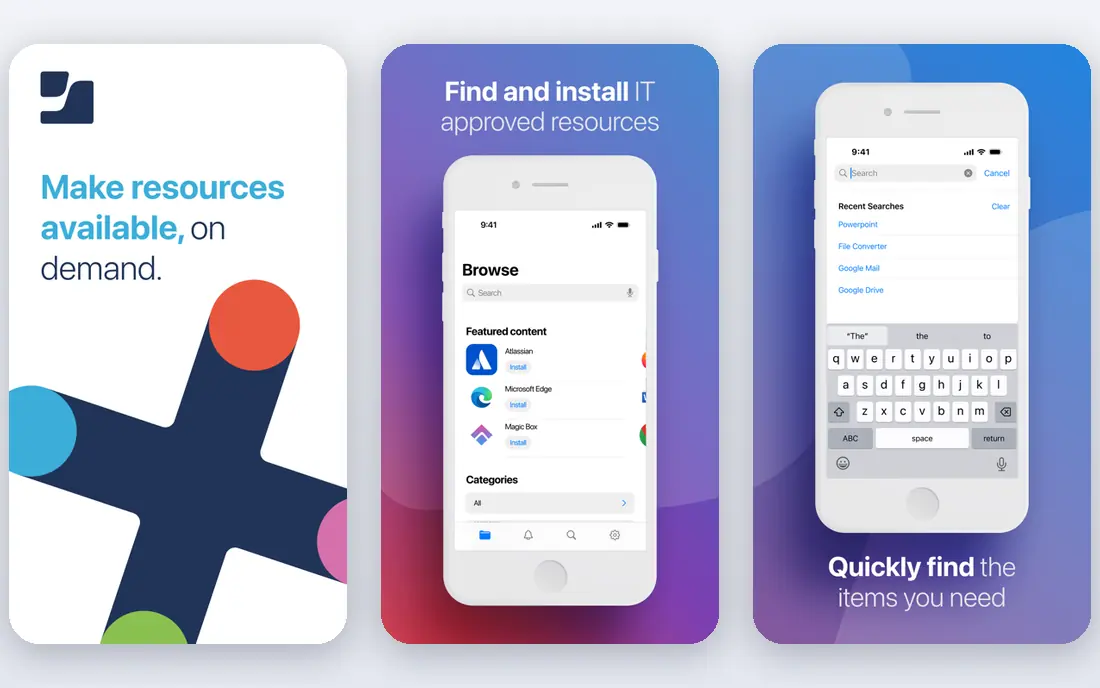
Jamf Pro is the deepest Apple management platform on this list, and it is the standard choice for large Apple fleets in schools, businesses and public organisations. It covers automated device enrolment, app deployment, configuration profiles, patch management and compliance reporting, with a depth of Apple-specific controls that cross-platform tools rarely match. For an IT team that manages hundreds or thousands of Macs, iPhones and iPads, that depth is the main reason to choose Jamf Pro over a simpler tool.
The trade-off is cost and effort. Jamf Pro pricing is quote based, often sold as part of a Jamf business bundle, and it rewards a team with IT staff who can build smart groups, policies and workflows. A small business with ten devices will find it more than it needs, and should look at Jamf Now instead. For a large Apple estate with real IT complexity, Jamf Pro is the strongest SimpleMDM alternative.
- Deepest Apple integration
- Automated enrolment and app management
- Strong reporting
- Pricing is quote based
- Depth needs IT time
- Minimums can suit larger fleets
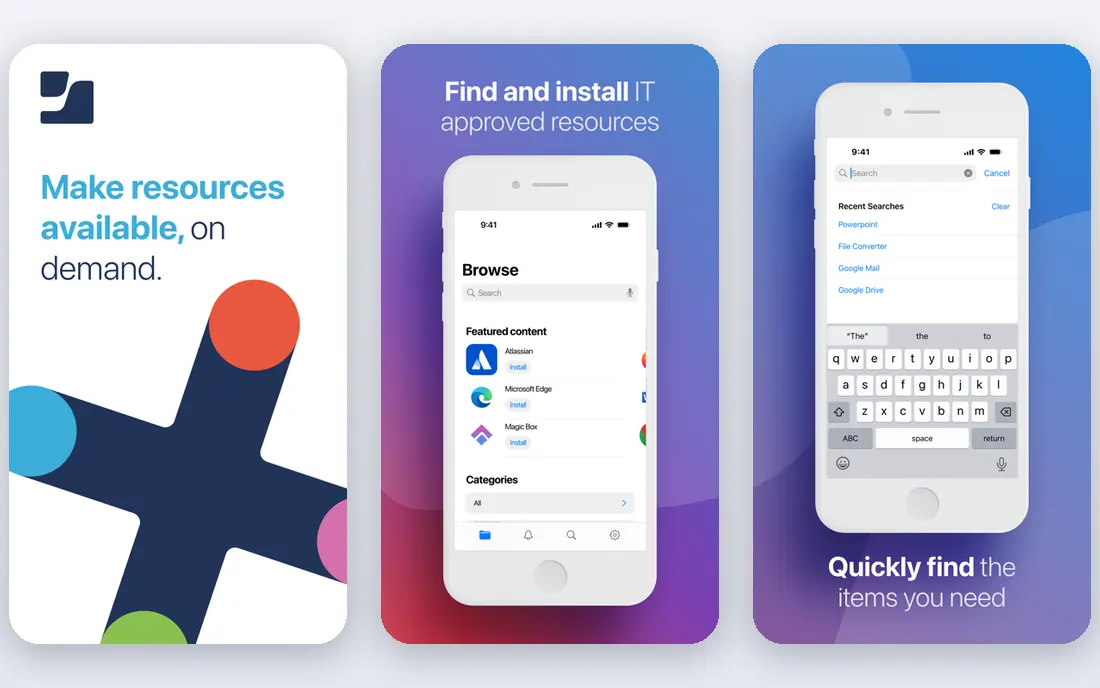
Jamf Now is the small-business version of Jamf, built for teams without an IT department that need to manage a handful of Apple devices. It offers enrolment, app deployment, basic policies and device inventory in a simpler console, with a free tier for a small number of devices. That makes it a natural next step for a business that has outgrown manual setup but does not need enterprise depth, and it is the closest Jamf match for a former SimpleMDM user with a small fleet.
The limits are depth and scale. Jamf Now covers the basics well, but it does not offer the full policy, reporting and automation depth of Jamf Pro, and it is Apple only, so a mixed fleet will need another tool. A team that grows past a few dozen devices should plan a move to Jamf Pro or another larger platform. For a five to twenty device business, Jamf Now is a practical and low-risk pick.
- Built for small businesses
- First devices free
- No long contract in many cases
- Less depth than Jamf Pro
- Apple only
- Larger fleets will outgrow it
Mosyle is the budget Apple-only alternative, with a free tier for small deployments and paid plans that are low cost per device compared with Jamf Pro. It covers enrolment, app management, policies and security features, with higher tiers bundling endpoint security for Macs. That value makes Mosyle popular with schools and small businesses that need real Apple management but cannot justify enterprise pricing, and it is a strong SimpleMDM alternative on cost alone.
The catch is setup effort. Mosyle has a steeper learning curve than SimpleMDM or Jamf Now, and paid plans may require a minimum device count, so a very small fleet should check terms carefully. It is also Apple only, so mixed fleets need a different tool. If cost is the main driver and your team is comfortable with a more hands-on setup, Mosyle is a strong choice. If ease matters more than price, Jamf Now may be worth the extra cost.
- Low cost Apple management
- Free tier for small deployments
- Security options on higher tiers
- Learning curve can be steep
- Paid plans may need a device minimum
- Apple only
Iru is the current name for the platform formerly known as Kandji, which rebranded in late 2025 and moved upmarket with broader endpoint security and identity features. It focuses on automated Apple management, with pre-built compliance controls, automated patching and device configuration that aim to keep Macs and iOS devices secure with less manual work. For an Apple team that wants automation and a modern console, Iru remains a credible SimpleMDM alternative.
The trade-off is price and fit. Iru pricing is now quote based and aimed at larger organisations, with higher device minimums than the old Kandji small-team offer, so a small business may find it out of reach. Buyers should also note the name change, since older guides and reviews still call it Kandji. If you run a larger Apple fleet and want automated compliance, Iru is worth a demo. If you run a small fleet, Mosyle or Jamf Now will fit better.
- Automated Apple management and compliance
- Modern console
- Strong security focus
- Pricing is quote based and now aimed at larger teams
- Former Kandji name can confuse buyers
Addigy is aimed at IT providers and managed service providers that manage Apple devices for many clients, rather than at a single business managing its own fleet. Its strength is multi-tenant management: a provider can see many client fleets, push policies and apps, monitor devices live and support users from one console. That model suits an MSP that needs to scale Apple support across dozens of small clients without a separate console for each one.
The catch for a single business is fit. Addigy is usually bought through a provider or consultant, not set up alone by a small office, and pricing is quote based. A business that hires an MSP may well end up on Addigy without choosing it directly, which is fine, since the provider does the work. A business that wants to run MDM itself should pick Jamf Now, Mosyle or Hexnode instead, depending on device mix.
- Multi-client management
- Apple-focused tools
- Live device monitoring
- Aimed at providers, not single businesses
- Pricing is quote based
- Setup needs IT skill
Hexnode UEM is a cross-platform unified endpoint management tool that covers Apple, Android, Windows and other systems, including kiosk and frontline devices. That breadth makes it a strong SimpleMDM alternative for a business whose fleet is not all Apple, since one console can manage phones, tablets, laptops and shared devices. It offers enrolment, app management, policies, remote actions and kiosk modes, with a low starting price compared with enterprise Apple tools.
The trade-off is Apple depth. Hexnode covers Apple well, but it does not match Jamf Pro on the deepest Apple-specific controls, and its broad feature set can feel less focused for an all-Apple team. For a mixed fleet, that trade is worth it, since one tool replaces several. For an all-Apple fleet at scale, Jamf Pro or Iru will give more Apple depth. Check your exact device mix first, and trial Hexnode on each platform you actually use.
- Covers Apple, Android, Windows and more
- Kiosk and frontline support
- Low starting price
- Apple depth is thinner than Jamf
- Large feature set can feel broad rather than deep
Microsoft Intune is the natural pick for a business already running Microsoft 365, since it manages Windows, macOS, iOS and Android devices inside the same Microsoft security and identity story. It covers enrolment, app deployment, configuration, compliance and conditional access, so a device that fails compliance can be blocked from company data. That link to Entra ID and Microsoft security tools is the main reason to choose Intune over a standalone MDM.
The limits are Apple depth and complexity. Intune manages Apple devices well for standard policies, but it does not match Jamf on the deepest Apple controls, and its console can feel complex for a small team that only needs Apple management. It also delivers best value when Microsoft licensing is already in place, since standalone pricing is less attractive. If your business lives in Microsoft 365, Intune is a strong SimpleMDM alternative. If it does not, a specialist Apple tool will be simpler.
- Strong Microsoft 365 integration
- Cross-platform management
- Compliance and conditional access
- Apple depth is thinner than Jamf
- Setup is complex
- Best value inside Microsoft licensing
JumpCloud combines device management with identity and directory services, so a team can manage users, access and devices from one console. That combination suits a mixed fleet where onboarding and offboarding matter as much as device policies: a new hire gets an account, device access and app access together, and a leaver loses them together. JumpCloud supports Apple, Windows and Linux devices, and it offers a free tier for small teams, which makes it easy to trial.
The trade-off is MDM depth. JumpCloud device management is solid for standard policies, but it does not match Jamf Pro on Apple-specific depth, and the identity features add complexity for a buyer who only wants MDM. A team that already needs a directory or identity tool will get the most from JumpCloud, since one contract covers both jobs. A team that only needs Apple MDM should compare it with Mosyle and Jamf Now first.
- Device and identity in one console
- Cross-platform support
- Free tier for small teams
- MDM depth is thinner than Jamf
- Identity features add complexity for device-only buyers
Fleet is an open source device management platform that treats devices as code, letting engineering teams define policies, queries and configuration in version-controlled files. It is built on osquery, which gives strong visibility into device state, and it supports Apple, Windows and Linux endpoints. That model suits engineering-led teams that want device management in the same workflow as code, with audit trails and repeatable configuration, rather than clicks in a console alone.
The catch is skill and effort. Fleet needs engineering time to set up and run, and its support ecosystem is smaller than Jamf or Microsoft, so a non-technical team will find it hard going. It also offers a free open source tier, with paid features for larger teams, so cost is not the barrier, skill is. If your team manages devices as code and wants open source control, Fleet is a distinctive SimpleMDM alternative. If you want a simple console, Jamf Now or Mosyle will be far easier.
- Open source core
- Devices managed as code
- Strong visibility and query tools
- Needs engineering skill
- Setup is hands-on
- Smaller support ecosystem than large rivals
How we picked these
We compared official feature and pricing pages for Apple and cross-platform device management tools that are live in October 2026. We kept a mix of Apple specialists, small-business tools, MSP tools and cross-platform platforms, so a team can match the tool to its device mix and its IT skill. We did not include SimpleMDM itself, we did not claim hands-on testing, and we marked pricing as See website where vendors quote by device count, tier or licensing bundle.
How to choose an MDM without buying too much
Start with your device mix and your admin. All Apple and a small fleet points to Jamf Now or Mosyle. All Apple at scale points to Jamf Pro or Iru. Mixed devices point to Hexnode, Intune or JumpCloud. An MSP relationship points to Addigy. A team that buys an enterprise platform for twenty devices will pay for depth it never uses, while a team that buys a small tool for five hundred devices will outgrow it in months.
Test enrolment, not just the dashboard
Trial enrolment end to end: a new device, a real user, app deployment, a policy change and a remote lock or wipe. Check how long each step takes, whether it works without IT help, and how a lost device is handled. A dashboard demo can hide enrolment friction, and enrolment friction is what decides whether devices actually get managed.
Check privacy and BYOD rules early
If staff use personal devices, confirm how work and personal data are separated, what the company can see, and what happens on wipe. A tool that wipes a whole personal phone is a poor fit for BYOD, while a tool with managed apps and separate work profiles may be acceptable. Write the BYOD rule down, share it with staff, and pick a tool that can enforce it, not just promise it.
Frequently asked questions
What is the best SimpleMDM alternative for a small business?
Jamf Now is the best small-business pick for an all-Apple fleet, with a free tier for a few devices and a simple console. Mosyle is the budget pick if cost matters most and your team can handle a steeper setup, while Hexnode suits a small mixed fleet.
Is Kandji still available?
Kandji rebranded to Iru in late 2025, so current vendor materials use the Iru name. Older guides still call it Kandji, but buyers should search for Iru and confirm current pricing and minimums, since the platform has moved upmarket since the rebrand.
Can these tools manage Android and Windows devices too?
Hexnode, Intune, JumpCloud and Fleet manage mixed fleets including Android, Windows and Linux, while Jamf, Mosyle, Iru and Addigy focus on Apple devices. Match the tool to your real device mix, since an Apple-only tool cannot help a Windows laptop, no matter how good it is for Macs.
Do I need MDM for a handful of devices?
You need some form of management once devices hold company email, customer data or app logins, even if the fleet is small. A free tier from Jamf Now, Mosyle or JumpCloud can cover basic enrolment, app control and remote wipe for a few devices, which is far safer than manual setup with no wipe option.
How hard is it to switch from SimpleMDM to another MDM?
Switching takes planning, since devices usually need to be re-enrolled in the new system and policies rebuilt. Start with a small pilot group, rebuild core policies first, and schedule re-enrolment in batches so support is not overwhelmed. Keep the old system running until the pilot group is stable, and confirm app licences and data access before you move the full fleet.
Sources
See where you really rank - block by block
ProMapRanker scans Google Maps across a grid of your service area. Simple monthly plans from $19, white-label on every plan.
Start freeKeep reading
 zoro.to alternatives
Best Zoro.to Alternatives in 2026
We compare the best zoro.to alternatives in 2026, listing only legal licensed anime streaming services, from Crunchyroll to free options for fans today.
Read → zip alternatives
Best Zip Alternatives in 2026
We compare the best zip alternatives for buy now, pay later in 2026, covering pay-in-4 plans, fees, spending limits, and credit reporting options today.
Read → yesware alternatives
Best Yesware Alternatives in 2026
Compare the best yesware alternatives for sales email tracking, templates, and sequences, with current pricing and honest tradeoffs for small sales teams.
Read →