 ProMapRanker
Best Similarweb Pro Alternatives in 2026

Key takeaways
- Semrush and Ahrefs give the broadest replacement for Similarweb Pro, with traffic estimates plus keyword and backlink data in one place.
- SpyFu and Serpstat suit smaller budgets, especially when competitor keywords and paid search history matter more than full market sizing.
- SE Ranking, Moz Pro and Ubersuggest work well for teams that mainly track their own site and a short list of rivals.
- BuiltWith and Leadfeeder answer different questions from traffic tools, so they fit best as add-ons rather than direct swaps.
- Prices change often and several vendors sell by quote, so check the pricing page before you commit to an annual plan.
Quick comparison
| Pick | Great for | Pricing starts at | Free tier | |
|---|---|---|---|---|
 Semrush | Broad competitor and market research | See website | Free trial | Visit |
 Ahrefs | Backlink and keyword depth | See website | Yes | Visit |
 SpyFu | Competitor keywords on a budget | $39 per month | Yes | Visit |
 SE Ranking | All-round tracking for small teams | See website | Free trial | Visit |
 Serpstat | Lower cost all-round research | $69 per month | Free trial | Visit |
 Moz Pro | Beginner friendly tracking | See website | Free trial | Visit |
 Ubersuggest | Simple low cost research | See website | Yes | Visit |
 BuiltWith | Technology and site profiling | See website | Yes | Visit |
 Leadfeeder | Identifying visiting companies | See website | Free trial | Visit |
The best Similarweb Pro alternatives
Similarweb Pro is built around website traffic, audience and market comparison. The tools below cover that ground from different angles, so the right pick depends on whether you need traffic estimates, search data, technology data or sales leads.
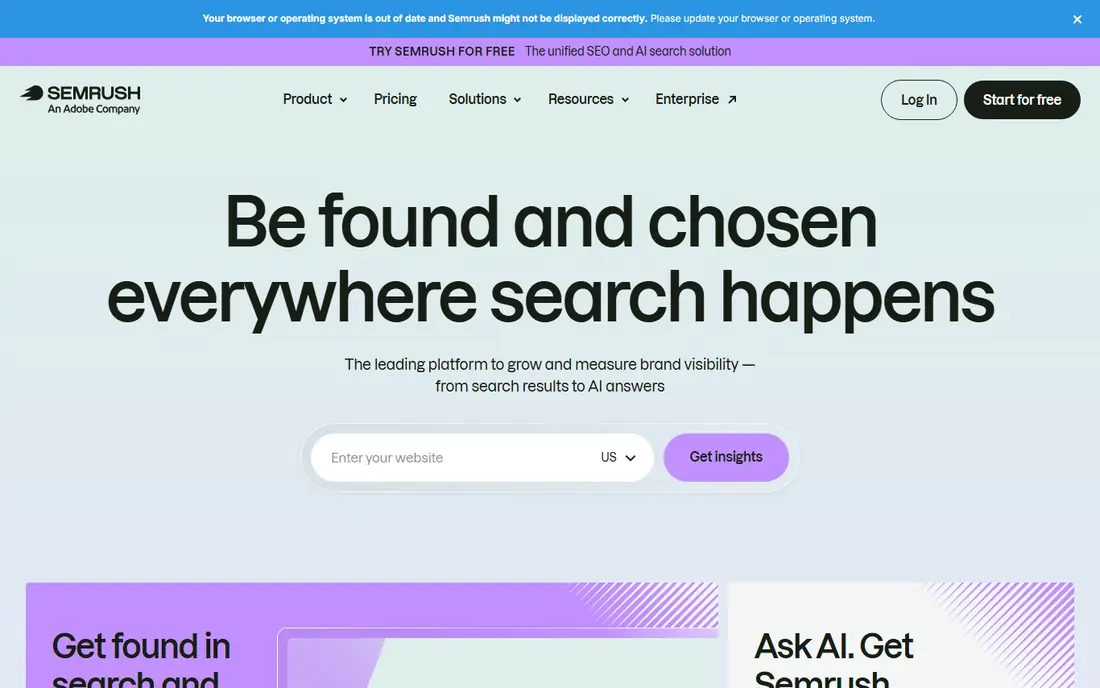
Semrush is the closest all-round substitute for many Similarweb Pro users. Its Traffic Analytics reports show estimated visits, traffic sources and audience behaviour for a domain, while its keyword and advertising tools show how rivals earn that traffic. We like it for teams that need one dashboard for search, paid search and content, rather than a traffic-only view.
The catch is cost and complexity. A small team may pay for dozens of tools it rarely opens, and the interface takes time to learn. If you only need traffic estimates a few times a month, a cheaper specialist may serve you better.
- Wide traffic, keyword, advertising and content tools
- Large keyword database
- Clear competitor comparison reports
- Entry price is high for a single user
- Some features sit on higher tiers
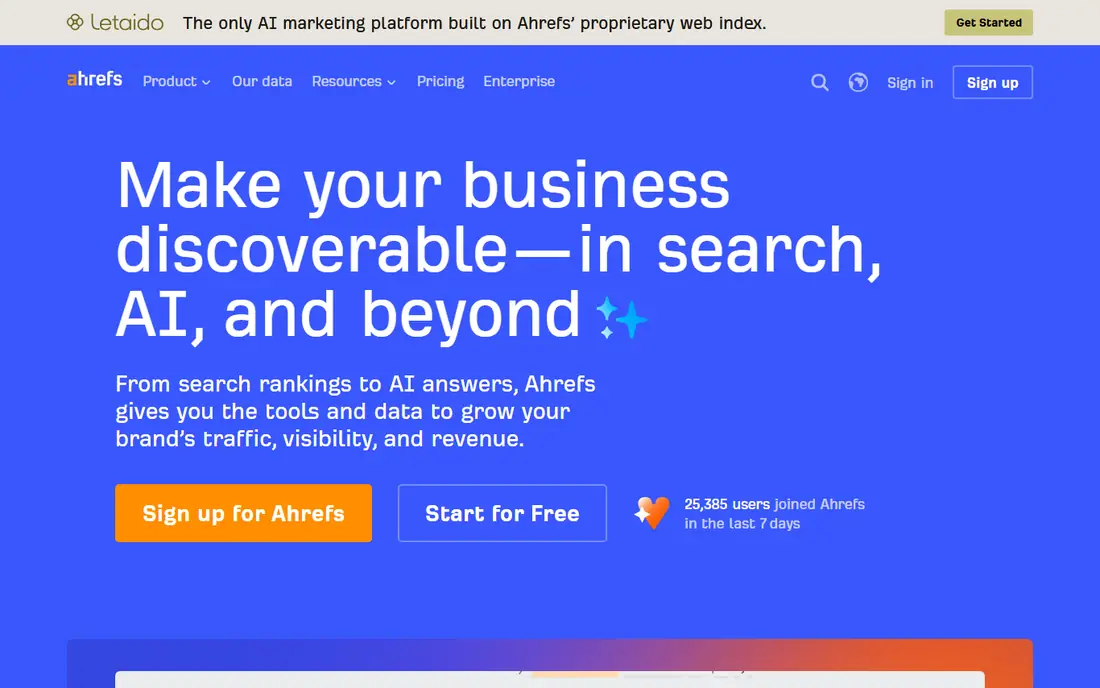
Ahrefs is best known for links and keywords, but its Site Explorer also gives estimated organic traffic and top pages for a rival domain. That makes it a strong pick when your main question is which pages and search terms drive a competitor, rather than total visits across every channel. Its free Webmaster Tools also help owners check their own site without a paid plan.
The trade-off is scope. Ahrefs does not replace a full market sizing study, and its paid plans can feel steep if you only want occasional competitor checks. Teams focused on search will get more value from it than teams focused on display or social traffic.
- Strong backlink index
- Detailed keyword research
- Free Webmaster Tools for sites you own
- Traffic figures are estimates, not measured visits
- Higher tiers add up quickly
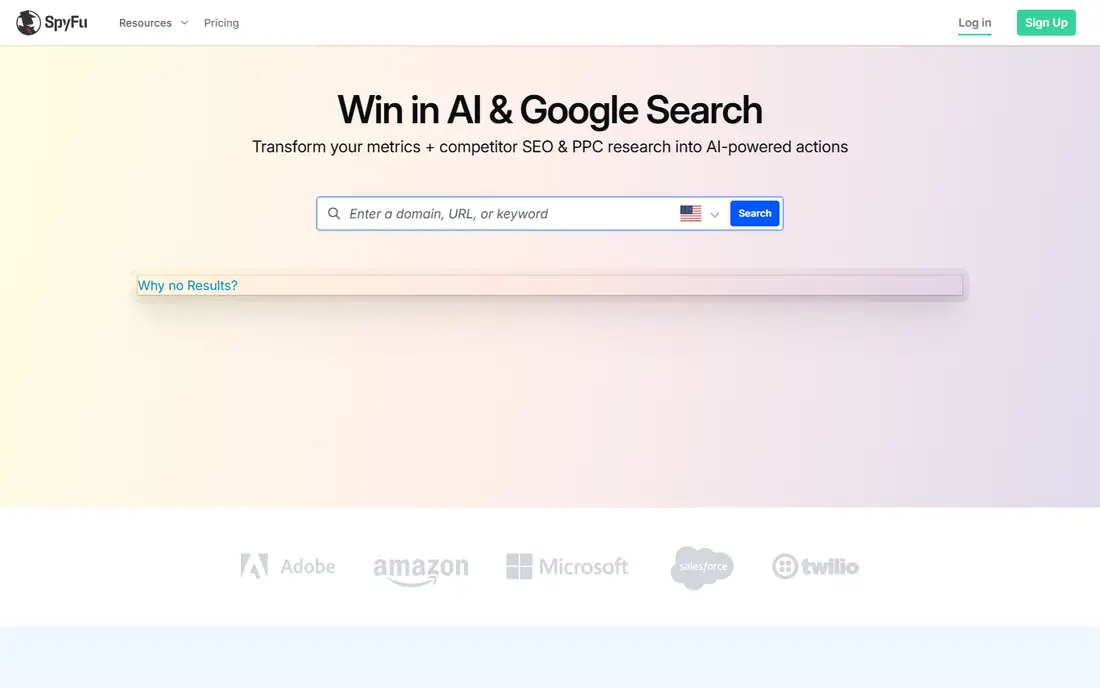
SpyFu stands out for history. It shows keywords a rival has bought or ranked for over time, plus ad copy changes, which helps small teams spot patterns without a large research budget. Limited free searches let you test a domain before paying, and the entry plan is easier to justify than most enterprise tools.
Its limits show when you need audience demographics, app data or broad market share. Treat SpyFu as a search competitor tool first and a traffic tool second, and pair it with your own analytics for ground truth.
- Long competitor keyword and ad history
- Lower entry price
- Simple competitor comparison
- Traffic estimates are less detailed than Similarweb Pro
- Interface feels dated in places
SE Ranking suits teams that want one practical dashboard rather than several specialist subscriptions. You can track your own rankings, audit your site and compare rivals on keywords and traffic signals, then share reports with clients or managers. The layout is easier to learn than some larger suites.
It is not the deepest source for any single data type. If backlink analysis or market sizing is your core job, a specialist will give you more detail. For day to day search work with occasional competitor checks, it is a sensible middle ground.
- Rank tracking, audits and competitor research in one tool
- Clear reporting
- Reasonable team options
- Backlink data is thinner than Ahrefs
- Traffic estimates are a secondary feature
Serpstat covers the main search research jobs at a price below the largest suites. Its domain reports show rival keywords, ads and top pages, which is enough for many small businesses to plan content and spot gaps. The audit tools also help you fix your own site while you study rivals.
The honest catch is coverage. In smaller markets or niches, its data can be thinner than Semrush or Ahrefs, so check your own competitors before you pay for a year. A short trial with your real rival list is the best test.
- Keyword, backlink and audit tools at a lower entry price
- Useful competitor domain reports
- Team plans available
- Data depth varies by market
- Traffic data is an estimate
Moz Pro is a good fit when your team is still learning search research. Its Keyword Explorer explains difficulty and opportunity in plain terms, and its campaign tracking keeps rankings, links and site issues in one place. New users tend to get useful answers faster here than in a dense enterprise dashboard.
Experienced analysts may miss depth, especially for large backlink studies or detailed traffic breakdowns. Moz Pro works best as a practical tracking and planning tool, not as a full market intelligence replacement.
- Clear explanations and guidance
- Useful domain metrics
- Approachable interface for new users
- Backlink index is smaller than Ahrefs
- Traffic estimates are limited
Ubersuggest is the low friction option. Type in a rival domain and you get an overview of estimated traffic, top keywords and content ideas without a steep learning curve. For a solo owner or a small content team, that simplicity is a real benefit, and the free tier covers occasional checks.
Heavy research teams will hit limits quickly. The tool is best for planning posts and checking a handful of rivals, not for building a detailed market model. Pair it with Google Search Console for your own verified traffic.
- Easy keyword and domain overviews
- Low cost entry
- Limited free searches for quick checks
- Data depth is below the larger suites
- Daily free limits can frustrate heavy users
BuiltWith answers a different question: what is a site built with, and which other sites use the same tools. That is valuable when you sell software, services or hosting, or when you want to see which platforms rivals rely on. A free lookup gives a quick snapshot for one domain.
Do not buy it expecting Similarweb style visit counts. It complements a traffic tool rather than replacing one, and its best use is prospecting and technology research alongside a search or traffic product.
- Shows the technology stack behind a site
- Useful for lead lists and trend checks
- Free lookups for single sites
- Not a traffic measurement tool
- Detailed lists require a paid plan
Leadfeeder focuses on your own traffic, not a rival's. It identifies companies that visit your site, shows which pages they viewed and sends those leads to sales tools. For a business to business team, that direct sales value can matter more than a rival traffic estimate.
The limit is clear: it will not tell you how much traffic a competitor gets or where that traffic comes from. Use it when the goal is turning your own visits into conversations, and keep a separate tool for market comparison.
- Turns anonymous website visits into company leads
- Integrates with common CRMs
- Useful for business to business sales
- Not a competitor traffic tool
- Identification depends on company networks and data quality
How we picked these
We compared official product pages, pricing pages and public feature descriptions for traffic, keyword, backlink and lead tools that overlap with Similarweb Pro. We favoured tools that are live in October 2026, that publish a clear use case, and that cover different budgets and team sizes. We did not claim hands-on testing, and we marked prices as See website where vendor pricing was quote based or changed between sources.
What to check before you choose
Start with the question you need answered each week. If it is total traffic and channel mix, favour Semrush or a traffic focused report. If it is search rankings and links, favour Ahrefs, SE Ranking or Serpstat. If it is sales leads from your own site, Leadfeeder or BuiltWith may be more useful than any traffic estimate.
Next, test with your real rivals. Run the same five domains through a trial and compare the traffic, keyword and page results with your own analytics where you can. Estimates differ between vendors, so a tool that looks strong on a famous site may be thin on your niche rivals. Finally, check seat limits, report limits and renewal terms before an annual plan, since those limits often matter more than the headline monthly price.
Frequently asked questions
What is the closest alternative to Similarweb Pro?
Semrush is the closest all-round match for most teams, because it combines traffic estimates with keyword, advertising and content research. Ahrefs is closer if search and backlinks are your main focus. The best test is to run your own rival list through both trials and compare the results.
Can I get Similarweb Pro data for free?
You can get limited free data from several tools, including Ahrefs Webmaster Tools for your own site and limited free searches from SpyFu, Ubersuggest and BuiltWith. Free tiers rarely include full competitor traffic history or market sizing, so they suit occasional checks rather than ongoing market research.
Are traffic estimates from these tools exact?
No. Most tools estimate visits from panels, search data and models, so figures differ between vendors. Use them to compare rivals and spot trends, and use your own analytics for exact numbers on your own site. Large differences between tools usually mean different methods, not a broken report.
Which alternative is best on a small budget?
SpyFu and Serpstat are strong budget picks for competitor keyword work, while Ubersuggest suits simple research at a lower cost. If you only need data for your own site, Google Search Console plus Ahrefs Webmaster Tools can cover a lot at no cost.
Do I still need Similarweb Pro if I use Ahrefs or Semrush?
It depends on your job. Search teams often do fine without it, while market researchers who need audience, app and broad channel data may still want a traffic specialist. If your reports centre on market share and category trends, keep a traffic tool in the stack.
Sources
See where you really rank - block by block
ProMapRanker scans Google Maps across a grid of your service area. Simple monthly plans from $19, white-label on every plan.
Start freeKeep reading
 zoro.to alternatives
Best Zoro.to Alternatives in 2026
We compare the best zoro.to alternatives in 2026, listing only legal licensed anime streaming services, from Crunchyroll to free options for fans today.
Read → zip alternatives
Best Zip Alternatives in 2026
We compare the best zip alternatives for buy now, pay later in 2026, covering pay-in-4 plans, fees, spending limits, and credit reporting options today.
Read → yesware alternatives
Best Yesware Alternatives in 2026
Compare the best yesware alternatives for sales email tracking, templates, and sequences, with current pricing and honest tradeoffs for small sales teams.
Read →