 ProMapRanker
Semrush Alternatives in 2026

Key takeaways
- Ahrefs is the closest all-round rival for backlink and keyword depth, while SE Ranking suits agencies that need client reporting.
- Moz Pro and Mangools are easier starting points for small teams, with lower entry prices than the big suites.
- SpyFu stands out for competitor and PPC history, while Ubersuggest suits tight budgets.
- Rank tracking limits and update frequency differ a lot, so check those limits before you switch.
Quick comparison
| Pick | Great for | Pricing starts at | Free tier | |
|---|---|---|---|---|
 Ahrefs | Backlink and keyword research depth | $29 per month | Yes | Visit |
 Moz Pro | Beginners and small teams | $49 per month | Free trial (7 days) | Visit |
 SE Ranking | Agencies and all-in-one SEO | $129 per month | Free trial (14 days) | Visit |
 Mangools | Simple keyword research for bloggers | $29.90 per month | Free trial | Visit |
 SpyFu | Competitor PPC and SEO history | $39 per month | Yes | Visit |
 Ubersuggest | Budget all-in-one SEO | $29 per month | Yes | Visit |
 Serpstat | Growth teams on a budget | See website | Free trial | Visit |
 Screaming Frog SEO Spider | Technical site crawling | $279 per year | Yes | Visit |
The best semrush alternatives in 2026
If Semrush feels too expensive or too broad, several alternatives cover keyword research, backlink checks and rank tracking well. The right switch depends on whether you need depth, simplicity or agency reporting.
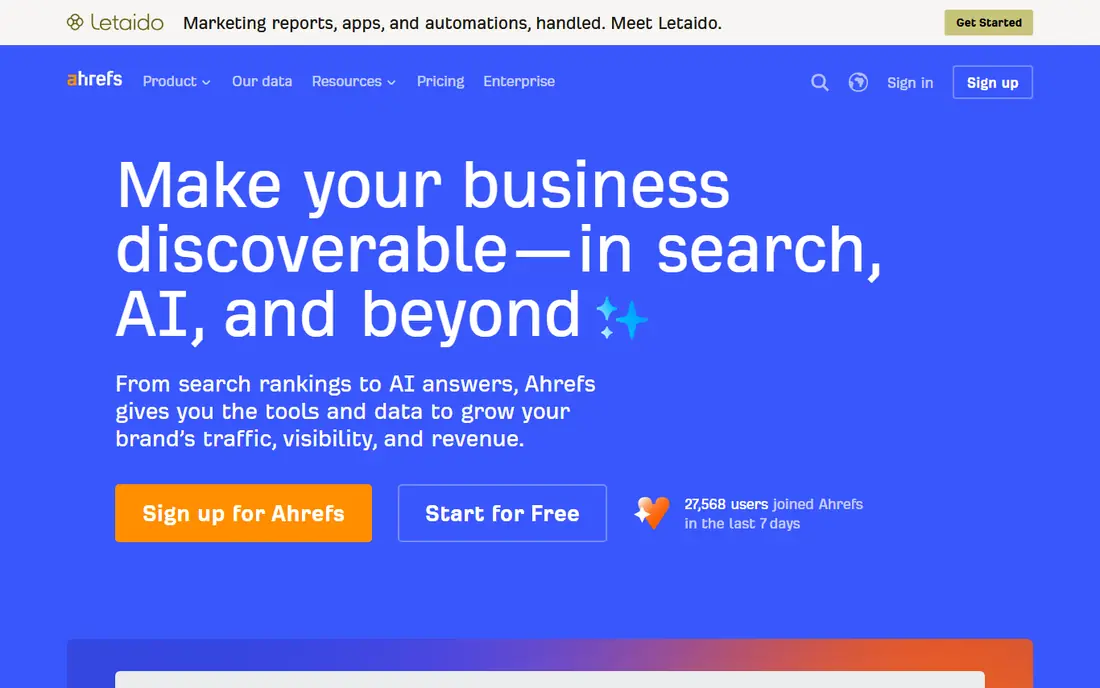
For many readers, Ahrefs is the first name worth trying, because it focuses on one job and does it clearly. It is best for backlink and keyword research depth. Ahrefs gives deep backlink and keyword data that many SEOs treat as a reference point, with a site explorer that shows competitor links clearly. In daily use, that strength is what most people notice first, and it helps explain why this option keeps appearing in current roundups and vendor documentation.
The catch is price at scale, since extra seats and more frequent rank updates add cost, so small teams should check the Starter limits first. That trade-off does not make it a poor choice, but it does mean you should weigh it against how you plan to use it. Try the free option first if one is offered, and check whether the paid limits match how often you will actually use it. If it fits your routine and budget, it can serve you well for a long time.
- Large backlink index
- Strong keyword explorer
- Useful site audit
- Rank updates can be weekly on lower plans
- Costs rise with seats
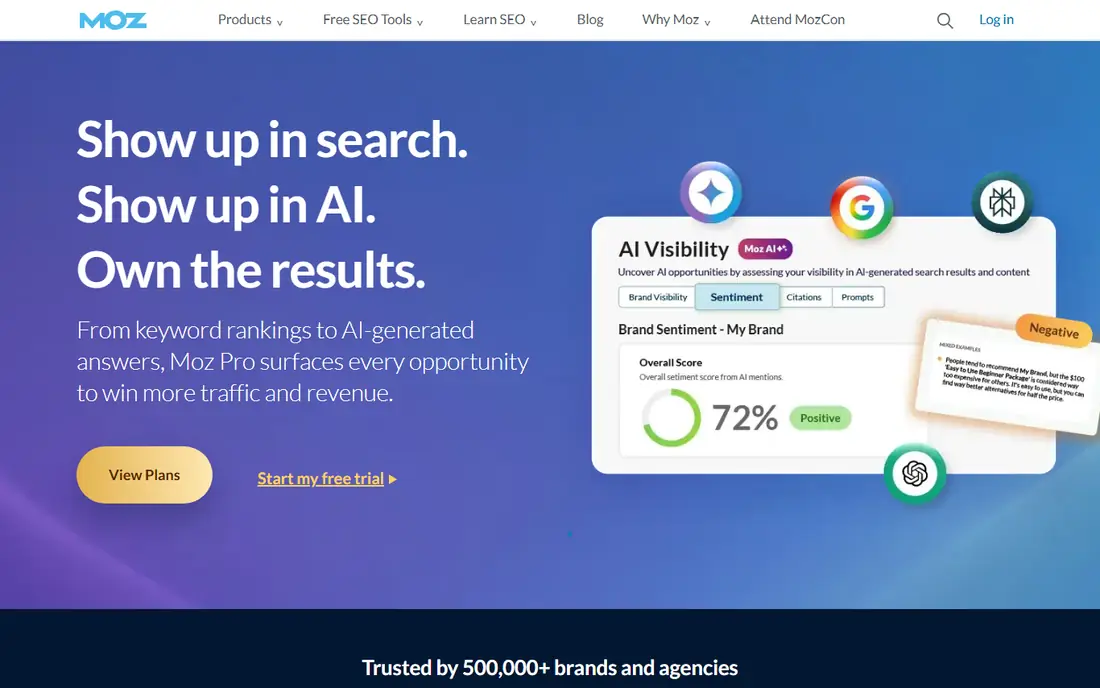
If you want a calmer starting point, Moz Pro deserves a close look, since it keeps the setup short and the daily routine simple. It is best for beginners and small teams. Moz Pro keeps reports readable and metrics familiar, which helps small teams explain results to clients without jargon. In daily use, that strength is what most people notice first, and it helps explain why this option keeps appearing in current roundups and vendor documentation.
Its limits are real on the entry plan, so growing agencies may outgrow the campaign and keyword allowances. That trade-off does not make it a poor choice, but it does mean you should weigh it against how you plan to use it. Before you pay, compare the plan limits with your real weekly use, not with the longest feature list. If it fits your routine and budget, it can serve you well for a long time.
- Readable reports
- Domain Authority metrics
- Useful local tools
- Keyword and campaign limits on lower plans
- Backlink index smaller than Ahrefs
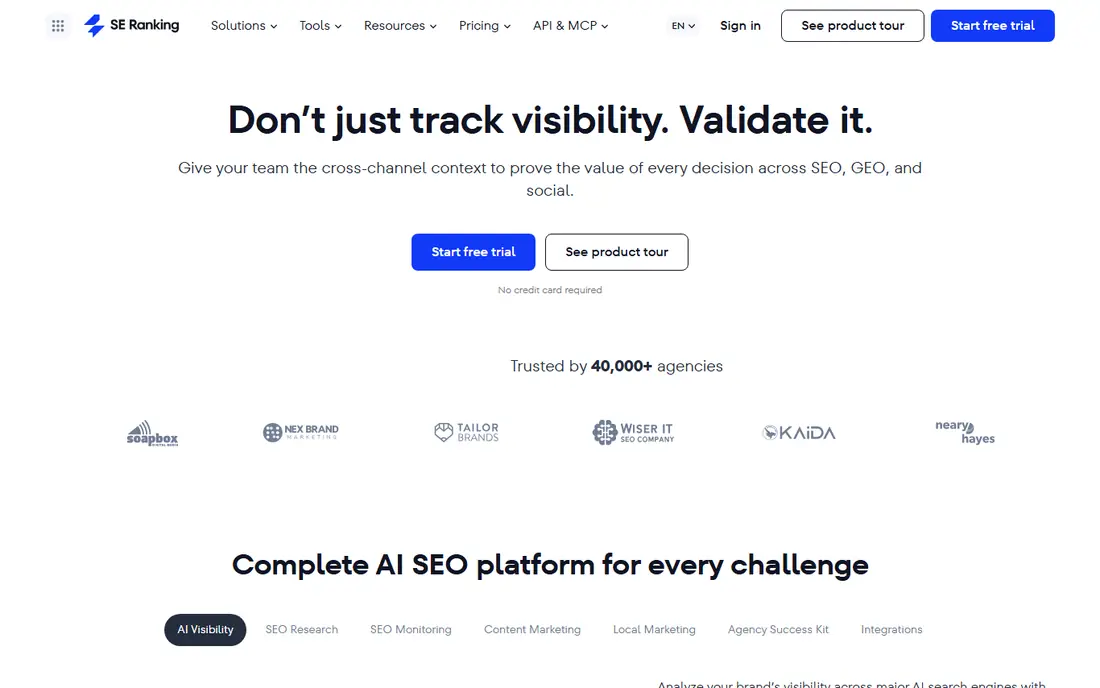
We put SE Ranking on this list for readers who need a practical option rather than a long feature list. It is best for agencies and all-in-one seo. SE Ranking bundles research, rank tracking, audits and client reports, which reduces the need for several separate tools. In daily use, that strength is what most people notice first, and it helps explain why this option keeps appearing in current roundups and vendor documentation.
Solo site owners may find the entry price hard to justify, since cheaper tools cover keyword research alone. That trade-off does not make it a poor choice, but it does mean you should weigh it against how you plan to use it. It is worth a short trial period, because the right fit usually shows up in the first week of daily use. If it fits your routine and budget, it can serve you well for a long time.
- Rank tracking, audit and reporting in one suite
- White-label reports
- Entry price is high for solo users
- Some limits need add-ons
Mangools stands out for a different reason than the leaders above it, and that difference may matter more to you than raw size. It is best for simple keyword research for bloggers. Mangools focuses on keyword research that feels simple, with difficulty scores that help beginners judge which terms are realistic. In daily use, that strength is what most people notice first, and it helps explain why this option keeps appearing in current roundups and vendor documentation.
It is not a full technical audit suite, so teams that need deep crawling should pair it with another tool. That trade-off does not make it a poor choice, but it does mean you should weigh it against how you plan to use it. Check the current pricing page before you subscribe, since plans and limits change during the year. If it fits your routine and budget, it can serve you well for a long time.
- Easy keyword finder
- Clean interface
- Simple rank tracking
- Technical audit is limited
- Tracking frequency is lower on basic plans
A good shortlist should include SpyFu, because it serves a specific kind of user very well. It is best for competitor ppc and seo history. SpyFu shows years of competitor keyword and ad history, which helps with sales research and content planning. In daily use, that strength is what most people notice first, and it helps explain why this option keeps appearing in current roundups and vendor documentation.
Its audit and reporting side is lighter than SE Ranking or Ahrefs, so it works best as a research tool rather than a complete suite. That trade-off does not make it a poor choice, but it does mean you should weigh it against how you plan to use it. Try the free option first if one is offered, and check whether the paid limits match how often you will actually use it. If it fits your routine and budget, it can serve you well for a long time.
- Long competitor history
- PPC keyword data
- Affordable entry plan
- Interface feels dated
- Audit tools are lighter than full suites
Ubersuggest is the quieter choice here, and quiet can be a strength when you want fewer distractions. It is best for budget all-in-one seo. Ubersuggest gives keyword ideas, audits and rank tracking at a price small sites can accept, with a free tier for light use. In daily use, that strength is what most people notice first, and it helps explain why this option keeps appearing in current roundups and vendor documentation.
Data depth is the trade-off, since its keyword and backlink figures are less detailed than the premium suites. That trade-off does not make it a poor choice, but it does mean you should weigh it against how you plan to use it. Before you pay, compare the plan limits with your real weekly use, not with the longest feature list. If it fits your routine and budget, it can serve you well for a long time.
- Low entry price
- Keyword ideas
- Site audit and tracking
- Data depth is thinner than Ahrefs or Semrush
- Some limits on free searches
If the bigger names feel like too much, Serpstat offers a smaller, more focused way to get the same job done. It is best for growth teams on a budget. Serpstat covers research, rank tracking and audits in one lower-priced suite, which suits growth teams that need breadth without a premium bill. In daily use, that strength is what most people notice first, and it helps explain why this option keeps appearing in current roundups and vendor documentation.
Plan details change often, so check the current pricing page and the exact limits for searches and tracked keywords. That trade-off does not make it a poor choice, but it does mean you should weigh it against how you plan to use it. It is worth a short trial period, because the right fit usually shows up in the first week of daily use. If it fits your routine and budget, it can serve you well for a long time.
- All-in-one research, tracking and audit
- Competitive pricing in its tier
- Pricing and limits vary by plan
- Interface takes time to learn
We included Screaming Frog SEO Spider because it answers a need the other picks do not cover as directly. It is best for technical site crawling. Screaming Frog is the technical crawler many SEOs trust for audits, with detailed exports for redirects, titles and broken links. In daily use, that strength is what most people notice first, and it helps explain why this option keeps appearing in current roundups and vendor documentation.
It does not replace a keyword suite, so most users pair it with Ahrefs, Moz or another research tool for keyword data. That trade-off does not make it a poor choice, but it does mean you should weigh it against how you plan to use it. Check the current pricing page before you subscribe, since plans and limits change during the year. If it fits your routine and budget, it can serve you well for a long time.
- Excellent technical crawler
- Detailed audit exports
- Desktop control
- Desktop only
- No keyword database or rank tracking built in
How we picked these
We compared official pricing pages, feature lists and current roundups for tools that cover at least part of the Semrush job. We favored tools that are still sold and supported in October 2026, and we noted where rank tracking, backlink depth or audit coverage was limited. Where pricing was unclear, we wrote See website.
What to check before you switch
Start with the job you actually do each week. If backlinks matter most, prioritize index depth. If client reports matter most, prioritize white-label reporting and rank tracking limits.
Next, compare limits, not just monthly price. Tracked keywords, projects, seats and update frequency decide the real cost, and add-ons can change the total quickly.
Finally, run both tools for a short overlap if you can. Export your history before cancelling, since rank history does not transfer cleanly between platforms.
Frequently asked questions
What are the best Semrush alternatives for small businesses?
Moz Pro, Mangools and Ubersuggest are strong small-business picks, because they cover keyword research and basic tracking at lower prices than full suites.
What are the best alternatives to Semrush for backlinks?
Ahrefs is the strongest backlink alternative in this list, thanks to its large index and site explorer. Moz Pro is a useful second choice for authority metrics.
Are there free Semrush alternatives?
Yes, in part. Ahrefs offers a free tier for sites you own, Ubersuggest and SpyFu offer limited free searches, and Screaming Frog offers a free desktop version with limits.
What is the best alternative to Semrush for agencies?
SE Ranking is a strong agency pick, because it bundles rank tracking, audits and white-label reports. Ahrefs also works well for agencies that focus on links and research.
Should I replace Semrush with one tool or two?
Many teams use two tools, for example Screaming Frog for technical audits plus Ahrefs or Mangools for keyword research. That split often costs less than one premium suite.
Sources
See where you really rank - block by block
ProMapRanker scans Google Maps across a grid of your service area. Simple monthly plans from $19, white-label on every plan.
Start freeKeep reading
 youtube alternatives
Best YouTube Alternatives in 2026
Looking for youtube alternatives in 2026? We compare Vimeo, Dailymotion, Twitch, Rumble, and more on price, audience, monetization, control and privacy.
Read → what's the best ai tool for photo editing
What Is the Best AI Tool for Photo Editing in 2026
What is the best AI tool for photo editing? We compare ten tools for 2026, from Photoshop and Lightroom to Luminar, Topaz, Canva and mobile editors today.
Read → twitter alternatives
Best Twitter Alternatives in 2026
Compare the best twitter alternatives for 2026, from Bluesky, Threads, and Mastodon to Reddit, Tumblr, and Micro.blog, with free plans and audience notes.
Read →