 ProMapRanker
Best Quarter Round Alternatives in 2026

Key takeaways
- In this article, quarter round means the small curved trim that covers the gap between a floor and a baseboard. We list trim products that do the same job with a different profile or material.
- Base shoe is the closest direct swap. It is taller and thinner than quarter round, so it looks slimmer against a modern baseboard.
- Cove moulding gives a soft concave shadow line, while flat stock gives a crisp square edge for a minimal look.
- Flexible and PVC trims suit curved walls, bathrooms, and other damp or uneven spots where rigid wood is harder to fit.
- Caulk alone only suits tiny fixed gaps. Floating floors need room to expand, so a trim piece is usually the safer choice.
Quick comparison
| Pick | Great for | Pricing starts at | Free tier | |
|---|---|---|---|---|
 Metrie Base Shoe Moulding | Slim modern finish | See website | No | Visit |
 Ekena Millwork Flexible Moulding | Curved walls and arches | See website | No | Visit |
 House of Fara Base Shoe Moulding | Stained hardwood floors | See website | No | Visit |
 Alex Moulding Primed Shoe Moulding | Painted trim on a budget | See website | No | Visit |
 InstaTrim Peel and Stick Trim | Quick no-nail fitting | See website | No | Visit |
 AZEK PVC Cove Moulding | Damp rooms and exterior edges | See website | No | Visit |
 DAP Alex Plus Caulk | Tiny fixed gaps only | See website | No | Visit |
 Woodgrain Flat Stock Trim | Minimal square edge | See website | No | Visit |
The best quarter round alternatives
Quarter round is a quarter circle profile that hides the expansion gap between a floating floor and the wall. It works well, but its full round shape can look bulky in a modern room. The products below replace it in different ways. Some change the shape, some change the material, and one is only for very small gaps. We compared maker descriptions, profiles, and materials, and we kept the focus on products that cover a floor to baseboard gap in a normal home.

Metrie base shoe is the first product to look at if you like quarter round but want a quieter line at the floor. Base shoe is taller than it is wide, so it projects less from the baseboard and reads as a thin shadow rather than a round bead. That suits flat, modern baseboards and rooms where you want the floor, not the trim, to draw the eye.
Fitting is much like quarter round. You cut it to length, cope or mitre the corners, and fix it to the baseboard, not to the floor, so a floating floor can still move beneath it. Check the gap before you buy. Base shoe covers a smaller depth than quarter round, so a wide or uneven gap may still show. Measure the largest gap in the room, not the average one.
- Slimmer profile than quarter round
- Wide range of sizes and finishes
- Widely stocked by trim suppliers
- Thinner edge can be less forgiving over large gaps
- Painted versions need priming and painting
Rigid quarter round fails on a curved wall. It either gaps or forces you into short, choppy segments. Ekena flexible moulding is made to bend, so it can follow a gentle curve or an arch without those breaks. That makes it a strong choice for bay areas, rounded corners, and older homes where walls are rarely straight.
Flexible trim still needs a solid fixing plan. Use adhesive and pins as the maker directs, and hold the curve in place while it sets. It also helps to paint after fitting, since paint can bridge small joints. If your wall is straight, flexible trim adds cost for no gain, so save it for the curves.
- Bends to follow curves
- Paintable
- Useful where rigid trim would need many short cuts
- Can cost more per length than rigid trim
- Needs careful fixing so it holds its curve
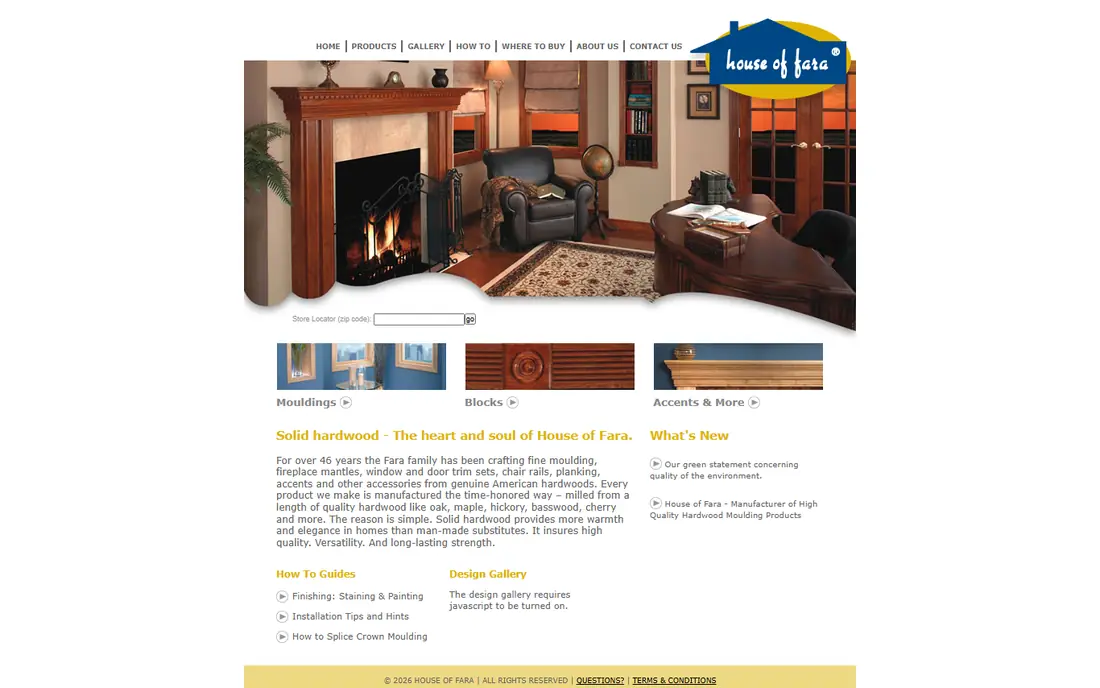
House of Fara makes base shoe in hardwood, which matters when the floor is stained wood and a painted trim would stand out. A stained hardwood shoe can blend with oak, maple, or other common floor woods, and it ages in a similar way to the floor itself. That blend is hard to get from a painted MDF piece.
Do a stain test before you commit to a whole room. The same stain can look different on trim wood than on floor boards, because grain and density differ. Cut a short offcut, stain it, and check it in daylight next to the floor. The extra hour is worth it, since trim runs the full length of every wall.
- Real hardwood options
- Stains to match wood floors
- Traditional base shoe profile
- Hardwood costs more than MDF
- Stain matching takes a test piece
Alex Moulding primed shoe moulding is a practical pick for painted rooms. The primer coat means you can move straight to a finish coat, and the profile stays consistent along the length. For a whole house repaint, that consistency saves time at the cutting and painting stage.
MDF has limits to respect. It dents under a hard knock from furniture or a vacuum, and it swells if it stays wet. Keep it out of bathrooms and mudrooms unless you seal every cut end and keep water away from the base. In dry living rooms, hallways, and bedrooms, it is a sound, low cost swap for quarter round.
- Primed and ready to paint
- Consistent profile
- Lower cost than hardwood
- MDF dents more easily than hardwood
- Not suited to wet areas without sealing
InstaTrim is a flexible trim strip with adhesive backing, made for people who want a tidy edge without nails, a saw, or filler. You peel, press, and trim to length. That makes it useful for rentals, for quick refreshes, and for spots where nailing into masonry or tile would be a problem.
Surface preparation decides the result. Clean the wall and floor edge, let it dry, and press firmly along the full length. On rough plaster or dusty concrete, the bond can fail, so test a short length first. InstaTrim will not cover a large expansion gap as neatly as a rigid shoe, so measure the gap and check the strip width before you order.
- Peel and stick fitting with no nails
- Flexible
- Easy to cut with scissors or a knife
- Adhesive bond depends on a clean, smooth surface
- Less suited to rough or dusty walls
AZEK PVC trim is a strong choice where water is a regular visitor. Bathrooms, laundry rooms, and covered exterior edges can rot wood trim over time, while PVC keeps its shape. A cove profile gives a concave curve that reads softer than quarter round, with a thin lower edge that sits close to the floor.
Check the fixing method for your surface. On timber, pins work well. On masonry or tile, a construction adhesive is often the better route, and the surface must be clean for a lasting bond. PVC also expands with heat, so follow the maker guidance on gaps at joints. Used in the right room, it outlasts wood with far less upkeep.
- PVC resists moisture and rot
- Paintable
- Holds a clean cove profile
- Can cost more than wood or MDF
- Needs the right adhesive or fixings for the surface
Caulk earns a place here with a clear warning. For a tiny, fixed gap, a bead of paintable acrylic latex caulk can give a clean finish, and it is also the right product to seal the top edge where trim meets the wall. It is cheap, easy to apply, and easy to paint over.
It is not a substitute for trim on a floating floor. Laminate, engineered wood, and vinyl plank floors expand and contract, and a caulk bead across that joint can crack, pull away, or hold the floor in place and cause buckling. Use caulk only where the floor is fixed and the gap is small, and use a trim piece everywhere else.
- Cheap
- Paintable
- Fills hairline gaps and seals the top edge of trim
- Not a trim replacement for floating floors
- Can crack if the gap moves
Flat stock is a simple surfaced board used as a small trim strip, and it gives the most minimal look on this list. With no curve at all, it creates a clean square step from baseboard to floor. That suits contemporary rooms with flat baseboards, where any round profile would look out of place.
The square edge is honest about the floor. If the floor is uneven, a flat strip can show small dips that a curved profile would hide. Check the floor line along each wall before you choose it, and be ready to scribe or shim in spots. When the floor is level, flat stock is one of the cleanest quarter round swaps you can fit.
- Crisp square profile
- Suits contemporary baseboards
- Easy to paint or stain
- Square edge shows uneven floors more clearly
- Covers less depth than quarter round
How we picked these
We compared maker product pages and trim guides for profiles that cover the same floor to baseboard gap as quarter round. We favored products from established trim makers that are live in October 2026, that state their profile and material in public, and that cover a real fitting need: a slimmer profile, a curve, a damp room, or a minimal edge. We left out generic unbranded trim where we could not tie the product to a maker page, and we kept caulk in the list only with its limits stated plainly.
How to choose the right quarter round swap
Start by measuring the gap, not by picking a look. Run a tape along each wall and note the widest gap, since the trim must cover that point along its full length. Base shoe and flat stock cover less depth than quarter round, so a wide gap may force you back to a fuller profile or to refitting the baseboard lower over the floor.
Next, match the material to the room. Painted MDF suits dry rooms and keeps cost down. Hardwood suits stained floors. PVC suits damp rooms and masonry edges. Flexible trim suits curves. A single house can use two or three of these in different rooms, and that is normal. Consistency matters within a room, not across the whole house.
Finally, fix trim to the baseboard, not to a floating floor. The floor needs room to move with temperature and humidity changes. Pin or glue the trim to the wall side, leave the floor side free, and seal the top edge with paintable caulk for a finished line. Our pick for most homes is base shoe from Metrie or House of Fara, with flexible or PVC trim only where the room demands it.
Frequently asked questions
What is the closest alternative to quarter round?
Base shoe, also called shoe moulding, is the closest swap. It covers the same expansion gap but has a taller, thinner profile that looks slimmer against a modern baseboard. It fits in the same way, fixed to the baseboard rather than to the floor.
Can I skip trim and just use caulk?
Only for a tiny gap in a fixed floor. Floating floors need room to expand, and caulk across that joint can crack or restrict movement. For laminate, engineered wood, and vinyl plank, use a trim piece and save caulk for sealing the top edge of the trim.
Is shoe moulding the same as quarter round?
No, though people often use the names for each other. Quarter round is a quarter of a circle, equal in height and depth. Shoe moulding is taller than it is deep, with a flatter curve, so it projects less from the baseboard and looks more refined in modern rooms.
What trim should I use in a bathroom?
PVC or another moisture resistant trim is the safer choice, since wood and MDF can swell or rot with repeated water exposure. Seal cut ends, use a fixing method suited to tile or masonry, and keep the trim clear of standing water where possible.
How do I trim a curved wall without quarter round?
Use a flexible moulding made for curves, or a peel and stick flexible strip for a light duty job. Rigid trim needs many short cuts on a curve and rarely looks clean. Follow the maker fixing guidance and hold the curve while adhesive sets.
Do I need to remove the baseboard to replace quarter round?
Usually no. You can pry off the old quarter round, clean the edge, and fit the new trim to the existing baseboard. Removing and refitting the baseboard lower is a cleaner, trim free option, but it is more work and needs repainting and care to avoid wall damage.
Sources
- https://www.metrie.com
- https://www.ekenamillwork.com
- https://www.houseoffara.com
- https://www.alexmoulding.com
- https://www.instatrim.com
- https://www.azekco.com
- https://www.dap.com
- https://www.woodgrain.com
- https://engineerfix.com/what-are-the-best-alternatives-to-shoe-molding/
- https://engineerfix.com/is-quarter-round-out-of-style/
See where you really rank - block by block
ProMapRanker scans Google Maps across a grid of your service area. Simple monthly plans from $19, white-label on every plan.
Start freeKeep reading
 zoro.to alternatives
Best Zoro.to Alternatives in 2026
We compare the best zoro.to alternatives in 2026, listing only legal licensed anime streaming services, from Crunchyroll to free options for fans today.
Read → zip alternatives
Best Zip Alternatives in 2026
We compare the best zip alternatives for buy now, pay later in 2026, covering pay-in-4 plans, fees, spending limits, and credit reporting options today.
Read → yesware alternatives
Best Yesware Alternatives in 2026
Compare the best yesware alternatives for sales email tracking, templates, and sequences, with current pricing and honest tradeoffs for small sales teams.
Read →