 ProMapRanker
Privacy.com Alternatives in 2026

Key takeaways
- Capital One Eno and Citi Virtual Account Numbers are free for existing cardholders and keep rewards on the main card.
- Revolut and Wise suit international shoppers, with disposable cards and multi-currency balances.
- IronVest, Cloaked, and MySudo add masked emails and phone numbers alongside virtual cards.
- Virtual cards limit exposure if a merchant is breached, but they do not hide identity from law enforcement or bypass fraud checks.
Quick comparison
| Pick | Great for | Pricing starts at | Free tier | |
|---|---|---|---|---|
 Revolut | Disposable cards for international spending | Free | Yes | Visit |
 Wise | Multi-currency virtual debit cards | Free | Yes | Visit |
 Capital One Eno | Free virtual numbers for cardholders | Free | Yes | Visit |
 Citi Virtual Account Numbers | Free virtual numbers for cardholders | Free | Yes | Visit |
 IronVest | Masked cards, emails, and phone numbers | Free | Yes | Visit |
 Cloaked | Identity masking plus masked payments | $9.99 per month | No | Visit |
 MySudo | Separate personas with cards | $1.99 per month | No | Visit |
 Envelope | Budget envelopes with virtual cards | See website | See website | Visit |
 Halocard | Prepaid virtual cards without a US credit file | $15 per month | No | Visit |
The best Privacy.com alternatives
Virtual cards replace your real card number with a separate number for online shopping, often locked to one merchant or set to expire after one use. These tools cover that job for US shoppers, with different funding sources, card types, and privacy extras. This is general payment guidance, not financial advice.
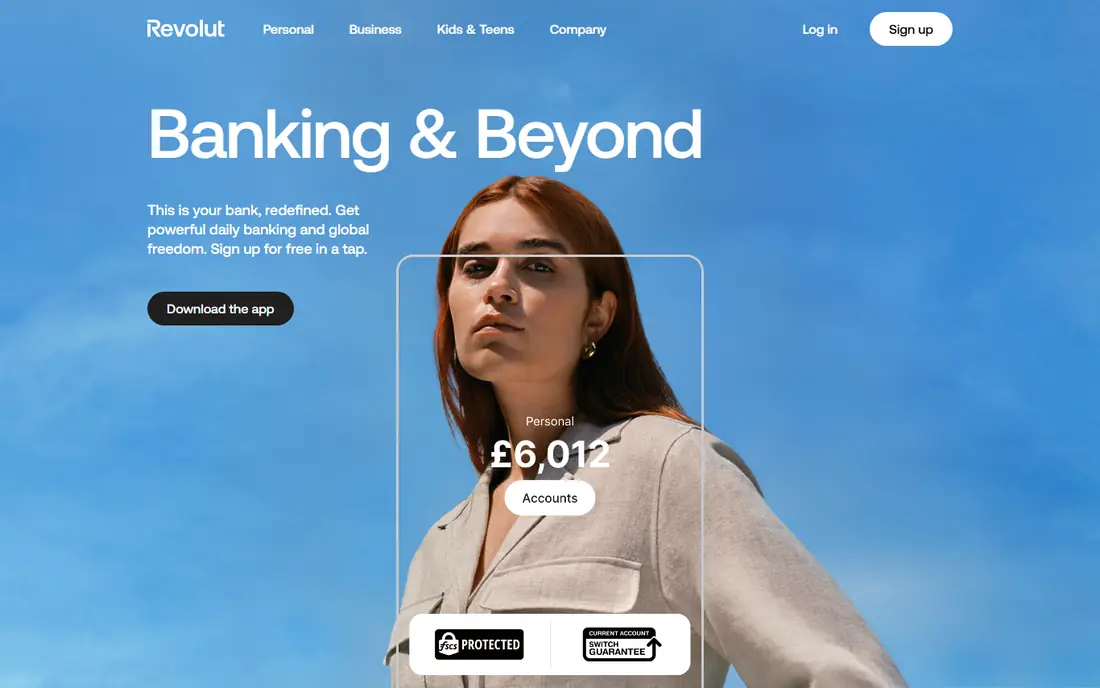
Revolut suits shoppers who travel or buy from international stores. Disposable virtual cards can be used once and then discarded, which limits damage if a merchant database is breached. Multi-currency balances help owners hold and spend in several currencies without converting on every purchase.
Plan details vary by region, so US owners should check the exact US feature list before relying on a UK or EU review. Paid plans at $9.99 or $16.99 a month add more active cards and features, while the free tier covers basic use. For international spending with disposable numbers, Revolut is a strong first pick.
- Disposable single-use virtual cards
- Multi-currency balances
- Free tier available
- Full features need paid plans
- US features differ from UK and EU versions
- Account limits vary by plan
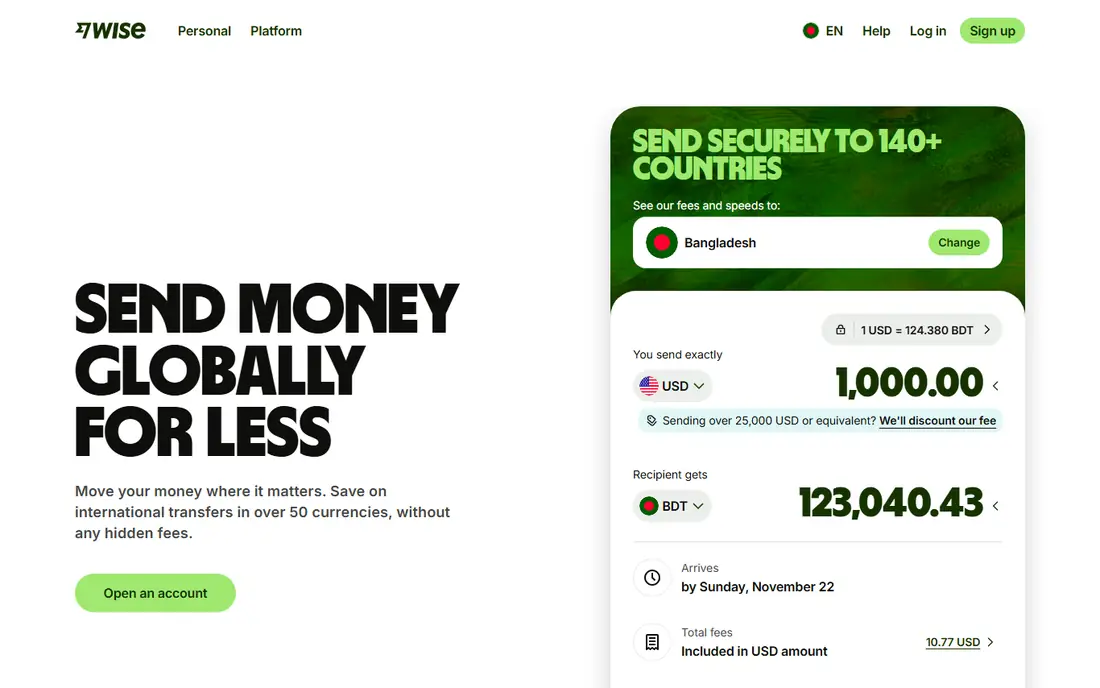
Wise suits shoppers and freelancers who pay in several currencies. The multi-currency account holds balances in many currencies, and virtual debit cards let owners spend those balances online. Exchange at the mid-market rate, with a stated fee, helps owners see the real cost of conversion.
Wise is not a direct clone of Privacy.com, since it does not focus on merchant-locked disposable numbers for every purchase. Card issuance costs around $9 in some comparisons, and features vary by country. For international payments and travel spending, Wise offers clear pricing and broad acceptance.
- Mid-market exchange rates
- Multi-currency account
- Virtual cards for spending abroad
- Card issuance fee around $9 in some comparisons
- Not a merchant-locked card system like Privacy.com
- Features vary by country
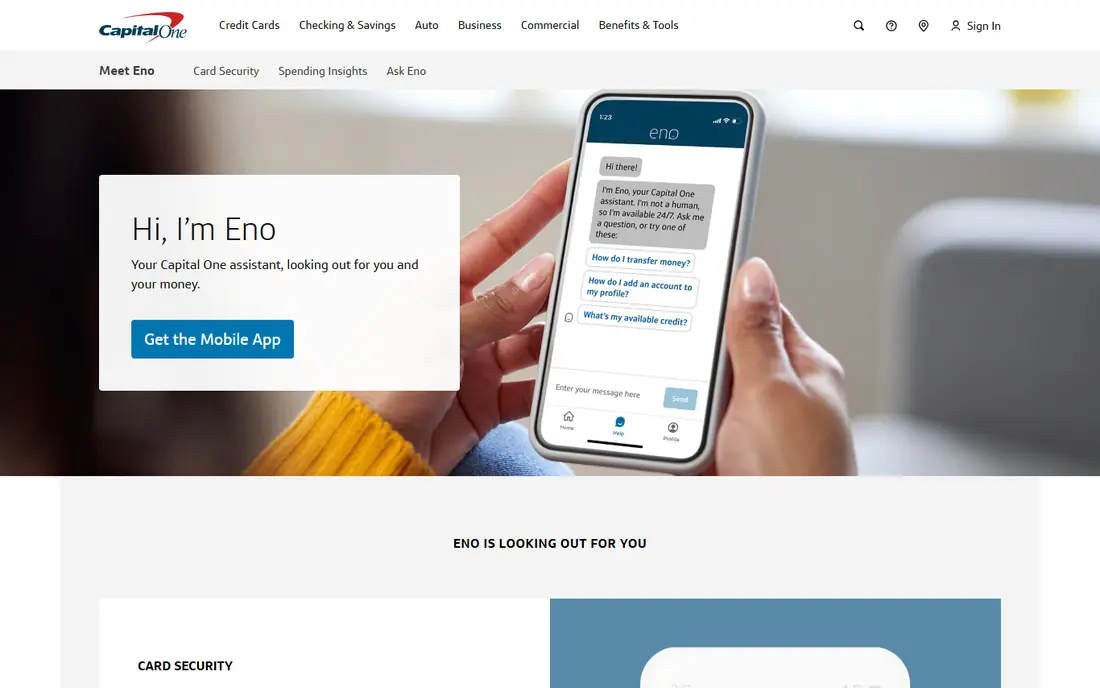
Capital One Eno is the simplest alternative for existing Capital One cardholders. It creates merchant-specific virtual numbers tied to a real Capital One card, so purchases still earn rewards on the main account. There is no extra monthly fee, and numbers can be created and managed from the browser extension or account dashboard.
The limit is eligibility. Owners without an eligible Capital One card cannot use Eno as a standalone tool, and setup requires the extension or app flow. For cardholders who want virtual numbers without a new account, Eno is the easiest and cheapest option.
- Free for eligible cardholders
- Merchant-specific virtual numbers
- Rewards stay on the main card
- Requires an eligible Capital One card
- No standalone account
- Browser extension setup needed
Citi Virtual Account Numbers work the same way as Eno for Citi cardholders. Eligible cardholders can generate a virtual number for online shopping, which keeps the real card number off merchant sites. There is no extra fee, and purchases still flow through the main Citi account.
Availability varies by card type, so not every Citi card qualifies, and controls are simpler than Privacy.com merchant locks and spend caps. Owners should check eligibility in their Citi account before planning around it. For Citi cardholders, it is a free, low-friction virtual number option.
- Free for eligible cardholders
- Virtual numbers for online shopping
- No separate account needed
- Requires an eligible Citi card
- Availability varies by card type
- Fewer controls than Privacy.com
IronVest suits owners who want masking beyond cards. Masked emails, virtual phone numbers, and single-use virtual cards sit in one app, which helps owners separate shopping, signups, and personal contact details. The Essential tier is free, Plus costs $39 a year, and Ultimate costs $99 a year in recent comparisons.
Card funding fees apply, at around 2.9 percent plus $0.30 per funding in some comparisons, so frequent card use adds cost. IronVest is also a newer product with a shorter public track record than bank-issued tools. For owners who want full masking in one place, IronVest offers the broadest bundle on this list.
- Masked emails and phone numbers plus cards
- Biometric options
- Free Essential tier
- Masked card funding fees apply
- Ultimate tier costs $99 a year
- Newer product with a shorter track record
Cloaked suits owners who want identity protection alongside payments. Email aliases, phone aliases, password management, and masked payments sit in one subscription, with $1 million identity theft insurance on Individual plans. Individual pricing starts at $9.99 a month, or $8 a month on annual billing.
There is no free plan, and masked payment availability has varied, with some comparisons noting a beta or waitlist stage, so check current availability before buying for cards alone. Owners who only need virtual cards will pay for extra features they may not use. Owners who want masking plus insurance in one account will find Cloaked a coherent bundle.
- Email and phone aliases
- Masked payments
- Identity theft insurance included
- No free plan
- Masked payments were in beta or waitlisted in some comparisons
- Higher cost than single-purpose tools
MySudo suits owners who want to compartmentalize life into personas, such as shopping, work, and personal use. Each persona can carry its own phone number, email, and Mastercard, which keeps merchants and contacts separate. Plans range from $1.99 to $14.99 a month in recent comparisons, with 3 to 9 personas by plan.
Per-purchase fees apply, at around 2.99 percent plus $0.31 in some comparisons, so frequent small purchases add cost. Availability focuses on US residents and US merchants. For owners who value separation over a single disposable number, MySudo offers a distinct, persona-based approach.
- Separate personas for shopping and signups
- Virtual phone and email per persona
- One card per persona
- US residents and US merchants focus
- Per-purchase fees apply
- Card count limited by plan
Envelope suits households that want virtual cards tied directly to a budget. Each envelope can carry its own virtual card, so grocery, subscription, and household spending stay separate and capped. That structure helps couples and families who budget together and want card controls that match the budget.
Pricing varies and should be checked on the vendor site, which is why we list it as See website here. Envelope is also a smaller provider than Revolut or a bank-issued tool, so owners should confirm current card availability and limits. For budget-led households, the envelope-plus-card link is a practical draw.
- Virtual cards tied to budget envelopes
- Household spending controls
- Clear budget view
- Pricing varies and should be checked on the vendor site
- Smaller provider than banks
- Card features tied to budgeting workflow
Halocard suits owners who need a US-issued prepaid virtual card without a US credit file. Plans start from $15 a month in recent comparisons, with 3 to 50 active cards depending on plan, and acceptance in the US and many other countries. That setup helps newcomers, travelers, and owners who cannot get a traditional US card.
Fees add up. A monthly fee plus a transaction fee around 1.5 percent makes Halocard costlier than free bank tools for frequent use. There is no free plan. For owners who need prepaid virtual cards without a credit file, Halocard fills a gap other tools on this list do not cover.
- US-issued Visa credit card
- Prepaid virtual cards
- Works without a US credit file
- Monthly fee from $15
- Transaction fee around 1.5 percent in comparisons
- No free plan
How we picked these
We compared official product pages and recent pricing comparisons for legitimate virtual-card and privacy payment tools available to US shoppers. We favored tools with a published price or free tier, a clear funding source, and a distinct fit, from bank-issued virtual numbers to masked payment bundles. We left out anonymous or crypto-only card schemes that promise to hide identity, since those claims do not match how regulated payment tools work. We did not claim hands-on testing.
What to check before you pay
Start with your funding source and card type. Bank-issued virtual numbers keep rewards and need no new account, while prepaid and masked-card tools need funding and may charge per transaction. Check whether you need merchant-locked numbers, single-use numbers, or a general virtual debit card, since those jobs differ.
Next, confirm availability, fees, and limits on the exact plan. Check card counts, spend caps, merchant restrictions, and whether the card works for subscriptions, trials, and international merchants. A plain note matters here: these tools do not hide identity from law enforcement or bypass fraud checks, and merchants and banks still verify identity and screen transactions. Use virtual cards to limit exposure after a breach, not to avoid lawful checks.
Frequently asked questions
What is the best Privacy.com alternative?
The best Privacy.com alternative depends on your setup. Capital One Eno and Citi Virtual Account Numbers suit existing cardholders free, Revolut suits disposable international cards, and IronVest suits full masking. Start with the cards you already hold, then pick the tool that adds the control you lack.
Are virtual cards legal?
Yes, when issued by a regulated bank, card network partner, or licensed provider. These tools verify your identity at signup and screen transactions for fraud, just like a normal card. They do not hide identity from law enforcement or bypass fraud checks, and using a card to evade lawful controls can lead to account closure.
Do virtual cards hide my identity from merchants?
Virtual cards hide your real card number from the merchant, and masked tools can also hide your real email or phone number. The merchant still sees the name and billing details required to process the order, and the card issuer still knows who you are. Treat virtual cards as exposure control, not anonymity.
Which alternative is free?
Capital One Eno and Citi Virtual Account Numbers are free for eligible cardholders. Revolut and Wise offer free tiers, and IronVest offers a free Essential tier. Free tiers limit card counts or features, so check those limits before relying on one for many subscriptions.
Can I use virtual cards for subscriptions?
Yes, in most cases, but merchant-locked and single-use cards behave differently. A merchant-locked card suits a recurring subscription, while a single-use disposable card will fail on the next billing cycle. Check whether the tool supports recurring billing before assigning a card to a subscription.
What happens if a merchant is breached?
If a merchant is breached, a virtual card number tied to that merchant can be frozen or deleted without replacing your real card. That limits damage to one merchant and avoids reissuing every card on file. Delete or freeze the affected number, then create a fresh number for that merchant if you keep shopping there.
Sources
See where you really rank - block by block
ProMapRanker scans Google Maps across a grid of your service area. Simple monthly plans from $19, white-label on every plan.
Start freeKeep reading
 zscaler alternatives
Best Zscaler Alternatives in 2026
Looking for zscaler alternatives? We compare 9 SASE and zero trust platforms on architecture, data protection, pricing, and fit for your network and team.
Read → zapier alternatives free
Best Zapier Alternatives Free in 2026
Nine automation tools for zapier alternatives free in 2026, all with genuinely free tiers, plus free plan limits, starting prices and upgrade paths explained.
Read → which platform is best for online reputation
Which Platform Is Best for Online Reputation in 2026
Wondering which platform is best for online reputation? We compare 8 review, listing, and response tools for small and multi-location businesses and agencies.
Read →