 ProMapRanker
Best OneSignal Alternatives in 2026


Free Android and web push delivery · Pricing starts at: Free
Key takeaways
- Firebase Cloud Messaging is the free delivery layer for Android and web push, but you must build segmentation and analytics yourself.
- Pushwoosh, PushEngage and Pusher Beams suit smaller teams that want managed push without enterprise contracts.
- Braze, Airship and CleverTap suit larger brands that need lifecycle marketing, not just push delivery.
- Courier suits product teams that want to orchestrate push, email and SMS from code rather than from a marketing console.
Quick comparison
| Pick | Great for | Pricing starts at | Free tier | |
|---|---|---|---|---|
| Firebase Cloud Messaging | Free Android and web push delivery | Free | Yes | Visit |
 Pusher Beams | Transactional push API | $29 per month | Yes | Visit |
 Pushwoosh | Cross-platform push and automation | See website | Yes | Visit |
 Airship | Enterprise mobile lifecycle | See website | No | Visit |
 Braze | Enterprise lifecycle marketing | See website | No | Visit |
 PushEngage | Web push for websites and stores | $8 per month | Yes | Visit |
 CleverTap | Mobile retention and analytics | See website | Free trial | Visit |
 Courier | Multi-channel notification orchestration | Free | Yes | Visit |
The best push tools for OneSignal users
OneSignal combines mobile push, web push, email, SMS and in-app messages, so the best replacement depends on whether you need a simple delivery API, a web push tool, or a full marketing platform. We compared official feature pages, pricing pages, app listings and public reviews, and kept only tools that are live in October 2026.
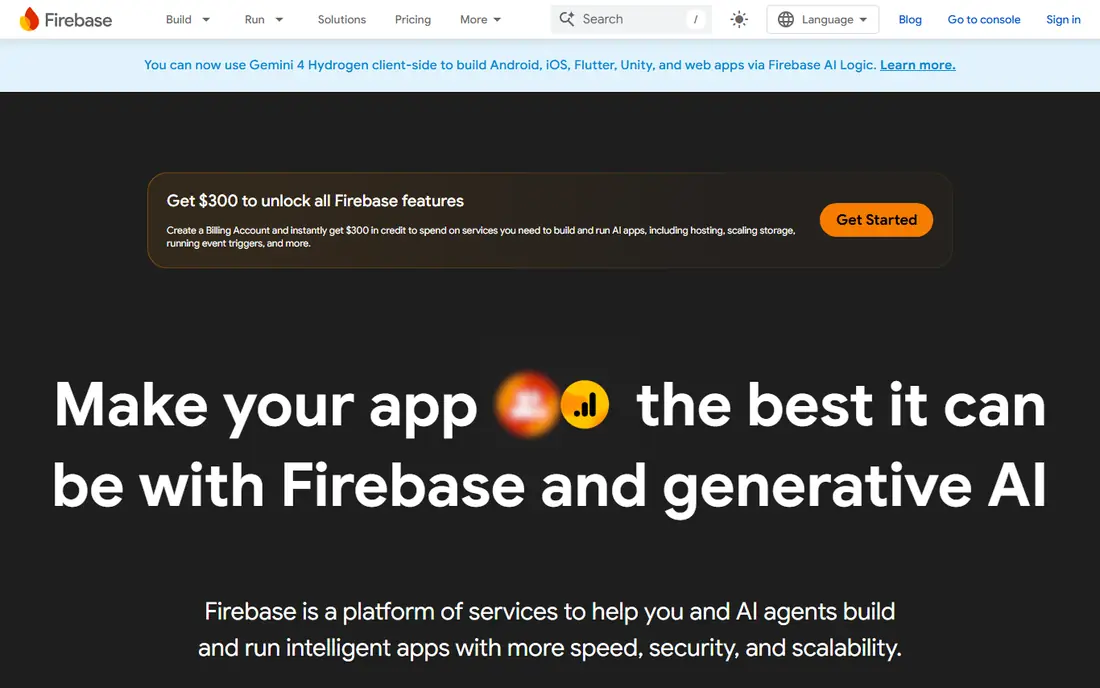
Firebase Cloud Messaging, or FCM, is the delivery layer behind much of Android push. It is free, reliable and well documented, and it fits teams that already use Firebase for auth, databases or analytics. If your app already runs on Firebase, FCM is often the simplest technical choice.
The limit is everything around delivery. FCM does not give you a polished campaign console, deep segmentation, A/B testing or lifecycle journeys out of the box. Teams that want those features should pair FCM with their own backend, or choose a managed platform instead.
- Free push delivery at any volume in vendor docs
- Native Android and web support
- Works with other Firebase services
- No built-in marketing console or rich segmentation
- You must build scheduling, analytics and token handling
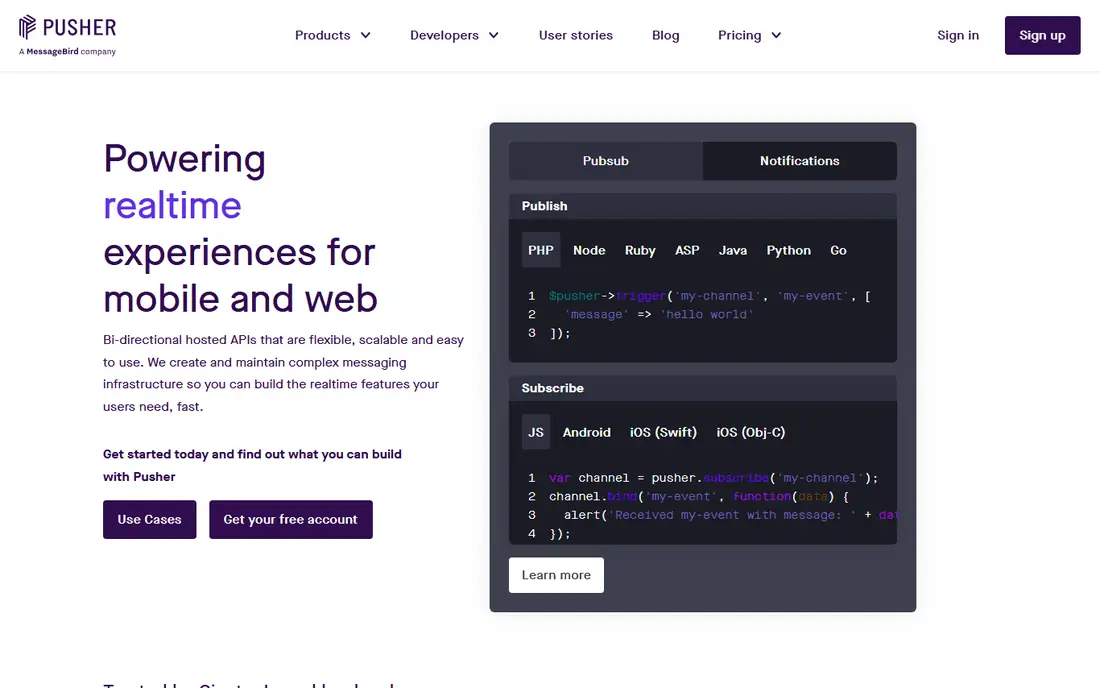
Pusher Beams suits developers who want reliable transactional push without a marketing suite. You publish to interests, devices receive the message, and the API stays simple. Teams already using Pusher for realtime features will find the integration familiar.
The downside is scale and marketing depth. The free tier is small, and Beams does not offer the same segmentation, journeys or analytics as Braze or CleverTap. For order updates, alerts and other transactional messages, that simplicity is a strength. For growth marketing, it is a limit.
- Simple API for transactional push
- Interest-based publishing
- Integrates with Pusher realtime tools
- Free tier covers only 1,000 subscribers
- Less marketing automation than larger platforms
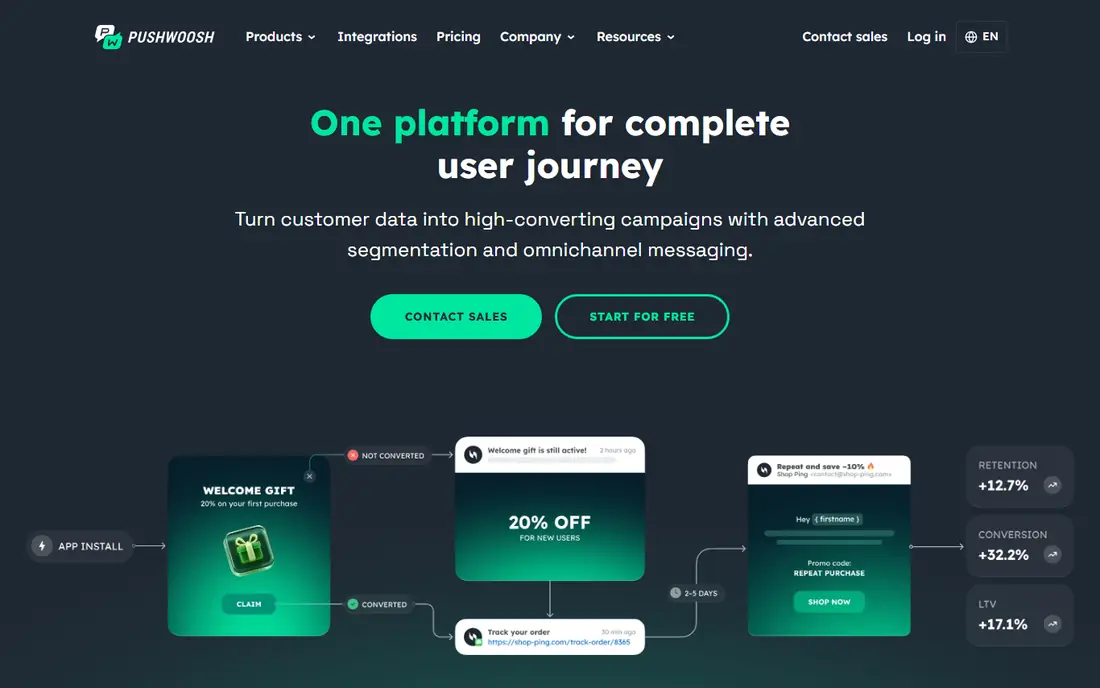
Pushwoosh is a balanced mid-market choice. It covers mobile and web push plus email and in-app messages, with segmentation, scheduling and automation that go beyond a bare delivery API. The free tier lets small apps test the full workflow before paying.
The trade-off is plan depth. Some console features and support levels vary by tier, so check which automation and analytics features sit in your chosen plan. Pricing based on monthly active users also means a growing app should model cost at its next user milestone, not just today.
- Mobile push, web push, email and in-app messages
- Free tier for up to 1,000 monthly active users in vendor docs
- Automation and segmentation tools
- Console depth varies by plan
- Pricing is based on monthly active users
Airship suits large mobile brands that treat push as part of a lifecycle programme. It offers push, SMS, email, wallet and web notifications, with journeys, predictive timing and experimentation for teams that optimise engagement over time. Enterprise support also helps large teams with complex compliance and deliverability needs.
The downside is cost and complexity. Airship is priced and onboarded as an enterprise platform, so small teams will find it heavy for simple push needs. It fits best when mobile engagement is a core revenue driver and you have a team to run it.
- Mobile push, SMS, email and wallet passes
- Predictive timing and lifecycle journeys
- Strong enterprise support and services
- Enterprise pricing and onboarding effort
- Overkill for small apps or simple websites
Braze is the full lifecycle platform in this list. It combines push with email, SMS, in-app messages and WhatsApp, with segmentation, journeys, experimentation and real-time data handling. Large consumer brands use it to coordinate messages across channels without stitching together several tools.
The limit is resources. Braze is quote-only and enterprise-focused, so implementation, integration and ongoing optimisation need a capable team. Smaller apps that only need push delivery will get better value from a simpler, cheaper tool.
- Push, email, SMS, in-app and WhatsApp in one platform
- Strong segmentation and journey builder
- Real-time data and experimentation
- Quote-only enterprise pricing
- Needs dedicated engineering and marketing resources
PushEngage is the web push specialist here. It works well for websites, blogs and online stores, with cart abandonment, drip campaigns and segmentation built for browser subscribers. The free tier lets small sites test web push before paying, and the entry paid plan is affordable.
The trade-off is native app depth. PushEngage is less suited to complex native app stacks than Firebase, Pushwoosh or Braze, so app-first teams should shortlist a mobile-led tool instead. For website owners, however, its focus is an advantage.
- Strong web push for WordPress and ecommerce
- Cart abandonment and drip campaigns
- Free tier for small sites
- Web-push-led, less suited to deep native app stacks
- Advanced features need higher plans
CleverTap pairs push with retention analytics, which helps teams understand which messages actually bring users back. Segmentation, journeys and analytics sit in one platform, and its Android delivery features are useful for apps with large Android audiences. That combination suits product and growth teams that analyse retention closely.
The downside is pricing clarity. Larger plans are quote-based, and there is no permanent free plan, only a trial. Teams should run a trial with real user segments and check how pricing scales with monthly active users before committing.
- Push, email, SMS, in-app and WhatsApp
- Retention analytics and segmentation
- Strong Android and emerging market delivery features
- Quote-based pricing for larger plans
- Trial only, no permanent free plan
Courier suits product teams that want notifications as code. You define templates, routing and preferences once, then send across push, email, SMS and in-app channels without building a separate integration for each provider. The free tier is generous for early products.
The trade-off is audience. Courier is developer-led, so marketing teams that want a visual campaign builder may prefer Pushwoosh, Braze or CleverTap. For engineering-led teams that already manage notifications in code, Courier reduces provider sprawl.
- Push, email, SMS, in-app and chat in one API
- Templates and provider routing in code
- Free tier with 10,000 messages per month in vendor docs
- More developer-led than marketing-led
- You still need a delivery provider for some channels
How we picked these
We compared official feature pages, pricing pages, documentation and public reviews, and kept only push tools that are live in October 2026 and support mobile push, web push or both. We mixed free delivery APIs, managed push tools and full lifecycle platforms, because OneSignal users range from solo developers to enterprise brands. Where a price could not be verified on the vendor site, we wrote See website rather than guessing.
How to choose the right push tool
Start with your channel mix. If you only need Android push, Firebase may be enough. If you need web push for a store, PushEngage is a stronger fit. If you need mobile, web, email and SMS in one place, shortlist a multi-channel platform and check how each channel is priced.
Next, check deliverability and consent handling. Confirm support for iOS APNs, Android FCM, web browsers and, where relevant, Huawei or other Android channels. Also check opt-in prompts, preference centres and unsubscribe handling, because poor consent handling hurts deliverability and trust.
Finally, test segmentation and analytics on real users. Send to a small segment, check delivery and open data, and confirm that you can suppress users who already converted or unsubscribed. A tool that sends reliably but cannot target precisely will waste attention and annoy users.
Frequently asked questions
What is the cheapest OneSignal alternative?
Firebase Cloud Messaging is free for push delivery, though you must build your own console and analytics. For a managed tool, PushEngage and Pusher Beams have low entry prices, while Courier offers a free tier for early products.
Can I use Firebase instead of OneSignal?
Yes, for delivery. Firebase handles Android and web push reliably and for free. You will need to build or add segmentation, scheduling, campaigns and analytics yourself, or pair Firebase with another tool for those features.
Which alternative is best for web push only?
PushEngage is the strongest web-push-led choice in this list, especially for WordPress and ecommerce sites. Pushwoosh and Courier also support web push, with broader mobile and multi-channel options.
Do these tools support both iOS and Android?
Most managed tools in this list support both iOS via APNs and Android via FCM. Check the exact SDKs and browser support for web push, because browser coverage and Huawei channel support vary by vendor.
How do I avoid annoying users with push notifications?
Use clear opt-in prompts, let users choose notification types, cap frequency, and suppress messages after a user converts or unsubscribes. Test messages on a small segment first, and review opt-out and complaint rates regularly.
Should I choose a marketing platform or a delivery API?
Choose a delivery API if your team is engineering-led and your messages are mainly transactional. Choose a marketing platform if growth, retention and lifecycle journeys are core to your product and you have a team to run campaigns.
Sources
See where you really rank - block by block
ProMapRanker scans Google Maps across a grid of your service area. Simple monthly plans from $19, white-label on every plan.
Start freeKeep reading
 zyte alternatives
Best Zyte Alternatives in 2026
These zyte alternatives cover managed scraping APIs, proxy networks and no code tools for lawful collection from your own or consented sources only in 2026.
Read → zerto alternatives
Best Zerto Alternatives in 2026
Compare the best zerto alternatives for disaster recovery and replication, with recovery targets, cloud options and honest trade-offs for teams in 2026.
Read → zerofox alternatives
Best ZeroFox Alternatives in 2026
We compared 9 zerofox alternatives for brand protection, phishing takedowns, dark web monitoring, and social impersonation, with clear coverage notes.
Read →