 ProMapRanker
Best Medium Alternatives in 2026

Key takeaways
- Medium gives writers a built-in audience, but it limits design control, ownership and monetisation options.
- WordPress.com and WordPress.org offer the most ownership and long-term control, at the cost of more setup.
- Ghost and Substack suit writers who want paid newsletters and memberships without a general website builder.
- Blogger and Tumblr are free and simple, but both limit design and monetisation compared with paid platforms.
- If audience growth matters most, choose a platform with discovery or email built in, rather than a blank site alone.
Quick comparison
| Pick | Great for | Pricing starts at | Free tier | |
|---|---|---|---|---|
 WordPress.com | Blogging without self-hosting | See website | Yes | Visit |
 WordPress.org | Full ownership and control | Free | Yes | Visit |
 Ghost | Newsletters and memberships | $9 per month | No | Visit |
 Substack | Paid newsletters with an audience | Free | Yes | Visit |
 Blogger | Free simple blogging | Free | Yes | Visit |
 Tumblr | Short-form and visual blogging | Free | Yes | Visit |
 Squarespace | Design-led blogs | See website | Free trial | Visit |
 Wix | Small business sites with a blog | $17 per month | Yes | Visit |
 Hashnode | Developer blogging with an audience | Free | Yes | Visit |
The best medium alternatives
Medium is a clean place to write and reach readers, but writers do not own the platform, cannot fully control design, and are limited to Medium's monetisation options. The platforms below cover the same writing job with different trade-offs, from full ownership to built-in newsletter audiences. We compared official pricing pages and public blogging comparisons, and we kept only platforms that are live in October 2026.
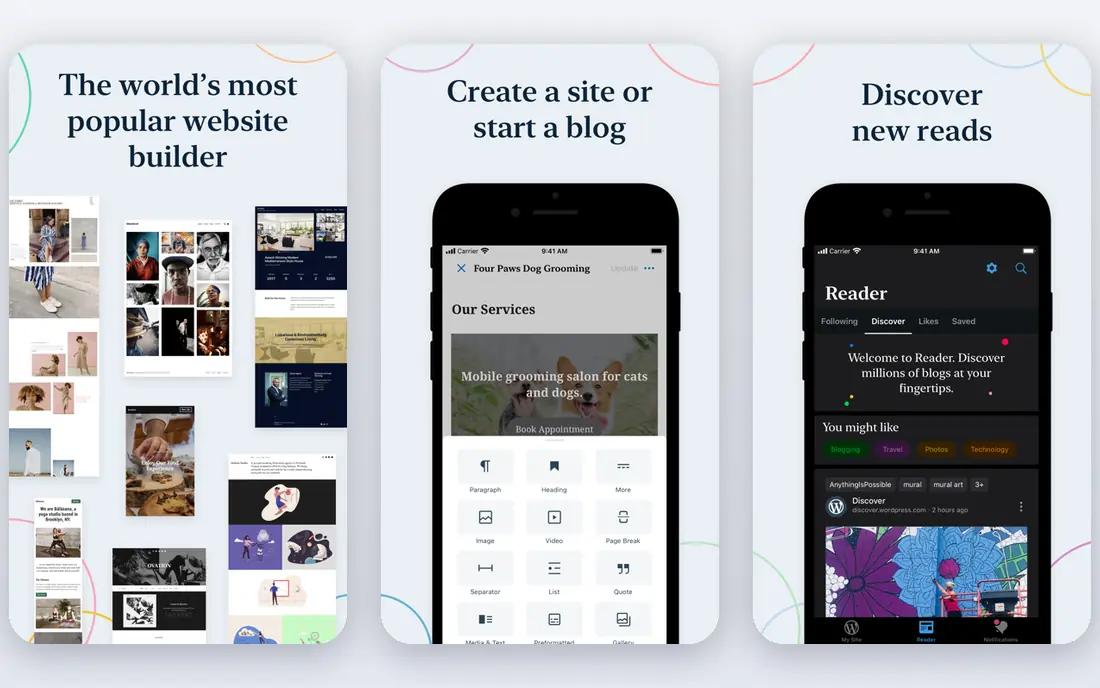
WordPress.com is the hosted path to WordPress, and it suits writers who want a stable blog without managing hosting. Posts, categories, scheduling and comments work well, and higher plans open up themes, plugins and monetisation options. A free plan lets a new writer start and test the editor before paying.
The limits sit on lower plans. Plugins, premium themes and full customisation need higher plans, so the cost of a fully featured blog is higher than the free entry suggests. Writers who need full control from day one should compare WordPress.org, where the software is free but hosting is separate.
WordPress.com fits writers and small businesses that want a reliable blog without server work. It is less suited to writers who want a built-in audience like Medium or Substack.
- Strong blogging tools
- Hosting and security handled
- Large theme range on higher plans
- Lower plans limit plugins and themes
- Free plan uses a subdomain and shows branding
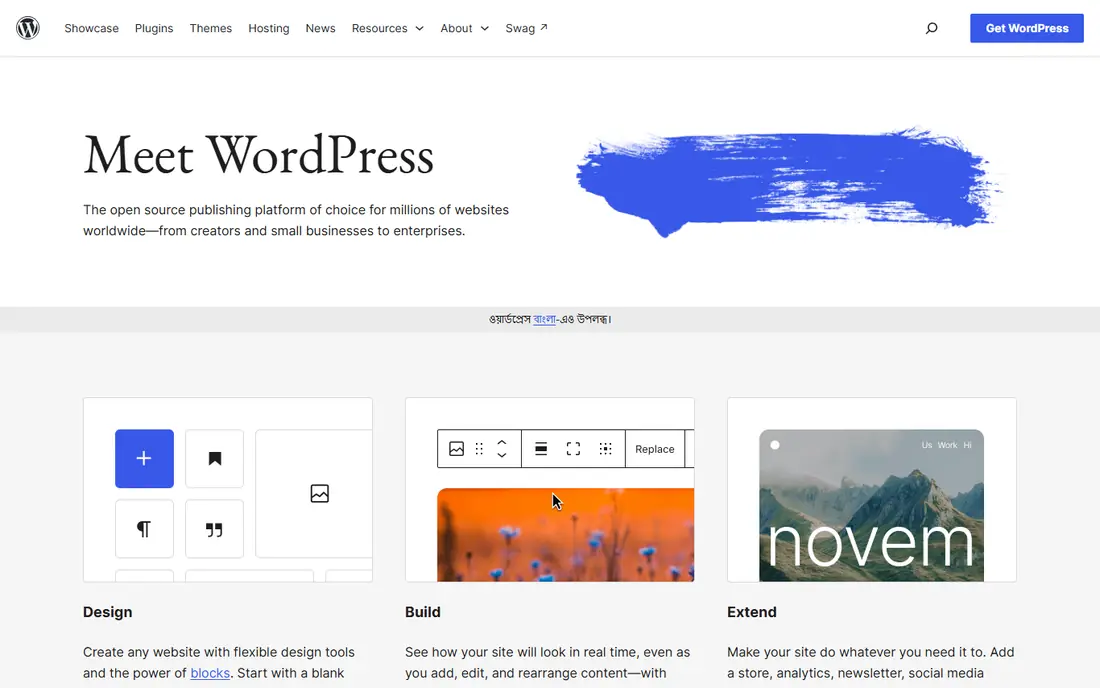
WordPress.org is the self-hosted version of WordPress, and it offers the most control in this list. Writers own their site, domain and content, can install any theme or plugin, and can monetise with ads, memberships, affiliate links or products without platform limits. That freedom is why WordPress powers so many long-term blogs and business sites.
Ownership comes with work. Hosting costs money, and the owner must handle updates, backups and security, or pay a managed host to do it. There is also no built-in audience, so a writer must bring readers through search, social media or email.
WordPress.org fits writers and businesses that want long-term ownership and are willing to manage or pay for hosting. Writers who want instant readers should look at Substack or Hashnode instead.
- Software is free
- Full control over design, plugins and monetisation
- Huge theme and plugin range
- Needs hosting, updates and security work
- No built-in audience
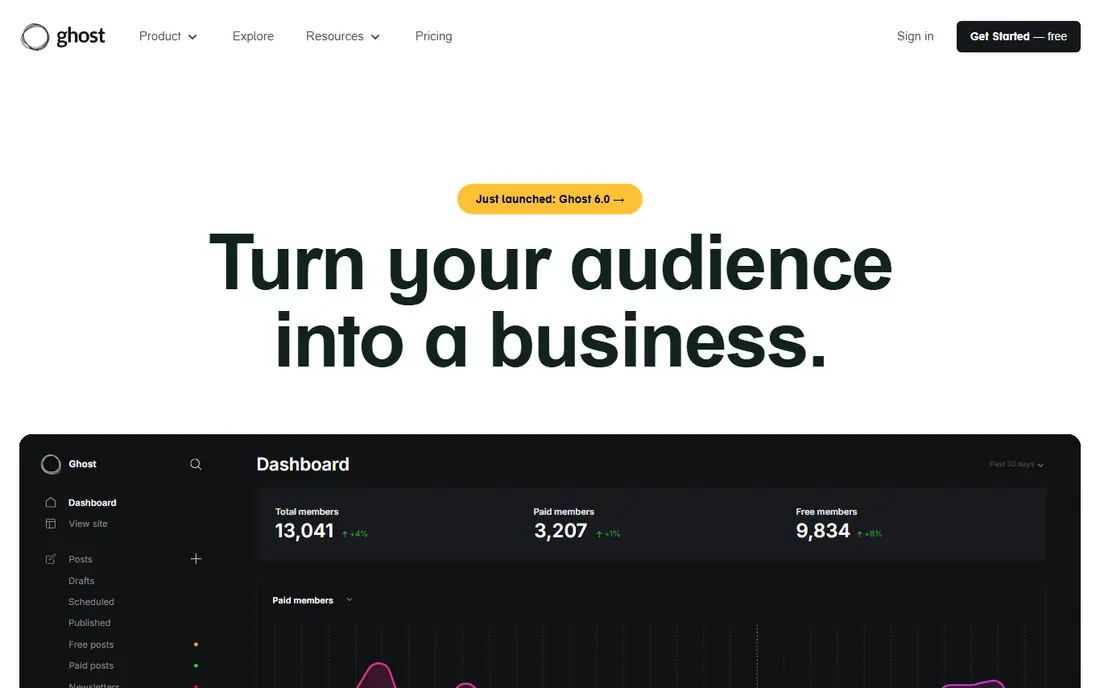
Ghost is built for professional writers and publishers who want a blog plus a newsletter in one system. The editor is clean, memberships and paid subscriptions are built in, and SEO tools help posts rank in search. Hosted Ghost Pro starts at $9 per month for 500 members in the sources we checked, with higher tiers as membership grows.
The cost model needs attention. Ghost Pro pricing scales with member count, so a successful newsletter costs more as it grows, although that growth also brings revenue. Self-hosted Ghost is free as software, but it needs hosting and technical setup, similar to WordPress.org.
Ghost fits writers who want to build a paid audience around writing and newsletters. Writers who want a free start should look at Substack or WordPress.com first.
- Clean writing experience
- Built-in newsletters and memberships
- Strong SEO tools
- No free hosted plan
- Cost scales with member count
Substack is the closest Medium alternative for writers who want an audience and a simple path to paid subscriptions. Publishing is free, readers can discover writers through recommendations, and paid subscriptions are built in. Substack takes 10 percent of paid subscription revenue, with payment fees on top, so a writer keeps most of each subscription.
Design control is limited compared with WordPress or Squarespace, and a writer's audience lives partly inside Substack's system. That trade-off is acceptable for many writers, because discovery and payments work out of the box. Writers who need a full website should pair Substack with a separate site or choose Ghost.
Substack fits writers who want to start free and grow a paid newsletter audience. Writers who want full site ownership should choose WordPress.org or Ghost.
- Free to start
- Built-in discovery and recommendations
- Paid subscriptions with a clear revenue split
- Takes 10 percent of paid subscription revenue
- Limited design control
Blogger is Google's free blogging platform, and it remains a simple way to start writing without paying. Setup takes minutes with a Google account, posts publish quickly, and AdSense can monetise a blog that meets the programme terms. For a hobby blog or a first writing experiment, Blogger is enough.
The platform shows its age. Templates and features have changed little in recent years, design control is limited, and Blogger does not offer the newsletter, membership or modern SEO tools that Ghost and WordPress provide. Writers who later want to grow a business blog will likely outgrow Blogger.
Blogger fits hobby writers and beginners who want a free, simple blog. Serious writers should start with WordPress.com, Ghost or Substack instead.
- Free with a Google account
- Simple setup
- AdSense integration for monetisation
- Dated templates and features
- Limited design control and future development
Tumblr suits short-form, visual and community-driven blogging rather than long articles. Posts can mix text, images, video and links, reblogging helps content spread inside Tumblr, and a free plan covers most personal use. An ad-free option costs $6.99 per month in public comparisons, although most users stay on the free plan.
Long-form writers will find Tumblr less suited than Medium, Ghost or WordPress. Formatting, SEO and monetisation tools are thinner, and the audience expects shorter, more visual posts. Tumblr is a community platform first and a publishing platform second.
Tumblr fits visual creators and short-form writers who value community over long articles. Long-form writers should choose Ghost, WordPress or Substack.
- Free and easy to start
- Strong community for visual and short-form posts
- Simple reblogging
- Not built for long-form articles
- Monetisation is limited
Squarespace suits writers and businesses where the look of the blog matters as much as the words. Templates are polished, image handling is strong, and hosting, SEO basics and email marketing arrive in one subscription. A blog on Squarespace can also sit beside a portfolio, store or booking page in the same site.
Blogging depth is lower than WordPress for large publishers, and there is no permanent free plan, only a 14-day trial. Pricing varies by plan, so we list See website for the entry figure. Writers who need advanced categorisation, plugins or memberships may find WordPress or Ghost more flexible.
Squarespace fits design-led blogs for businesses and creatives. Pure writers who need newsletters or memberships should look at Ghost or Substack.
- Polished templates
- Strong image handling
- Hosting, email and scheduling in one plan
- No free plan, only a trial
- Blog tools are less deep than WordPress for large publishers
Wix suits small businesses that need a website with a blog, rather than a blog alone. The editor is easy, templates cover many industries, and a business can add a store, booking or contact tools in the same site. Paid plans start at $17 per month in the sources we checked, with a free plan for testing.
Blogging tools are solid for a business blog, but they are less deep than WordPress for a large publishing operation. The free plan also shows Wix branding and uses a subdomain, so a professional site needs a paid plan with a custom domain.
Wix fits small businesses that want a site and a blog together. Writers who focus only on publishing should compare WordPress.com, Ghost or Substack.
- Easy drag-and-drop editor
- Free plan for testing
- Blog plus store and booking tools
- Free plan shows branding and a subdomain
- Blog tools are less deep than WordPress
Hashnode is a blogging platform for developers, and it combines a personal blog with a built-in developer audience. Writers can publish on a custom domain, join a community feed, and use newsletters without paying for the core platform. That combination suits technical writers who want readers without building an audience from zero.
The audience focus is also the limit. Hashnode readers are mainly developers, so general-interest, lifestyle or business writing will find a smaller audience there than on Medium or Substack. Design and monetisation options are also narrower than WordPress, although the core blogging experience is strong.
Hashnode fits developers and technical writers who want a free blog with a relevant audience. General writers should look at Substack, Ghost or WordPress.com instead.
- Free to start
- Built-in developer audience
- Custom domain support
- No platform cut on many features
- Audience is mainly developers
- Less suited to general-interest writing
How we picked these
We compared official pricing pages, feature pages and public blogging comparisons, and we kept only platforms that are live in October 2026. We covered ownership, newsletters, free blogging and design-led sites, because Medium users leave for different reasons. Where pricing varied by plan or member count, we used the published entry figure where we could verify it, and See website where the figure was not stable.
What to check before you switch
Start by deciding what matters most: audience, ownership, newsletters or design. No platform in this list leads on all four, so ranking those goals will narrow the choice quickly. A writer who needs paid subscriptions should shortlist Ghost and Substack, while a writer who needs ownership should shortlist WordPress.org.
Next, check export and domain options. Can you export posts cleanly, use a custom domain, and move your email list if you leave later? Those answers matter more after a year of writing than the first-week editor experience.
Finally, test the editor with a real post. Write, format, add images and publish a draft, then view it on a phone. A clean editor and a good mobile reading experience will affect whether you keep writing on the platform long term.
Frequently asked questions
What is the best Medium alternative for writers?
Ghost and Substack are the best picks for most writers, because both support newsletters and paid subscriptions. WordPress.com and WordPress.org suit writers who want more control and ownership. The best pick depends on whether audience, ownership or paid subscriptions matter most.
Is there a free Medium alternative?
Yes. WordPress.com, Blogger, Tumblr, Substack and Hashnode all offer free plans, although free plans usually limit design, custom domains or features. A free plan works for starting, but a professional blog usually needs a paid plan or a custom domain for a polished presence.
Can I move my Medium posts to another platform?
In most cases, yes. Medium offers an export of your posts, and WordPress, Ghost and other platforms offer import tools. Check formatting and images after import, because some styling may not transfer cleanly. Keep your Medium posts live until the new site is checked.
Which Medium alternative is best for making money from writing?
Ghost and Substack are the strongest for paid subscriptions, because both are built for memberships and newsletters. WordPress.org offers the widest monetisation options, including ads, products and memberships, but it needs more setup. Substack takes 10 percent of paid subscription revenue, while Ghost charges by member count rather than a revenue share on hosted plans.
Do I own my content on these platforms?
Ownership depends on the platform. WordPress.org gives the most ownership, because you host the site and control the data. Hosted platforms such as Medium, Substack and Ghost Pro let you export content, but the platform still hosts the audience and parts of the experience. Check export terms before you commit to a platform.
Sources
See where you really rank - block by block
ProMapRanker scans Google Maps across a grid of your service area. Simple monthly plans from $19, white-label on every plan.
Start freeKeep reading
 zscaler alternatives
Best Zscaler Alternatives in 2026
Looking for zscaler alternatives? We compare 9 SASE and zero trust platforms on architecture, data protection, pricing, and fit for your network and team.
Read → zapier alternatives free
Best Zapier Alternatives Free in 2026
Nine automation tools for zapier alternatives free in 2026, all with genuinely free tiers, plus free plan limits, starting prices and upgrade paths explained.
Read → which platform is best for online reputation
Which Platform Is Best for Online Reputation in 2026
Wondering which platform is best for online reputation? We compare 8 review, listing, and response tools for small and multi-location businesses and agencies.
Read →