 ProMapRanker
iPhone Alternatives in 2026


Power users and stylus fans · Pricing starts at: See website
Key takeaways
- The best iPhone alternatives are Android phones, and the right one depends on whether you value cameras, battery life, foldable screens, or low price.
- Google Pixel phones suit switchers best, because their clean software, fast updates, and strong point-and-shoot cameras feel closest to the iPhone experience.
- Samsung Galaxy phones offer the widest range, from budget models to stylus flagships and foldables, with long software support on newer models.
- OnePlus and Nothing offer strong value and fast charging, but check carrier compatibility and update promises before you buy.
- Switching costs are real: you will lose iMessage and AirDrop, so plan photo, message, and accessory moves before you change platforms.
Quick comparison
| Pick | Great for | Pricing starts at | Free tier | |
|---|---|---|---|---|
| Samsung Galaxy S25 Ultra | Power users and stylus fans | See website | No | Visit |
 Google Pixel 10 Pro | Clean software and AI photography | See website | No | Visit |
 Google Pixel 10 | Most Android buyers | See website | No | Visit |
 OnePlus 13 | Flagship value and fast charging | See website | No | Visit |
 Samsung Galaxy Z Fold 7 | Phone and tablet in one | See website | No | Visit |
 Samsung Galaxy Z Flip 7 | Compact foldable style | See website | No | Visit |
 Nothing Phone 3 | Distinct design and clean software | See website | No | Visit |
 Google Pixel 10a | Mid-range value | See website | No | Visit |
 Samsung Galaxy A17 5G | Budget buyers | See website | No | Visit |
The best iphone alternatives
This list includes alternatives to an iPhone only, never the iPhone itself. All of the phones below run Android, work on major US carriers in their compatible variants, and were current models in 2026. Prices change with promotions and carrier deals, so we list See website where a single price would quickly go stale, and you should confirm the price for the storage size and carrier variant you want.
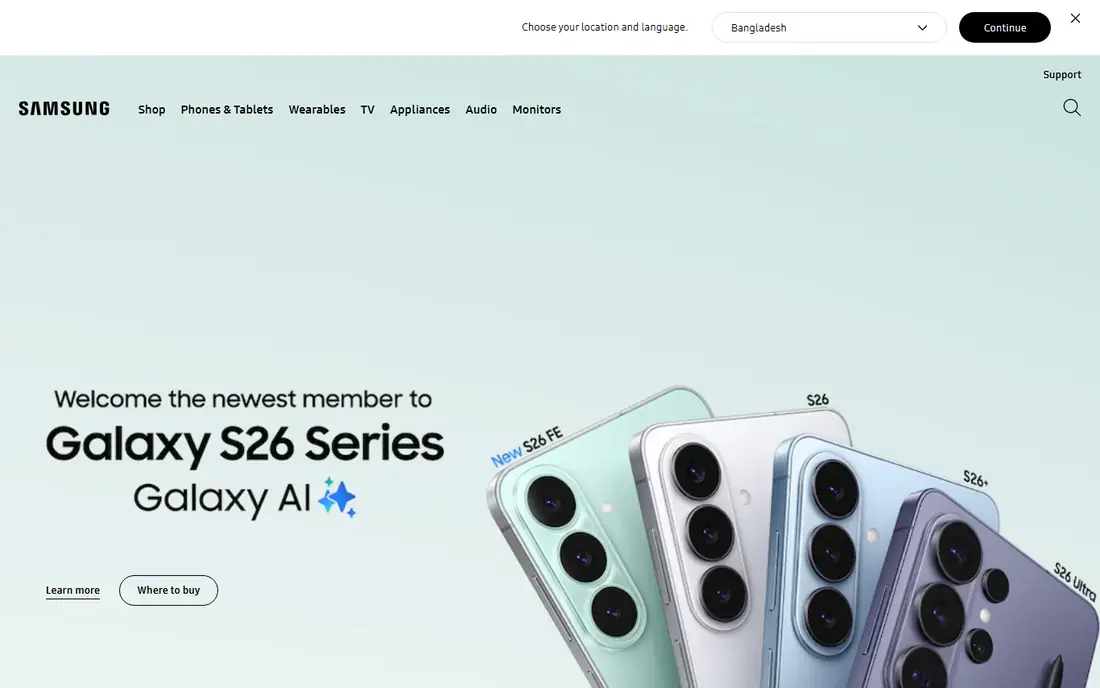
The Galaxy S25 Ultra is the most complete Android alternative to a top iPhone, and it suits buyers who want one phone that does nearly everything. Its camera system covers wide, ultrawide, and long zoom shots, the built-in S Pen helps with notes and precise edits, and the large display suits reading, maps, and split-screen work. Samsung also promises years of software and security updates on this model, which helps justify a flagship price over a longer ownership period.
Size and price are the honest catches. This is a large, heavy phone that does not suit small hands or tight pockets, and it costs flagship money even before accessories. Samsung's software also includes its own versions of some Google apps, which some switchers find redundant at first. If you want maximum capability and a stylus, and you accept the size, this is the Android flagship to beat.
- Versatile cameras with strong zoom
- Built-in S Pen stylus
- Long software support
- Large bright display
- Large and heavy in the hand
- Premium price
- Samsung software includes duplicate apps for some buyers
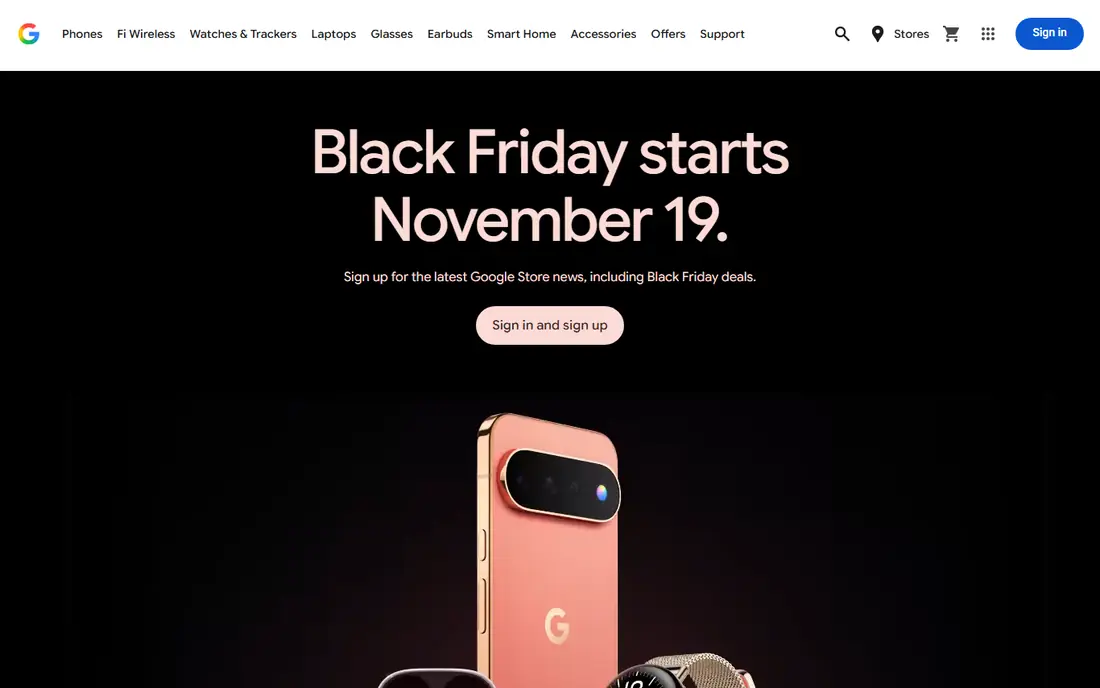
The Pixel 10 Pro is the easiest iPhone alternative for most switchers, because its software feels the most like a clean, curated experience. Google's camera processing produces strong photos with little effort, especially in mixed light, and AI tools for photo editing, call screening, and transcription are genuinely useful day to day. Updates arrive quickly and for a long promised period, which keeps the phone current without carrier delay in many cases.
It is not the best phone for every specialty. Charging speeds lag OnePlus, sustained gaming can warm the device, and Samsung's top zoom hardware still leads for distant subjects. Battery life is solid for normal use but not class-leading under heavy use. If you value simple software, reliable photos, and fast updates over stylus tricks or extreme zoom, the Pixel 10 Pro is the most iPhone-like Android choice.
- Clean Android with fast updates
- Excellent point-and-shoot photos
- Helpful AI photo and call tools
- Strong security update promise
- Charging is slower than OnePlus rivals
- Zoom and video trail Samsung at the very top end
- Tensor chip runs warm under heavy gaming
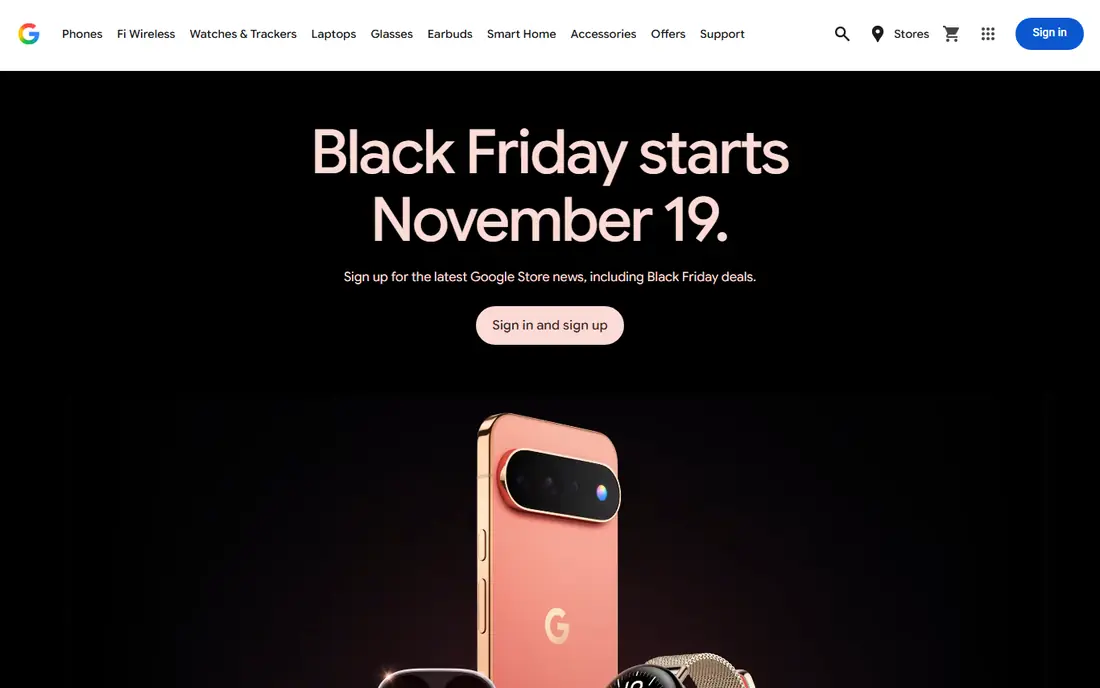
The standard Pixel 10 gives most buyers nearly everything that makes a Pixel appealing, at a lower price than the Pro model. You get clean Android, fast updates, a strong main camera, and Google's AI features, without paying for the Pro's extra zoom hardware and pro-focused extras. For everyday photography, messaging, maps, and streaming, the difference from the Pro is smaller than the price gap suggests.
The compromise is zoom and some pro video tools. If you photograph concerts, sports, or wildlife often, the Pro's longer zoom matters, and heavy video creators may miss Pro controls. For most switchers, though, the standard Pixel 10 is the value sweet spot in the Pixel line: flagship software and camera quality without flagship cost. Check storage options carefully, because the base model fills faster than many buyers expect.
- Same clean software and strong main camera as the Pro line
- Lower price than the Pro
- Long update promise
- Less zoom reach than the Pro
- Smaller feature set for pro video
- Charging still modest
OnePlus 13 is the value flagship in this list, offering top-tier performance, a large battery, and charging speeds that can refill most of the battery during a short break, at a price below Samsung and Google Pro models. Its display and performance suit gaming and heavy multitasking, and its software feels fast and uncluttered. For buyers who hate waiting for a charge and do not want to pay top flagship prices, OnePlus has a clear appeal.
Camera results are good but tuned differently from Pixel and Samsung, so test portrait and low-light shots if photography is your priority. Carrier availability in the US is also narrower than Samsung or Google, so confirm that the variant you buy supports your carrier's bands and features. Update support is solid but shorter than the longest Google and Samsung promises. If charging speed and value lead your list, OnePlus 13 is a strong pick.
- Very fast charging
- Strong performance and battery life
- Competitive flagship price
- Clean and fast software feel
- Camera tuning differs from Pixel and Samsung
- Carrier availability is narrower
- Update promise is shorter than Google or Samsung flagships
The Galaxy Z Fold 7 is the alternative for buyers who want a phone and a small tablet in one device. Opened up, its inner display suits reading documents, editing spreadsheets, watching video, and running two apps side by side, while the cover screen handles calls and quick messages without unfolding. Samsung's multitasking tools and camera system make it a real work device, not just a novelty, and it has matured well beyond early foldables.
Price and care are the barriers. It costs far more than a standard flagship, it is heavier and thicker when folded, and the inner display, while durable for normal use, needs more care than a traditional glass screen. Battery life is good but not exceptional given the large screens. Buy the Fold only if you will actually use the inner screen daily for work or reading; if you mostly scroll one-handed, a slab flagship is lighter, tougher, and cheaper.
- Large inner display for multitasking
- Strong cameras for a foldable
- Samsung multitasking and stylus support options
- Very high price
- Heavier and thicker than a slab phone
- Inner screen needs more care than a glass slab screen
The Galaxy Z Flip 7 folds in half to a compact square that fits small pockets and small bags, then opens to a full-size phone. Its cover screen handles notifications, music, and quick replies without opening the phone, and the folding design also works as a stand for hands-free photos and video calls. For buyers who want a full Android phone in the smallest possible folded package, with a distinctive look, the Flip is the most practical foldable style option.
The trade-off is battery and durability care. Its battery is smaller than slab flagships, so heavy users may need a top-up on long days, and the folding screen needs the same care as other foldables. Some apps also work better on the inner screen than on the smaller cover screen. If compact size matters more than maximum battery or zoom, and you like the flip form, this is the foldable to shortlist.
- Folds to a compact pocket size
- Useful cover screen for quick tasks
- Strong main cameras for its size
- Smaller battery than slab flagships
- Cover screen limits some apps
- Foldable screen needs care
Nothing Phone 3 stands out visually, with a transparent-influenced design and a light-based notification interface that looks unlike any Samsung or Pixel phone. Its software is close to clean Android, with few duplicate apps, and its price sits below top flagships while still offering a strong display and solid everyday performance. For buyers who want an Android phone that feels personal and different, without paying flagship prices, Nothing is the most interesting option on this list.
US availability is the main check. Nothing has a smaller carrier and retail presence in the United States than Samsung or Google, so confirm band support, warranty, and repair options for your carrier before buying. Its camera and update promise also trail the top Pixel and Samsung models. If you buy direct and your carrier supports it, Nothing Phone 3 offers character and value that mainstream flagships do not.
- Distinct transparent design and light interface
- Clean Android feel
- Competitive price for its class
- Solid main camera
- Less carrier and retail presence in the US
- Camera and update promise trail Google and Samsung
- Accessory ecosystem is smaller
The Pixel 10a is the phone we recommend to most budget-conscious switchers, because it keeps the two things that matter most in a Pixel: a very good main camera and clean, long-supported software, at roughly half the price of a flagship. Photos in daylight and low light beat most rivals at this price, and Google's update promise means the phone stays secure and current for years. Everyday performance for messaging, maps, streaming, and social apps is reliable.
It is not a flagship in disguise. Charging is slower, the build uses less premium materials, and zoom, wireless charging, and pro video features are limited or absent depending on the exact model. Heavy gamers and frequent zoom photographers should step up to a standard Pixel or Samsung model. For everyone else who wants a dependable Android phone without flagship cost, the Pixel 10a is hard to beat.
- Pixel camera quality at a mid-range price
- Clean Android and long updates
- Reliable everyday performance
- Slower charging than flagships
- Less premium build
- Zoom and pro video features are limited
The Galaxy A17 5G is the budget pick for buyers who need a dependable Android phone, 5G connectivity, and a large screen without spending flagship money. Its battery lasts well for everyday use, storage expands with a microSD card on compatible variants, and Samsung's security support for this class is longer than many budget rivals offer. For students, first-time buyers, and anyone who mainly needs calls, messages, maps, and streaming, it covers the basics well.
Expect clear limits. Cameras are basic in low light, heavy games run with lower settings, and charging is slow compared with mid-range and flagship phones. The display and build also feel less premium than a Pixel 10a or a Galaxy S series phone. If your budget is tight and your use is everyday rather than photography or gaming, the A17 5G is a sensible, low-risk Android alternative.
- Low price with 5G
- Large display and battery
- Expandable storage
- Long security support for its class
- Cameras are basic compared with flagships
- Performance lags under heavy gaming
- Charging is slow
How we picked these
We compared current Android phones on camera quality, battery and charging, display, software cleanliness, update promises, carrier compatibility, and price, using manufacturer specifications, pricing pages, and current 2026 reviews. We included flagships, foldables, a distinct design option, and budget models so different switchers can find a relevant match, and we excluded phones with no clear US carrier path or with uncertain availability in October 2026. Where prices changed frequently with promotions, we listed See website instead of a figure that would quickly go stale.
We did not claim hands-on testing we did not do. Phone choice also depends on hand size, carrier, and ecosystem, so our judgment rests on documented specifications, published update promises, and public review consensus. Before buying, confirm carrier compatibility, storage size, and return terms, and if possible handle the phone in a store to check size and feel.
What to check before you switch
Plan your messages and photos
Turn off iMessage and deregister your number before switching, or texts from iPhone contacts may go astray, and move photos through Google Photos or a computer backup rather than assuming they transfer automatically. Check that your banking, work, and messaging apps are available on Android and that you know your login details.
Check carrier bands and trade-in value
Not every unlocked variant supports every carrier feature, so confirm 5G bands, Wi-Fi calling, and visual voicemail for your carrier. Compare trade-in offers for your old iPhone across the manufacturer, your carrier, and retailers, because values vary and can change the effective price a lot.
Frequently asked questions
What are the best alternatives to an iPhone?
Google Pixel phones are the best alternatives for most switchers, thanks to clean software and strong cameras, while Samsung Galaxy phones offer the widest range from budget to foldable flagships. OnePlus suits value-focused buyers who want fast charging, and Nothing suits buyers who want a distinct design at a lower price. The best choice depends on your budget, your camera needs, and whether you want a foldable or a traditional phone.
Is Android better than iPhone?
Neither platform is better for everyone. Android offers more hardware choice, more customization, more price points, and features such as foldable screens and faster charging on some models. iPhone offers tighter integration with other Apple devices, iMessage, and AirDrop, plus a very consistent software experience. Switch to Android when hardware choice, price, or customization matters more than Apple ecosystem features.
Which iPhone alternative has the best camera?
Google Pixel phones lead for easy point-and-shoot photos, especially in mixed and low light, thanks to computational photography. Samsung Galaxy S series phones lead for zoom range and versatility, with multiple lenses for wide, ultrawide, and distant shots. OnePlus and Nothing cameras are good for the price but do not match Pixel or Samsung at the top end, so prioritize Pixel for simple shooting and Samsung for zoom.
Can I switch from iPhone to Android without losing my photos?
Yes, in most cases, if you plan the move. Back up photos to Google Photos or a computer before switching, deregister iMessage, and use the transfer tool offered during Android setup to move contacts, messages, and media where supported. Some app data, such as chat histories in certain apps, may not transfer fully, so check your most important apps before you switch.
Sources
See where you really rank - block by block
ProMapRanker scans Google Maps across a grid of your service area. Simple monthly plans from $19, white-label on every plan.
Start freeKeep reading
 who has the best home internet service
Who Has the Best Home Internet Service in 2026
Who has the best home internet service in 2026? Compare fiber, cable, and 5G providers on speed, price, data caps, and availability at your address today.
Read → visio alternatives
Best Visio Alternatives in 2026
Compare 9 Visio alternatives for flowcharts, org charts, and network diagrams, with free plans, pricing, and the best pick for teams and solo users in 2026.
Read → top 10 logistics software
Top 10 Logistics Software in 2026
We compared the top 10 logistics software tools for transport, warehousing, visibility and shipping, for shippers, carriers and 3PL teams in 2026 today.
Read →