 ProMapRanker
GTM Software With the Best Growth Features in 2026

teams wanting CRM, marketing, and sales in one hub · Pricing starts at: Free
Key takeaways
- HubSpot and Salesforce are the CRM centres, while Apollo, ZoomInfo, and Clay cover the data and list building side.
- Outreach and Salesloft suit governed outbound at scale, while Pipedrive and Zoho CRM suit smaller teams with simpler pipelines.
- Quote-only pricing is common for enterprise GTM tools, so model seat, credit, and contract costs together before buying.
Quick comparison
| Pick | Great for | Pricing starts at | Free tier | |
|---|---|---|---|---|
| HubSpot | teams wanting CRM, marketing, and sales in one hub | Free | Yes | Visit |
 Salesforce Sales Cloud | larger teams needing deep CRM customisation | See website | Free trial | Visit |
 Pipedrive | small sales teams wanting a visual pipeline | See website | Free trial | Visit |
 Zoho CRM | teams wanting a lower cost CRM with growth tools | See website | Free trial | Visit |
 Apollo.io | outbound teams needing data plus sequences in one seat | Free | Yes | Visit |
 Outreach | midsize and enterprise teams needing governed sequences | See website | No | Visit |
 Salesloft | sales teams needing structured cadences and coaching | See website | No | Visit |
 Clay | revenue operations teams building data workflows | See website | Free trial | Visit |
 ZoomInfo | enterprise teams needing large company and contact data | See website | No | Visit |
 Gong | revenue teams wanting deal insight from calls | See website | No | Visit |
The best gtm software with growth features
We read GTM as go to market software: tools that help a business find buyers, run outreach, and manage pipeline. There is no single GTM product, so this list covers CRM hubs, prospect data, sales engagement, enrichment, and revenue insight.
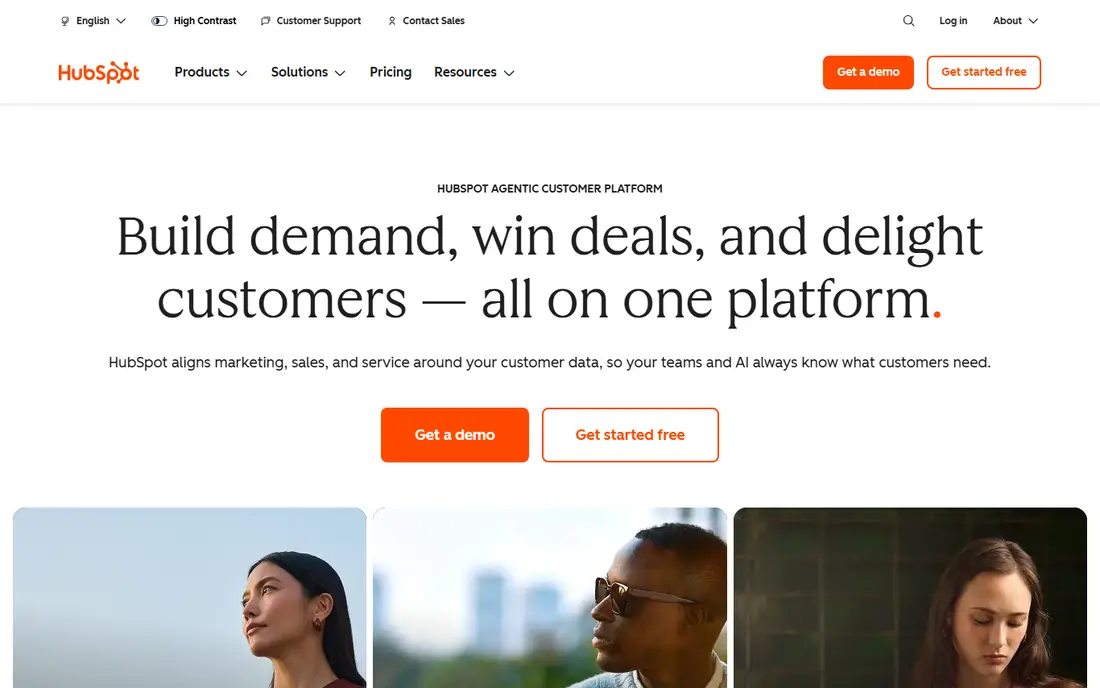
HubSpot fits a team that wants one hub for inbound, sales, and service, rather than stitching three tools together. It is aimed at teams wanting CRM, marketing, and sales in one hub, and its day to day value comes from CRM, marketing automation, and sales tools in one platform. In practice, that means less time copying figures between systems.
On the strength side, HubSpot stands out for free crm with marketing and sales tools. The setup still needs care: map the main records and approval steps first, and run old and new reports side by side for one cycle.
The honest catch is costs rise quickly with hubs and contacts. That trade can be worth it when the fit is close. Ask for a demo on your own data and confirm what the quoted price includes.
- Free CRM with marketing and sales tools
- Automation and reporting
- Wide integration range
- Costs rise quickly with hubs and contacts
- Enterprise features need higher tiers
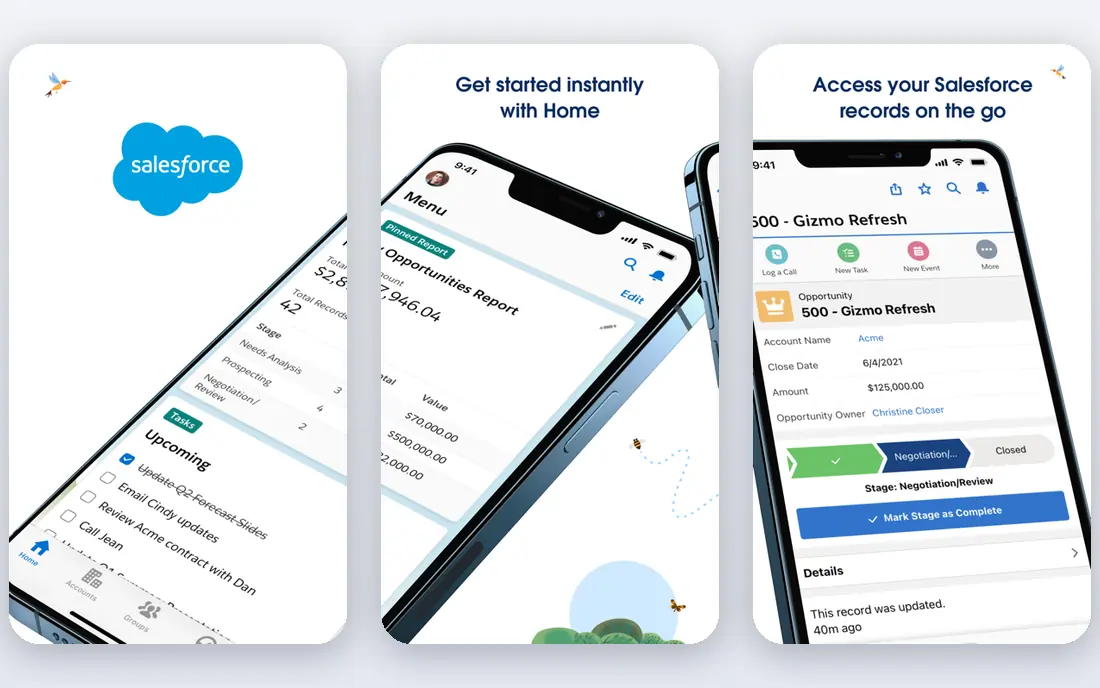
Salesforce Sales Cloud fits a larger team with revenue operations support and a sales process with many steps. It is aimed at larger teams needing deep CRM customisation, and its day to day value comes from enterprise CRM, pipeline, and sales automation. In practice, that means less time copying figures between systems.
On the strength side, Salesforce Sales Cloud stands out for deep crm, pipeline, and reporting tools. The setup still needs care: map the main records and approval steps first, and run old and new reports side by side for one cycle.
The honest catch is setup and admin effort is high. That trade can be worth it when the fit is close. Ask for a demo on your own data and confirm what the quoted price includes.
- Deep CRM, pipeline, and reporting tools
- Huge app ecosystem
- Enterprise permissions
- Setup and admin effort is high
- Pricing varies by edition and add ons
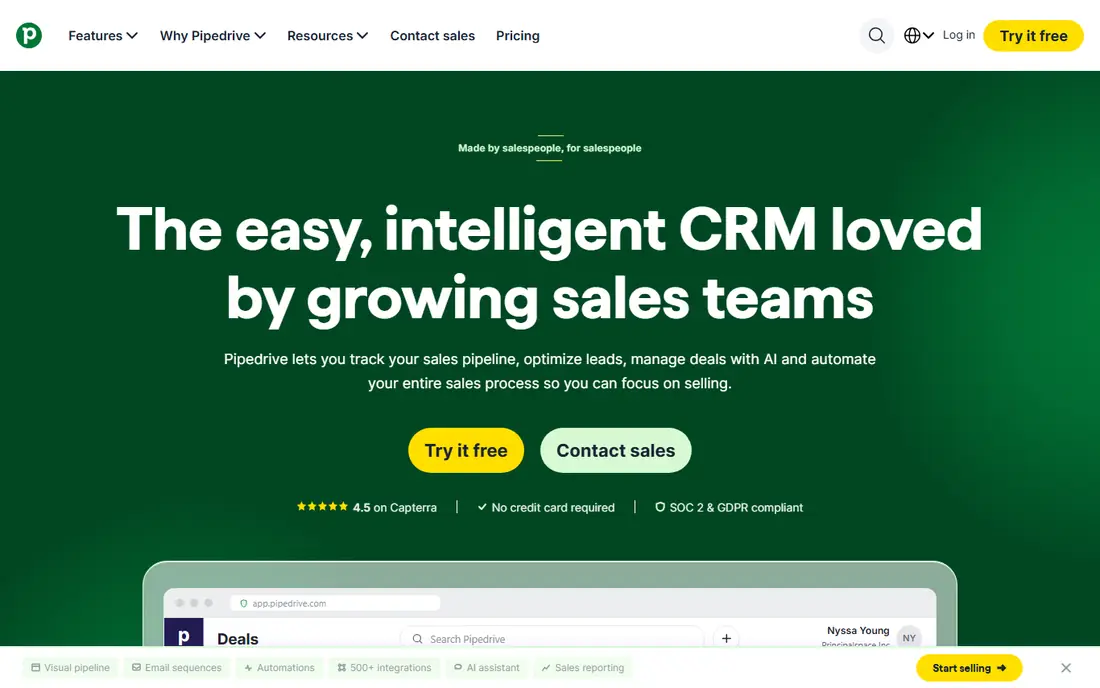
Pipedrive fits a small sales team that wants pipeline clarity without heavy admin. It is aimed at small sales teams wanting a visual pipeline, and its day to day value comes from visual pipeline, deals, and sales automation for a small team. In practice, that means less time copying figures between systems.
On the strength side, Pipedrive stands out for visual pipeline and deal tracking. The setup still needs care: map the main records and approval steps first, and run old and new reports side by side for one cycle.
The honest catch is marketing and data depth are lighter than larger suites. That trade can be worth it when the fit is close. Ask for a demo on your own data and confirm what the quoted price includes.
- Visual pipeline and deal tracking
- Automation and email tools
- Simple setup
- Marketing and data depth are lighter than larger suites
- Growth features need higher plans
Zoho CRM fits a team that wants CRM growth tools at a lower entry cost and already uses, or can use, Zoho apps. It is aimed at teams wanting a lower cost CRM with growth tools, and its day to day value comes from CRM, automation, and analytics inside the Zoho family. In practice, that means less time copying figures between systems.
On the strength side, Zoho CRM stands out for crm with sales automation, marketing links, and analytics. The setup still needs care: map the main records and approval steps first, and run old and new reports side by side for one cycle.
The honest catch is interface and setup vary by module. That trade can be worth it when the fit is close. Ask for a demo on your own data and confirm what the quoted price includes.
- CRM with sales automation, marketing links, and analytics
- Zoho app family
- Lower entry cost
- Interface and setup vary by module
- Advanced features need higher editions
Apollo.io fits an outbound team that wants data and sequences in one seat, without buying a separate data vendor at the start. It is aimed at outbound teams needing data plus sequences in one seat, and its day to day value comes from prospect data, sequences, and dialer in one outbound tool. In practice, that means less time copying figures between systems.
On the strength side, Apollo.io stands out for contact and company data with sequences and dialer. The setup still needs care: map the main records and approval steps first, and run old and new reports side by side for one cycle.
The honest catch is data credits and seat pricing need care. That trade can be worth it when the fit is close. Ask for a demo on your own data and confirm what the quoted price includes.
- Contact and company data with sequences and dialer
- Free plan
- CRM sync
- Data credits and seat pricing need care
- Forecasting depth is limited
Outreach fits a larger revenue team that needs shared playbooks, testing, and governance across many reps. It is aimed at midsize and enterprise teams needing governed sequences, and its day to day value comes from governed sales engagement, sequences, and forecasting. In practice, that means less time copying figures between systems.
On the strength side, Outreach stands out for multichannel sequences with testing and governance. The setup still needs care: map the main records and approval steps first, and run old and new reports side by side for one cycle.
The honest catch is quote-only pricing. That trade can be worth it when the fit is close. Ask for a demo on your own data and confirm what the quoted price includes.
- Multichannel sequences with testing and governance
- Deal and forecasting tools
- CRM integrations
- Quote-only pricing
- Rollout needs sales operations support
Salesloft fits a sales team that wants structured cadences plus coaching, with a clear owner for rollout. It is aimed at sales teams needing structured cadences and coaching, and its day to day value comes from structured cadences, coaching, and pipeline tools. In practice, that means less time copying figures between systems.
On the strength side, Salesloft stands out for cadences across email, calls, and tasks. The setup still needs care: map the main records and approval steps first, and run old and new reports side by side for one cycle.
The honest catch is quote-only pricing. That trade can be worth it when the fit is close. Ask for a demo on your own data and confirm what the quoted price includes.
- Cadences across email, calls, and tasks
- Conversation and coaching tools
- CRM sync
- Quote-only pricing
- Data must come from a separate vendor in many setups
Clay fits a revenue operations team that builds lists and workflows from several data sources, rather than buying one static list. It is aimed at revenue operations teams building data workflows, and its day to day value comes from data enrichment and go to market workflows. In practice, that means less time copying figures between systems.
On the strength side, Clay stands out for waterfall enrichment and ai-assisted list building. The setup still needs care: map the main records and approval steps first, and run old and new reports side by side for one cycle.
The honest catch is credit and subscription costs need modelling. That trade can be worth it when the fit is close. Ask for a demo on your own data and confirm what the quoted price includes.
- Waterfall enrichment and AI-assisted list building
- Workflow automation
- Many data sources
- Credit and subscription costs need modelling
- Setup needs operations skill
ZoomInfo fits an enterprise team that needs large scale data and intent signals and can fund an annual contract. It is aimed at enterprise teams needing large company and contact data, and its day to day value comes from company and contact intelligence for enterprise sales. In practice, that means less time copying figures between systems.
On the strength side, ZoomInfo stands out for large company and contact database. The setup still needs care: map the main records and approval steps first, and run old and new reports side by side for one cycle.
The honest catch is quote-only pricing with annual contracts. That trade can be worth it when the fit is close. Ask for a demo on your own data and confirm what the quoted price includes.
- Large company and contact database
- Intent and enrichment tools
- CRM integrations
- Quote-only pricing with annual contracts
- Small teams may find it costly
Gong fits a revenue team that wants to learn from real calls, spot stalled deals early, and coach from evidence. It is aimed at revenue teams wanting deal insight from calls, and its day to day value comes from conversation insight, deal signals, and coaching. In practice, that means less time copying figures between systems.
On the strength side, Gong stands out for call recording and conversation insight. The setup still needs care: map the main records and approval steps first, and run old and new reports side by side for one cycle.
The honest catch is quote-only pricing. That trade can be worth it when the fit is close. Ask for a demo on your own data and confirm what the quoted price includes.
- Call recording and conversation insight
- Deal risk signals
- Coaching and forecasting links
- Quote-only pricing
- Value depends on call volume and coaching follow through
How we picked these
We compared official product pages, pricing pages, and public documentation, and we checked that each product is still offered and still fits the topic. We gave weight to a clear fit for the named use, to pricing that a reader can verify, and to an honest limit, such as a quote-only price or a feature that sits on a higher plan. We did not test these products hands on for this roundup, and we did not add a product only to fill a list.
What to check before you buy
Start with the workflow that hurts most, then check the parts around it. List the records you cannot lose, the reports your accountant or manager asks for each month, and the tools that must connect without manual exports. A short trial on real data tells you more than a long feature list, so test the exact task you will repeat every week, and note how long it takes and where staff get stuck. Also map the growth motion first, inbound, outbound, or partner led, since a tool built for one motion will disappoint a team running another, even when its feature list looks long.
Frequently asked questions
What does GTM software mean?
Go to market software covers the tools used to reach buyers and grow revenue, including CRM, marketing automation, prospect data, sales engagement, and revenue insight. Most teams use a small stack, not one tool, for the full motion.
Which GTM tool should a small team buy first?
Start with a CRM and a data source, since later steps depend on clean records. Add sequences only when manual follow up becomes hard to sustain.
Why do some GTM tools hide prices?
Enterprise GTM pricing depends on seats, data credits, contract length, and add ons, so vendors quote after scoping. Ask for the full annual cost, including credits and implementation, before comparing.
Is Apollo a CRM replacement?
Apollo includes CRM objects and syncs with Salesforce and HubSpot, but many teams still forecast in a main CRM. Treat it as an outbound hub, not a full enterprise CRM.
How do teams avoid buying overlapping GTM tools?
Map each tool to one job, such as data, sequences, CRM, or insight, and check for overlap at renewal. When two tools claim the same job, keep the one whose reports the team actually opens each week.
Sources
See where you really rank - block by block
ProMapRanker scans Google Maps across a grid of your service area. Simple monthly plans from $19, white-label on every plan.
Start freeKeep reading
 worlds best local seo company
8 Worlds Best Local SEO Companies for Map Pack Growth in 2026
Compare the worlds best local seo company options for Google Business Profile work, citations, reviews, and multi-location rankings and reporting in 2026.
Read → world's best web hosting company
World's Best Web Hosting Company in 2026
Searching for the world's best web hosting company? We compared 10 hosts on price, renewal rates, speed, and support to help you choose well today in 2026.
Read → who's got the best nanny tax services
Who's Got the Best Nanny Tax Services in 2026
We answer who's got the best nanny tax services, comparing full filing, back taxes, software, and pricing so families can handle nanny taxes correctly.
Read →