 ProMapRanker
Best GoPro Alternatives in 2026

Key takeaways
- DJI now covers the widest range of action camera needs, from the flagship Osmo Action 6 to the tiny Osmo Nano style options and the Pocket 3.
- Insta360 leads for 360 video and for vlogging, with the X5 for reframing and the Ace Pro 2 for a flip screen and low light work.
- The DJI Osmo Action 5 Pro remains the value pick among recent flagships, with strong battery life and a lower street price than the newest model.
- AKASO is the honest budget choice, with real limits on stabilization and low light performance.
- Check mounts, batteries, and memory cards before buying, since the camera body is only part of the total cost.
Quick comparison
| Pick | Great for | Pricing starts at | Free tier | |
|---|---|---|---|---|
 DJI Osmo Action 6 | best overall action camera | $436 | No | Visit |
 DJI Osmo Action 5 Pro | best value flagship | $319 | No | Visit |
 Insta360 Ace Pro 2 | low light and vlogging | $389.99 | No | Visit |
 Insta360 X5 | 360 video and reframing | $549.99 | No | Visit |
 DJI Osmo 360 | high spec 360 video | $474 | No | Visit |
 Insta360 GO 3S | tiny wearable camera | $379.99 | No | Visit |
 DJI Osmo Pocket 3 | gimbal vlogging | See website | No | Visit |
 DJI Osmo Action 4 | budget DJI action camera | See website | No | Visit |
 AKASO Brave 7 LE | lowest cost entry point | $139.99 | No | Visit |
The best GoPro alternatives
This list includes alternatives to GoPro only, so you will not find a GoPro camera in the picks below. We compared official specs, pricing reports from October 2026, and public reviews, with a focus on video quality, stabilization, battery life, waterproofing, and how each camera handles in real use. Prices for cameras move often by retailer and bundle, so confirm the current price for the exact kit before buying.
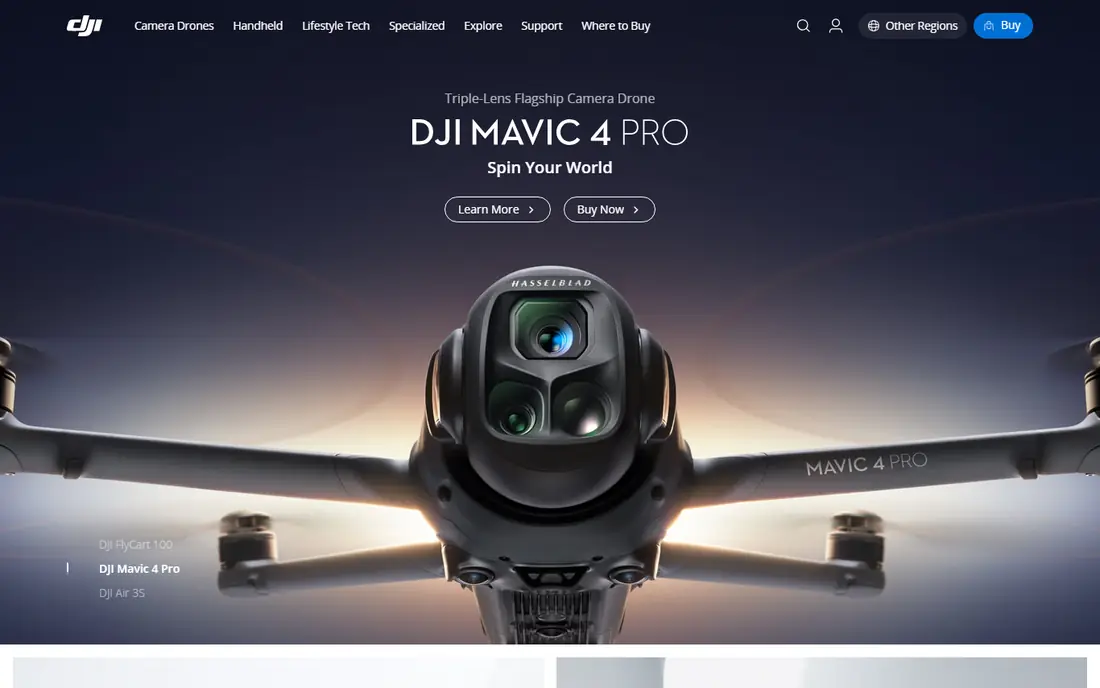
The Osmo Action 6 is our pick for most buyers who want a direct alternative to a flagship action camera. Its larger square sensor and variable aperture help in changing light, from bright trails to shaded streets, and the camera records 8K30 alongside 4K120 for slow motion. DJI stabilization keeps walking and riding footage steady without a gimbal in most cases.
The main cost is storage and editing time. 8K clips are large, and not every laptop handles them smoothly, so many owners will shoot mostly in 4K. If you want the newest DJI image quality and you shoot in mixed light, this is the camera to shortlist first.
- Large sensor with strong dynamic range
- 8K30 and 4K120 video
- 20 metre waterproofing
- Larger files at 8K
- Heavier than some rivals
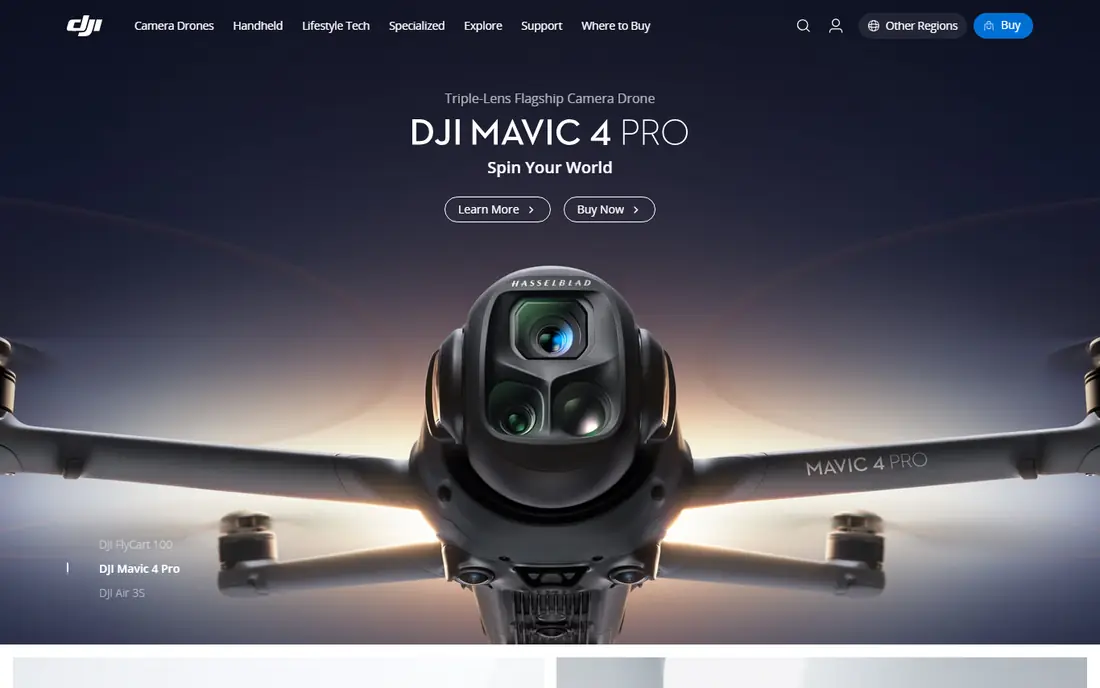
The Action 5 Pro is the smart buy for buyers who do not need the very latest sensor. It records 4K120, handles low light well for its class, and lasts longer on a charge than many action cameras. Built-in storage also helps when a card fills up mid-trip or is left behind.
Street prices in October 2026 put it well below the Action 6, which makes it the value flagship in this list. The trade-off is modest: slightly less dynamic range and no variable aperture. For most travel, cycling, and family use, that difference will not show in the final video.
- Strong battery life
- 1/1.3 inch sensor
- Built-in storage alongside a card slot
- Older than the Action 6
- No variable aperture

The Ace Pro 2 suits creators who film themselves and shoot after dark. The Leica tuned lens and larger sensor help night streets and indoor scenes hold detail, and the flip-up screen makes framing a talking head shot simple without a phone preview. FlowState stabilization keeps handheld footage smooth.
Weight is the catch. At around 177 grams, it feels heavier on a helmet or chest mount than a DJI action camera. If you mostly mount a camera and forget it, the Action 5 Pro may suit you better. If you vlog and shoot in low light, the Ace Pro 2 earns its price.
- Leica tuned lens
- 8K30 video
- Flip-up screen for self framing
- Heavier than DJI rivals
- 8K files are large
The X5 is a different kind of camera. It records everything around it, so you choose the angle after shooting, in the Insta360 app. That freedom helps for cycling, skiing, and group trips, where you cannot always aim a camera at the right moment. It also creates the well known effect where a selfie stick disappears from the shot.
Editing is the price of that freedom. Every clip needs reframing and export, and source files are large, so budget drive space and editing time. If you enjoy that process, no standard action camera matches it. If you want clips ready to share straight from the camera, pick a standard model instead.
- Full 360 capture for reframing later
- 8K30 360 video
- Invisible selfie stick effect
- Reframing takes editing time
- Files are very large
The Osmo 360 brings DJI into the 360 category with dual sensors and 8K50 360 recording. Image quality in bright light is strong, and DJI owners will find the app and mounts familiar. It is a serious rival to the X5 for buyers already invested in DJI accessories.
Like every 360 camera, it asks for editing work after shooting. You still need to pick angles and export a flat video for most platforms. Choose the Osmo 360 if you prefer DJI color and handling, and choose the X5 if you prefer Insta360 software and the wider accessory community around it.
- Dual large sensors
- 8K50 360 video
- Strong DJI app and accessory range
- 360 workflow still needs reframing
- Battery life drops at top settings
The GO 3S is the camera for moments when a normal action camera feels too big. The tiny body clips magnetically to a hat, a strap, or a pendant, and the Action Pod adds a screen, extra battery, and remote control. It records 4K60, which is plenty for social clips and travel diaries.
Battery life on the tiny body alone is short, so the Pod matters for a full day out. Low light performance also trails the larger cameras on this list. Buy the GO 3S for discreet, hands-free shooting, not as your only camera for a once in a lifetime trip.
- Very small and light body
- Magnetic mounting
- Action Pod for preview and charging
- Shorter battery life alone
- Smaller sensor than flagships
The Pocket 3 is not built for helmet mounts and surf, but it is one of the best alternatives for creators who want smooth walking shots. A mechanical gimbal steadies footage in a way electronic stabilization cannot fully match, and the 1 inch sensor gives clean detail in mixed light. The rotating screen switches between horizontal and vertical framing fast.
Treat it as a pocket video camera, not a waterproof action camera. It needs a case for rough use and it is not meant for diving or hard impacts. If your main use is vlogging, travel films, and family video, the Pocket 3 may serve you better than any rugged camera here.
- Three-axis mechanical gimbal
- 1 inch sensor
- Rotating screen for horizontal and vertical video
- Not a rugged action camera
- Needs care around water and impacts
The Action 4 remains in this list because its price has fallen while its core strengths hold up. Stabilization is strong, waterproofing suits swimming and rain, and the DJI app and mount system are the same family as newer models. For a first action camera, or a second camera for risky mounts, that combination is hard to beat at its current street price.
Check the exact kit before buying, since prices vary widely by bundle and retailer in October 2026. If the gap to the Action 5 Pro is small, the newer camera is worth the extra cost for battery life and low light. If the gap is large, the Action 4 still delivers clean 4K footage for most uses.
- Lower price than newer DJI models
- Solid stabilization
- 20 metre waterproofing on the standard design
- Older sensor and video specs
- Fewer low light gains than the Action 5 Pro
The Brave 7 LE is for buyers who want to try action video without spending several hundred dollars. It records 4K30, includes a useful bundle in many kits, and works well in bright daylight for casual clips. For kids, for a first camera, or for a risky mount where loss is possible, the low price changes the decision.
Limits show in motion and at night. Stabilization is less refined than DJI and Insta360, and footage can look softer when light drops. If you plan to film fast sports or publish polished video, save for a DJI or Insta360 model. If you want a cheap way to start, the Brave 7 LE is honest value.
- Lowest price in this list
- 4K30 video
- Bundle often includes batteries and mounts
- Weaker stabilization
- Muddier low light and bitrate than DJI and Insta360
How we picked these
We compared official specs, October 2026 pricing reports, and public reviews for cameras that serve the same jobs as a GoPro, from rugged action filming to 360 capture and vlogging. We excluded GoPro cameras themselves, since this article covers alternatives, and we excluded phones and large mirrorless cameras, which answer a different need. Where retail prices varied by bundle, we used the most commonly reported kit price or wrote See website.
What to check before you buy
Start with how you will mount the camera. Helmet, chest, bike, and surf mounts differ by brand, and a cheap camera with the wrong mount will frustrate you more than a better camera with the right one. Check whether the kit includes the mounts you need, or budget for them separately.
Next, think about battery and storage. Action cameras drain fast at high resolutions, so a second battery and a fast, high capacity card are close to essential for a day out. For 360 cameras, also check your computer and drive space, since files are far larger than standard 4K clips.
Waterproofing deserves a careful read. Depth ratings apply to the bare camera in good condition, not to a camera with a cracked screen or an open door. Rinse after salt water, dry before opening doors, and use a housing for diving beyond the rated depth. Finally, try the app before a big trip. Editing, transfer speed, and reframing tools differ a lot between DJI and Insta360, and the app you enjoy will shape how much footage you actually finish and share.
Frequently asked questions
What are the best GoPro alternatives in 2026?
For most buyers, the DJI Osmo Action 6 is the strongest overall alternative, with the Action 5 Pro as the value pick. Insta360 leads for 360 video with the X5, and for vlogging with the Ace Pro 2. AKASO suits buyers on a tight budget who accept lower stabilization and low light quality.
Are DJI or Insta360 cameras better than GoPro?
Neither brand wins on every measure. DJI often leads on battery life and value, while Insta360 leads on 360 capture and flip screen vlogging. The right choice depends on whether you need rugged action footage, 360 reframing, or talking head video. All three brands make capable cameras in 2026.
What is the best cheap alternative to GoPro?
The AKASO Brave 7 LE is the cheapest credible option in this list, often sold as a bundle with batteries and mounts. The DJI Osmo Action 4 is the next step up when its street price falls close to budget range, with better stabilization and waterproofing. Expect softer low light footage from any budget camera.
Can I use a DJI Pocket 3 as an action camera?
You can use it for smooth walking and travel video, but it is not a rugged action camera. It lacks the waterproof, impact resistant design of the Osmo Action range, so it suits vlogging and careful travel use rather than surfing, mountain biking, or diving. Use a case and keep it dry.
Do I need 8K video?
Most buyers do not. 4K video looks excellent on phones, laptops, and TVs, and it is far easier to store and edit. 8K helps when you plan to crop heavily or reframe 360 footage, but it creates large files and needs a capable computer. Shoot in 4K unless you have a clear reason for 8K.
What accessories should I budget for with an action camera?
Budget for a second battery, a fast memory card, and the mounts for your sport or activity. A protective case, a floaty grip for water use, and a small tripod also help many owners. For 360 cameras, add drive space for large files and time for reframing in the app.
Sources
See where you really rank - block by block
ProMapRanker scans Google Maps across a grid of your service area. Simple monthly plans from $19, white-label on every plan.
Start freeKeep reading
 leg extension alternatives
Leg Extension Alternatives in 2026
Leg extension alternatives that build quad strength without a machine, from goblet squats to step-ups, with form tips for home and gym training in our guide.
Read → kemono alternatives
Kemono Alternatives in 2026
Find legal kemono alternatives for creators in 2026, from Patreon and Ko-fi to Substack and Ghost, with fees, features, safety notes, and honest limits.
Read → kafka alternatives
Kafka Alternatives in 2026
Compare the best Kafka alternative platform options for event streaming, queues and messaging, with trade-offs on scale, ops and cost for developers now.
Read →