 ProMapRanker
Best GoCardless Alternatives in 2026

Key takeaways
- True direct debit replacement matters most in the UK and Europe, where Adfin, SlimPay, and TrueLayer cover bank payments more directly than card based tools.
- Stripe and Square suit US and global businesses that need recurring billing across cards, ACH, and bank payments in one platform.
- PayPal recurring payments run on cards or PayPal balance agreements, not UK Bacs direct debit, so check the payment method before switching.
- Transaction fees look small until volume grows, so model the cost on your average payment size, failure rate, and monthly volume.
Quick comparison
| Pick | Great for | Pricing starts at | Free tier | |
|---|---|---|---|---|
 Stripe | Developer led recurring billing | Free | Yes | Visit |
 Square | Small business invoicing and ACH | Free | Yes | Visit |
 PayPal | Buyer trusted recurring checkout | Free | Yes | Visit |
 Melio | Small business bill payments | Free | Yes | Visit |
 BILL | AP and AR workflows | See website | Free trial | Visit |
 Adfin | UK direct debit collections | See website | No | Visit |
 SlimPay | European recurring payments | See website | No | Visit |
 TrueLayer | Open banking payments | See website | No | Visit |
The best gocardless alternatives
GoCardless specialises in bank payments, direct debit, and recurring collections, mainly in the UK and Europe, with US ACH coverage as well. The tools below cover recurring payments in different ways, from full payment platforms to dedicated direct debit providers. We compared published fees and product descriptions.
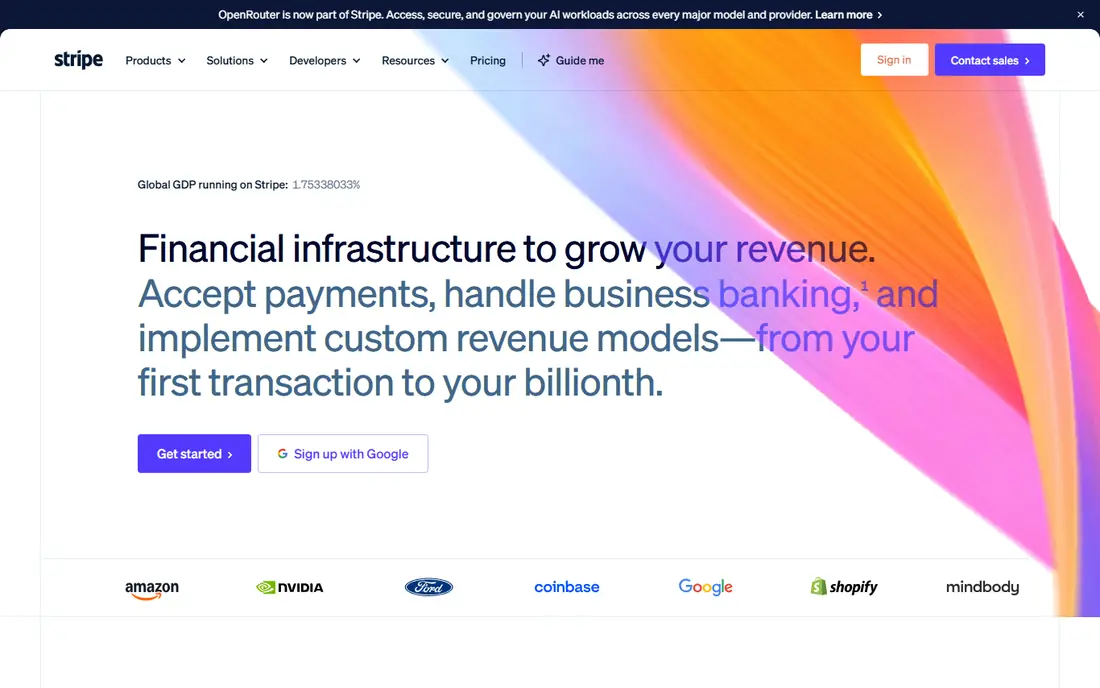
Stripe is the strongest all round replacement for a business that builds payments into its own product. Stripe Billing handles subscriptions, trials, coupons, and failed payment retries, while ACH Direct Debit in the US costs 0.8 percent capped at $5. Cards, wallets, and bank payments can sit in one integration, which simplifies reporting.
The costs need careful reading. Standard online card payments cost 2.9 percent plus 30 cents in the US, and Billing adds a percentage of billing volume on pay as you go pricing. A business that only needs simple direct debit may find Stripe more than it needs. For a SaaS or subscription business with custom billing, Stripe is the most flexible choice.
- ACH Direct Debit at 0.8 percent capped at $5 in the US
- Strong subscription billing
- Broad payment method coverage
- Billing adds a percentage of billing volume
- Setup needs developer time for custom flows
Square suits a small service business that invoices clients and also takes payments in person. Invoices can offer ACH at 1 percent, with a $1 minimum on the free plan and a $10 cap on Plus and Premium plans, which is cheaper than card fees for larger invoices. The same account covers point of sale, online checkout, and recurring invoices.
The limits are card costs and plan structure. Online card payments on the free plan cost 3.3 percent plus 30 cents, which is higher than Stripe for online only sales. Plus and Premium plans charge per location, so a multi location business should model that cost. For a small business that mixes in person and invoice work, Square is practical and easy to start.
- Free plan with no monthly fee
- ACH through invoices at 1 percent
- In person and online in one account
- Online card fees are higher on the free plan
- Plus and Premium plans charge per location
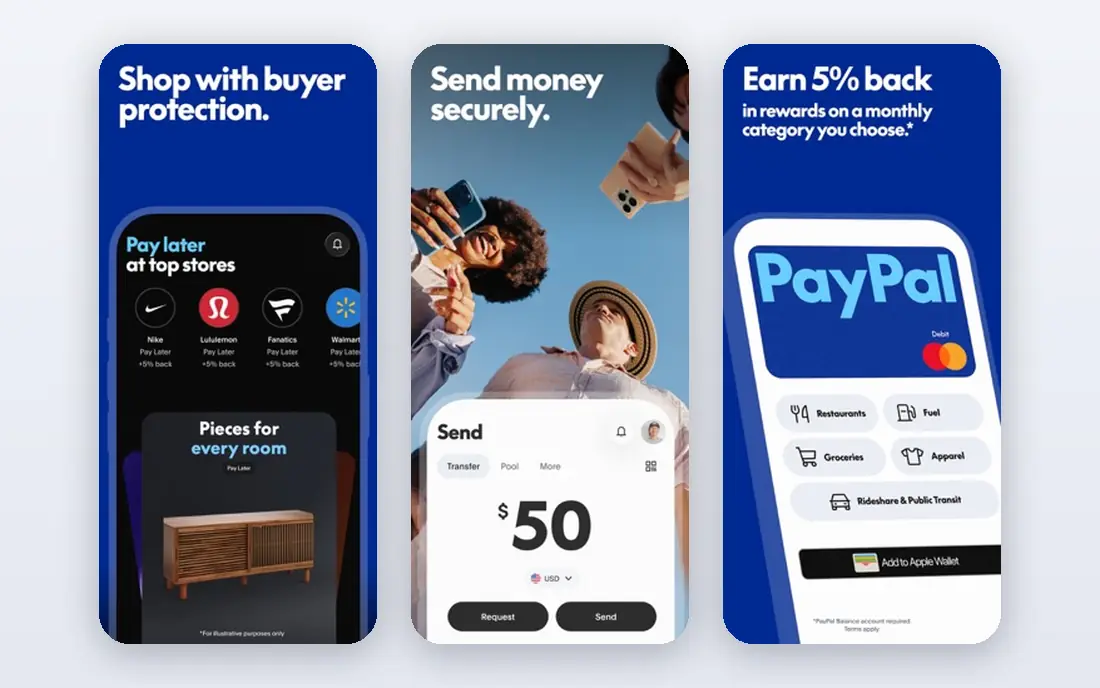
PayPal is useful when buyer trust drives conversion, since many customers already have an account and recognise the checkout button. Recurring payments and subscriptions work through cards or PayPal balance agreements, and invoice Pay by Bank offers ACH at 1 percent capped at $10 in the US. That mix suits online sellers and service businesses with a broad customer base.
The key limit is direct debit coverage. PayPal does not offer Bacs direct debit for UK merchants, so a UK business that needs true direct debit should look at Adfin or SlimPay instead. Standard checkout fees are also higher than Stripe for many transactions. Use PayPal alongside a bank payment provider, not as a sole direct debit replacement in the UK.
- Very wide buyer recognition
- Recurring billing and subscriptions
- Invoice Pay by Bank ACH at 1 percent capped at $10
- No Bacs direct debit for UK merchants
- Standard card and checkout fees are higher than Stripe for many sales
Melio fits a small US business that mainly needs to pay vendors and manage bills, rather than collect subscriptions from customers. The Go plan includes a set number of free ACH vendor payments each month, with a small fee per payment after that limit, and QuickBooks sync keeps accounting tidy. The workflow is simple for owners who do not want a full payment platform.
The limit is direction. Melio is a bill pay tool, not a customer direct debit collector, so it does not replace GoCardless for a business that collects recurring payments from customers. Card funded payments also carry fees. For a small business focused on paying suppliers by ACH, Melio is a low cost and practical choice.
- Free ACH vendor payments on the Go plan up to a monthly limit
- QuickBooks sync
- Simple bill pay workflow
- Built for paying bills, not for collecting direct debit from customers
- Card payments carry fees
BILL suits a business that needs accounts payable and receivable workflows, not only a payment link. Approvals, bill capture, and AR tools help finance teams control who pays what and when, while ACH payments are low cost per payment in published comparisons. Integrations with accounting software keep records consistent.
The trade off is complexity and pricing. BILL is a workflow platform, so a business that only needs a simple recurring payment link may find it heavy. Pricing varies by plan, and the full cost depends on users and volume. For a finance team that needs approvals and audit trails, BILL is a strong fit. For a solo seller, Stripe or Square will be simpler.
- ACH payments from $0.59 per payment in published comparisons
- Approvals and AR workflows
- Accounting integrations
- Pricing varies by plan and volume
- More workflow than a simple payment button
Adfin is one of the closest UK replacements for GoCardless, because it collects direct debit itself rather than only sending reminders. For moves with ten or more mandates, Adfin can transfer mandates under the Bacs bulk change process, so customers do not need to sign again. That detail matters a lot for a business with an established subscriber base.
The limits are currency and price clarity. Adfin collects in sterling only, so businesses with customers paying in other currencies will need Stripe or GoCardless alongside it. Pricing is also quote led, so budget approval needs a sales conversation. For a UK business focused on sterling direct debit, Adfin is a direct and practical alternative.
- True UK direct debit collections
- Bulk mandate transfer for larger moves
- Sterling focused collections
- Sterling only, so multi currency businesses need another provider
- Pricing is quote led
SlimPay focuses on recurring payments in Europe, with direct debit, automated scheduling, and tracking for subscription businesses. It suits companies that collect regular payments from European customers and need a provider built around SEPA and local bank payment habits. The interface is designed for payment operations rather than general checkout.
The drawback is scope and pricing clarity. SlimPay is less relevant for a US only business, and pricing is quote based, so comparison needs a sales call. It also offers less general payment coverage than Stripe. For a European subscription business that needs reliable recurring bank payments, SlimPay is a credible GoCardless alternative.
- European direct debit and recurring payments
- Automated scheduling and tracking
- Customer data management
- Pricing is quote led
- Less suited to US only businesses
TrueLayer suits businesses that want open banking payments, including pay by bank and variable recurring payments, across the UK and Europe. Customers pay directly from a bank account, which can reduce card fees and failed payments from expired cards. TrueLayer also offers open banking data, which helps with verification and risk checks.
The limit is that open banking is not identical to direct debit in every market, and coverage varies by bank and country. Pricing is quote led, so budgeting needs a conversation. For a business that wants modern bank payments alongside or instead of cards, TrueLayer is a strong option. For a business that needs classic Bacs direct debit, Adfin or SlimPay may be closer.
- Pay by bank and variable recurring payments
- Broad European bank coverage
- Open banking data options
- Pricing is quote led
- Not a full direct debit replacement in every market
How we picked these
We compared official provider pages and public fee guides, and we kept only providers that are live in October 2026 and that support recurring or bank payments. We did not claim hands on testing. We weighed published fees, direct debit coverage, geographic fit, and whether the tool collects payments, pays bills, or does both, since that direction changes the fit.
What to check before you choose
Start with the payment method your customers actually use. UK customers expect Bacs direct debit, European customers expect SEPA direct debit or pay by bank, and US customers expect ACH or cards. A tool that is excellent in one region can be the wrong choice in another. List your top customer countries before shortlisting.
Next, model failure and cost together. Direct debit and ACH usually fail less often than cards from expiry, but failures still happen from insufficient funds or closed accounts. Ask how failed payments are notified, retried, and reported, and what the retry fees are. A low transaction fee with poor retry handling can cost more in lost revenue than a slightly higher fee.
Finally, test the mandate and checkout flow. Ask how customers authorise payments, what appears on their bank statement, and how mandates move if you switch providers later. A clear statement descriptor reduces disputes, and a bulk transfer option saves a painful re signup. Run a small live pilot before moving your full subscriber base.
Frequently asked questions
Is Stripe a direct replacement for GoCardless?
Stripe can replace GoCardless for many recurring billing needs, especially in the US, where ACH Direct Debit costs 0.8 percent capped at $5. It also covers cards and bank payments in many countries. For UK Bacs direct debit specifically, a dedicated provider such as Adfin may be closer, so check coverage for your market.
Does PayPal offer direct debit?
PayPal offers recurring payments through cards or PayPal balance agreements, and invoice Pay by Bank ACH in the US, but it does not offer Bacs direct debit for UK merchants. That distinction matters for UK businesses that need customers to authorise a bank direct debit. Use PayPal for buyer trusted checkout, and a direct debit provider for Bacs collections.
What is the cheapest GoCardless alternative?
It depends on payment size and volume. ACH through BILL is low cost per payment in published comparisons, Stripe ACH is capped at $5, and Square ACH through invoices is 1 percent with caps on higher plans. For small payments, percentage fees matter more. For large invoices, a capped or flat fee wins. Model your real average payment before choosing.
Can I move direct debit mandates from GoCardless?
In the UK, bulk mandate transfer is possible in some cases, and Adfin notes it can transfer mandates under the Bacs bulk change process for moves with ten or more mandates. Below that threshold, customers usually sign a fresh mandate. Ask the new provider about the exact process, timing, and customer notices before you move.
Do I need a developer to use these tools?
Stripe needs developer time for custom billing, while Square, PayPal, Melio, and Adfin offer no code invoicing or dashboard flows for simpler use. Choose a no code route if you have no developer, and choose Stripe if you need custom subscription logic. A developer led tool will slow a non technical team down if it is chosen for the wrong reason.
How do failed recurring payments work?
Failed payments should trigger a notice, a retry, and a clear status in your dashboard. Direct debit and ACH failures usually come from insufficient funds or closed accounts, while card failures often come from expiry. Ask each provider about retry rules, dunning, and customer messages, since good retry handling recovers revenue without manual chasing.
Sources
See where you really rank - block by block
ProMapRanker scans Google Maps across a grid of your service area. Simple monthly plans from $19, white-label on every plan.
Start freeKeep reading
 zyte alternatives
Best Zyte Alternatives in 2026
These zyte alternatives cover managed scraping APIs, proxy networks and no code tools for lawful collection from your own or consented sources only in 2026.
Read → zerto alternatives
Best Zerto Alternatives in 2026
Compare the best zerto alternatives for disaster recovery and replication, with recovery targets, cloud options and honest trade-offs for teams in 2026.
Read → zerofox alternatives
Best ZeroFox Alternatives in 2026
We compared 9 zerofox alternatives for brand protection, phishing takedowns, dark web monitoring, and social impersonation, with clear coverage notes.
Read →