 ProMapRanker
Ghost Alternatives in 2026

Key takeaways
- WordPress gives the most ownership and flexibility, while Substack and Medium give the most built-in audience.
- beehiiv and Kit fit newsletter-first growth, with referral tools, analytics, and paid subscription options.
- Buttondown and Write.as suit writers who want a simple, focused publishing workflow without a heavy platform.
- Ghost is a strong publishing system, so the best alternative depends on whether audience, ownership, or simplicity matters most.
Quick comparison
| Pick | Great for | Pricing starts at | Free tier | |
|---|---|---|---|---|
 WordPress | Full ownership and flexibility | Free | Yes | Visit |
 Substack | Built-in audience and paid newsletters | Free | Yes | Visit |
 beehiiv | Newsletter growth and referrals | Free | Yes | Visit |
 Medium | Built-in readership and simple writing | Free | Yes | Visit |
 Buttondown | Simple, writer-friendly newsletters | Free | Yes | Visit |
 Kit | Creators selling products and courses | Free | Yes | Visit |
 Write.as | Minimal, privacy-focused blogging | See website | Free trial | Visit |
 Jekyll | Free static site publishing | Free | Yes | Visit |
The best ghost alternatives
Ghost combines publishing, newsletters, and memberships in one system, with a clean editor and strong SEO basics. The alternatives below are not Ghost itself. Each one leans in a different direction, from full website ownership to a hosted newsletter audience, so a writer or publisher can pick the trade that fits their goals.
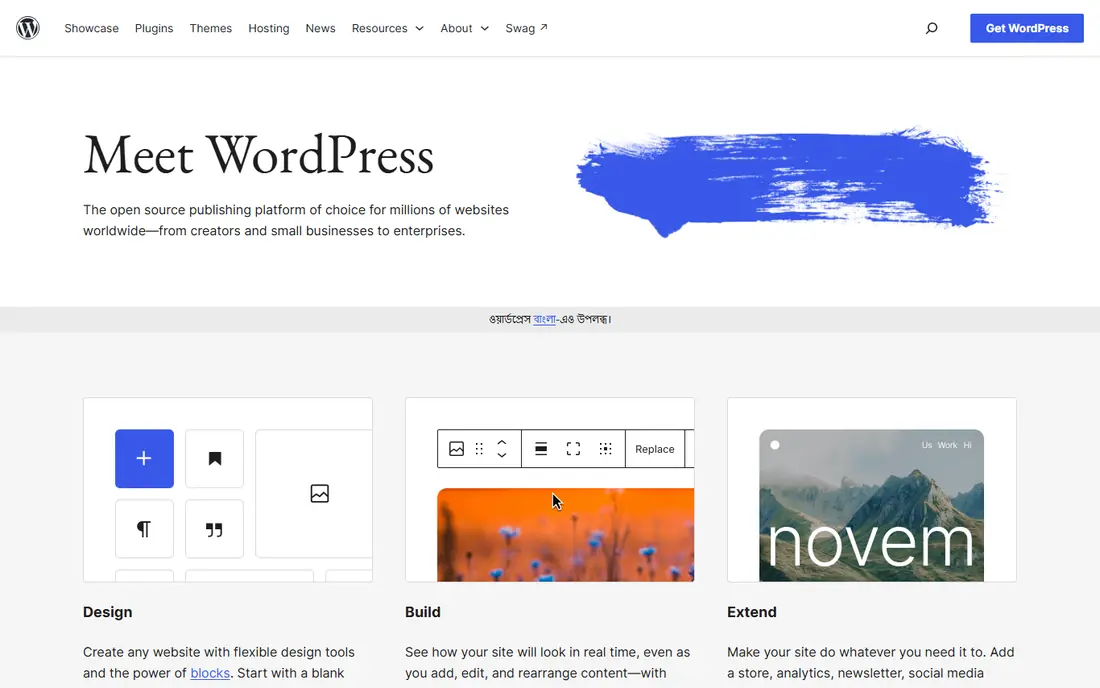
WordPress is the ownership pick. A self-hosted WordPress site gives a publisher control over design, plugins, memberships, SEO, and data, with no platform cut of subscription revenue beyond payment processing. The ecosystem covers almost any publishing need, from simple blogs to large media sites with paywalls and newsletters.
That freedom comes with work. Hosting, backups, updates, and security need attention, and a poorly chosen plugin can slow a site or break a layout. We would pick WordPress for a publisher that wants a long-term home on its own domain and is willing to manage a site, or pay for managed hosting to handle the technical side.
- Full control over site, themes, and plugins
- Huge theme and plugin ecosystem
- No platform fee on self-hosted sites
- Hosting, updates, and security are the owner's job
- Setup takes more time than a hosted newsletter tool
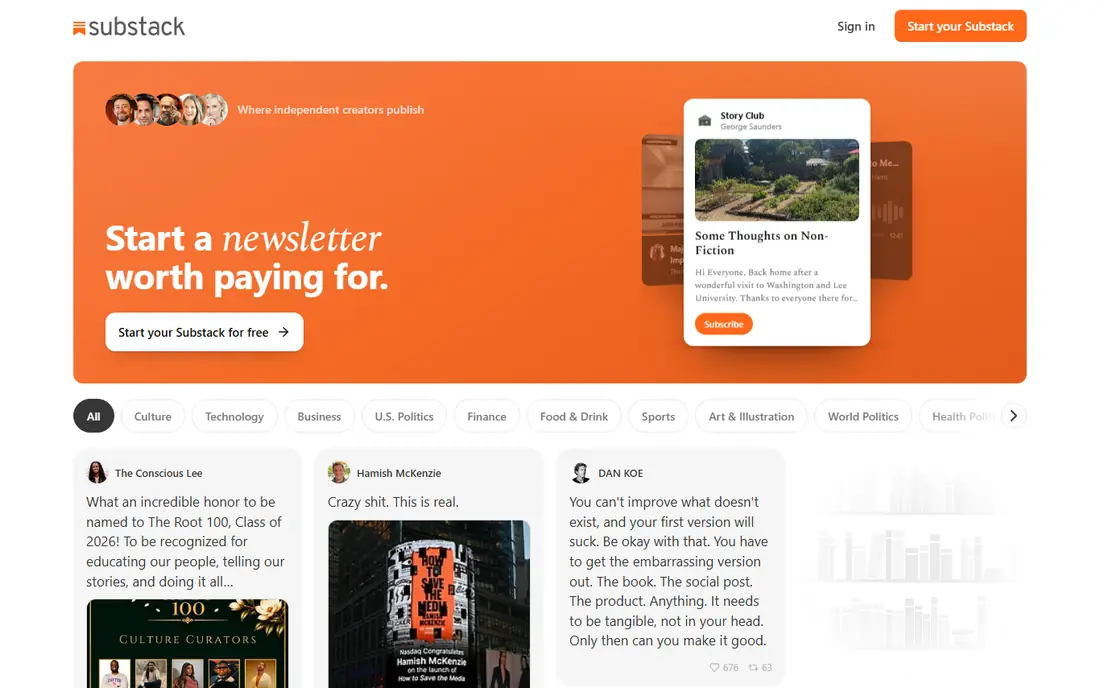
Substack is the simplest path to a paid newsletter with an audience. Writers can publish free and paid posts, send email to subscribers, and be discovered by readers already on the platform. There is no monthly fee to start, which makes it easy to test an idea before committing to a paid system.
The trade is revenue share and control. Substack takes 10 percent of paid subscription revenue, plus payment processing fees, and design options are more limited than a self-hosted site. We would pick Substack for a writer who values audience and simplicity over full site control, and who is comfortable with that revenue share as the publication grows.
- Free to publish, with a built-in discovery audience
- Paid subscriptions handled in the platform
- Simple writing and email workflow
- Platform takes 10 percent of paid subscription revenue
- Less design and site control than WordPress or Ghost
beehiiv is built for newsletter-first growth. It offers a free plan up to 2,500 subscribers with unlimited sends, plus referral programs, an ad network, and analytics that help a publication grow beyond its first readers. Paid plans add automation, audience segmentation, and more seats, with no platform share of subscription revenue on its own plans.
Paid pricing starts higher than a simple tool like Buttondown, with Lite plans around 43 to 49 dollars per month on annual billing depending on list size and current pricing. A writer with a small, personal list may not need the full growth stack. We would pick beehiiv for a newsletter that plans to grow fast and monetize through referrals, ads, or paid subscriptions.
- Free plan up to 2,500 subscribers
- Referral program and ad network for growth
- Strong analytics and audience tools
- Paid plans start higher than Buttondown
- Growth tools can feel complex for a tiny list
Medium suits writers who want readers without building an audience from scratch. Publishing is simple, distribution can bring new readers, and the Partner Program offers earnings for eligible writers based on member reading time. There is no need to manage hosting, themes, or email delivery.
Control is the limit. A writer does not own the audience list in the same way as with a newsletter platform, and design, branding, and monetization options are narrower. We would pick Medium for visibility and simple writing, and a newsletter tool such as beehiiv or Buttondown when owning the subscriber list matters most.
- Large built-in readership
- Very simple writing and publishing workflow
- Partner Program earnings for eligible writers
- Limited control over design, branding, and audience data
- Platform rules and distribution can change
Buttondown is the lean, writer-friendly option. It supports Markdown, a hosted archive, custom sending domains, and an API, with paid plans starting at 9 dollars per month. Paid subscriptions can be handled without a platform revenue share, which keeps the economics simple as a list grows.
Growth tools are lighter than beehiiv, with fewer built-in referral and ad features. The free tier covers only the first 100 subscribers, so a growing list moves to paid plans sooner. We would pick Buttondown for a solo writer or technical newsletter that values simplicity, API access, and low fees over a full growth suite.
- Free for the first 100 subscribers
- Markdown support and a clean API
- Custom domains and paid subscriptions with no platform share
- Growth and analytics tools are lighter than beehiiv
- Free tier is small for a growing list
Kit, formerly ConvertKit, fits creators who sell more than a newsletter. It offers a free plan up to 10,000 subscribers with unlimited broadcasts, visual automations for welcome sequences and tagging, and tools for selling digital products. That combination helps a creator turn readers into buyers without a separate store tool.
Paid plans start around 33 dollars per month on annual billing for the Creator plan, with higher tiers for larger lists and more features. The publishing archive is useful, but it is less central than in Ghost or beehiiv. We would pick Kit when email automation and product sales matter as much as publishing, and beehiiv when newsletter growth is the main goal.
- Free plan up to 10,000 subscribers
- Visual automations for sequences and tagging
- Product sales and paid recommendations built in
- Paid plans start higher than Buttondown for larger lists
- Publishing archive is less central than in Ghost or beehiiv
Write.as appeals to writers who want to publish without noise. Its editor is minimal, its approach favors privacy and simple reading, and it avoids the heavy dashboards that can distract from writing. For a personal blog, essays, or a quiet publication, that focus is a real benefit.
It does not match Ghost on memberships, newsletters, or site customization. A writer who needs paid subscriptions, detailed analytics, or a full publication site should choose another tool here. We would pick Write.as for minimal blogging and privacy, and we would confirm current pricing on its site, since plan details change more often than for larger platforms.
- Clean, distraction-free writing
- Privacy-focused approach with minimal tracking
- Simple publishing without a heavy dashboard
- Fewer membership and newsletter features than Ghost
- Pricing and plan details should be checked before committing
Jekyll is the free, technical alternative for a static publication. It turns Markdown files into a fast static website, with no database to maintain and no monthly platform fee. Hosting on GitHub Pages can keep costs near zero, and themes cover many blog and documentation styles.
There is no built-in newsletter or membership system, so a publisher must add email through a separate tool such as Buttondown or Kit. Comfort with Markdown, themes, and Git is also needed. We would pick Jekyll for a developer or technical writer who wants a fast, free, owned site, and a hosted tool when newsletters and memberships must work out of the box.
- Free and open source static site generator
- Fast, secure static pages
- Works well with GitHub Pages hosting
- No built-in newsletter or membership system
- Requires comfort with Markdown, themes, and Git
How we picked these
We compared official product pages, pricing pages, and public documentation for each tool, and we included only live products in October 2026. We favored tools that cover the main Ghost jobs: publishing, newsletters, and audience building, with different balances of ownership, audience, and simplicity. We mixed hosted platforms, self-hosted software, and static tools, so writers at different skill levels can find a fit.
We did not claim hands-on testing that did not happen. We compared published free limits, starting prices, revenue shares, and feature scope from vendor pages, and we wrote See website for Write.as where pricing was less stable. That keeps the comparison useful without inventing a price that may already be out of date.
How to choose a Ghost alternative
Start with the business model. A writer who sells subscriptions needs different tools from a writer who wants readers, or a publisher who wants full site ownership. Audience, ownership, and simplicity pull in different directions, so rank them before shortlisting.
If audience matters most
Substack and Medium offer built-in readers, which helps a new publication get seen. beehiiv adds growth tools for a newsletter that plans to scale. The trade is less control and, for Substack, a revenue share on paid subscriptions.
If ownership matters most
WordPress and Jekyll give the most control, with no platform fee on self-hosted setups. WordPress is easier for non-technical publishers with managed hosting, while Jekyll suits technical writers who like static sites. Both need a separate email tool for newsletters.
If simplicity matters most
Buttondown and Write.as keep the workflow small and focused. Buttondown adds newsletters and paid subscriptions, while Write.as focuses on minimal blogging. Pick the one that matches whether email or web publishing is the main channel.
Frequently asked questions
What is the best Ghost alternative?
WordPress is the best alternative for ownership and flexibility, while beehiiv is a strong pick for newsletter growth. Substack suits writers who want a built-in audience with minimal setup. The best choice depends on whether ownership, audience, or simplicity ranks first.
Is there a free Ghost alternative?
Yes, several tools here offer free plans, including WordPress self-hosted software, Substack, beehiiv up to 2,500 subscribers, Medium, Buttondown up to 100 subscribers, Kit up to 10,000 subscribers, and Jekyll. Free plans have limits, so check subscriber caps, features, and revenue shares before relying on a free tier.
Can I move my Ghost publication to another platform?
In many cases, yes, through exports and import tools, but the ease varies by platform. Content, subscribers, and paid member billing need separate checks, especially for Stripe billing. Export content and subscriber lists first, test the import on a small sample, and keep the old site live until the new one is verified.
Does Substack take a cut of paid subscriptions?
Yes, Substack takes 10 percent of paid subscription revenue, plus payment processing fees. beehiiv, Buttondown, and Kit do not take a platform share on their own paid plans in the same way, though payment processing fees still apply. That difference matters as paid revenue grows.
Which Ghost alternative is best for newsletters?
beehiiv and Kit are strong newsletter picks, with beehiiv leading on growth tools and Kit leading on automation and product sales. Buttondown is a leaner, lower-cost newsletter option for smaller lists. Choose based on list size, growth plans, and whether product sales matter.
Which Ghost alternative is best for a simple blog?
Medium and Write.as are the simplest blogging options, with Medium offering a built-in audience and Write.as offering a minimal, privacy-focused editor. Jekyll suits technical writers who want a free static blog. For a blog with memberships, WordPress or beehiiv will be a better long-term home.
Sources
See where you really rank - block by block
ProMapRanker scans Google Maps across a grid of your service area. Simple monthly plans from $19, white-label on every plan.
Start freeKeep reading
 zoho inventory alternatives
6 Alternatives to Zoho Inventory, Compared on Price and Fit
Zoho Inventory alternatives: 6 tools compared on price, free plans and fit. Katana leads the list for manufacturers. Fit and flaws are laid out for each entry.
Read → zoho crm alternatives
Best Zoho CRM Alternatives (2026)
Need Zoho CRM alternatives? We compare 7 tools on cost, free access and who each suits. Every pick gets a straight assessment. Built for quick decisions.
Read → zelle alternatives
Best Zelle Alternatives in 2026
Compare the best Zelle alternatives for sending money to friends, paying sellers and moving funds abroad, with honest notes on fees, speed and safety in 2026.
Read →