 ProMapRanker
Best FullEnrich Alternatives in 2026

Key takeaways
- Clay suits teams that want waterfall enrichment across many providers in one workflow.
- Apollo.io suits small teams that want prospecting, enrichment and outreach in one lower-cost platform.
- Cognism suits teams calling into Europe that need phone-verified mobile numbers and screening.
- Lusha, Hunter and Prospeo suit quick, self-serve lookups with free tiers for testing.
- ZoomInfo suits large enterprises that need a deep company and contact database with intent data.
- Use these tools only for lawful business contact: respect consent, privacy laws and each provider's terms, and never use enrichment for stalking, doxxing or personal harassment.
Quick comparison
| Pick | Great for | Pricing starts at | Free tier | |
|---|---|---|---|---|
 Clay | Waterfall enrichment workflows | $185 per month | Yes | Visit |
 Apollo.io | All-in-one prospecting and outreach | Free | Yes | Visit |
 Cognism | European phone-verified data | See website | No | Visit |
 Lusha | Quick self-serve lookups | Free | Yes | Visit |
 Hunter | Domain-based email finding | Free | Yes | Visit |
 Dropcontact | CRM cleaning without a stored database | See website | Free trial | Visit |
 RocketReach | Large-scale contact lookups | See website | Free trial | Visit |
 Prospeo | Fresh, verified email finding | Free | Yes | Visit |
 ZoomInfo | Enterprise contact and company data | See website | No | Visit |
The best FullEnrich alternatives
FullEnrich is a cascade enrichment tool: it queries several providers in sequence and charges only when it finds data. The alternatives below cover the same job in different ways, from single-provider databases to waterfall workflows that chain many sources. We compared official feature pages, pricing pages, documentation and public reviews. A plain note on lawful use: these tools are for business contact with professional contacts, with consent and privacy rules respected. Do not use them to find private personal details, track individuals, or contact people who have asked not to be contacted.
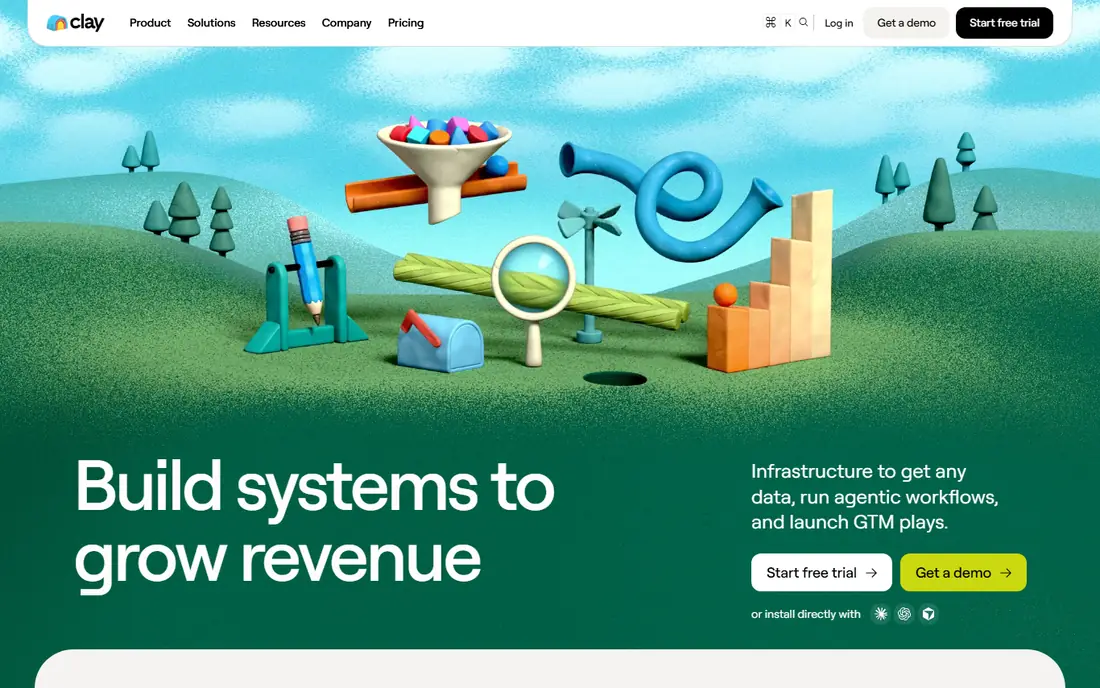
Clay is the closest workflow match for FullEnrich, with more control. Instead of a single cascade, teams build tables that query several providers in order, verify results, and push enriched records to a CRM or outreach tool. That flexibility suits revenue operations teams that want to tune match rates and costs provider by provider.
The trade is complexity and cost. Clay needs someone who can build and maintain workflows, and provider credits sit on top of the platform fee. Teams that only need simple lookups will find it heavy; teams that enrich at scale will value the control.
- Waterfall across many data providers
- Table-based workflows with AI research
- Strong CRM and outreach integrations
- Needs setup skill
- Monthly cost plus provider credits can rise with volume
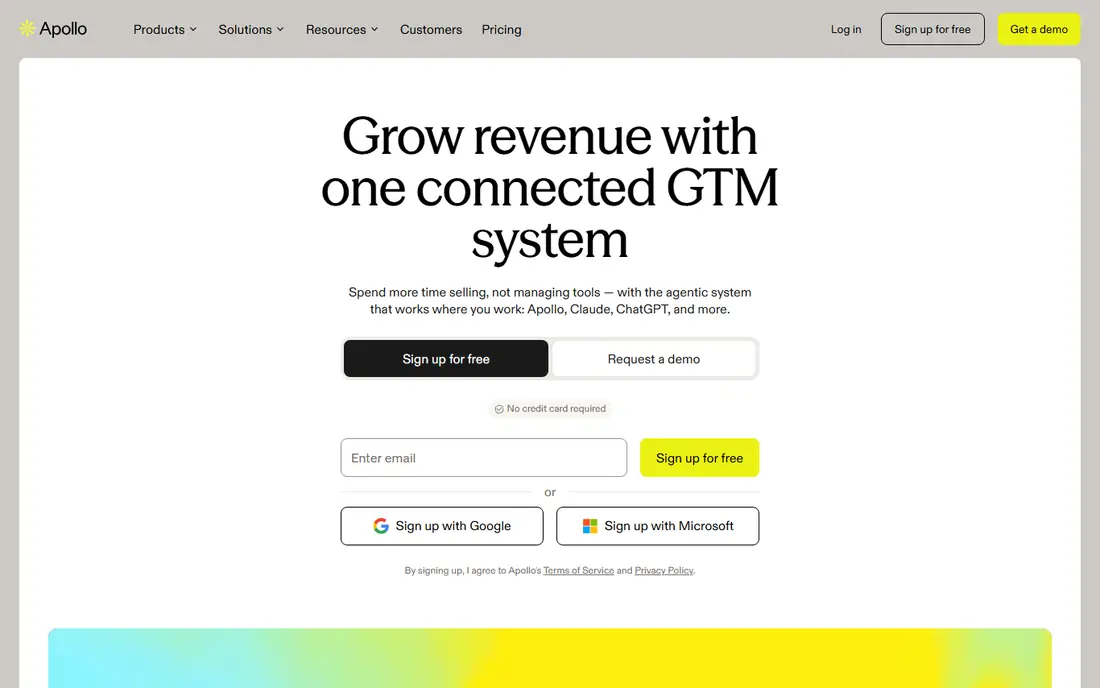
Apollo suits small teams that want one platform for finding contacts, enriching records and running sequences. Its database is broad, its free plan is genuinely usable for testing, and paid plans add credits, sequences and integrations without an enterprise contract.
Accuracy is the honest limit. Dedicated enrichment tools often beat Apollo on verified email rates, and mobile coverage outside North America can thin out for senior roles. For teams that value breadth and a single workflow over the highest verification rate, Apollo remains a sensible starting point.
- Large contact database plus sequences and a light CRM
- Usable free plan
- Straightforward self-serve pricing
- Email accuracy can trail dedicated enrichment tools
- Phone credits and export limits need checking
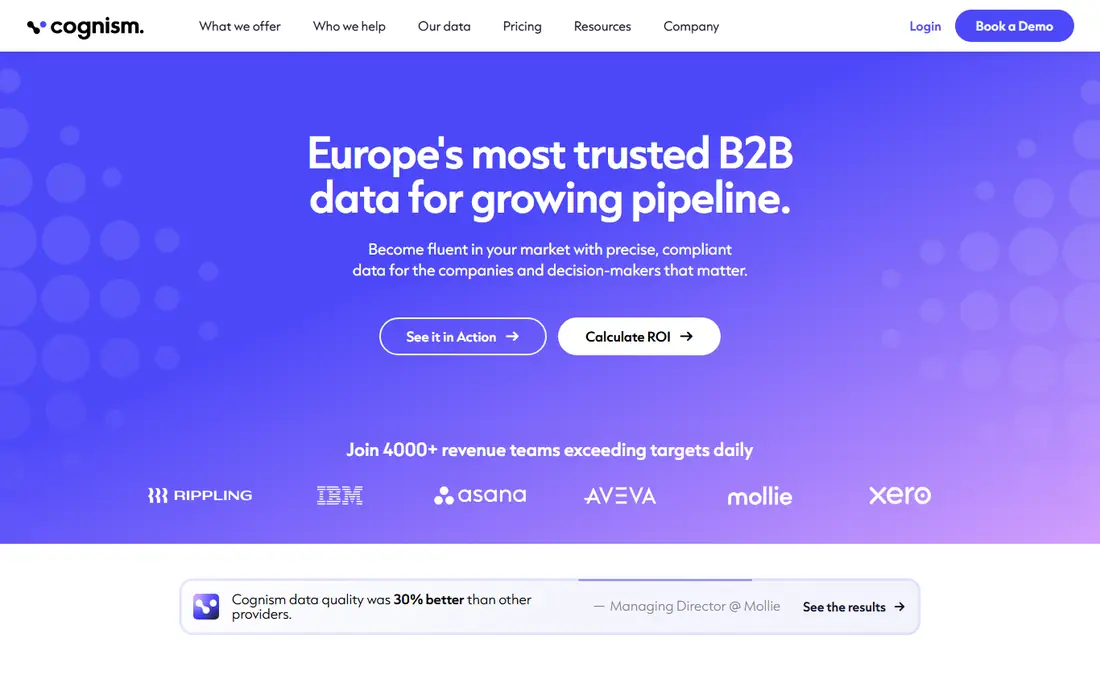
Cognism suits teams selling into the UK and Europe that need reliable mobile numbers. Its phone-verified data and screening against telephone preference lists help teams stay within calling rules, and its coverage is strongest where many US-focused databases are thin. Intent data adds a layer for prioritising accounts.
Pricing is custom and seat-based, which puts it out of reach for solo prospectors. For a sales team with a European focus and a compliance-minded workflow, the verified mobiles and screening features justify the enterprise conversation.
- Phone-verified mobile numbers with European strength
- Screening against do-not-call lists
- Intent data options
- Custom enterprise pricing
- Seat-based contracts suit larger teams better
Lusha is built for quick lookups. A rep opens a professional profile, pulls a business email or direct dial, and moves on, with credits shared across the team. That speed suits small teams and individual reps who enrich as they prospect rather than in bulk batches.
Phone credits burn faster than email credits, so teams that call heavily should model that split before buying. For email-led prospecting and fast single-record enrichment, Lusha is one of the easiest tools here to adopt.
- Fast browser extension for professional profiles
- Shared email and phone credits
- CRM integrations
- Credit costs for phones are higher than for emails
- Coverage varies by region and role
Hunter suits teams that start from a company domain rather than a name. Domain search lists emails tied to that domain, the finder suggests addresses for a person, and the verifier checks deliverability before sending. That narrow focus keeps pricing clear and workflows simple.
The limit is scope: Hunter finds emails, not phones, company intent or full contact profiles. Teams that need phone numbers or firmographic enrichment will pair it with another tool. For email-only enrichment at smaller volumes, it is a clean and affordable pick.
- Domain search and email verifier in one tool
- Transparent search-based pricing
- Simple bulk workflows
- Email only, so no phone data
- Accuracy depends on domain and role
Dropcontact takes a different approach: instead of selling access to a stored database, it finds and verifies emails algorithmically and cleans existing CRM records. That model appeals to European teams and to companies that want enrichment without relying on a large harvested database. Deduplication and data cleaning are built into the same workflow.
It is less suited to building a prospect list from zero, because its strength is enriching and cleaning records you already hold. For CRM hygiene, deduplication and verified business emails on existing accounts, it is a distinctive and privacy-conscious option.
- Algorithmic email finding and verification
- CRM deduplication and cleaning
- No stored contact database model
- Pricing is volume-based and quoted
- Less suited to bulk prospecting from scratch
RocketReach suits teams that run many lookups across a broad database. Its search covers people and companies, its extension works on professional profiles and company sites, and bulk lookup handles lists without manual one-by-one work. That scale makes it a workhorse for recruiting and sales teams alike.
Credit limits need attention on larger lists, because lookups consume credits at different rates for emails and phones. Teams should test accuracy on their own target roles and regions during a trial, rather than assuming uniform coverage.
- Large contact and company database
- Browser extension and bulk lookup
- CRM integrations
- Pricing is plan-based with credit limits
- Accuracy varies by region and seniority
Prospeo suits teams that prioritise email accuracy and freshness. Its database focuses on verified business emails with a short refresh cycle, and its extension works across company sites, professional profiles and CRMs. A free tier lets teams test accuracy on their own lists before paying.
It is newer than ZoomInfo or Cognism, so enterprise features and phone depth are thinner. For email-led prospecting where bounces hurt deliverability, its verification focus and free tier make it worth a trial.
- Free tier for testing
- Verified emails with frequent data refresh
- Chrome extension and CRM integrations
- Newer and smaller than enterprise rivals
- Phone coverage is narrower than email coverage
ZoomInfo is the enterprise pick in this list. Its database covers companies and contacts at scale, with intent signals, technographic data and organisational charts that help large teams prioritise accounts. Integrations with Salesforce and other GTM tools keep enriched data flowing into the systems sales teams already use.
The contract is the barrier. ZoomInfo runs on custom annual pricing with seat terms, which rules it out for solo users and small teams. For a large team that needs depth, intent and a full go-to-market suite, it remains the benchmark other tools are measured against.
- Deep company and contact database
- Intent and technographic data
- Strong Salesforce and CRM integrations
- Custom enterprise pricing
- Contract and seat model suits large teams only
How we picked these
We compared official feature pages, pricing pages, documentation and public reviews for each tool. We kept only tools that exist and work today, offer business contact enrichment a company can buy, and cover a distinct need such as waterfall workflows, all-in-one prospecting, European phone data, quick lookups or enterprise depth. We left out tools that only sell raw lists without verification, and we note custom pricing plainly where vendors require a quote.
What to check before you switch
Start with a test list from your own market. Enrich the same 100 contacts in each shortlisted tool, check bounce rates, phone coverage and match rates for your exact roles and regions, and compare those results rather than vendor claims. Accuracy varies sharply by geography and seniority, so a tool that wins in one market can lose in another.
Check consent and privacy rules next. Use business contact data only for lawful business purposes, respect opt-outs and do-not-contact lists, follow the privacy laws that apply in your recipients' countries, and read each provider's terms on storage and use. Never use enrichment to find private personal information, track an individual, or harass someone, and delete data you no longer need.
Finally, check credits and contracts. Some tools charge per successful enrichment, some per credit regardless of result, and some by seat plus credits. Model a realistic month of volume, including phone credits, and confirm whether unused credits roll over before you sign.
Frequently asked questions
What is the best FullEnrich alternative for waterfall enrichment?
Clay is the best waterfall pick here, because it lets teams chain many providers in order and tune each step. FullEnrich itself uses a cascade model, so Clay gives a similar result with more workflow control. Teams that want a simpler cascade without building workflows should test Prospeo or Dropcontact for their market.
Which alternative is cheapest for small teams?
Apollo.io, Lusha, Hunter and Prospeo all offer free tiers, which suit small teams testing accuracy. Clay starts at $185 per month, so it fits teams enriching at volume rather than solo users. Compare credit costs, not just the platform fee, because phone credits change the total fast.
Which alternative is best for European phone numbers?
Cognism is the strongest European phone pick here, with phone-verified mobiles and do-not-call screening. Kaspr is another European-focused option worth testing, but Cognism's verification and screening give it the edge for compliance-minded teams.
Is B2B contact enrichment legal?
It can be, when used for lawful business contact under the privacy laws that apply, with consent or a valid legal basis, opt-outs respected and provider terms followed. Laws differ by country, and rules for phone outreach are stricter than for email in many places. This article is not legal advice; check the rules for your market before launching outreach.
How accurate is enriched contact data?
Accuracy varies by provider, region, role and how recently the data was refreshed. No tool is perfect, so verify emails before sending, test a sample list in each tool, and track bounce rates over time. A tool that refreshes data frequently usually holds up better than one with a stale database.
Do I still need a CRM if I use an enrichment tool?
Yes, for most teams. Enrichment tools find and verify data, but a CRM stores the record, tracks conversations and manages opt-outs. Apollo includes a light CRM, and most other tools here integrate with Salesforce, HubSpot or Pipedrive, so enriched data lands where sales teams work.
Sources
See where you really rank - block by block
ProMapRanker scans Google Maps across a grid of your service area. Simple monthly plans from $19, white-label on every plan.
Start freeKeep reading
 zyte alternatives
Best Zyte Alternatives in 2026
These zyte alternatives cover managed scraping APIs, proxy networks and no code tools for lawful collection from your own or consented sources only in 2026.
Read → zerto alternatives
Best Zerto Alternatives in 2026
Compare the best zerto alternatives for disaster recovery and replication, with recovery targets, cloud options and honest trade-offs for teams in 2026.
Read → zerofox alternatives
Best ZeroFox Alternatives in 2026
We compared 9 zerofox alternatives for brand protection, phishing takedowns, dark web monitoring, and social impersonation, with clear coverage notes.
Read →