 ProMapRanker
Best Flickr Alternatives in 2026

Key takeaways
- 500px is the closest community replacement for photographers who want feedback and exposure from other photographers.
- SmugMug and Zenfolio suit photographers who sell prints or deliver client work, with commerce and gallery tools built in.
- Google Photos and Imgur suit casual sharing and quick links, not a professional portfolio or a photography community.
- Pixelfed offers a federated, open alternative for users who want photo sharing without a single company controlling the feed.
- Pixieset and Behance serve different ends of the same need: client delivery on one side, creative exposure on the other.
Quick comparison
| Pick | Great for | Pricing starts at | Free tier | |
|---|---|---|---|---|
 500px | Photography community and licensing | Free | Yes | Visit |
 SmugMug | Selling prints and portfolios | See website | Free trial | Visit |
 Google Photos | Casual backup and sharing | Free | Yes | Visit |
 Imgur | Quick public image sharing | Free | Yes | Visit |
 Pixelfed | Federated photo sharing | Free | Yes | Visit |
 DeviantArt | Art community and prints | Free | Yes | Visit |
 Zenfolio | Client galleries and sales | See website | Free trial | Visit |
 Unsplash | Free stock-style exposure | Free | Yes | Visit |
 Behance | Creative portfolio exposure | Free | Yes | Visit |
 Pixieset | Client delivery and proofing | See website | Yes | Visit |
The best Flickr alternatives
Flickr mixes community, storage, and portfolios, so no single replacement covers all three equally well. We grouped these picks by their main strength, and we note where a tool is weak on community or commerce.
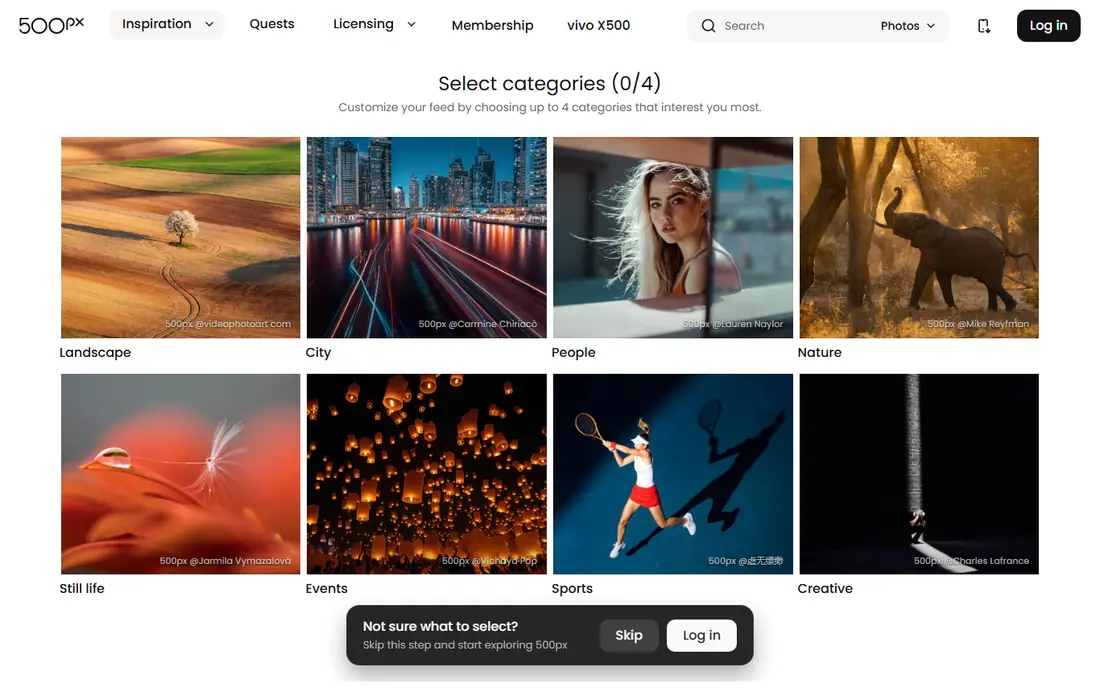
500px is the most direct community alternative to Flickr for photographers. Its feed, Pulse scoring, and critique culture center on photography rather than general social posting, which makes feedback more relevant for someone trying to improve. Licensing gives photographers a path to earn from images, even if earnings vary widely by image and demand.
The free tier is limited, and several useful features, including higher upload allowances and portfolio tools, sit behind paid plans. Photographers who mainly want to share casually may find that frustrating. Photographers who want a serious photography audience, and who will use licensing, will find 500px the closest fit here.
- Photography-focused community
- Licensing marketplace
- Unlimited uploads on paid tiers
- Useful features sit on paid plans
- Contributor earnings are modest for many photographers
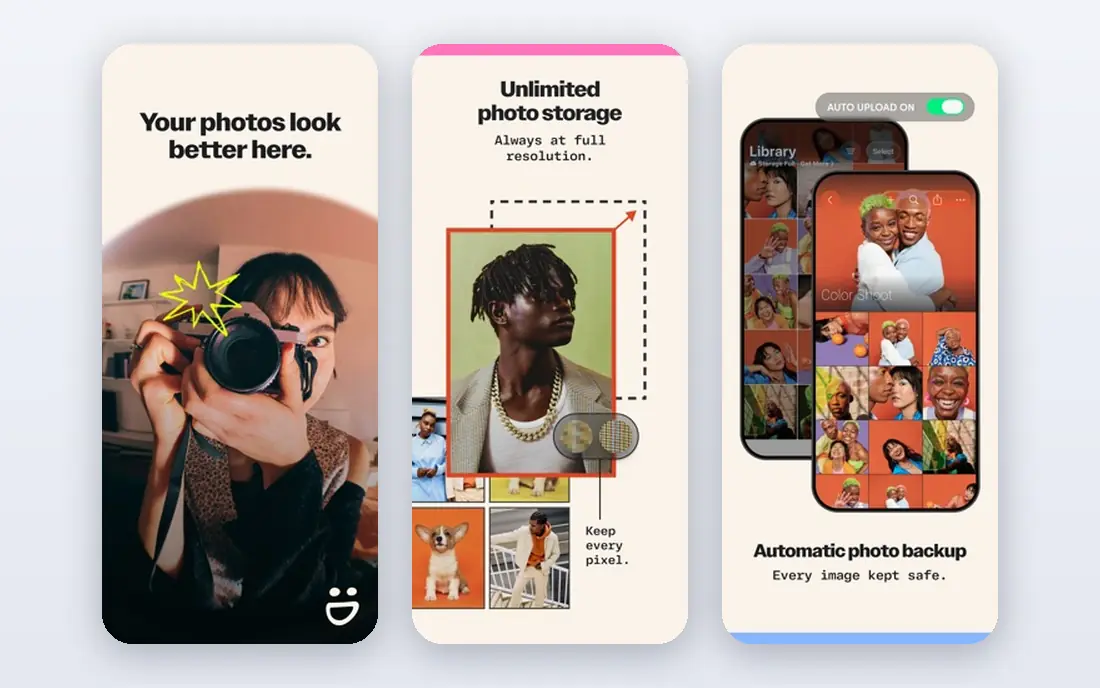
SmugMug suits photographers who want a polished portfolio that also sells. Unlimited storage on paid plans removes the worry about upload caps, and print fulfillment, commerce tools, and custom domains let a photographer run a small shop from the same site. Galleries look professional, and client sharing controls are straightforward.
There is no permanent free plan, only a trial, so casual sharers should look elsewhere. Pricing has also drawn complaints about increases, so confirm the current annual price for the tier you need before moving a large library. For working photographers who sell, SmugMug remains one of the strongest Flickr replacements.
- Unlimited photo storage on paid plans
- Print sales and commerce
- Custom domains
- No permanent free plan
- Pricing has risen over time, so check the current plan
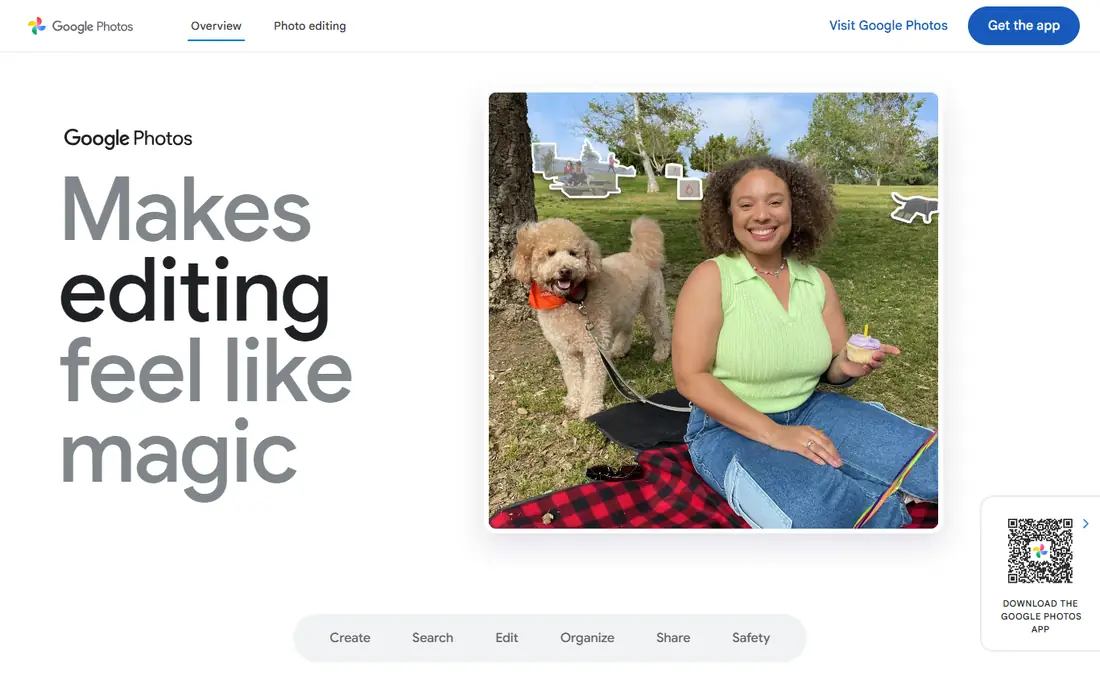
Google Photos is the practical pick for everyday backup and sharing, especially for phone photographers. Automatic backup, search by person or place, and simple album links make it easy to share a trip or an event with family. The free storage allowance, shared across Google services, covers casual use well.
It is not a community replacement. There is no Flickr-style photography feed, critique culture, or portfolio discovery, and paid storage comes through Google One once the shared allowance fills. Use Google Photos for backup and casual sharing, and pair it with 500px or Behance when community exposure matters.
- Easy backup from phones
- Simple sharing links
- Strong search
- No photography community like Flickr
- Storage is shared across Google services
Imgur is built for fast, public image sharing, and it does that job with very little friction. Upload an image, get a link, and share it anywhere, with a large casual audience that votes and comments. For a photographer who needs a quick link for a forum post or a chat, Imgur is hard to beat.
It is not a portfolio or a serious photography community. Compression, casual community norms, and a feed dominated by humor mean fine photography gets less careful attention than on 500px or Flickr. Use Imgur for quick sharing, and use a dedicated photography platform for work you want presented seriously.
- Fast uploads and links
- Large casual audience
- Free to use
- Image quality and community norms suit memes more than fine photography
- Not a portfolio tool
Pixelfed offers photo sharing on the fediverse, where independent servers, called instances, connect with each other instead of one company running the whole network. That structure appeals to users who want chronological timelines and more control over moderation and data. Many instances are free to join, and the interface will feel familiar to Instagram and Flickr users.
Instance choice matters a lot. Audience size, rules, uptime, and moderation vary from one instance to another, so two Pixelfed users can have quite different experiences. The total audience is also smaller than mainstream platforms. For users who value openness over reach, Pixelfed is a genuine alternative; for users who need the largest audience, it is not.
- Open, federated photo sharing
- No ads-driven central feed on many instances
- Chronological timelines
- Experience varies by instance
- Smaller audience than mainstream platforms
- Instance rules differ
DeviantArt has served artists for many years, and photographers are part of that wider art community. Groups, journals, and critique threads give photographers a place to share work and get feedback, and print sales offer a path to earn. The free tier makes it easy to start without paying.
The broader art focus is both a strength and a limit. Photography sits beside illustration, digital art, and fan art, so a pure photography audience is harder to find than on 500px. The interface can also feel busy to a newcomer. Photographers who enjoy a general art community will like it; photographers who want only photography feedback should start with 500px.
- Large art community
- Print sales
- Groups and critique culture
- Broader art focus dilutes pure photography
- Interface can feel busy
Zenfolio targets working photographers who deliver client work and sell prints. Client galleries, proofing, and print fulfillment sit beside portfolio websites, so a wedding or portrait photographer can deliver, sell, and present work from one account. The workflow feels built for client jobs rather than casual sharing.
There is no permanent free plan, only a trial, and community discovery is weaker than on Flickr or 500px. A photographer who wants clients to find work through a community feed will need another channel. A photographer who wants a clean delivery and sales system will find Zenfolio a practical Flickr replacement for the business side.
- Client galleries and proofing
- Print fulfillment
- Portfolio websites
- No permanent free plan
- Less community discovery than Flickr
Unsplash gives photographers exposure to a very large audience, since its images are free for anyone to use with broad licensing. Contributors who want their work seen, linked, and used widely can reach far more people here than on a niche photography site. Uploading is simple, and the site's curation gives strong images a real chance to stand out.
The free-use model is the trade-off. Unsplash is not a place to sell prints or deliver private client galleries, and contributors should not expect direct income from downloads. Use it for exposure and portfolio visibility, and use SmugMug or Zenfolio when selling or client delivery is the goal.
- Huge audience for free images
- Strong exposure for contributors
- Simple uploads
- Images are free to use, so no direct sales
- Not a private portfolio or client tool
Behance, part of the Adobe ecosystem, lets photographers present projects in a polished, story-like format to a large creative audience. Art directors, designers, and other creatives browse Behance for talent, which makes it useful for photographers seeking work rather than just feedback. A free account covers portfolio presentation well.
Like DeviantArt, Behance covers many creative fields, so photography competes with design, illustration, and motion work for attention. It also lacks the client gallery and print fulfillment focus of SmugMug or Zenfolio. Use Behance for exposure and professional presentation, and pair it with a delivery tool for client jobs.
- Large creative audience
- Polished project presentation
- Adobe ecosystem links
- Broader creative focus, not photography only
- No client gallery or print sales focus
Pixieset focuses on client delivery, with clean galleries, proofing, and favorite marking that clients find easy to use. A free tier lets a photographer start without paying, and paid plans add storage, store features, and website tools. For portrait, wedding, and event photographers, that delivery experience is the core need.
Community discovery is not the point here. Clients reach galleries through links you send, not through browsing a public photography feed. Plan features also vary, so check whether the store or website tools you need sit on your chosen tier. For client work, Pixieset is a strong, focused replacement for the delivery side of Flickr.
- Clean client galleries
- Proofing and favorites
- Free tier to start
- Less community discovery
- Store and website features vary by plan
How we picked these
We compared official product pages, pricing pages, and public documentation for photo sharing and portfolio platforms that work in October 2026. We kept a mix of community sites, selling platforms, client delivery tools, and casual sharing options, since Flickr itself mixes those jobs. Where a vendor did not publish a clear starting price, we wrote See website instead of repeating an older review figure.
What to check before you switch
First, decide which Flickr job you actually miss: community feedback, portfolio presentation, client delivery, or casual sharing. No single tool here wins all four, so picking by that job avoids disappointment. Next, test the export and upload path with a small batch of images, including full-resolution files, before moving a whole library. Finally, check licensing terms carefully, especially on free-use sites such as Unsplash, so you do not give away rights you meant to keep.
Protecting your work when you move
Keep a local backup of full-resolution originals before any migration, since a platform upload is not a backup. Check whether a new platform compresses images, and whether it lets you control download permissions and licensing. Read the terms for commercial use of your images, and keep a record of where each image is licensed, so a future move does not create a rights tangle.
Frequently asked questions
What are the best Flickr alternatives?
500px is the best community alternative, SmugMug and Zenfolio are the best selling and client delivery alternatives, and Behance is the best exposure alternative for creative work. Google Photos suits casual backup, while Pixelfed suits users who want federated, open photo sharing. The best pick depends on whether you want feedback, sales, or simple sharing.
What are alternatives to Flickr for photographers?
Photographers should start with 500px for community, SmugMug or Zenfolio for selling and client work, and Behance for portfolio exposure. Pixieset covers client proofing well, while Unsplash covers wide free exposure. Most working photographers end up using two tools: one for community and one for business.
Is 500px a good Flickr alternative?
Yes, 500px is the closest community replacement, with a photography-focused feed and licensing options. Its free tier is limited, and some features need a paid plan, so casual sharers may prefer Google Photos. Serious photographers who want feedback from other photographers will find it the best fit.
Can I sell photos on Flickr alternatives?
Yes. SmugMug and Zenfolio offer print sales and commerce, DeviantArt offers print sales, and 500px offers licensing. Unsplash and Behance focus on exposure rather than direct sales, so they suit marketing more than income. Check commission and fulfillment terms before choosing a selling platform.
Is Pixelfed a good Flickr alternative?
Pixelfed is a good alternative for users who want open, federated photo sharing with chronological timelines and no central ad-driven feed. Audience size and instance quality vary, so the experience depends on the instance you join. Users who need the largest possible audience should also keep a mainstream account.
Which Flickr alternative is free?
Google Photos, Imgur, Pixelfed, DeviantArt, Unsplash, Behance, and Pixieset all offer a free tier, while 500px offers a limited free tier. SmugMug and Zenfolio offer trials rather than permanent free plans. Free tiers differ on storage, uploads, and features, so check limits before moving a large library.
Sources
See where you really rank - block by block
ProMapRanker scans Google Maps across a grid of your service area. Simple monthly plans from $19, white-label on every plan.
Start freeKeep reading
 zscaler alternatives
Best Zscaler Alternatives in 2026
Looking for zscaler alternatives? We compare 9 SASE and zero trust platforms on architecture, data protection, pricing, and fit for your network and team.
Read → zapier alternatives free
Best Zapier Alternatives Free in 2026
Nine automation tools for zapier alternatives free in 2026, all with genuinely free tiers, plus free plan limits, starting prices and upgrade paths explained.
Read → which platform is best for online reputation
Which Platform Is Best for Online Reputation in 2026
Wondering which platform is best for online reputation? We compare 8 review, listing, and response tools for small and multi-location businesses and agencies.
Read →