 ProMapRanker
Top Elicit Alternatives for 2026, With Prices

Exploring related papers visually · Pricing starts at: See website
Direct answer
For exploring related papers visually, Connected Papers is where this list starts. Listed starting prices: Litmaps from $10 a month, ResearchRabbit from $10 a month and Scite from $12 per month. Litmaps fits visual literature review mapping; ResearchRabbit fits citation maps and trend tracking. The remaining 2 options are covered below with prices and limits.
If you are comparing Elicit, this page covers 5 tools in one place: what each is best for, what it costs to start, whether it has a free plan, and the main limit to know about.
Key takeaways
- Connected Papers takes the first slot, best suited to exploring related papers visually.
- For the cheapest start, look at Litmaps: $10 per month.
- Just one of the 5 tools, ResearchRabbit, has a free plan.
- For AI search across peer-reviewed literature, Consensus is worth a look.
- One limit worth knowing about Scite: context labels need interpretation.
Quick comparison
| Pick | Great for | Pricing starts at | Free tier | |
|---|---|---|---|---|
| Connected Papers | Exploring related papers visually | See website | Not stated | Visit |
 Litmaps | Visual literature review mapping | $10 a month | Not stated | Visit |
 ResearchRabbit | Citation maps and trend tracking | $10 a month | Yes | Visit |
 Scite | Citation context and claim support | $12 per month | Free trial | Visit |
 Consensus | AI search across peer-reviewed literature | See website | Not stated | Visit |
5 options for Elicit in detail
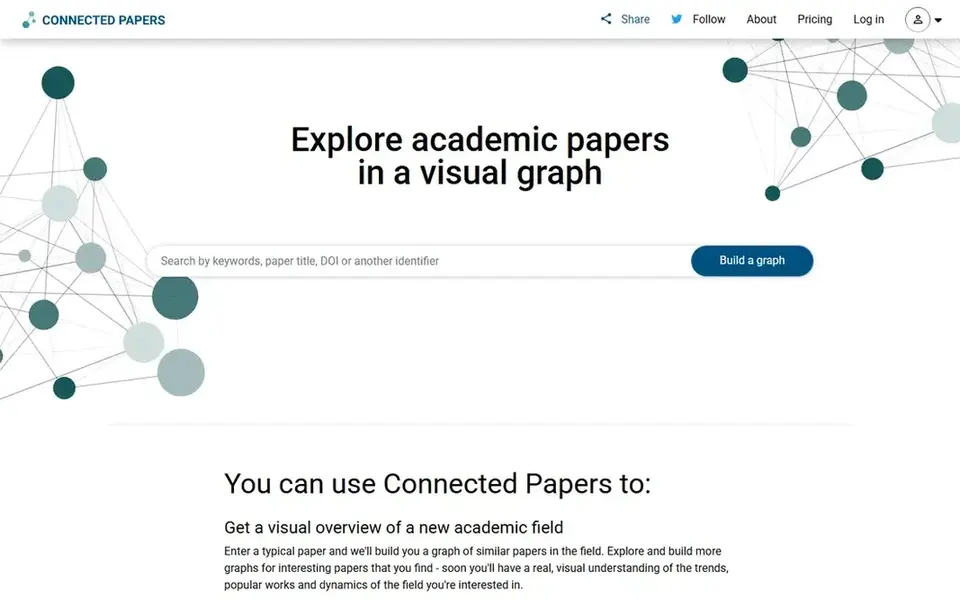
Connected Papers is aimed squarely at exploring related papers visually. Pick it for fast visual orientation, and pair it with another tool for deeper review work.
You usually need a seed paper to get value. Check the vendor site for Connected Papers pricing; none is listed in this comparison. Free options: Not stated.
Drawbacks to consider: Best with a known seed paper.
- Visual exploration of related work
- Helps find relevant papers in a field
- Narrower feature set than full review suites
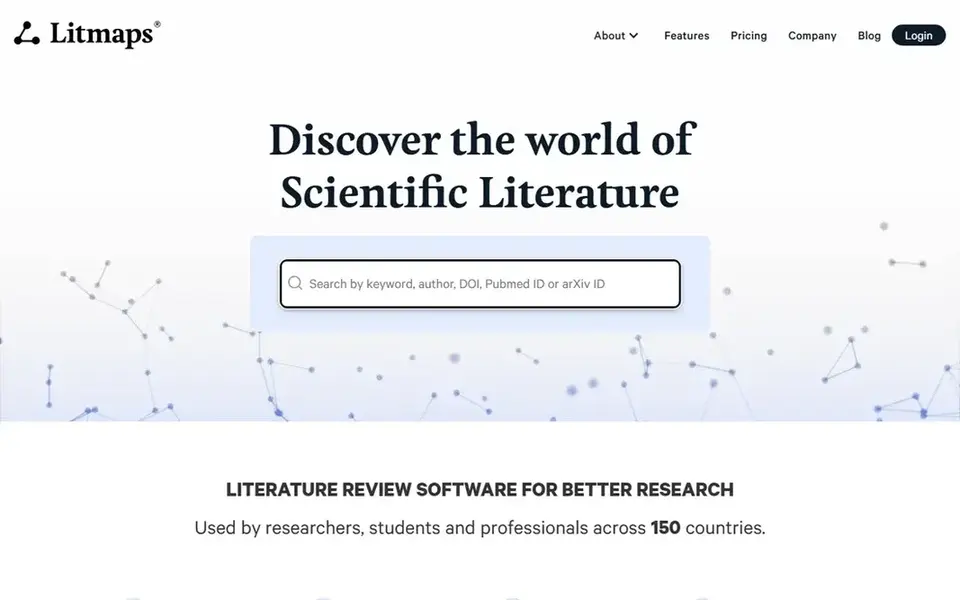
For visual literature review mapping, Litmaps is a natural candidate. Litmaps bills itself as a literature review assistant that accelerates the review process through dynamic visualizations, helping researchers discover important papers quicker.
On top of that, as an Elicit alternative, it appeals to those who prefer exploring a field through maps instead of question-and-answer search. What you pay to start with Litmaps: $10 per month. On free options: Not stated.
Drawbacks to consider: Needs a seed set of papers to be handy.
- Helps spot important papers quicker
- Pitched at speeding up literature review
- Mapping focus may not suit fast lookups
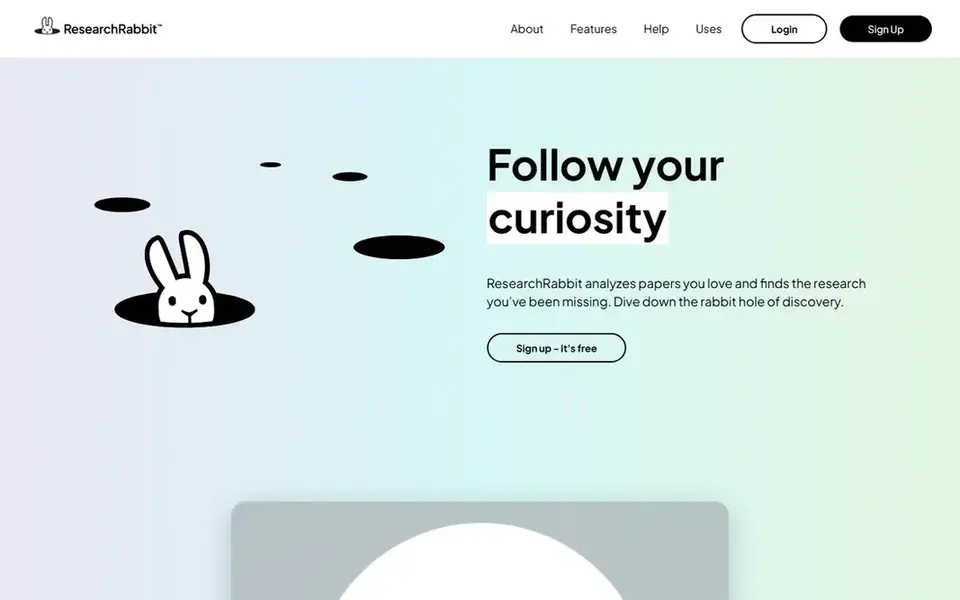
ResearchRabbit was built for citation maps and trend tracking. Its strength in mapping and recommendations means it does not aim to provide direct evidence-backed answers.
So it complements instead of replaces a search engine like Consensus. What you pay to start with ResearchRabbit: $10 per month. ResearchRabbit has a free plan.
Trade-offs to know: Maps need curation to stay handy.
- Tracks research trends
- Builds citation maps
- Discovery-focused instead of answer-focused
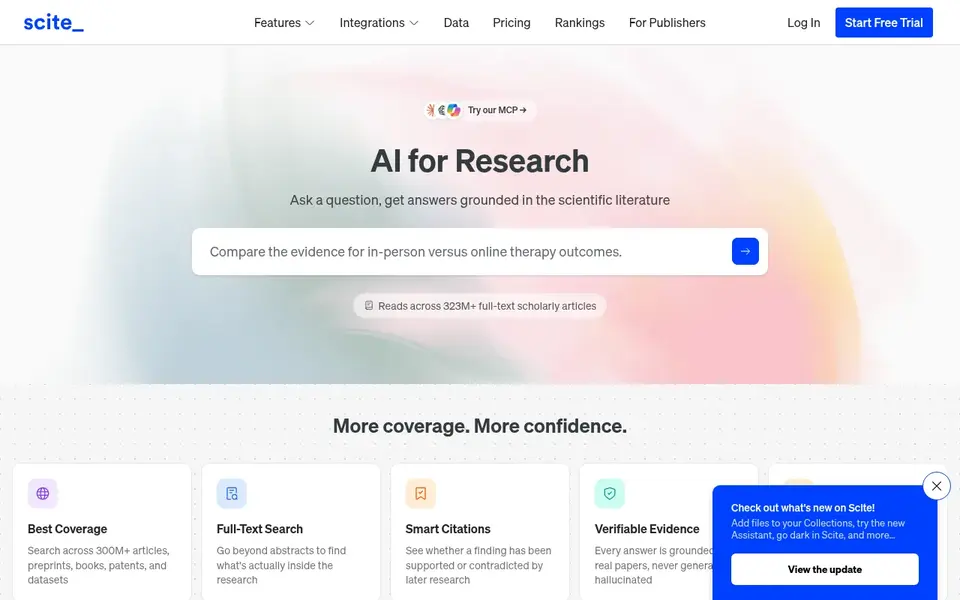
Scite works best for citation context and claim support. Scite searches a large body of scholarly articles to deliver citation-backed answers and indicate whether a claim is supported or disputed by later work.
This makes it handy for researchers who want to gauge how a finding has been received, not just whether a paper exists. On cost, Scite starts like this: $12 per month. On free options: Free trial.
Where it is weaker: Less concentrated on visual mapping.
- Citation-backed answers
- Large scholarly article index
- Context labels need interpretation
Consensus is aimed squarely at AI search across peer-reviewed literature. It fits students, analysts and researchers who want fast evidence-backed answers drawn from scholarly sources instead of open web results.
The main drawbacks: Narrower than general search engines.
From a buyer's view, treat its summaries as a starting point and verify claims against the original papers. Consensus shows no starting price here, so confirm the cost on the vendor site. On free options: Not stated.
- Positions itself as a research workspace
- Supports finding and organizing science
- Visual mapping is not its emphasis
How these tools were picked
For each of the 5 tools we noted price, free plan or trial, fit for Elicit and the main limit, using vendor pages and documentation. Treat prices as a snapshot: vendors change plans often, so check the vendor site for the figure that applies today. Order on the page follows fit for the typical buyer first, then price transparency and free access. Your own requirements should decide the final pick.
Things to verify first
- Confirm the entry price on the vendor page. For Connected Papers and Consensus that means a quote rather than a fixed price.
- Test the free plan from ResearchRabbit against your real workload before relying on it.
- Run a trial of Scite with real work before paying for a year; your own workflow is the best test.
- Before choosing Connected Papers, weigh its main limit: narrower feature set than full review suites.
- Involve the people who will use Scite daily; a short pilot beats a long feature checklist.
- Make sure ResearchRabbit lets you export your data in a format another tool can read.
Frequently asked questions
Which options for Elicit have a free plan?
ResearchRabbit is the only tool in this list with a free plan. Free plans usually cap users, projects or features, so check the limits on the vendor page. One other tool offers a trial instead.
Can I try these tools before paying?
Often, yes. ResearchRabbit has a free plan and Scite offers a free trial. Use your own data and a real task during the test, and check what the free tier or trial limits before you rely on it.
What is the cheapest option for Elicit in this list?
On published monthly entry prices, Litmaps is the lowest here at $10 per month. Entry price is only part of the cost, because seats, add-ons and billing terms can change the total. Each of the 5 options in this Elicit alternatives guide has its own card above with the price, free plan and limits.
How are the tools for Elicit ordered?
The order follows typical fit for Elicit, with Connected Papers first and Consensus last, then price clarity and free access. It is editorial judgement, not a score, so another team could rank the tools differently.
Which tools present how a claim is supported or disputed?
Scite is built around this idea, using citation-backed answers to indicate whether claims are supported or disputed by later work. Other tools here emphasize discovery or mapping instead of citation context, so read the citing passages yourself before relying on any label.
Sources
See where you really rank - block by block
ProMapRanker scans Google Maps across a grid of your service area. Simple monthly plans from $19, white-label on every plan.
Start freeBrowse all guides
← Best Platforms for MLOps for Generative AI (2026)Humanize AI Alternatives in 2026: Prices and Free Plans →
 best enterprise ai assistants software for startups
Best Enterprise AI Assistants Software for Startups in 2026
Best enterprise AI assistants software for startups: 6 tools compared on price, free plans and fit. Real limits included. Last reviewed November 2026.
Read → best ai assistant apps in japan
Best AI Assistant Apps in Japan in 2026
Compare 5 picks for the best AI assistant apps in japan, with prices, free plans and who each fits. Weaknesses are named for every tool. Costs up front.
Read → best ai asset management software
Best AI Asset Management Software: 2026 Prices and Picks
Comparing the best AI asset management software? 6 contenders, each with entry cost, free tier and best-fit buyer. Pros and cons for every tool. Clear verdicts.
Read → best ai bdr software
Best AI BDR Software (2026)
7 options for the best AI BDR software, with entry costs, free tiers and the buyer each one serves. The weak spots sit next to the strengths. Facts only.
Read → best itsm software
Best ITSM Software in 2026: 9 Tools Compared
Compare the best itsm software for incident, problem and change management. We review 9 itsm tools on price, free plans, AI features and ITIL coverage.
Read → best radio automation software
Radio Automation Software
Searching for the best radio automation software? Here are 5 options with prices and free plans. Each pick lists its main limit. Full profiles inside.
Read →More in AI Tools · All guides A to Z by date · Latest guides