 ProMapRanker
8 E-Commerce Platforms With the Best Selection


Stores that want a large app and theme selection with easy setup · Pricing starts at: $39 per month
Key takeaways
- Best selection here means apps, themes, payments, and sales channels, not only product count.
- Shopify and WooCommerce offer the widest app and plugin selections, while BigCommerce offers more built in features.
- Open source platforms offer control and choice, but hosting and maintenance costs sit with the store owner.
- Enterprise prices are often quote based, so check total cost including apps and hosting.
Quick comparison
| Pick | Great for | Pricing starts at | Free tier | |
|---|---|---|---|---|
| Shopify | Stores that want a large app and theme selection with easy setup | $39 per month | No | Visit |
 WooCommerce | WordPress stores that want a large plugin selection and full control | See website | Yes | Visit |
 BigCommerce | Growing brands that want built in features and a wide catalog selection | $39 per month | No | Visit |
 Wix | Small stores that want design choice and simple setup | $17 per month | No | Visit |
 Squarespace | Design led brands with small catalogs and content heavy sites | $16 per month | No | Visit |
 Adobe Commerce | Enterprises that need deep catalog and customization selection | See website | No | Visit |
 Ecwid by Lightspeed | Existing sites that want to add a store with a free start | See website | Yes | Visit |
 PrestaShop | Stores that want open source choice and a large module selection | See website | Yes | Visit |
The best e-commerce platforms with the best selection
Shopify
Great for: Stores that want a large app and theme selection with easy setup

For senders who want a clear, tracked route to Nigeria, Shopify is a strong place to start. Shopify offers one of the widest selections of apps and themes among hosted platforms, which lets stores add subscriptions, reviews, and sales channels without custom code.
The breadth of choice can raise monthly costs, since many useful apps charge separately from the base plan. In practice, check weight, dimensions, and the delivery address before you pay, since those details change the quote and the service options shown.
Shopify fits stores that want a broad selection and a hosted setup they can launch quickly. Compare the total cost, including any customs or delivery charges, with at least one other option on this list before you commit.
- Large app store, many themes, strong sales channels, hosted checkout
- App costs add up, and transaction fees apply with some payment gateways
WooCommerce
Great for: WordPress stores that want a large plugin selection and full control
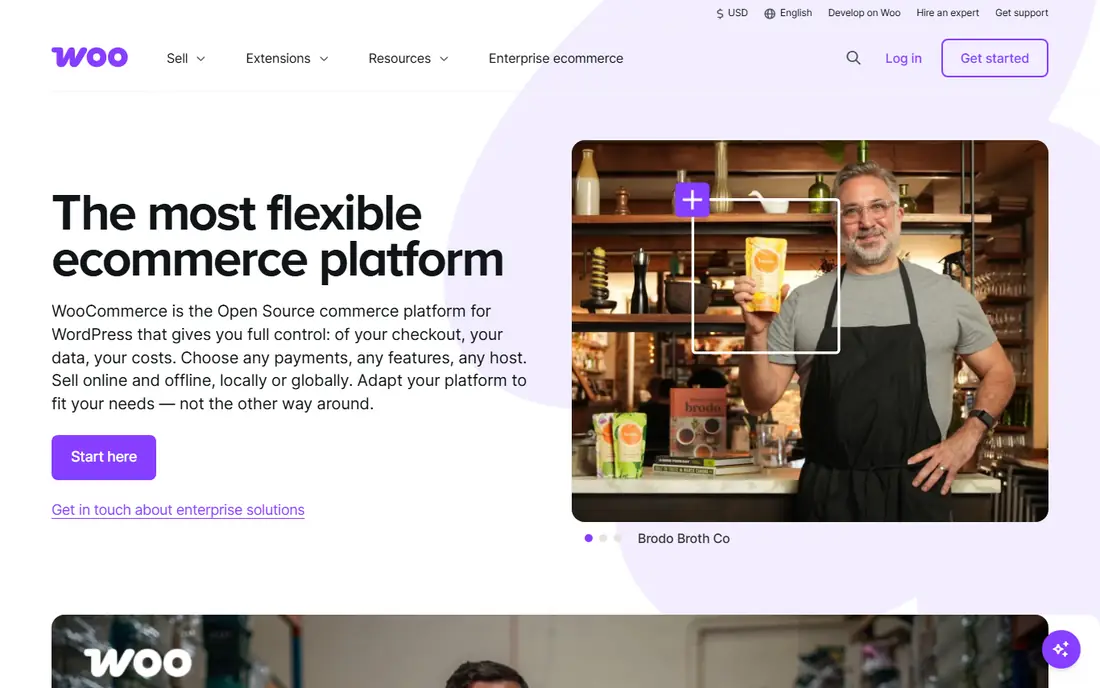
If speed matters more than saving a few dollars, WooCommerce deserves a close look. WooCommerce turns a WordPress site into a store with a huge selection of plugins and themes for products, payments, and shipping.
Self hosting means the store owner handles updates, security, and performance, which takes time or developer help. In practice, check weight, dimensions, and the delivery address before you pay, since those details change the quote and the service options shown.
WooCommerce fits content led stores that already use WordPress and want control over selection and data. Compare the total cost, including any customs or delivery charges, with at least one other option on this list before you commit.
- Free plugin, large plugin and theme selection, full store ownership, WordPress content tools
- Hosting, security, and plugin costs are separate, so total cost varies
BigCommerce
Great for: Growing brands that want built in features and a wide catalog selection

BigCommerce suits senders who want help with the paperwork as much as the transport itself. BigCommerce includes more built in selling features than many hosted rivals, which reduces reliance on paid apps for catalog and B2B needs.
Its app selection is smaller than Shopify, so a store with a very specific tool need should check availability first. In practice, check weight, dimensions, and the delivery address before you pay, since those details change the quote and the service options shown.
BigCommerce fits growing brands that want strong built in features and large catalog handling. Compare the total cost, including any customs or delivery charges, with at least one other option on this list before you commit.
- Built in B2B and catalog features, multi storefront options, no platform transaction fees on listed plans
- Smaller app marketplace than Shopify, so some niche tools may be missing
For smaller parcels and tighter budgets, Wix is worth comparing before booking. Wix gives small stores a wide template selection and a simple builder that suits design led brands.
Catalog and workflow depth are more limited than Shopify or BigCommerce, so larger stores may outgrow it. In practice, check weight, dimensions, and the delivery address before you pay, since those details change the quote and the service options shown.
Wix fits small stores and solo sellers who prioritize design and ease of setup. Compare the total cost, including any customs or delivery charges, with at least one other option on this list before you commit.
- Drag and drop builder, many templates, simple store setup for small catalogs
- Limited depth for very large catalogs and complex B2B workflows
Squarespace
Great for: Design led brands with small catalogs and content heavy sites
Squarespace stands out for a specific kind of shipment, and that focus is its main appeal. Squarespace offers polished templates and content tools that suit brands where visual presentation drives sales.
Commerce depth is lighter than dedicated commerce platforms, so stores with complex product options should test it carefully. In practice, check weight, dimensions, and the delivery address before you pay, since those details change the quote and the service options shown.
Squarespace fits visual brands with small catalogs that also publish content regularly. Compare the total cost, including any customs or delivery charges, with at least one other option on this list before you commit.
- Strong visual templates, integrated blogging, simple commerce tools
- Smaller app selection and fewer payment options than larger commerce platforms
Adobe Commerce
Great for: Enterprises that need deep catalog and customization selection
Senders who ship often will notice the practical details of Adobe Commerce first. Adobe Commerce, formerly Magento, offers deep customization for complex catalogs, pricing rules, and multi store operations.
It needs developer time and a larger budget, so it is not a good fit for a first small store. In practice, check weight, dimensions, and the delivery address before you pay, since those details change the quote and the service options shown.
Adobe Commerce fits enterprises with complex catalogs and the team to build and maintain them. Compare the total cost, including any customs or delivery charges, with at least one other option on this list before you commit.
- Deep catalog, B2B, and customization options, multi store support
- Enterprise prices are often quote based, and implementation usually needs developers
Ecwid by Lightspeed
Great for: Existing sites that want to add a store with a free start
Ecwid by Lightspeed is best judged on one question: does it fit the size and urgency of your parcel. Ecwid lets site owners add a store to an existing website without rebuilding the site, with a free plan for a small catalog.
Product limits on the free plan mean a growing catalog will need a paid plan sooner than on some rivals. In practice, check weight, dimensions, and the delivery address before you pay, since those details change the quote and the service options shown.
Ecwid fits businesses that already have a website and want to add selling without a full rebuild. Compare the total cost, including any customs or delivery charges, with at least one other option on this list before you commit.
- Free plan, easy addition to an existing site, multi channel selling options
- Free plan limits product count, so growing stores need a paid tier
PrestaShop
Great for: Stores that want open source choice and a large module selection
For a first shipment to Nigeria, PrestaShop offers a useful mix of reach and tracking. PrestaShop offers open source commerce with a wide module selection for payments, shipping, and marketing.
Self hosting and module management take technical time, and paid modules can raise the total cost. In practice, check weight, dimensions, and the delivery address before you pay, since those details change the quote and the service options shown.
PrestaShop fits technically confident store owners who want open source choice and control. Compare the total cost, including any customs or delivery charges, with at least one other option on this list before you commit.
- Free open source software, large module and theme selection, full store control
- Hosting and module costs are separate, and setup needs technical skill
How we picked these
We compared official pricing pages, platform comparison guides, and 2026 ecommerce roundups. We looked for platforms that are currently offered, publish app and theme selections, and describe catalog, payment, and channel options. We did not build a store on every platform ourselves, and we judged selection on published app counts, theme libraries, and feature lists, not marketing claims alone.
We favored platforms with a clear selection advantage in apps, themes, or built in features, and we noted where enterprise pricing is quote based. Where a starting price varied by billing period, we used the monthly figure from recent comparison sources and wrote See website where it could not be verified.
Matching platform selection to your store size
Start by listing the features you need in the next year, such as subscriptions, bundles, multi currency selling, or B2B pricing. Check whether each platform offers those features built in or only through a paid app, since that changes the real monthly cost.
Next, check catalog limits and product options. A store with many variants, digital products, or complex pricing rules needs deeper catalog tools than a store with ten simple products. Test the product editor on a trial account before committing.
Finally, check customer data handling. Review the platform privacy settings, consent tools for marketing, and data export options. A platform should make it clear how customer data is stored, how consent is recorded, and how a store can export or delete data on request.
- List must have features before comparing app stores.
- Add app and hosting costs to the base plan price.
- Test checkout, mobile display, and data export on a trial store.
Frequently asked questions
Sources
See where you really rank - block by block
ProMapRanker scans Google Maps across a grid of your service area. Simple monthly plans from $19, white-label on every plan.
Start freeKeep reading
 worlds best local seo company
8 Worlds Best Local SEO Companies for Map Pack Growth in 2026
Compare the worlds best local seo company options for Google Business Profile work, citations, reviews, and multi-location rankings and reporting in 2026.
Read → world's best web hosting company
World's Best Web Hosting Company in 2026
Searching for the world's best web hosting company? We compared 10 hosts on price, renewal rates, speed, and support to help you choose well today in 2026.
Read → who's got the best nanny tax services
Who's Got the Best Nanny Tax Services in 2026
We answer who's got the best nanny tax services, comparing full filing, back taxes, software, and pricing so families can handle nanny taxes correctly.
Read →