 ProMapRanker
Best Drupal Alternatives in 2026

Key takeaways
- The best Drupal alternatives split into classic all-in-one platforms, hosted website builders, and headless systems, and the right group depends on who edits the site.
- WordPress is the safest general replacement, while Ghost suits publishers and Strapi suits teams building custom front ends.
- Headless options such as Strapi, Sanity, and Contentful publish to websites, apps, and other channels, but they need developer help to build the front end.
- Hosted builders such as Squarespace, Wix, and Webflow remove server maintenance, but they cost more as traffic and features grow.
- Migration cost is not just the license, since content models, user roles, and multilingual setups often take the most time to rebuild.
Quick comparison
| Pick | Great for | Pricing starts at | Free tier | |
|---|---|---|---|---|
 WordPress | General websites of any size | Free | Yes | Visit |
 Joomla | Community and membership sites | Free | Yes | Visit |
 Ghost | Publishing and paid memberships | $9 per month | Yes | Visit |
 Strapi | Headless content for custom apps | Free | Yes | Visit |
 Webflow | Design-led marketing sites | $14 per month | Yes | Visit |
 Squarespace | Polished small business sites | $16 per month | No | Visit |
 Wix | Beginners and small teams | $17 per month | Yes | Visit |
 Sanity | Flexible structured content | Free | Yes | Visit |
 Contentful | Enterprise multi-channel publishing | $300 per month | Yes | Visit |
 Craft CMS | Designers wanting control without bloat | See website | Yes | Visit |
The best Drupal alternatives
We compared platforms that can replace a Drupal site, from classic CMS software to hosted builders and headless systems. Drupal itself is not listed, since this guide is about what to move to instead.
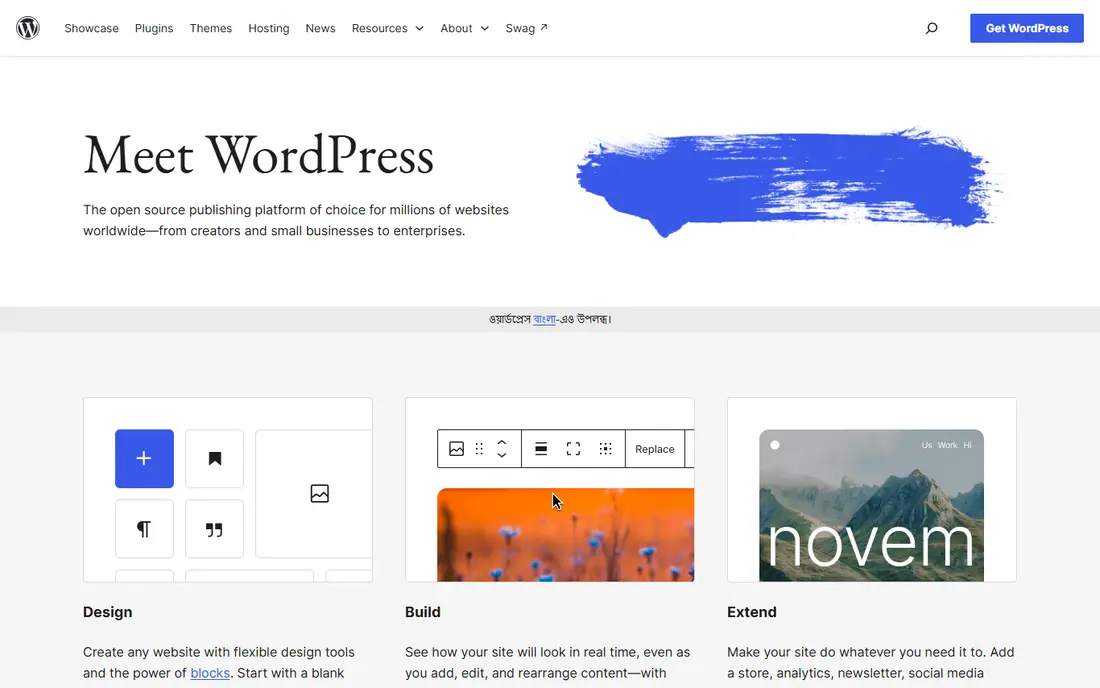
WordPress is the default alternative for most Drupal sites, and for good reason. The software itself is free and open source, the block editor handles pages and posts well, and the plugin directory covers forms, SEO, membership, and ecommerce in ways that would take custom Drupal modules to match. Editors usually learn it faster than Drupal, and finding developers or agencies is far easier.
The catch is discipline. Every plugin is a maintenance and security commitment, and a site with dozens of plugins can slow down or break on update. Budget for managed hosting, backups, and regular updates rather than treating WordPress as free in total. For a general business, blog, or content site, WordPress remains the most practical move away from Drupal.
- Largest plugin and theme ecosystem
- Huge hiring pool
- Flexible block editor and full-site editing
- Plugin sprawl can hurt security and speed
- Hosting, themes, and upkeep add cost beyond the free software
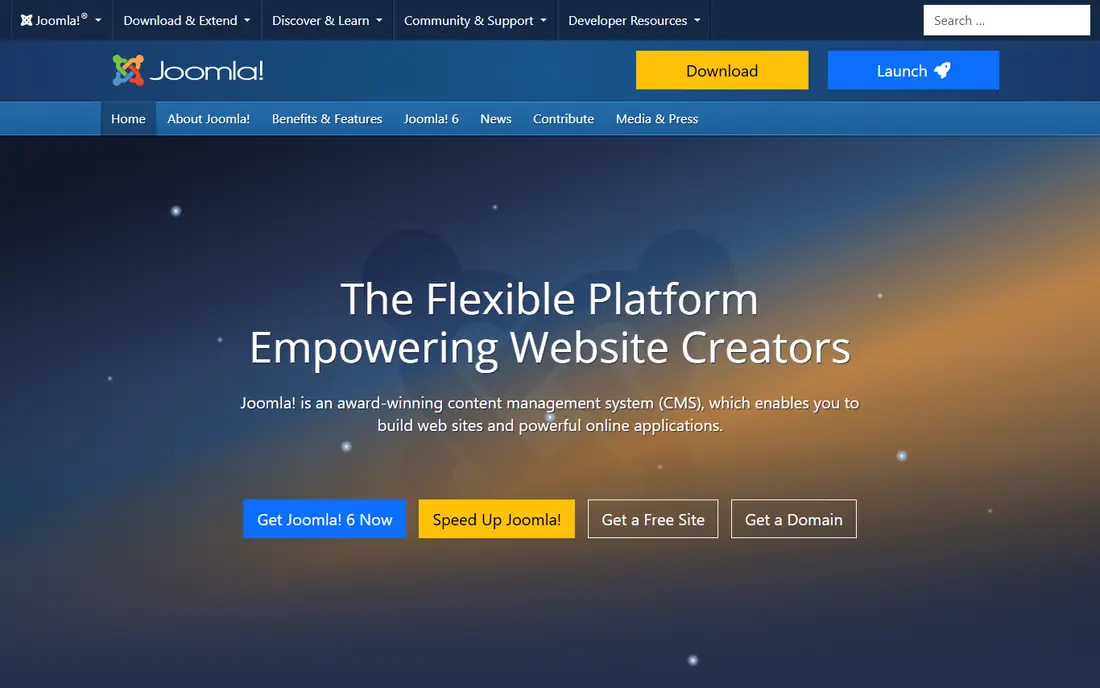
Joomla is the closest classic alternative in structure, with built-in multilingual features and user access controls that Drupal users will recognize. It suits membership sites, community portals, and company intranets where different user groups need different access. The software is free, and hosting costs are the main ongoing expense.
Joomla has a smaller ecosystem than WordPress, so niche features may need custom work or an older extension. Its admin interface also feels less modern than newer builders. For teams that want a traditional, self-hosted CMS with strong access control and multilingual support, Joomla is a credible and low-cost move.
- Built-in multilingual support
- Strong access control
- Free open source software
- Smaller ecosystem than WordPress
- Fewer modern themes and extensions
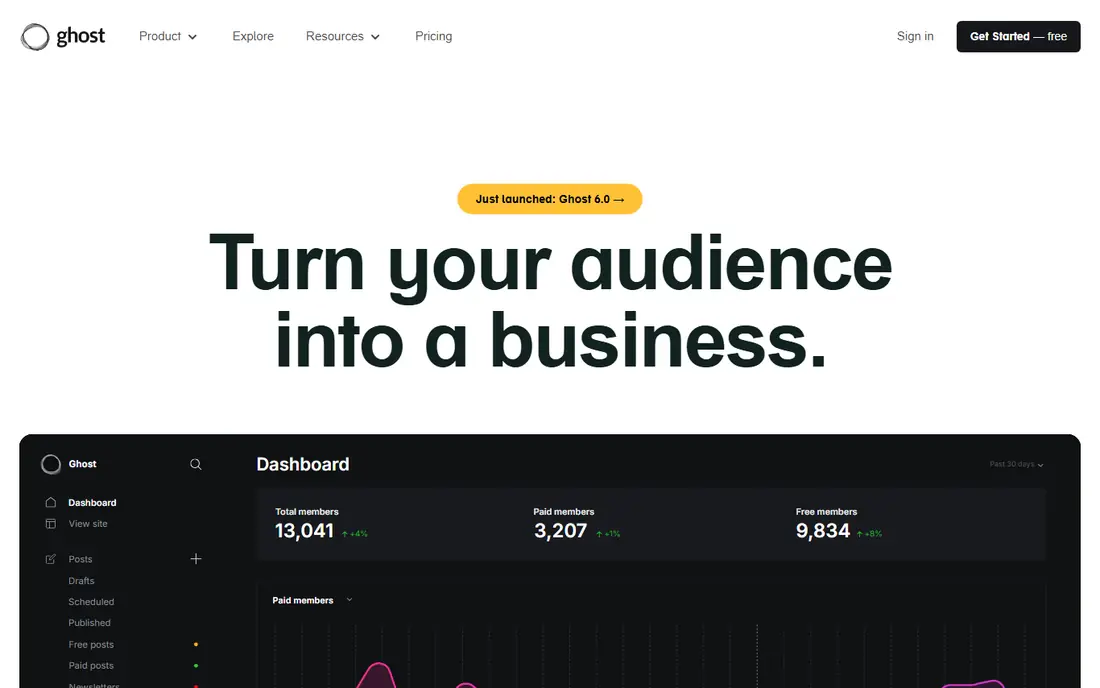
Ghost is built for publishing, and it shows. Writers get a focused editor, readers get fast pages, and publishers get newsletters and paid memberships built in rather than bolted on. Managed Ghost plans start at $9 per month, and the software itself is free to self-host for teams that want to run their own server.
Ghost is a poor fit for a complex corporate site with many page types, custom workflows, or deep ecommerce needs. It also has limited multilingual support compared with Drupal or Joomla. For a publication, newsletter business, or membership site leaving Drupal, Ghost is often the simplest and most pleasant replacement.
- Clean writing and publishing experience
- Built-in newsletters and paid memberships
- Fast performance
- Not a general website builder
- Limited ecommerce and complex page layouts
Strapi is the leading open source headless CMS, which means it manages content and serves it through APIs while a separate front end displays it. That split suits teams building a website plus a mobile app, or a site on a modern JavaScript framework. Content editors get a clean admin panel, developers get full control over the front end, and the community edition is free to self-host.
Strapi is not a drop-in Drupal replacement for non-technical teams. Somebody has to build and maintain the front end, and marketing teams lose the visual page building they may expect. For engineering-led teams that want open source control and multi-channel publishing, Strapi is the strongest headless pick in this list.
- Open source and self-hostable
- Flexible content modeling
- REST and GraphQL APIs
- Needs developers to build the front end
- Editors get an admin panel, not a finished website
Webflow suits marketing teams that want design control without handing every change to developers. Its visual builder produces real websites with CMS collections, hosting, and SEO settings included, and the free Starter plan lets teams try the builder before paying. Site plans start at $14 per month for a basic site billed annually, with CMS plans above that.
Webflow is not a cheap Drupal clone for very large content estates, since CMS item limits and plan tiers matter at scale. Complex user roles and multilingual setups also need care. For a design-led marketing site, landing pages, or a portfolio that needs to look sharp, Webflow is one of the best hosted alternatives.
- Visual design control with clean output
- Built-in CMS and hosting
- Strong SEO controls
- Learning curve for complex sites
- Costs rise with CMS items and team seats
Squarespace is the calm option for small businesses that want a good-looking site without managing plugins, hosting, or updates. Templates are consistently polished, and one plan covers hosting, SSL, and basic commerce tools. Personal plans start at $16 per month billed annually, which is predictable for a small site.
The trade-off is flexibility. Squarespace cannot match Drupal or WordPress for custom content types, complex access rules, or deep integrations. Multilingual sites need workarounds, and larger sites may outgrow its structure. For a service business, portfolio, or small store that values simplicity over customization, Squarespace is a safe move.
- Polished templates
- Hosting, domain, and store tools in one bill
- Easy for non-technical editors
- Less flexible than WordPress or Webflow
- Multilingual support is limited
- No permanent free plan
Wix is the easiest on-ramp in this list for beginners. The drag-and-drop builder, templates, and app market let a small team publish a site quickly without developers, and a free tier allows a trial before paying. Paid Light plans start at $17 per month, with higher tiers adding storage, ecommerce, and marketing tools.
Wix is not the best choice for a large, structured Drupal replacement. Content modeling is basic, and migrating a Wix site elsewhere later takes more work than moving open source content. For a small business site, event page, or simple store where speed matters more than structure, Wix is a practical alternative.
- Very easy drag-and-drop builder
- Free tier for trying it
- Broad app market for add-ons
- Design freedom can produce messy sites
- Moving away later is harder
- Advanced CMS needs are limited
Sanity is a hosted headless CMS built around structured content, which means editors work with defined content types that can feed a website, app, or any other channel. Real-time collaboration helps larger editorial teams, and the free tier is generous for small projects. Paid Growth plans start at $15 per seat per month, so costs track team size.
Like Strapi, Sanity needs a front end built by developers, so it is not a direct Drupal replacement for a marketing team alone. Its strength is content modeling: teams with complex, reusable content across channels will value Sanity more than a traditional CMS. For developer-led publishing, Sanity is one of the best headless alternatives.
- Real-time collaborative editing
- Flexible content schemas
- Generous free tier
- Needs developers for the front end
- Pricing scales by seat on paid plans
Contentful is the enterprise headless option, with a managed platform, structured content, and APIs for websites, apps, and digital products. Large teams value its governance, roles, and multi-brand support, which suit organizations publishing across markets and channels. A free tier exists for trials, and paid Lite plans start at $300 per month.
Contentful is expensive for small teams, and it still needs developers to build front ends. A small Drupal site will get better value from WordPress or Ghost. For an enterprise team replacing Drupal with a multi-channel content platform, Contentful is a proven and well-supported choice.
- Managed enterprise platform
- Strong APIs and governance
- Multi-brand and multi-market support
- High entry price
- Needs developers
- Free tier limits suit trials, not production estates
Craft CMS sits between classic CMS platforms and headless systems. It gives designers and developers flexible content modeling and a clean control panel, without forcing a separate front end stack. Teams can build a custom-designed site with exactly the fields they need, rather than bending a generic page builder.
Craft has a smaller ecosystem than WordPress, so some features need custom development, and setup still needs a developer. Pricing varies by edition, so we list See website rather than a single figure. For agencies and design-led teams that found Drupal too heavy but want more control than Squarespace or Wix, Craft CMS is a thoughtful alternative.
- Flexible content modeling
- Clean control panel
- Strong for custom-designed sites
- Smaller plugin ecosystem than WordPress
- Needs developers for setup and theming
How we picked these
We compared official product pages, pricing pages, and documentation for platforms that can replace a Drupal site in October 2026. We favored live, maintained platforms with clear pricing or a free tier, and we covered classic, hosted, and headless groups so readers can match the platform to their team. Drupal itself was excluded, since this guide covers alternatives to it.
What to check before you move
Start by mapping your content, not your theme. List content types, fields, user roles, permissions, and languages, then check which alternative models them without custom code. A platform that looks easy for pages can still struggle with members-only content or multilingual workflows.
Next, plan redirects and SEO from the start. Drupal URLs, taxonomies, and metadata need a mapping to the new system, or search traffic will drop after launch. Test the editor experience with the people who will actually publish, and confirm who maintains hosting, updates, and backups. Finally, run a small pilot with real content before committing to a full migration, since migration effort often exceeds the license cost.
Frequently asked questions
What are the best Drupal alternatives?
WordPress is the best general Drupal alternative, Ghost suits publishers, Strapi and Sanity suit headless projects, and Webflow and Squarespace suit hosted marketing sites. The right choice depends on team skills, content structure, and budget.
What is the best alternative to Drupal for beginners?
Squarespace and Wix are the easiest alternatives for beginners, because hosting, updates, and security are handled for you. WordPress with managed hosting is the next step up when you need more plugins and control.
Is WordPress better than Drupal?
WordPress is easier to learn and has a larger plugin ecosystem, while Drupal has historically offered deeper access control and complex content modeling. For most small and mid-size sites, WordPress is the more practical choice. For very complex, governed estates, the comparison needs a detailed requirements check.
What is the best headless alternative to Drupal?
Strapi is the best open source headless alternative, Sanity suits flexible structured content with real-time editing, and Contentful suits enterprise multi-channel publishing. All three need developers to build the front end.
Can I migrate content from Drupal to another CMS?
Yes, in most cases content can be exported and imported, but fields, taxonomies, user roles, and URLs need mapping. Plan redirects, test a pilot migration, and check multilingual and membership features before launch.
Are there free alternatives to Drupal?
WordPress, Joomla, Ghost, and Strapi are free to self-host as open source software, though hosting and maintenance still cost money. Sanity and Contentful also offer free tiers, but paid plans apply as teams and usage grow.
Sources
See where you really rank - block by block
ProMapRanker scans Google Maps across a grid of your service area. Simple monthly plans from $19, white-label on every plan.
Start freeKeep reading
 zscaler alternatives
Best Zscaler Alternatives in 2026
Looking for zscaler alternatives? We compare 9 SASE and zero trust platforms on architecture, data protection, pricing, and fit for your network and team.
Read → zapier alternatives free
Best Zapier Alternatives Free in 2026
Nine automation tools for zapier alternatives free in 2026, all with genuinely free tiers, plus free plan limits, starting prices and upgrade paths explained.
Read → which platform is best for online reputation
Which Platform Is Best for Online Reputation in 2026
Wondering which platform is best for online reputation? We compare 8 review, listing, and response tools for small and multi-location businesses and agencies.
Read →