 ProMapRanker
Best Doxbin Alternatives in 2026


Detailed human-assisted removal · Pricing starts at: $129 per year
Key takeaways
- This article covers only lawful uses: personal-data removal services and consented background-check services, and nothing else.
- Publishing or sharing anyone's private personal data without consent is harmful and unlawful in many places, and we list no doxxing tools or sites that publish personal data.
- DeleteMe, Incogni and Optery help you get your own data removed from data broker sites, with different prices and reporting styles.
- Checkr, GoodHire and Sterling run background checks only with candidate consent and a lawful hiring purpose.
- If you find your own data exposed, a removal service plus direct opt-out requests to the broker site is the lawful route to take.
Quick comparison
| Pick | Great for | Pricing starts at | Free tier | |
|---|---|---|---|---|
| DeleteMe | Detailed human-assisted removal | $129 per year | No | Visit |
 Incogni | Automated removal on a budget | $7.99 per month | No | Visit |
 Optery | Broad coverage with a free scan | Free | Yes | Visit |
 Aura | Removal plus identity protection | $12 per month | No | Visit |
 Kanary | Guided privacy management | See website | Yes | Visit |
 Checkr | Fast consented employment screening | $29.99 per check | No | Visit |
 GoodHire | Simple screening for small businesses | $29.99 per check | No | Visit |
 Sterling | Enterprise regulated screening | See website | No | Visit |
The best Doxbin alternatives for lawful privacy and verification
Doxbin is a site known for publishing personal data. This article does not offer a replacement for that activity. Instead, it covers the lawful side of the same concern: services that help people remove their own personal data from broker sites, and services that verify identity or run background checks only with consent and a lawful purpose. Publishing or sharing anyone's private personal data without consent is harmful and unlawful in many places, and we list no doxxing tools, no sites that publish personal data, and no lookup tools marketed for stalking or harassment.
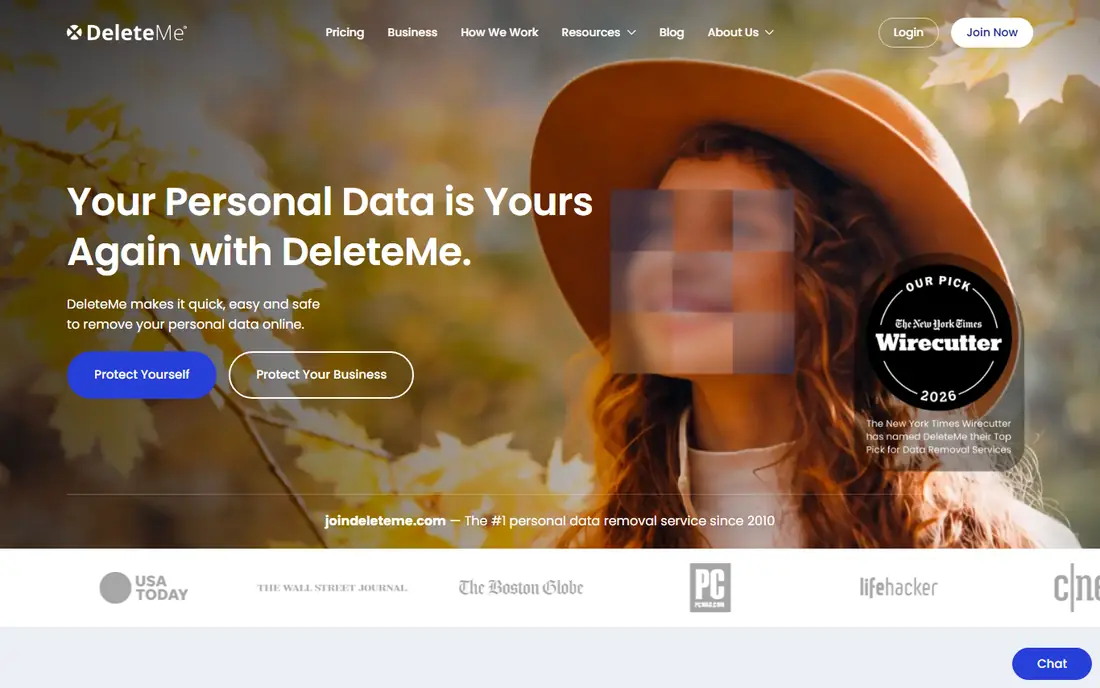
DeleteMe is the longest-running dedicated removal service in this list, operating since 2010. It combines automated scanning with human privacy advisors who handle opt-outs that automated systems cannot complete, and its quarterly reports show which sites were reviewed, removed or are still pending. That reporting depth suits people who want to see exactly what was done.
The cost is higher than the cheapest automated rivals, and there is no free tier to try first. For someone whose data keeps reappearing on stubborn broker sites, the human-assisted approach is often the reason to pay more.
- Human privacy advisors handle complex opt-outs
- Detailed quarterly reports
- Long track record since 2010
- No free tier
- Annual-only pricing for individuals
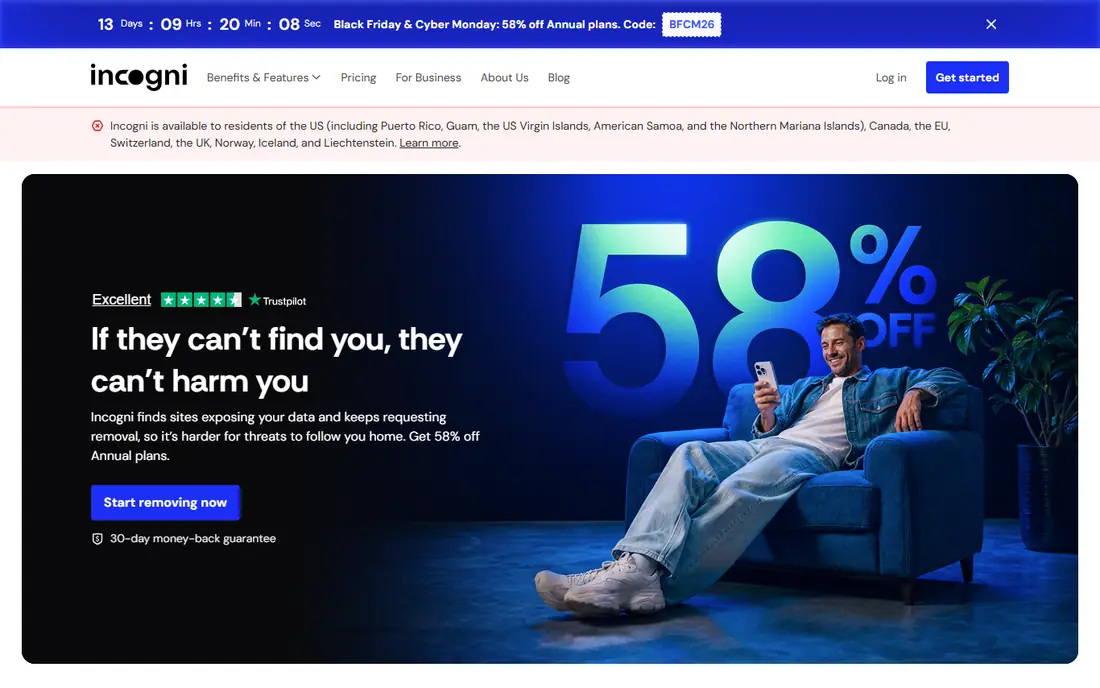
Incogni takes a hands-off, automated approach to broker removal. After setup, it submits removal requests to hundreds of data brokers, follows up over time and tracks progress in a clean dashboard. Its process has been independently verified by Deloitte, which gives its coverage claims more weight than an unverified marketing figure.
Incogni does one job well and little else. Standard plans do not include dark web monitoring, credit monitoring or identity theft insurance, so readers who want a broader bundle should look at Aura. For removal alone at a low monthly price, Incogni is the value pick here.
- Automated removal from many brokers
- Independently verified process
- Simple dashboard
- No free trial, only a money-back guarantee
- No identity monitoring on the standard plan
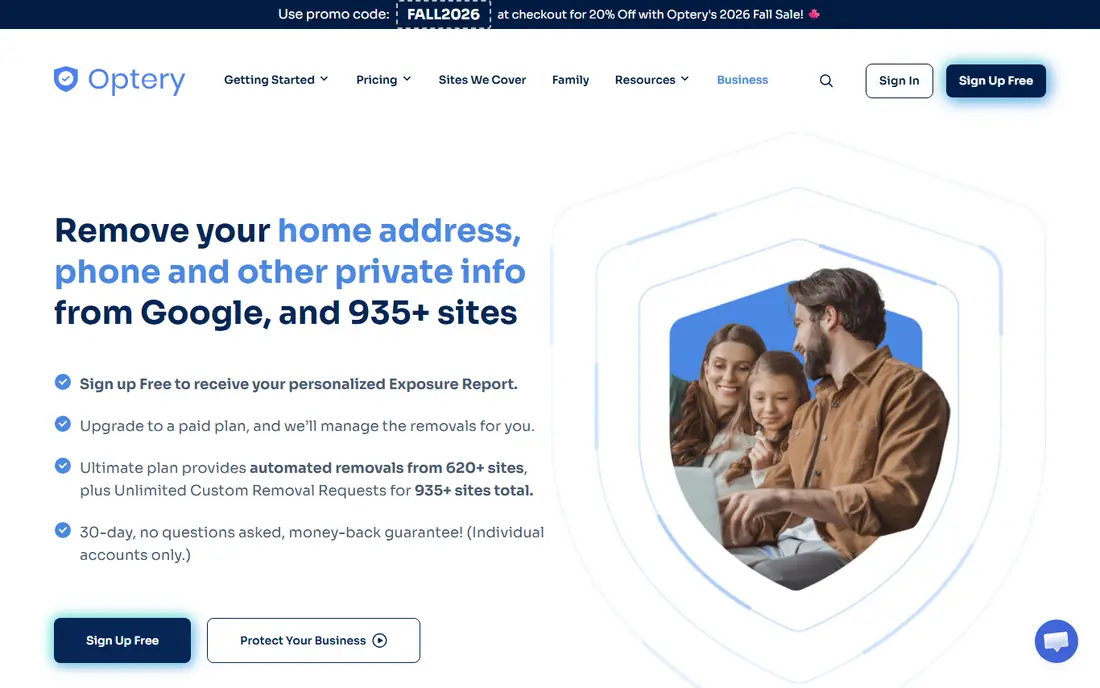
Optery stands out for its free tier, which scans broker sites and shows where your data appears before you pay. Paid tiers expand coverage to hundreds more sites, add automated removals and, on higher tiers, screenshot proof that a listing was removed. That proof helps when a broker disputes a removal or a listing reappears.
The free tier is a starting point, not a full service, since DIY opt-out guides do much of the work at that level. Paid tiers climb in price with coverage, so compare the tier that covers the brokers where your data actually appears.
- Free tier with exposure scan
- Screenshot proof of removals on paid tiers
- Broad broker coverage
- Higher tiers cost more
- Some sites need legal documentation for removal
Aura suits readers whose concern goes beyond broker listings to identity theft itself. Alongside data broker removal, it offers credit monitoring, dark web scanning, financial account monitoring and identity theft insurance, plus a VPN and antivirus. One subscription replaces several separate tools for US households.
The breadth costs more than a removal-only service, and full service is US-focused, so readers elsewhere should check coverage first. If your worry is someone opening credit in your name, Aura's bundle makes more sense than a removal tool alone.
- Broker removal plus credit and identity monitoring
- Fraud support
- VPN and antivirus included
- Full service is US-focused
- Higher price than removal-only services
Kanary offers a broad scan of broker, social and other sources, with guided steps to manage what it finds. Its approach suits people who want help understanding their exposure, not just a removal queue, and family options extend coverage to household members. A free scan lets readers see the scale of exposure before paying.
Pricing reports for Kanary differ across comparison sources, so we list it as See website and recommend checking the current pricing page before subscribing. Reporting depth also trails DeleteMe, so readers who want audit-style reports should weigh that trade.
- Broad initial scan
- Guided privacy management
- Family options
- Pricing has varied across comparison sources
- Reporting is less detailed than DeleteMe
Checkr is a background screening platform for employers, and it runs checks only with candidate consent and a lawful hiring purpose. Its published packages start at $29.99 per report, with higher tiers adding deeper criminal history and verifications, and it integrates with many applicant tracking systems. Screening is automated, with average completion reported in a few days.
Per-check pricing scales linearly with hiring volume, so high-volume employers should discuss enterprise terms. Checkr is not a tool for looking up private individuals, and any employer using it must follow consent and adverse-action rules in its jurisdiction.
- Published per-report pricing
- Broad ATS integrations
- Fast automated screening
- Per-check costs scale with hiring volume
- Enterprise terms are custom
GoodHire serves smaller businesses that want straightforward, consented employment screening. Its interface is simpler than Checkr's, its packages start at the same $29.99 per report, and it supports consent and adverse-action workflows for hiring. For a small team running a few checks a year, that simplicity matters.
Readers should know that GoodHire is a Checkr company, so the two are not independent rivals at the same price. The choice between them comes down to interface and integration fit, not to a price contest, and both require candidate consent.
- Simple interface for small businesses
- Published per-report pricing
- Consent workflows
- Same company and starting prices as Checkr
- Smaller integration ecosystem
Sterling suits enterprises and regulated industries that need deep, compliant screening at scale. It covers criminal, verification, drug and health screening services with compliance workflows for complex hiring rules, and it serves large employers with dedicated support. That depth is why regulated teams choose it over simpler tools.
Pricing is quote-based and setup is heavier than Checkr or GoodHire, so small teams will find it more than they need. Like every screening tool here, Sterling runs checks for lawful employment purposes with consent, not for private lookup of individuals.
- Deep compliance coverage for regulated industries
- Broad screening services
- Enterprise support
- Quote-based pricing
- Heavier setup than small-business tools
How we picked these
We compared official feature and pricing pages, coverage, reporting quality and consent models for each service. We included only two lawful categories: personal-data removal services that act on your own data, and employment screening services that require candidate consent. We excluded any doxxing tool, any site that publishes personal data, and any lookup tool marketed for stalking or harassment, and we did not pad the list to reach a higher count.
How to remove your own data lawfully
Start by searching for your own name, phone number and address to see which broker sites list you, then use each site's opt-out form or a removal service to request deletion. Keep a list of sites, dates and confirmation messages, since listings often reappear when broker databases refresh. A removal service helps with follow-up, but direct opt-out requests work too and cost nothing except time.
If a site publishes sensitive data such as your home address or a private phone number, use its removal or abuse process promptly and keep records of your request. For harassment or threats, contact local law enforcement and preserve evidence rather than trying to investigate the poster yourself. Never publish someone else's private data in response, since that causes further harm and can break the law.
Frequently asked questions
What should I do if my personal data appears on a doxxing site?
Do not share the link further, and use the site's removal or abuse process plus a removal service to request takedown. Preserve evidence, report threats to local law enforcement, and consider identity monitoring if sensitive data such as an address was exposed.
Are data removal services guaranteed to remove everything?
No. Removal services reduce exposure over time, but broker databases refresh and listings can reappear, which is why ongoing monitoring and resubmission matter. No service can guarantee that every copy of your data disappears from the internet.
Can employers check my background without my permission?
In the US, employment background checks generally require your written consent under federal law, plus state rules that vary. Services like Checkr, GoodHire and Sterling build consent and adverse-action steps into their workflows for that reason.
Is it legal to look up someone's address online?
Public records exist, but using them to harass, threaten or publish someone's private data is harmful and unlawful in many places. This article lists no tools for that purpose, and lawful verification always needs consent or a legitimate, lawful basis.
How long does data removal take?
Initial removals often take weeks, and full coverage takes months, since each broker has its own process and timeline. Quarterly or monthly rescans catch reappearing listings, so treat removal as ongoing maintenance rather than a one-time fix.
Sources
See where you really rank - block by block
ProMapRanker scans Google Maps across a grid of your service area. Simple monthly plans from $19, white-label on every plan.
Start freeKeep reading
 zyte alternatives
Best Zyte Alternatives in 2026
These zyte alternatives cover managed scraping APIs, proxy networks and no code tools for lawful collection from your own or consented sources only in 2026.
Read → zerto alternatives
Best Zerto Alternatives in 2026
Compare the best zerto alternatives for disaster recovery and replication, with recovery targets, cloud options and honest trade-offs for teams in 2026.
Read → zerofox alternatives
Best ZeroFox Alternatives in 2026
We compared 9 zerofox alternatives for brand protection, phishing takedowns, dark web monitoring, and social impersonation, with clear coverage notes.
Read →