 ProMapRanker
Database Software With Best Compliance Ratings in 2026


Cloud analytics with broad certifications · Pricing starts at: $2 per credit
Key takeaways
- Compliance ratings describe the vendor platform, not your own data handling, so your configuration still decides the outcome.
- Snowflake, Oracle, and Microsoft publish the widest certification sets, while open source tools shift more control to your team.
- Encryption, access control, and audit logging matter more day to day than any single certificate.
- Only an independent auditor issues audit opinions where relevant, and software alone does not make an organisation compliant.
Quick comparison
| Pick | Great for | Pricing starts at | Free tier | |
|---|---|---|---|---|
| Snowflake | Cloud analytics with broad certifications | $2 per credit | Free trial | Visit |
 Oracle Database | Regulated enterprise workloads | See website | Free trial | Visit |
 Microsoft SQL Server | Microsoft-centred teams | See website | Free trial | Visit |
 MongoDB Atlas | Document data in the cloud | Free | Yes | Visit |
 Databricks | Analytics and AI on governed data | See website | Free trial | Visit |
 IBM Db2 | Enterprise data with strict controls | See website | Free trial | Visit |
 Amazon RDS | Managed databases on AWS | See website | Free trial | Visit |
 Google Cloud SQL | Managed databases on Google Cloud | See website | Free trial | Visit |
 SAP HANA | SAP-centred enterprise data | See website | No | Visit |
The best database software with best compliance ratings
A compliance rating is a starting filter, not a verdict. The tools below combine published certifications with practical controls such as role-based access, encryption, and audit trails, which auditors actually examine.
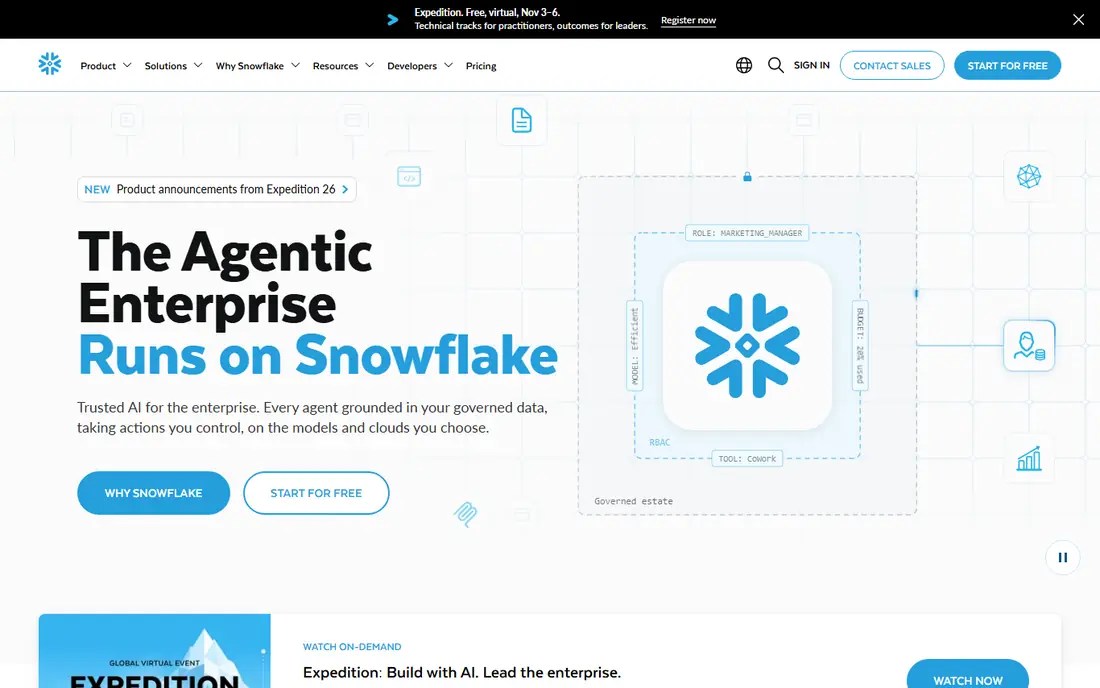
Snowflake is often the first name regulated analytics teams check, because its certification list is broad and its audit history is easy to query. Role-based access, masking policies, and detailed query logs help teams show who saw what and when. The Standard edition is listed at $2 per credit, with Enterprise at $3 and Business Critical at $4, so compliance features such as customer-managed keys sit in higher tiers.
The catch is that credits, storage, and compute can all move the bill, and sensitive data work needs the Business Critical edition plus a signed business associate agreement for health data. Treat the free trial as a chance to test access controls and log exports, not just query speed.
- SOC 2 Type II, ISO 27001, PCI DSS, and FedRAMP coverage
- Strong audit history
- Fine-grained access controls
- Credit pricing needs careful budgeting
- HIPAA use needs a signed agreement and the right edition
Oracle Database remains the default in many banks, telecom firms, and public sector teams, partly because its security features have been tested in audits for decades. Options for encryption, redaction, and fine-grained auditing help teams limit what any one user can see. Oracle Cloud versions add managed patching and backup controls for teams that do not want to run hardware.
Licensing is the honest drawback. Costs depend on processors, options, and deployment, and the total is rarely clear from a web page. Smaller teams may get the same audit story from a managed cloud database at lower effort, so shortlist Oracle when workload scale or existing Oracle systems justify it.
- Long history in banking and government
- Advanced security options
- Detailed auditing
- Licensing is complex and costly
- Setup needs skilled database staff
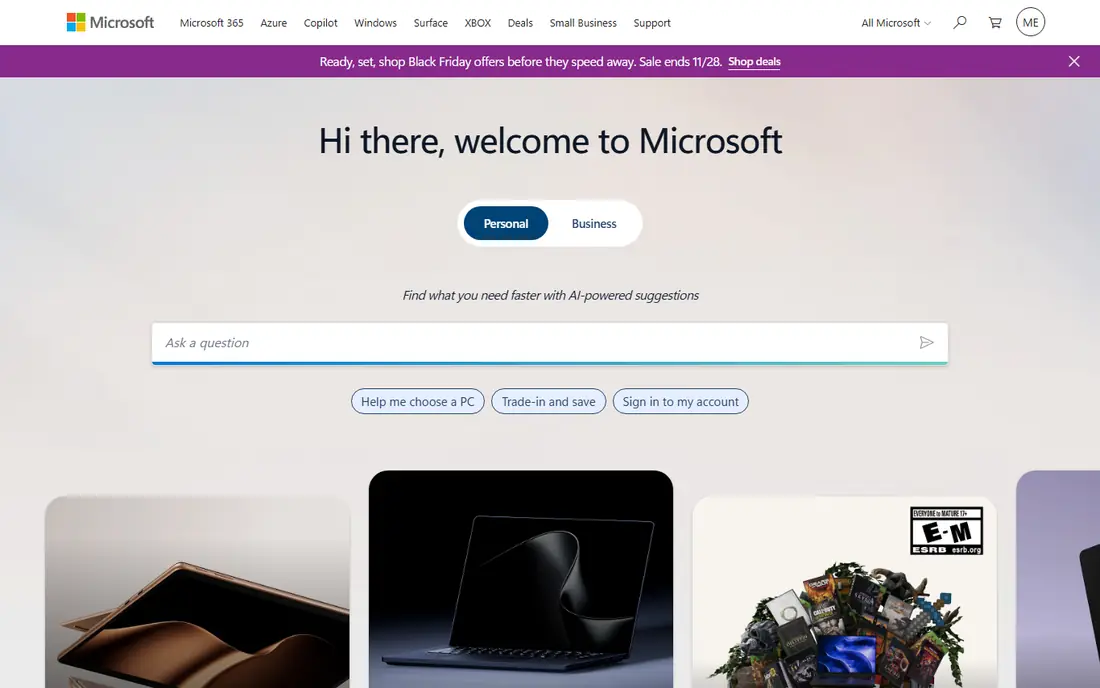
SQL Server suits teams already running Windows, Active Directory, and Azure, because identity, auditing, and encryption fit the same management tools. Always Encrypted protects selected columns even from database administrators, and audit logs feed into Microsoft monitoring tools. Azure SQL versions carry Microsoft's cloud certifications, which helps regulated teams that already trust Azure.
On-premises use shifts patching, backup testing, and hardening back to your team, and edition choice changes which security features you get. Price the edition and the core count together, and confirm which features your audit actually requires before choosing Express, Standard, or Enterprise.
- Fits Azure compliance programs
- Always Encrypted and auditing built in
- Wide skills base
- Licensing varies by edition and core count
- On-premises patching is your job
MongoDB Atlas is the managed cloud version of MongoDB, and it suits teams storing flexible document data such as product catalogues, user profiles, and event records. The free M0 tier gives 512 MB for learning, Flex starts around $8 per month, and dedicated M10 clusters start around $57 per month. Managed backups, encryption, and network controls remove much of the daily operations burden.
Compliance work still needs attention to network access lists, database users, and backup retention. Shared tiers cap throughput, so production workloads usually need dedicated clusters, where data transfer and backup costs sit on top of the cluster price. Test your access model early, since document databases make it easy to store sensitive fields in the wrong collection.
- Free tier for learning
- Managed encryption, backups, and access controls
- SOC and ISO coverage on the cloud platform
- Shared tiers throttle under load
- Dedicated costs rise with scale and data transfer
Databricks is best understood as a governed analytics platform built on a lakehouse, rather than a single database. Unity Catalog gives one place to define who can read which tables and columns, and audit logs record access across workspaces. That central control is what regulated analytics teams want when many teams share the same data.
The drawback is complexity. Usage-based pricing across compute, storage, and serverless features makes budgeting a project in itself. Governance also needs real setup work, including catalog design and policy testing, before auditors will accept it as evidence.
- Unity Catalog for central governance
- Audit logs and access controls
- Broad cloud certifications
- Pricing is usage-based and complex
- Governance features need careful setup
IBM Db2 serves large enterprises that need strict access control, auditing, and high availability for core transaction data. It runs on-premises, in IBM Cloud, and on other clouds, which helps firms with data residency rules. Its security features, including encryption and label-based access control in some editions, suit teams with formal data classification schemes.
The trade-off is momentum. Fewer new projects choose Db2, so hiring and community help can be thinner than for PostgreSQL or SQL Server. Price it by quote, and weigh the value of staying on a proven enterprise platform against the hiring ease of a more common database.
- Strong enterprise security and auditing
- Runs on-premises and in cloud
- Long regulated-sector history
- Smaller community than rivals
- Pricing is quote-based
Amazon RDS is not one database but a managed service for engines including PostgreSQL, MySQL, MariaDB, Oracle, and SQL Server. AWS handles patching, backups, and failover, while AWS certifications such as SOC, ISO, and PCI DSS cover the underlying cloud platform. That combination suits teams that already run on AWS and want managed operations without changing database engines.
Your compliance story still depends on the engine and settings you choose, including encryption, parameter groups, and network isolation. Costs vary by instance size, storage type, and region, so model a realistic workload rather than the smallest instance price. Confirm that your chosen engine edition supports the audit features your policy requires.
- Managed patching and backups
- Inherits AWS certifications
- Supports several database engines
- Engine choice changes available features
- Costs vary by instance, storage, and region
Google Cloud SQL gives Google Cloud teams a managed route to PostgreSQL, MySQL, and SQL Server without running database servers. Automatic backups, high availability, and private IP connectivity help regulated teams limit public exposure. Google Cloud's certification set covers the platform, and data residency options help teams with regional rules.
Engine choice is narrower than RDS, and some advanced features depend on the edition and database version. Pricing varies by machine type, storage, and region, so test with a production-like workload. As with any managed service, your access controls and audit log retention still need explicit configuration.
- Fully managed PostgreSQL, MySQL, and SQL Server
- Google Cloud certifications
- Private connectivity options
- Fewer engine choices than RDS
- Pricing varies by region and configuration
SAP HANA is the in-memory database behind modern SAP systems, and it suits firms whose core finance, supply chain, or HR data already lives in SAP. Its speed helps reporting and planning workloads that read large tables, and its enterprise controls fit firms with formal change and access processes. For an SAP estate, keeping data in HANA avoids extra movement and copying.
Outside SAP, it is a hard sell. Pricing is quote-based, deployment needs planning, and the skills base is narrower than for general-purpose databases. Shortlist HANA when SAP is already central to your business, not as a general database for a new application.
- In-memory speed for SAP workloads
- Strong enterprise controls
- Suits regulated SAP estates
- Quote-only pricing
- Needs SAP skills and infrastructure planning
How we picked these
We compared vendor certification pages, security documentation, and pricing pages, and we favoured platforms with published SOC 2, ISO 27001, or equivalent coverage plus practical audit and access controls. We included managed cloud services and established enterprise databases, and we left out tools whose compliance claims rested only on marketing language. Prices are shown only where vendors published them, and certification claims should be checked against the vendor's current trust centre before an audit.
What compliance ratings do and do not prove
A certificate proves that a vendor's platform passed an audit at a point in time, within a defined scope. It does not prove that your database is configured correctly, that your staff follow least-privilege access, or that your retention policy matches your legal duties. Auditors will ask for your own logs, access reviews, and incident records, not just the vendor's certificate.
Start by listing the regulations that apply to your data, then map each one to a control you can test, such as encryption at rest, masked columns, or reviewed admin access. Ask vendors for the current certificate, the scope, and the audit date, and keep copies for your own audit file. Software alone does not make an organisation compliant, and only an independent auditor issues audit opinions where relevant.
Frequently asked questions
What does SOC 2 Type II mean for a database?
It means an auditor tested the vendor's security controls over a period of time, rather than at a single date. It is useful evidence, but you still need to check the scope, the period covered, and if your own configuration matches the controls described.
Is a HIPAA-ready database automatically HIPAA compliant?
No. A vendor can support HIPAA use by offering encryption, access controls, and a business associate agreement, but your organisation must still configure those controls, train staff, and follow its own policies. Compliance is a shared task between vendor and customer.
Should a small team choose open source or managed databases for compliance?
Managed services usually win for small teams, because patching, backups, and audit logging are handled by the vendor. Open source tools can be compliant, but your team must do the hardening, monitoring, and evidence collection itself.
How often should compliance certificates be rechecked?
At least once a year, and again before any major audit or contract renewal. Certificates expire, scopes change, and vendors add or retire services, so a certificate from two years ago is not safe evidence today.
What is the most important database control for auditors?
Consistent access control with a clear audit trail usually matters most. Auditors want to see who accessed sensitive data, when, and why, plus regular reviews that remove access people no longer need.
Sources
See where you really rank - block by block
ProMapRanker scans Google Maps across a grid of your service area. Simple monthly plans from $19, white-label on every plan.
Start freeKeep reading
 worlds best local seo company
8 Worlds Best Local SEO Companies for Map Pack Growth in 2026
Compare the worlds best local seo company options for Google Business Profile work, citations, reviews, and multi-location rankings and reporting in 2026.
Read → world's best web hosting company
World's Best Web Hosting Company in 2026
Searching for the world's best web hosting company? We compared 10 hosts on price, renewal rates, speed, and support to help you choose well today in 2026.
Read → who's got the best nanny tax services
Who's Got the Best Nanny Tax Services in 2026
We answer who's got the best nanny tax services, comparing full filing, back taxes, software, and pricing so families can handle nanny taxes correctly.
Read →