 ProMapRanker
Companies With Best Leadership Development Programs in 2026


Assessment-based development · Pricing starts at: See website
Key takeaways
- The strongest programs mix assessment, coaching and practice over time, rather than relying on a single training day.
- BetterUp and the Center for Creative Leadership suit different needs: one-to-one coaching versus research-based assessment and courses.
- University programs from Harvard and Stanford suit senior leaders, while FranklinCovey and DDI suit whole manager populations.
- Pricing for most providers is quoted per engagement, so budget talks should start with cohort size, duration and coaching hours.
- Companies with the best leadership development programs measure behaviour change and business outcomes, not just attendance.
Quick comparison
| Pick | Great for | Pricing starts at | Free tier | |
|---|---|---|---|---|
| Center for Creative Leadership | Assessment-based development | See website | No | Visit |
 BetterUp | One-to-one executive coaching | See website | No | Visit |
 Korn Ferry | Enterprise leadership strategy | See website | No | Visit |
 Harvard Business School Executive Education | Senior leader programs | See website | No | Visit |
 Stanford LEAD | Senior leaders wanting a long cohort | See website | No | Visit |
 FranklinCovey | Manager populations at scale | See website | No | Visit |
 DDI | Frontline and mid-level leaders | See website | No | Visit |
 Vistage | CEOs and business owners | See website | No | Visit |
The best leadership development programs companies
This list covers the best leadership development programs companies and providers that employers actually buy, from coaching platforms to university executive programs. We judged each one on who it serves best, how learning is reinforced and how clear its evidence base is.
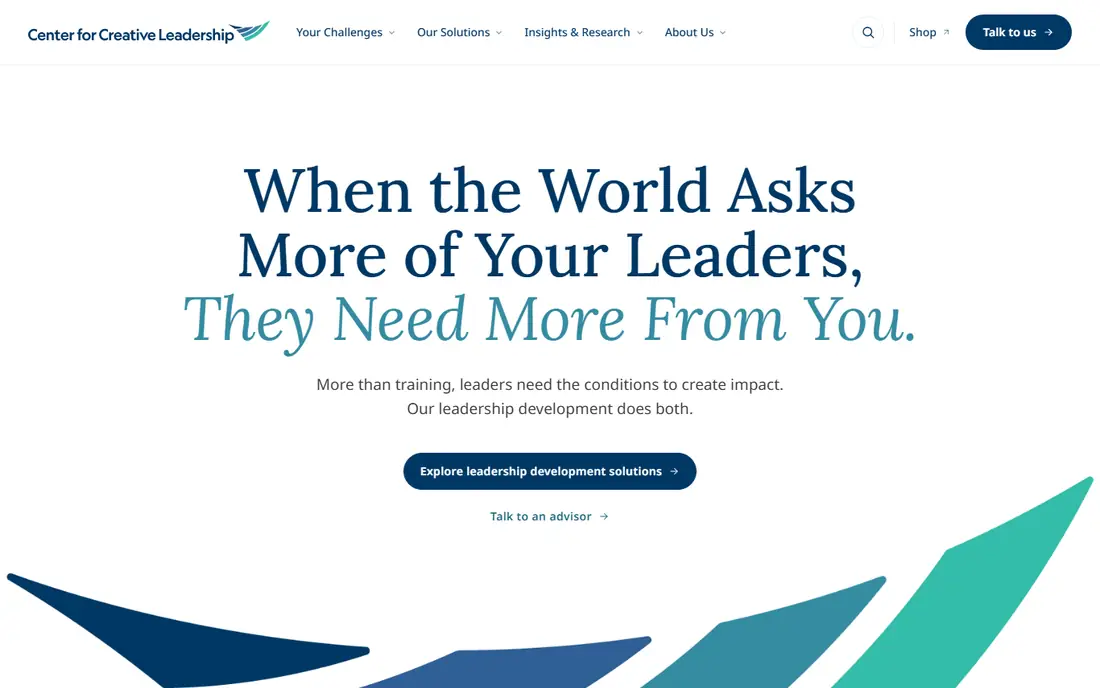
The Center for Creative Leadership, often called CCL, is one of the most established names in this field, and its strength is assessment. Leaders start with structured feedback about how others experience their work, then build a development plan around specific behaviours. That approach avoids generic advice, because the coaching and coursework follow what the assessment actually showed.
The drawback is cost and planning. CCL programs are usually bought as a defined engagement, and dates fill up, so a team that needs training next week may need a faster option. For a company that wants a serious, evidence-based program for emerging leaders or senior managers, CCL remains a benchmark.
- Long research history
- Strong 360 assessments
- Programs for many leader levels
- Pricing is quoted per program
- Scheduling can require advance planning
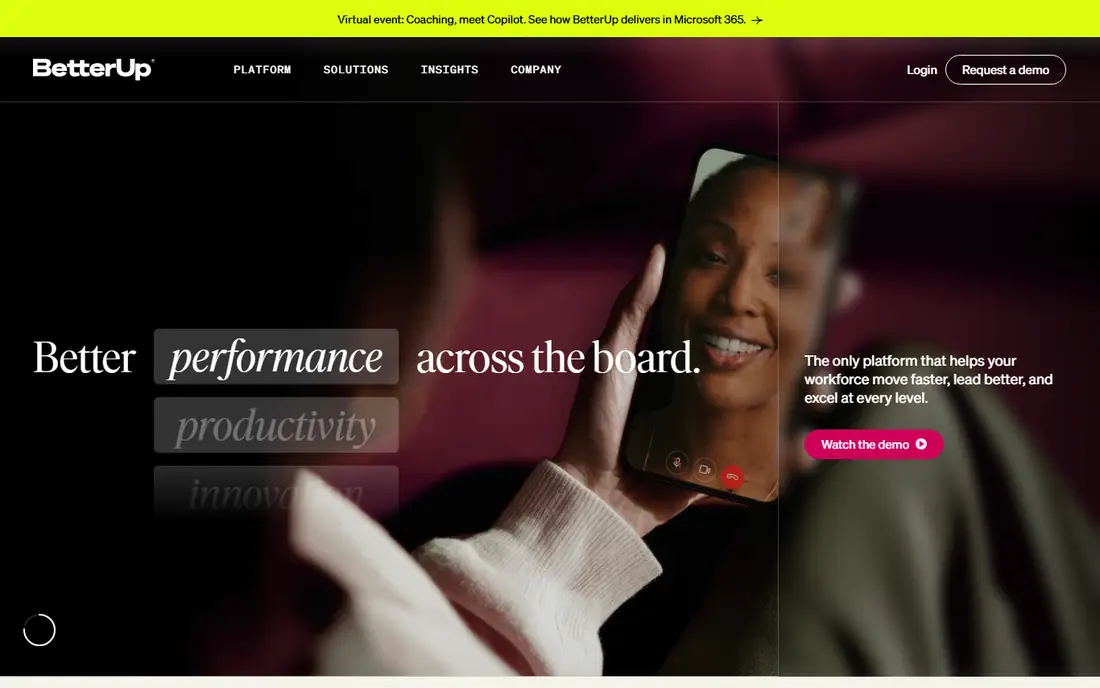
BetterUp pairs employees with a coach for regular virtual sessions, supported by a platform that tracks goals, reflections and progress over time. That structure helps leaders work on real problems between sessions, rather than treating development as a course they attend and forget. Employers can offer it to high-potential staff, new managers or senior leaders who need confidential support.
The main limit is price. BetterUp is sold as an enterprise service, and the per-person cost makes it hard to roll out to every manager at once. Companies often start with a smaller group, prove the value and then widen access. For individual leader growth, though, regular coaching beats a one-off workshop.
- Personalised one-to-one coaching
- Digital platform for goals and progress
- Large coach network
- Enterprise pricing
- Less suited to very small teams on a tight budget
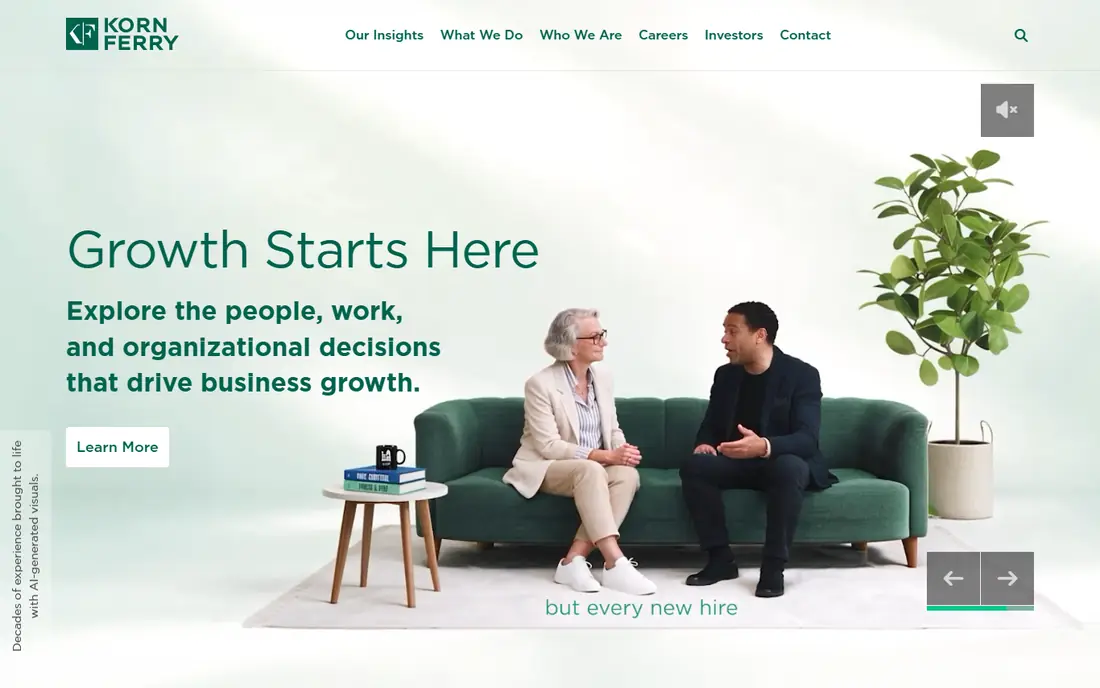
Korn Ferry combines leadership assessment, development and succession planning, which makes it a fit for large companies that need a consistent approach across countries and business units. Its assessments help boards and HR teams see bench strength, spot gaps and plan who is ready for a bigger role. Development work can then target the skills that matter for the next level.
Smaller companies may find Korn Ferry more than they need, and engagements are typically scoped through sales rather than bought off a simple pricing page. That is normal for enterprise consulting, but it means budgeting takes longer. For a multinational employer, the ability to run the same leadership model in many markets is a real advantage.
- Global scale
- Leadership assessment and succession tools
- Deep consulting bench
- Best suited to large organisations
- Smaller buyers may find it heavy
Harvard Business School Executive Education offers short, intensive programs for senior leaders, including its Advanced Management Program. Learning is built around cases, where participants debate real business decisions and test their judgment against peers from other industries. That peer learning is often cited as the most valuable part, because leaders hear how others handled similar pressure.
Fees are high, and many programs require travel to Boston plus time away from work. That makes Harvard a poor fit for developing a whole layer of new managers. For a senior executive preparing for a broader role, however, the combination of cases, faculty and peer group is hard to match.
- Case-method learning
- Global senior peer group
- Strong brand recognition
- High fees and travel costs
- Selective and time-intensive
Stanford LEAD is a year-long online program for experienced leaders, built around courses, group work and a personal leadership project. The longer format is its main strength, because leaders can test ideas at work, return to the cohort and refine them over months. That cycle of learning and practice is closer to how leadership actually improves than a short course.
The commitment is also the drawback. A year of study alongside a demanding job requires real time, and the fee reflects the Stanford name and faculty. Employers should only nominate leaders who can protect that time. When they can, LEAD gives a sustained development experience that short programs cannot copy.
- Year-long cohort structure
- Online flexibility
- Innovation and strategy focus
- Long commitment
- Premium pricing
FranklinCovey is best known for leadership and effectiveness training that can be delivered to large groups of managers, in person or online. Its programs cover habits, trust, execution and leading teams, with workbooks and tools that managers can use straight after the session. That practical focus makes it easy for HR teams to roll out a consistent message across a whole company.
The risk is that the material can feel generic if a company buys it off the shelf and never adapts it to its own problems. FranklinCovey works best when internal leaders reinforce the ideas in team meetings and reviews. Used that way, it is one of the most scalable options for building basic management skill across hundreds of people.
- Practical manager content
- Scalable delivery
- Well-known frameworks
- Can feel formulaic if not adapted
- Quality depends on internal follow-through
Development Dimensions International, known as DDI, focuses on the leaders who run day-to-day work: team leaders, supervisors and mid-level managers. Its programs use simulations and practice conversations, so a new manager can try a difficult feedback talk in a safe setting before doing it for real. Assessment tools help companies select and develop people for those roles fairly.
DDI is less of a name for board-level executive coaching, and its engagements are priced per project rather than listed online. For companies with a large frontline population, though, that focus is an advantage. It builds the management layer that most affects staff retention and daily performance.
- Strong frontline leader programs
- Assessment and simulation tools
- Global delivery
- Engagement pricing
- Less known for C-suite coaching
Vistage runs peer advisory groups for CEOs, business owners and senior executives, where members meet monthly to discuss real problems under confidentiality rules. Each group is led by a chair, and members also get one-to-one coaching and expert speaker sessions. For a founder or chief executive who has few peers inside their own company, that outside group can be unusually valuable.
Vistage is not a general staff training provider, and the membership model means it suits senior leaders rather than whole teams. Group quality also depends on the local chair and mix of members, so a trial meeting matters. For owners who want honest challenge and accountability, Vistage offers something a course alone cannot.
- Peer advisory groups
- Monthly meetings with accountability
- Speaker sessions
- Membership model suits owners, not all employees
- Local group quality varies
How we picked these
We compared official program pages, delivery models and target audiences for providers that employers use for leadership development, and we checked that each provider is live in 2026. We favoured providers with a clear method, a defined audience and evidence of sustained use by employers, rather than one-off motivational speakers. We did not claim hands-on testing, and where pricing is quoted per engagement we wrote See website rather than inventing a figure.
Choosing a leadership program that actually changes behaviour
Start with the problem, not the provider. A company struggling with new-manager retention needs frontline training and coaching, while a company preparing successors needs assessment and senior programs. Next, check how learning is reinforced: coaching, peer groups, practice and manager follow-up all beat a single event. Ask what the provider measures, and how it will report progress to you.
Budget honestly for time as well as fees. A program that takes leaders away for a week, or asks for an hour a week for a year, will fail if managers cannot protect that time. Pilot with one cohort, gather feedback from participants and their teams, and only then scale. The best company leadership development programs are the ones a company can sustain for years, not the ones that look impressive in a brochure.
Questions to ask providers
Ask who the coaches or faculty are, how participants are assessed, what happens between sessions and how success will be judged. Ask for references from companies of a similar size and sector, and ask what happens if a participant drops out. Clear answers to those questions tell you more than a polished sales deck.
Frequently asked questions
What are the best company leadership development programs for new managers?
DDI and FranklinCovey are strong starting points for new managers, because both focus on practical skills such as feedback, delegation and leading a team. BetterUp can add one-to-one coaching for high-potential new managers. The best choice depends on cohort size and budget, so pilot one group first.
How much do leadership development programs cost?
Costs vary widely, from scalable manager courses to premium executive programs and one-to-one coaching. Most providers on this list quote per engagement, based on cohort size, duration and coaching hours. Ask for a full quote that includes materials, assessment tools and follow-up, so you can compare like with like.
Are university executive programs worth the fee?
They can be, for senior leaders who benefit from case learning and a strong peer group. Harvard and Stanford programs suit executives preparing for broader roles, but they are not efficient for training hundreds of managers. Match the program level to the leader level, or the fee will be wasted.
How long should a leadership program last?
Longer beats shorter when the goal is behaviour change. A single day can spark ideas, but coaching over months, a year-long cohort or a peer group that meets regularly gives leaders time to practise and get feedback. Short programs work best for a specific skill, not for a full leadership change.
Do companies with the best leadership development programs measure results?
The stronger ones do, using 360 feedback before and after, manager ratings, retention data and business measures tied to the original problem. Ask any provider how it will show change, and agree those measures before the program starts. Attendance alone is not a result.
Sources
See where you really rank - block by block
ProMapRanker scans Google Maps across a grid of your service area. Simple monthly plans from $19, white-label on every plan.
Start freeKeep reading
 zscaler alternatives
Best Zscaler Alternatives in 2026
Looking for zscaler alternatives? We compare 9 SASE and zero trust platforms on architecture, data protection, pricing, and fit for your network and team.
Read → zapier alternatives free
Best Zapier Alternatives Free in 2026
Nine automation tools for zapier alternatives free in 2026, all with genuinely free tiers, plus free plan limits, starting prices and upgrade paths explained.
Read → which platform is best for online reputation
Which Platform Is Best for Online Reputation in 2026
Wondering which platform is best for online reputation? We compare 8 review, listing, and response tools for small and multi-location businesses and agencies.
Read →