 ProMapRanker
Best Cisco Alternatives in 2026


Campus and branch networks · Pricing starts at: See website
Key takeaways
- Cisco is a huge networking and security company, so there is no single product clone; the best alternative depends on whether you need campus, data centre, branch, or security products.
- HPE Aruba Networking is our pick for campus and branch networks that want unified wired, wireless, and SD-WAN management.
- Juniper Networks and Arista Networks suit large enterprise and data centre networks that prioritise routing, automation, and high performance.
- Fortinet and Palo Alto Networks suit teams that want security-led networking, with firewalls, secure access, and network security in one platform.
- Ubiquiti UniFi, NETGEAR, and TP-Link Omada suit smaller networks and budgets, where cloud management and lower hardware costs matter more than enterprise features.
Quick comparison
| Pick | Great for | Pricing starts at | Free tier | |
|---|---|---|---|---|
| HPE Aruba Networking | Campus and branch networks | See website | No | Visit |
 Juniper Networks | Enterprise routing and switching | See website | No | Visit |
 Arista Networks | Data centre switching | See website | No | Visit |
 Fortinet | Security-led networking | See website | No | Visit |
 Palo Alto Networks | Network security platforms | See website | No | Visit |
 Extreme Networks | Cloud-managed campus networks | See website | No | Visit |
 Ubiquiti UniFi | Small business and prosumer networks | See website | No | Visit |
 NETGEAR | Small business switching and wireless | See website | No | Visit |
 TP-Link Omada | Low-cost managed networks | See website | No | Visit |
The best cisco alternatives
Cisco is a huge networking and security company, so this list frames alternatives across its core networking and security product areas, not one single product clone. Campus wireless, data centre switching, branch routing, and network security each have different leaders, and the right vendor depends on which Cisco area you are replacing.
HPE Aruba Networking covers campus and branch networking with switches, wireless access points, and SD-WAN for distributed sites, managed through Aruba Central. That unified management helps lean IT teams run wired and wireless networks from one cloud console, rather than separate tools for each part of the network. ClearPass provides policy and network access control, which helps schools, hospitals, retail chains, and offices control who connects and what they can reach. SD Branch tools extend the same management to remote sites.
Aruba pricing is quoted for enterprise deployments, so a true comparison needs a partner quote for your access point, switch, and licence counts. The platform also works best when you adopt Aruba Central and related services together, rather than buying hardware alone. For a mid-size to large campus or branch network that wants simpler operations and strong wireless, Aruba is a leading Cisco alternative.
- Unified wired, wireless, and SD Branch management
- Aruba Central cloud management
- ClearPass policy controls
- Enterprise pricing is quoted
- Full value needs Aruba Central and related services
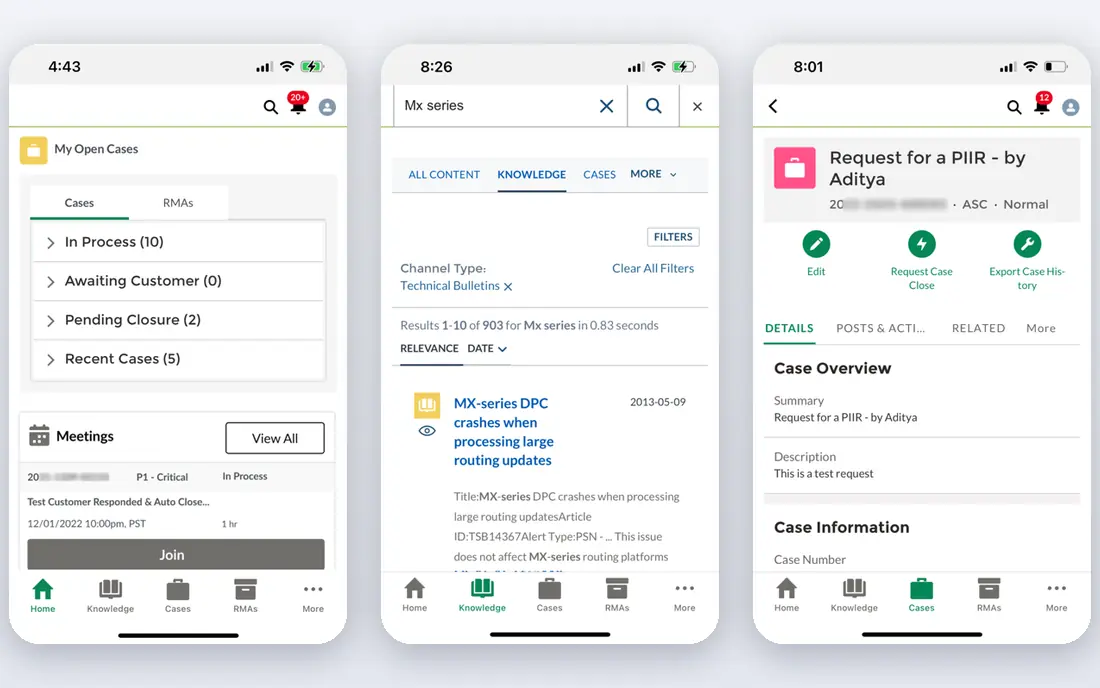
Juniper Networks is known for high-performance routing and switching, with a focus on automation, programmability, and predictable performance for large networks. Its routers and switches serve service providers, large enterprises, and data centres, and its Junos operating system provides a consistent management model across product lines. Juniper also offers campus wireless and SD-WAN, which helps enterprises that want routing, switching, and branch networking from one vendor family.
Juniper pricing is quoted, and the product range can feel complex for a small team that only needs a few switches and access points. Juniper has also become part of HPE, which buyers should note when planning long-term roadmaps and support, because HPE now owns both Aruba and Juniper brands. For large enterprise routing and switching, where performance and automation matter most, Juniper remains a strong Cisco alternative.
- High-performance routing and switching
- Automation and programmability
- Strong service provider heritage
- Enterprise pricing is quoted
- Product range can feel complex for small teams
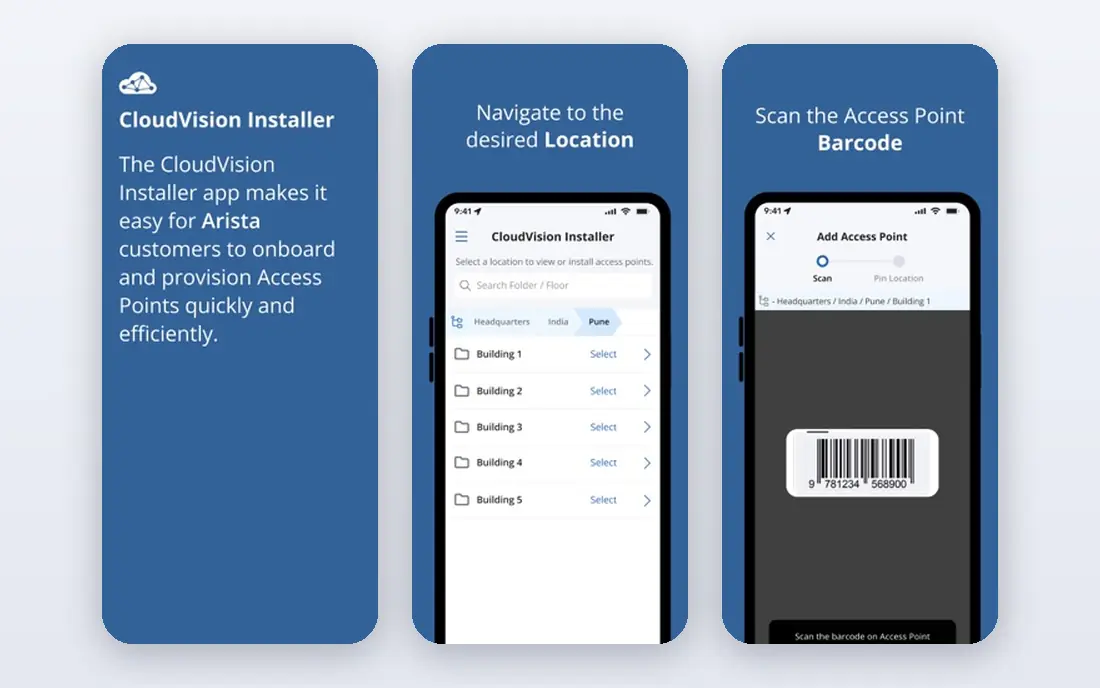
Arista Networks focuses on high-performance, software-led networking, with data centre switches that serve cloud providers, financial services, and large enterprises. Its EOS operating system and automation tools help teams run large spine-leaf data centres with consistent policies and telemetry. Arista also offers campus switching and wireless, but its clearest strength is the data centre, where throughput, low latency, and automation at scale matter most. That focus has made Arista a frequent shortlist choice against Cisco in data centre projects.
Arista is not the best fit for a small office that needs a simple wireless network, because its pricing and product focus are aimed at larger deployments. Pricing is quoted, and buyers should run a proof of concept with real traffic patterns before committing. For a data centre refresh or a cloud-scale network, Arista offers a credible and often faster alternative to Cisco switching.
- High-performance data centre switching
- Software-led automation
- Cloud-scale design
- Focused mainly on data centre and high-end campus
- Enterprise pricing is quoted
Fortinet combines network security and networking in one fabric, with FortiGate firewalls, FortiSwitch switches, FortiAP wireless access points, and FortiSASE for secure remote access. That integration helps teams that want security policy to follow users and devices across wired, wireless, and WAN connections, rather than treating security as a separate box. SD-WAN is built into FortiGate, which helps branch offices connect securely without a separate SD-WAN vendor in many cases. Fortinet pricing is quoted for enterprise deployments, with hardware and licence bundles that vary by model.
The breadth of the Fortinet range can be complex to plan, because firewalls, switches, access points, and security services each have their own licences and support terms. Teams should map which security services they need, such as intrusion prevention, web filtering, or sandboxing, before comparing prices. For organisations that want security to lead network design, Fortinet is a strong Cisco alternative across firewall, branch, and campus areas.
- Firewalls, SD-WAN, and switching in one security fabric
- Broad product range
- Strong value for security-led teams
- Product range is wide and can be complex
- Licensing needs careful planning
Palo Alto Networks is best known for next-generation firewalls, with a platform that covers network security, secure access, and cloud-delivered security services. Its firewalls inspect traffic by application and user, not just by port, which helps teams enforce policy for modern apps and cloud services. Prisma SASE extends secure access to remote workers and branch offices, while cloud security tools cover public cloud workloads. That security-first platform suits teams replacing Cisco security products such as firewalls and secure access tools.
Palo Alto is less of a direct replacement for Cisco campus switching and wireless hardware alone, because its core strength is security rather than general campus infrastructure. Pricing is quoted, and security subscriptions are a major part of total cost, so buyers should compare hardware plus subscription over several years. For network security, secure access, and firewall-led designs, Palo Alto is a leading Cisco alternative.
- Strong next-generation firewall platform
- Prisma SASE for remote access
- Cloud-delivered security services
- Enterprise pricing is quoted
- Platform is security-first rather than a general campus hardware vendor
Extreme Networks offers wired and wireless networking, cloud management, SD-WAN, and policy controls for businesses and large organisations. ExtremeCloud management lets IT teams run campus and branch networks from a cloud console, with access control and analytics to spot problems. The company also serves large venues and stadiums, which shows its wireless capacity for dense environments. That cloud-managed model suits teams that want central control without running a separate management server for each site.
Pricing is quoted, and Extreme scale in some markets is smaller than Cisco or HPE, so buyers should check local partner support and product availability. Extreme also offers a broad range, so teams should confirm which switches, access points, and licences fit their campus design. For a cloud-managed campus network with strong wireless, Extreme is a practical Cisco alternative.
- Cloud-managed wired and wireless
- Policy and access controls
- SD-WAN options for branches
- Enterprise pricing is quoted
- Smaller scale than Cisco or HPE in some markets
Ubiquiti UniFi suits small businesses, schools, offices, and advanced home networks that want managed switching and wireless without enterprise licence costs. UniFi hardware includes switches, access points, gateways, and cameras, managed through a UniFi controller or cloud console. The interface is visual and accessible for small IT teams, and hardware prices are often far lower than enterprise equivalents for similar port counts and wireless standards. That value makes UniFi popular for offices, cafes, clinics, and multi-site small businesses.
UniFi is not a like-for-like enterprise replacement for Cisco in every case. Support models, advanced routing, and some enterprise security features differ, and large enterprises should test whether UniFi meets their compliance and support needs. For a small to mid-size network where cost and simple cloud management matter most, UniFi offers a strong and widely used alternative.
- Low hardware costs relative to enterprise vendors
- UniFi cloud management
- Wide range of switches and access points
- Enterprise support and features differ from Cisco
- Some advanced features need careful planning
NETGEAR covers small business networking with managed and unmanaged switches, wireless access points, routers, and mesh systems, plus Insight cloud management for smaller deployments. That range suits offices, shops, and small schools that need reliable switching and wireless without an enterprise contract. Managed switches offer VLANs, Power over Ethernet, and basic management, while Insight lets a small team manage several sites from one app. Hardware is widely available through retail and business channels.
NETGEAR is not aimed at large data centre or service provider networks, so enterprise buyers should not expect Cisco-level routing depth or support structures. Product lines also vary widely, so check whether a specific switch or access point supports the management, VLAN, and Power over Ethernet features you need. For a small business network, NETGEAR offers a straightforward and accessible Cisco alternative.
- Wide small business range
- Managed switches and wireless access points
- Insight cloud management
- Enterprise depth is less than Cisco or Arista
- Product lines vary widely in features
TP-Link Omada provides managed networking for budget-conscious projects, with switches, access points, gateways, and controllers managed through Omada software or cloud. The platform suits small businesses, schools, hotels, and offices that need VLANs, guest wireless, and central management at a lower hardware cost than enterprise vendors. Omada controllers can run locally or in the cloud, which gives small teams flexibility in how they manage sites. That combination of low cost and central management makes Omada popular for multi-site small networks.
Omada is not a direct enterprise replacement for Cisco routing or data centre switching, and support and advanced features should be checked against enterprise requirements. Controller version and hardware model also affect which features are available, so confirm compatibility before buying in bulk. For a low-cost managed network where budget is the main constraint, Omada is a practical Cisco alternative.
- Low-cost managed switches and access points
- Omada cloud and local controllers
- Good fit for budget projects
- Enterprise support and advanced routing are limited
- Controller choice affects features
How we picked these
We compared official vendor product pages, published competitor guides, and vendor documentation for networking and security vendors that are live in October 2026. We favoured vendors that cover a distinct Cisco area, from campus and branch to data centre and security, and that publish a clear product range and management model. We did not claim hands-on testing. Because enterprise networking and security pricing is quoted by model, licence, and support term, we wrote See website for starting prices rather than inventing a figure.
How to choose across Cisco product areas
Start by naming the Cisco area you are replacing. A campus wireless refresh needs a different shortlist from a data centre switch refresh or a firewall replacement, and a vendor that leads in one area may be weak in another. List your must-have features, such as Power over Ethernet, Wi-Fi standard, routing protocols, firewall inspection, SD-WAN, and cloud management, then check each vendor against that list, not against a general brand reputation.
Next, run a proof of concept in one site or one rack. Test management, policy, firmware updates, and support response with real devices and real traffic, because a datasheet does not show how a platform behaves under load. Check licence and support costs over three to five years, including hardware, subscriptions, and partner support, because enterprise networking costs are rarely a one-time hardware price. Finally, check interoperability with existing switches, firewalls, and identity systems, so a partial migration does not break access or security policy.
Frequently asked questions
Is there a single best Cisco alternative?
No, because Cisco covers campus, data centre, branch, wireless, and security products, and no single vendor leads in every area. HPE Aruba leads for many campus and branch networks, Arista leads for many data centres, and Fortinet and Palo Alto Networks lead for security-led designs. Shortlist by product area, then test the top two vendors in that area.
Which Cisco alternative is cheapest for a small business?
Ubiquiti UniFi, NETGEAR, and TP-Link Omada are usually cheapest for small business switching and wireless, because hardware costs are lower and cloud management does not require enterprise licences in the same way. The cheapest option depends on port count, wireless standard, and Power over Ethernet needs, so compare a full bill of materials, not just one access point price.
Can I mix Cisco alternatives with existing Cisco hardware?
Yes, in many cases, because switches, access points, and firewalls use standard protocols for routing, VLANs, and wireless. Mixed networks need careful planning for management, policy, and support, because each vendor console manages only its own hardware. Test interoperability in a pilot site before a wide rollout, especially for access control and SD-WAN.
Do these vendors offer cloud management?
Most vendors here offer cloud management, including HPE Aruba Central, ExtremeCloud, UniFi, NETGEAR Insight, and TP-Link Omada Cloud. Juniper, Arista, Fortinet, and Palo Alto Networks also offer cloud and central management for their respective platforms, though the scope differs by product. Confirm whether cloud management is included, licensed separately, or hosted by a partner.
How do I compare enterprise networking quotes fairly?
Ask each vendor or partner for the same bill of materials, including hardware, licences, support, and cloud management for the same number of sites, ports, and access points. Compare total cost over three to five years, not just year one, and check renewal terms for licences and support. A lower hardware price with high annual licences can cost more over time than a higher hardware price with lower renewals.
Sources
See where you really rank - block by block
ProMapRanker scans Google Maps across a grid of your service area. Simple monthly plans from $19, white-label on every plan.
Start freeKeep reading
 zoro.to alternatives
Best Zoro.to Alternatives in 2026
We compare the best zoro.to alternatives in 2026, listing only legal licensed anime streaming services, from Crunchyroll to free options for fans today.
Read → zip alternatives
Best Zip Alternatives in 2026
We compare the best zip alternatives for buy now, pay later in 2026, covering pay-in-4 plans, fees, spending limits, and credit reporting options today.
Read → yesware alternatives
Best Yesware Alternatives in 2026
Compare the best yesware alternatives for sales email tracking, templates, and sequences, with current pricing and honest tradeoffs for small sales teams.
Read →