 ProMapRanker
Best Botpress Alternatives in 2026


Visual chat and voice design · Pricing starts at: $60 per editor per month
Key takeaways
- Voiceflow suits conversation design teams, while Rasa suits engineering teams that want code control and self-hosting.
- Chatbase and Tidio suit small teams that want a bot live quickly from their own content, without a large build.
- Dialogflow CX and Microsoft Copilot Studio suit large organizations already on Google Cloud or Microsoft 365.
- Pricing models differ a lot, with credits, resolutions, seats, and usage all in use, so price at your real conversation volume.
Quick comparison
| Pick | Great for | Pricing starts at | Free tier | |
|---|---|---|---|---|
| Voiceflow | Visual chat and voice design | $60 per editor per month | Yes | Visit |
 Rasa | Code control and self-hosting | Free | Yes | Visit |
 Google Dialogflow CX | Google Cloud conversational AI | See website | Free trial | Visit |
 Microsoft Copilot Studio | Microsoft 365 and Dynamics teams | $200 per month | Free trial | Visit |
 Chatbase | Quick bot from your own content | $40 per month | Yes | Visit |
 Tidio | Small business live chat plus AI | See website | Yes | Visit |
 Landbot | No-code conversational flows | See website | Yes | Visit |
 Intercom Fin | AI support inside Intercom | See website | Free trial | Visit |
 Kore.ai | Enterprise AI agents | See website | Free trial | Visit |
The best botpress alternatives
Botpress is known for a visual builder plus code control for AI agents that can use tools and APIs. The tools below cover that same ground in different ways, from simple content-trained bots to enterprise agent platforms, so the right pick depends on your team skills, channels, and conversation volume.
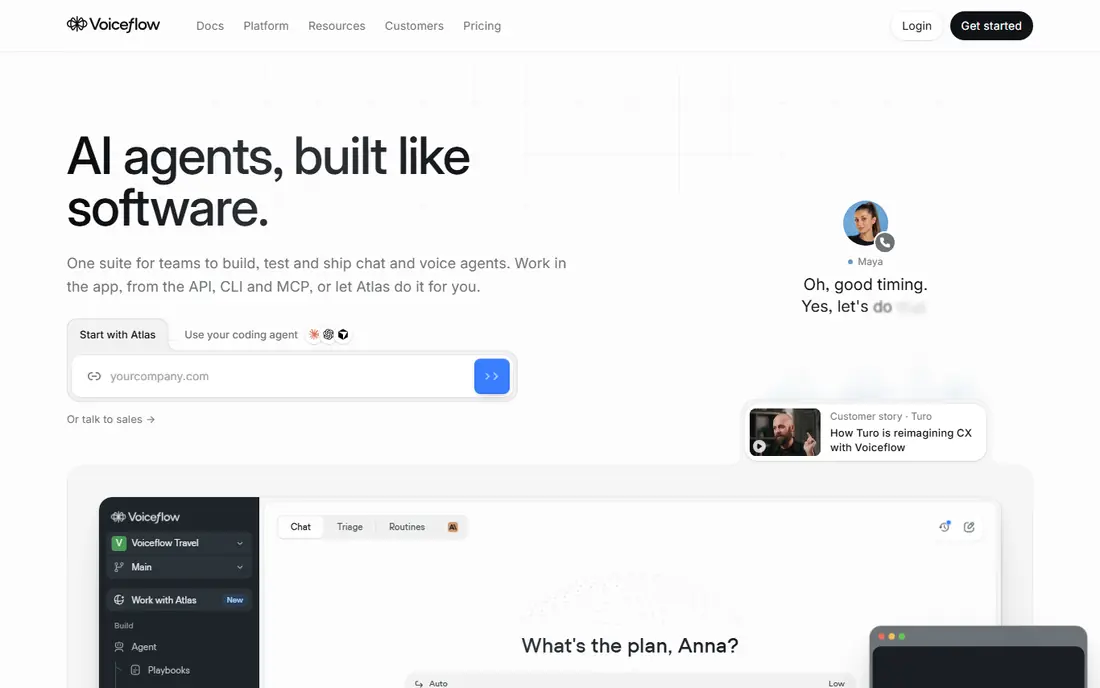
Voiceflow suits product and customer experience teams that design conversations visually, with chat and voice flows on one canvas. Designers can prototype, test, and hand off flows without writing a full application, while developers can add APIs and tools where needed. That design focus makes it strong for teams that care about conversation quality.
Credit-based pricing needs care, because costs follow message and token use as well as editor seats. For a team that prototypes a lot or serves high volume, price a busy month before committing, and check what happens when credits run out.
- Visual canvas for chat and voice
- Collaboration for design teams
- API and tool links
- Credit-based costs can rise
- Less code depth than Rasa
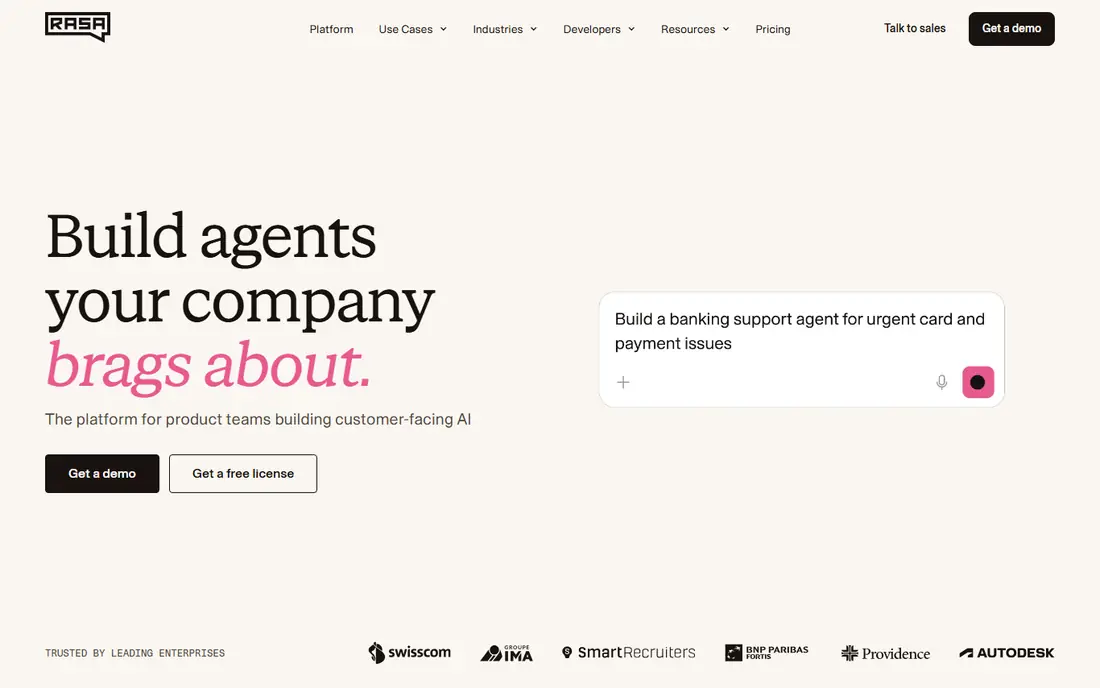
Rasa suits engineering teams that want full control over dialogue, language understanding, and deployment. Teams can build custom actions, run the system in their own cloud or on premises, and keep sensitive data inside their own environment. That control matters for regulated industries and complex workflows.
Non-developers will find Rasa hard to use alone, because it is code-first and needs setup, hosting, and maintenance. For a team with engineering capacity and strict control needs, Rasa offers a level of freedom that closed platforms do not.
- Open-source framework
- Full code control
- Self-hosting options
- Needs engineering time
- No simple no-code builder for non-developers
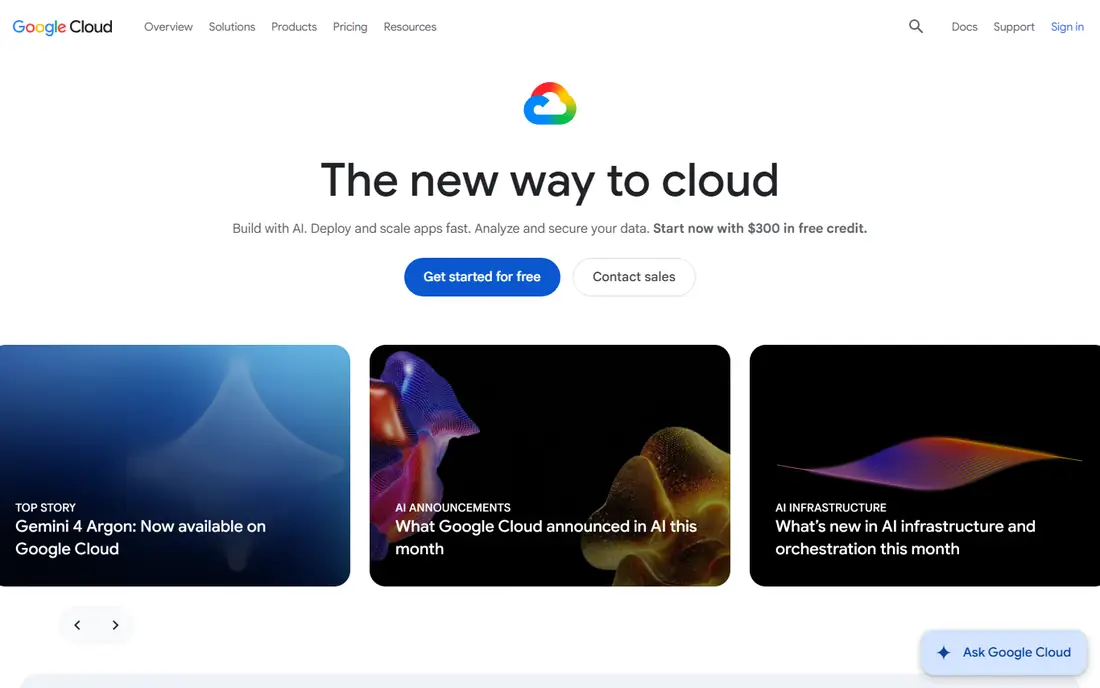
Dialogflow CX, now part of Google Cloud conversational agents, suits developers building chat and voice agents on Google Cloud. Flows, intents, and playbooks can handle structured conversations and tool calls, and voice support suits contact center use. Google Cloud links help teams already running on that platform.
Pricing is usage-based and layered, with per-request, session, and search charges that need careful reading. New users may receive trial credits, but production costs depend on volume and model use, so estimate with real traffic numbers before launch.
- Strong Google Cloud integration
- Chat and voice flows
- Tool and API links
- Usage-based pricing is complex
- Needs developer skill
Microsoft Copilot Studio suits organizations already on Microsoft 365 and Dynamics 365, where agents need to read and act across familiar apps. A large connector library helps agents pull data, update records, and trigger workflows without custom code for common systems. Enterprise controls and governance also suit larger IT teams.
Pricing uses Copilot Credits, with a monthly bundle for a set credit amount, so high-volume use needs a credit check. Teams outside the Microsoft ecosystem may find less value here than with a neutral platform such as Voiceflow or Rasa.
- Many connectors
- Microsoft 365 and Dynamics links
- Enterprise controls
- Credit-based pricing
- Best value inside the Microsoft ecosystem
Chatbase suits teams that want a support bot live quickly, trained on their website, help docs, and files. Setup takes minutes for a basic bot, and the chat widget can sit on a site with a simple embed. Actions and integrations let the bot do more than answer, such as checking order data through connected tools.
Complex, multi-step agents with deep business logic may outgrow Chatbase, and lower plans have credit limits that cap replies. For FAQ-style support and quick answers from your own content, Chatbase offers one of the fastest paths to a working bot.
- Fast setup from websites and docs
- Message credits are clear
- Actions and integrations
- Less depth for complex multi-step agents
- Credit limits on lower plans
Tidio suits small businesses and online stores that want live chat and an AI bot in the same widget. Visitors can chat with a human or get an AI answer first, and ecommerce links help with order questions and product help. The free tier lets a small team start with live chat before adding AI.
AI conversations are billed separately from basic chat in many cases, so check the combined cost for chat plus AI at your volume. For a small store that needs friendly, fast support, Tidio balances price and simplicity well.
- Live chat plus AI in one widget
- Ecommerce integrations
- Simple setup
- AI pricing is separate from chat plans
- Less depth for enterprise agents
Landbot suits marketing and sales teams that want conversational landing pages, lead capture, and simple support flows without code. The visual builder makes it easy to design a flow, ask questions in order, and route answers to a team or CRM. WhatsApp support helps teams that reach customers on messaging apps.
It is less suited to deep AI agents that must reason across many tools and data sources. For structured flows, quizzes, bookings, and lead qualification, Landbot offers a clear, visual path that non-developers can manage.
- Visual no-code builder
- Web and WhatsApp flows
- Lead capture focus
- Less AI agent depth than Botpress
- Pricing varies by channel
Intercom Fin suits teams already using Intercom for support, because Fin answers from help content and resolves conversations inside the same inbox. Human handoff is built in, so a tricky case can move to a person without losing context. That tight fit saves setup time for existing Intercom customers.
Pricing is per resolution, plus seat costs for the underlying Intercom plan, so high-volume support needs a volume check. Teams not on Intercom should compare the full Intercom cost, not just the Fin price, before switching.
- Resolves tickets inside Intercom
- Learns from help content
- Human handoff built in
- Per-resolution pricing adds up at volume
- Needs an Intercom plan
Kore.ai suits large enterprises that need AI agents across contact centers, employee support, and customer service, with strong controls and integrations. Voice and chat agents can handle complex workflows, and the platform supports the governance that large IT and compliance teams require. That breadth sets it apart from small bot builders.
Pricing is quote-based, and deployments can be large, so Kore.ai fits teams with enterprise budgets and complex needs. Small teams will likely find Chatbase, Tidio, or Voiceflow faster and cheaper for a first bot.
- Enterprise agent platform
- Voice and chat
- Strong integrations and controls
- Quote-based pricing
- Long setup for large deployments
How we picked these
We compared official feature pages, pricing pages, and public reviews for chatbot and AI agent platforms live in October 2026. We kept tools that build chat or voice agents, connect to business tools, and support human handoff, and we favored a mix of visual builders, code frameworks, and enterprise platforms. Where pricing is credit, resolution, or usage-based, we used See website when a single monthly figure would mislead.
What to check before you switch
Start with ten real customer questions, including the hardest ones, and test each shortlisted bot with those exact questions. A bot that answers FAQs well can still fail on order status, refunds, or account changes, which are the cases that create support tickets. Check how each tool handles those actions, not just text answers.
Price at real volume, not demo volume
Credits, resolutions, and usage charges all scale with traffic, so estimate with your busiest month, not an average week. Ask what happens when a limit is hit, and check if the bot stops, downgrades, or bills overage automatically. A surprise bill or a stopped bot during a busy period is worse than a higher flat price.
Test handoff and data controls
Confirm that a bot can pass full context to a human, including the conversation and any data it already collected. Check data retention, privacy controls, and where conversation data is stored, especially for regulated industries. A clean handoff and clear data rules matter as much as answer quality.
Frequently asked questions
What is the best Botpress alternative for non-developers?
Chatbase and Tidio suit non-developers best, with fast setup from existing content and a simple chat widget. Landbot also suits non-developers for structured flows, while Voiceflow suits design teams that want more conversation control without full code.
Is Rasa really free?
Rasa offers a free Developer Edition with limits, while enterprise features and support are quote-based. Self-hosting also adds your own infrastructure and maintenance costs, so free software does not mean a free production system. Price hosting, engineering time, and support together.
Which Botpress alternative is best for voice agents?
Voiceflow, Dialogflow CX, and Kore.ai all support voice well, with different strengths. Voiceflow suits design-led voice flows, Dialogflow CX suits Google Cloud contact centers, and Kore.ai suits large enterprise voice deployments. Test voice quality on a real phone call, not just in a browser demo.
Do these bots work on WhatsApp and other channels?
Many do, but channel coverage varies. Landbot and Tidio support WhatsApp and messaging channels, while enterprise platforms support a wider channel set. Confirm each channel you need, including web, WhatsApp, Messenger, and phone, before choosing.
How do I avoid a surprise bill with credit pricing?
Estimate credits or resolutions from your busiest month, set alerts in the platform where available, and test overage behavior in a trial. A flat-rate or per-seat model may suit a team with steady volume better than a credit model, even if the starting price looks higher.
Sources
- https://www.robylon.ai/blog/botpress-alternatives
- https://blog.fastbots.ai/8-best-botpress-alternatives-for-building-ai-chatbots-in-2026/
- https://rasa.com/blog/dialogflow-alternatives
- https://voiceflow.com
- https://rasa.com
- https://cloud.google.com
- https://microsoft.com
- https://chatbase.co
- https://tidio.com
- https://landbot.com
- https://intercom.com
- https://kore.ai
See where you really rank - block by block
ProMapRanker scans Google Maps across a grid of your service area. Simple monthly plans from $19, white-label on every plan.
Start freeKeep reading
 zoro.to alternatives
Best Zoro.to Alternatives in 2026
We compare the best zoro.to alternatives in 2026, listing only legal licensed anime streaming services, from Crunchyroll to free options for fans today.
Read → zip alternatives
Best Zip Alternatives in 2026
We compare the best zip alternatives for buy now, pay later in 2026, covering pay-in-4 plans, fees, spending limits, and credit reporting options today.
Read → yesware alternatives
Best Yesware Alternatives in 2026
Compare the best yesware alternatives for sales email tracking, templates, and sequences, with current pricing and honest tradeoffs for small sales teams.
Read →