 ProMapRanker
Big Cartel Alternatives in 2026

Key takeaways
- Shopify is the strongest all-round upgrade for a growing store, while Squarespace suits visual makers who want a portfolio and a store in one site.
- WooCommerce gives the most control and no platform subscription, but you pay for hosting and handle updates yourself.
- Etsy and Square Online suit sellers who want traffic or a free start, but each one limits branding or charges fees that add up.
- Check transaction fees, not just the monthly price, since payment and platform fees can matter more than the subscription at low sales volumes.
Quick comparison
| Pick | Great for | Pricing starts at | Free tier | |
|---|---|---|---|---|
 Shopify | Growing stores of any size | $39 per month | Free trial | Visit |
 Squarespace | Visual makers and portfolios | See website | Free trial | Visit |
 Wix | Beginners who want drag-and-drop | $29 per month | Yes | Visit |
 BigCommerce | Scaling brands and B2B | $39 per month | Free trial | Visit |
 WooCommerce | WordPress users who want control | Free | Yes | Visit |
 Etsy | Handmade and vintage sellers | See website | No | Visit |
 Square Online | Local sellers and free starts | Free | Yes | Visit |
 Ecwid | Adding a store to an existing site | $5 per month | Yes | Visit |
 Sellfy | Creators selling digital products | $29 per month | Free trial | Visit |
The best Big Cartel alternatives
Big Cartel suits makers with a small catalog and a simple store. When you need more products, stronger marketing tools, or a fuller website, another platform fits better. We compared nine alternatives on price, product limits, design, and how much work each one needs to run, so a maker can move without losing the simple feel that made Big Cartel appealing.

Shopify is the most complete upgrade from Big Cartel for a store that plans to grow. It supports unlimited products, a large app store, discounts, and selling across social and marketplace channels from one dashboard. The checkout is reliable, and themes cover a wide range of maker and retail styles without coding.
The monthly price is higher than a simple maker store, and using a payment provider other than Shopify Payments adds a transaction fee on lower plans. Apps and themes can also add cost. If you sell a small catalog and do not need apps, a simpler builder may be cheaper. For growth, though, Shopify removes the ceiling fastest.
- Unlimited products
- Huge app store
- Multi-channel selling
- Reliable checkout
- Monthly price is higher than Big Cartel
- Third-party payment fees apply on lower plans

Squarespace is the most natural stylistic upgrade for a visual maker. Its templates look polished with little effort, and the same site can hold a portfolio, a blog, and a store. That combination suits photographers, illustrators, and makers who want one site for everything rather than a store alone.
Ecommerce depth is lighter than Shopify or BigCommerce. Inventory management is basic, multi-location support is limited, and reporting is shallow on lower plans. The selling plan also matters: the cheapest website plan does not include selling, so check the commerce plan price. For a maker with tens to a few hundred products, that trade is usually fine.
- Polished templates
- Blog and gallery beside the store
- Content tools built in
- Ecommerce depth is lighter than Shopify
- Inventory and reporting are basic on lower plans
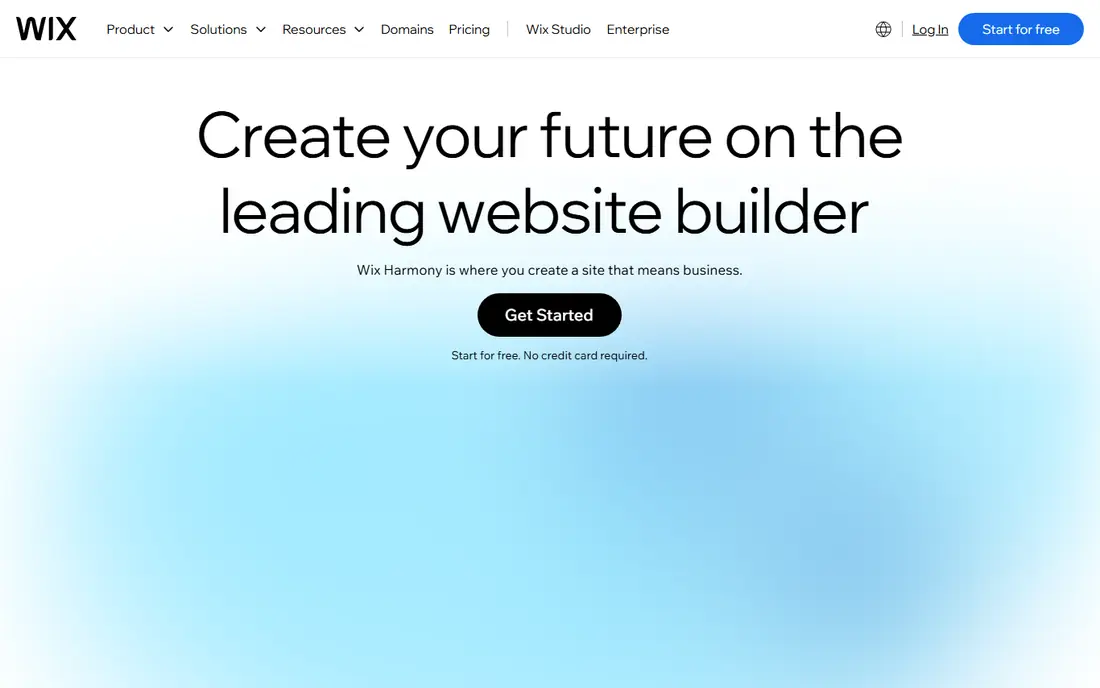
Wix suits a beginner who wants to build a store by dragging elements into place. Templates cover many maker and retail styles, and marketing tools such as email and social posting are built in. The editor gives more visual control than a simple store builder, which helps a maker who cares about how a page looks.
The free plan does not include ecommerce, so selling requires a paid plan. App quality varies, and Wix is weaker than Shopify for large catalogs and complex operations. For a small store with a clear visual style, Wix is easy to run. For a store heading toward scale, Shopify or BigCommerce may age better.
- Easy drag-and-drop editor
- Many templates
- Built-in marketing tools
- Free plan does not include selling
- App quality varies
- Scaling is weaker than Shopify
BigCommerce is built for brands that outgrow a simple builder. It includes strong built-in features for catalogs, discounts, and search, plus B2B tools for wholesale buyers. Embedded payment providers carry no extra platform fee, which helps a store with steady sales. The platform also handles larger catalogs without relying on many apps.
Plan pricing is tied to sales volume, and plans move up automatically as sales grow, so budget for the tier you will reach, not just the entry tier. The admin is also more complex than Wix or Squarespace. For a maker with a small catalog, that depth may be unnecessary. For a growing brand, it can save app costs later.
- Strong built-in selling features
- No platform transaction fee on embedded payments
- B2B tools
- Plan tiers move up with sales volume
- Learning curve is higher than Wix or Squarespace
WooCommerce turns a WordPress site into a store with a free core plugin. It gives full control over design, data, and checkout, and a huge library of extensions covers shipping, subscriptions, and memberships. For a maker who already runs WordPress, it keeps content and selling in one place without a platform subscription.
Control comes with work. You pay for hosting, and you handle updates, security, backups, and plugin conflicts yourself or with help. Extensions can also add cost. If you want a hosted service that handles maintenance, Shopify or Squarespace is simpler. If you want ownership and flexibility, WooCommerce is unmatched at this price.
- Free core plugin
- Full control over design and data
- Huge extension library
- Hosting and extensions cost extra
- You handle updates, security, and backups
Etsy is not a website builder, but it is a strong alternative for makers who want buyers to find them. A shop is quick to set up, and marketplace search brings traffic that a new standalone store would take months to build. Buyer trust for handmade and vintage goods is also higher on Etsy than on an unknown store.
Fees apply to listings, transactions, and payment processing, and they add up on higher volumes. Branding is limited to your shop page, and Etsy controls search and policy changes. Many sellers use Etsy for discovery and their own store for repeat buyers. For a maker starting out, that combination is often the practical path.
- Built-in marketplace traffic
- Easy shop setup
- Buyer trust for handmade goods
- Marketplace fees on every sale
- Limited branding
- You do not own the customer relationship fully
Square Online suits a local seller who already uses Square in person. The free plan lets you start selling online without a subscription, and orders sync with Square payments and inventory. Setup is simple, and the store works well for a small catalog tied to a physical shop or market stall.
The free plan carries Square branding and a higher online processing rate than some rivals, so free does not mean cheapest at volume. Design options are also more basic than Squarespace or Wix. For a local seller testing online sales, Square Online is a low-risk start. For a brand-led store, a paid builder may look stronger.
- Free plan to start
- Ties into Square payments and in-person selling
- Simple setup
- Free plan has Square branding and higher processing rates
- Design options are basic
Ecwid is different: it adds a store to a website you already have, rather than asking you to rebuild. A few lines of code add a storefront, product pages, or buy buttons to WordPress, Squarespace, Wix, or a custom site. The free plan covers up to 10 products, which is enough to test whether online selling works for your audience.
Because it is an embed, not a full builder, you will not get the same design or marketing depth as Shopify or Squarespace. Advanced automation and app integrations are also thinner. Choose Ecwid when your site already has traffic and design you like. Choose a full platform when you are building a store from scratch.
- Embeds into an existing website
- Free plan for up to 10 products
- No platform fee
- Not a full website builder
- Advanced marketing tools are limited
Sellfy suits creators who sell digital downloads, subscriptions, or print-on-demand products. The storefront is simple to set up, and built-in tools cover email marketing, discounts, and upsells without extra apps. For a creator with a digital catalog, that focus keeps costs and setup low compared with a general ecommerce platform.
Physical product features are thinner than Shopify or BigCommerce, and lower plans carry yearly sales limits. If you sell mostly physical goods with variants and shipping rules, a general platform fits better. For digital creators, Sellfy removes much of the setup that a general store would require.
- Built for digital and print-on-demand sales
- Simple storefront
- Built-in marketing tools
- Physical product features are thinner
- Sales limits apply on lower plans
How we picked these
We compared official pricing pages, feature lists, and plan terms for each product, and we checked which apps and services are still offered in October 2026. We kept only products that fit the topic directly and that a US buyer can sign up for today. Where a price or a feature differed across sources, we used the vendor page figure where we could confirm it and wrote See website where we could not. We did not claim hands-on testing, and we judged each product on who it fits, one clear strength, and one honest weakness.
How to choose a Big Cartel alternative
Start with catalog size and growth plans. A store with under 50 products and simple needs can stay on a low-cost builder, while a store heading toward hundreds of products needs stronger inventory, search, and reporting. Next, check design: makers who sell visual work need templates that show photos well and a blog or gallery beside the store. Then add up the real cost: monthly price, transaction fees, payment processing, and any paid apps or themes. Finally, test the move: export your products if possible, set up a trial store, and check shipping, taxes, and checkout on a phone before you switch your domain.
Frequently asked questions
What are the best Big Cartel alternatives for makers?
Squarespace and Shopify are the most common upgrades for makers. Squarespace gives polished templates and a portfolio feel, while Shopify gives a larger app ecosystem and stronger selling tools. Etsy suits makers who want built-in marketplace traffic rather than their own store.
What is the cheapest alternative to Big Cartel?
Square Online and Ecwid both offer free plans, and WooCommerce has no platform subscription, though hosting costs apply. A free plan usually limits products, features, or branding, so check those limits before choosing on price alone.
Can I move my products from Big Cartel to Shopify or Squarespace?
Most platforms offer import tools or accept a product file, but the exact steps vary. Export your product list, photos, and descriptions first, then test the import on a trial store. Check that variants, prices, and images carry over correctly before you point your domain at the new store.
Is Shopify better than Big Cartel for a small store?
Shopify is stronger for growth, apps, and multi-channel selling, but it costs more per month. For a very small store with a handful of products, that extra cost may not be justified. Choose Shopify when you need features Big Cartel lacks, such as stronger discounts, apps, or reporting.
Do I need my own website if I sell on Etsy?
No, Etsy gives you a shop page and built-in traffic, which is useful for starting out. Your own website gives you control over branding, customer data, and fees, so many sellers use both: Etsy for discovery and their own store for repeat customers.
Sources
See where you really rank - block by block
ProMapRanker scans Google Maps across a grid of your service area. Simple monthly plans from $19, white-label on every plan.
Start freeKeep reading
 zscaler alternatives
Best Zscaler Alternatives in 2026
Looking for zscaler alternatives? We compare 9 SASE and zero trust platforms on architecture, data protection, pricing, and fit for your network and team.
Read → zapier alternatives free
Best Zapier Alternatives Free in 2026
Nine automation tools for zapier alternatives free in 2026, all with genuinely free tiers, plus free plan limits, starting prices and upgrade paths explained.
Read → which platform is best for online reputation
Which Platform Is Best for Online Reputation in 2026
Wondering which platform is best for online reputation? We compare 8 review, listing, and response tools for small and multi-location businesses and agencies.
Read →