 ProMapRanker
Best XDR Software in 2026


Endpoint-first detection · Pricing starts at: See website
Key takeaways
- CrowdStrike Falcon XDR and SentinelOne Singularity XDR lead for endpoint-first teams that want strong detection and automated response.
- Microsoft Defender XDR is the natural pick for organizations already built around Microsoft 365, Entra, and Defender.
- Palo Alto Cortex XDR and Trend Micro Vision One suit network-heavy and multi-cloud environments with broad telemetry needs.
- XDR pricing is usually quote-based, so pilot with real data and measure alert reduction and investigation time before you commit.
Quick comparison
| Pick | Great for | Pricing starts at | Free tier | |
|---|---|---|---|---|
| CrowdStrike Falcon XDR | Endpoint-first detection | See website | No | Visit |
 SentinelOne Singularity XDR | Autonomous response | See website | No | Visit |
 Microsoft Defender XDR | Microsoft environments | See website | No | Visit |
 Palo Alto Cortex XDR | Network-heavy environments | See website | No | Visit |
 Trend Micro Vision One | Multi-cloud coverage | See website | No | Visit |
 Sophos XDR | Mid-size teams | See website | No | Visit |
 Fortinet FortiXDR | Fortinet environments | See website | No | Visit |
 Trellix XDR | Broad telemetry correlation | See website | No | Visit |
 Cybereason XDR | Investigation and hunting | See website | No | Visit |
The best XDR software
We compared XDR platforms by telemetry coverage across endpoints, identity, email, network, and cloud, plus detection quality, investigation workflow, automated response, and ecosystem fit, using vendor product pages and public comparisons. XDR stands for extended detection and response, which links signals across layers so a security team can see a full attack story in one place.
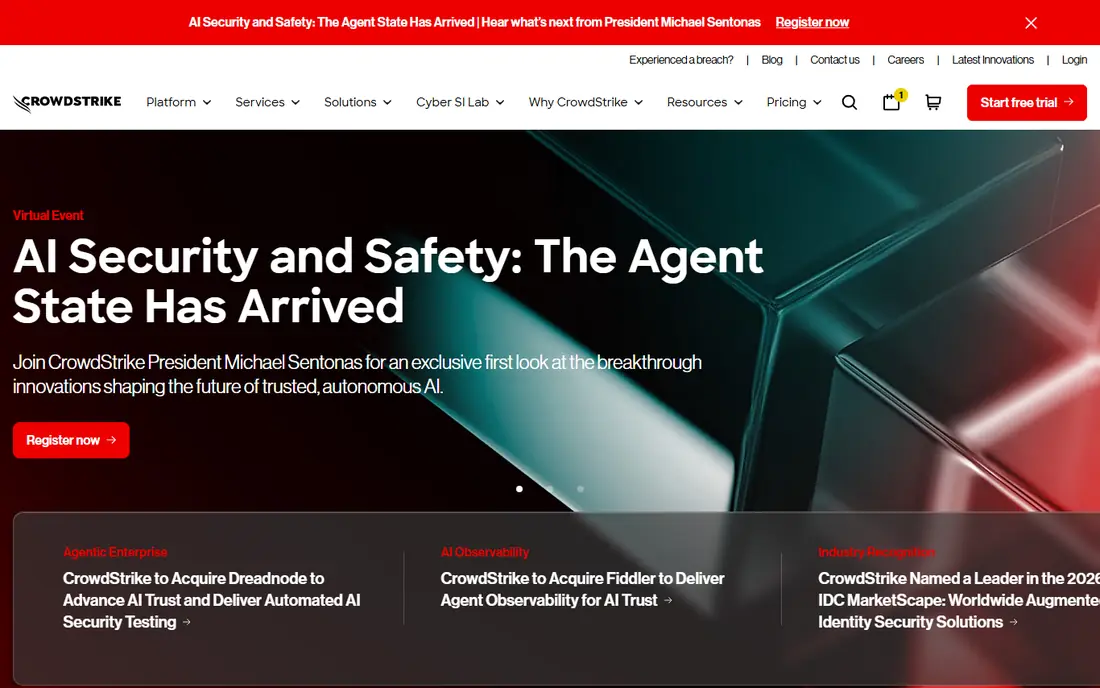
CrowdStrike Falcon XDR builds outward from a mature endpoint foundation, correlating endpoint, identity, cloud, and third-party signals in a single console. Threat hunting workflows and threat intelligence are strengths, which helps teams that face advanced attacks and need rich context fast. The cloud-native model also avoids managing a large on-premises security stack.
The main cautions are cost and module packaging. Advanced features sit in different modules, so a quote can grow as you add coverage. Smaller teams should also plan for tuning and analyst time, since a powerful platform still needs people to act on its findings.
- Strong endpoint telemetry and threat intelligence
- Cloud-native platform
- Broad integration ecosystem
- Pricing is quote-based and can rise with modules
- Needs tuning for smaller teams
- Past outage history should be part of vendor risk checks
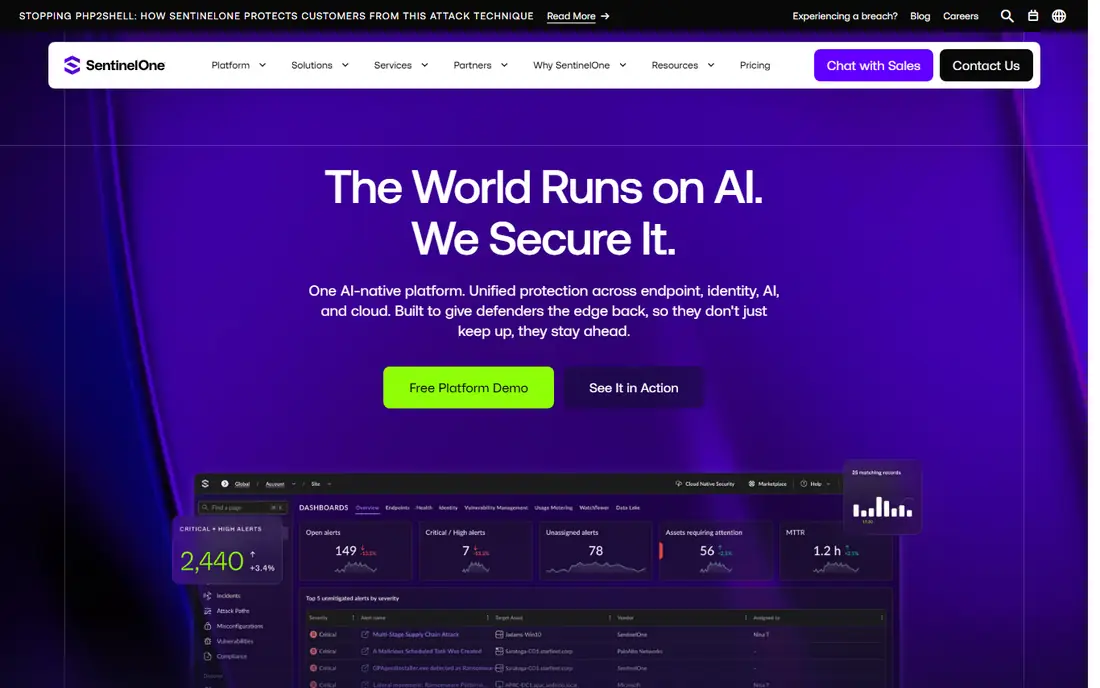
SentinelOne Singularity XDR unifies endpoint, cloud, identity, and network telemetry in a data lake, with autonomous response that can act without waiting for a human analyst. That automation appeals to teams with limited headcount, since it can contain threats, roll back changes, and reduce alert volume. The platform also supports cloud, on-premises, and hybrid deployment models.
Buyers should test investigation workflow and third-party integration fit, not just response automation claims. Support experience can vary, especially on larger deployments, so ask for references from organizations of a similar size and check response times in the contract.
- Autonomous detection and response
- Unified data lake for telemetry
- Scales from mid-size to very large deployments
- Support quality can vary on large deployments
- Ecosystem fit needs testing
- Pricing is quote-based

Microsoft Defender XDR is the obvious shortlist option for organizations already standardized on Microsoft 365, Entra ID, and Defender for Endpoint. Endpoint, identity, email, and cloud signals line up in one broader stack, which reduces friction and gives analysts a fuller picture without stitching together many vendors.
Outside a Microsoft-heavy environment, the value falls, since many benefits come from that integration. Licensing tier also matters a lot, so a team should confirm which Defender XDR features its current Microsoft licenses actually include before assuming full coverage.
- Deep links to Microsoft 365, Entra, and Defender
- Single console for many Microsoft signals
- Familiar licensing for Microsoft shops
- Value drops outside Microsoft-heavy environments
- Effectiveness depends on licensing tier
- Third-party integration is narrower
Palo Alto Cortex XDR combines endpoint, network, cloud, and identity telemetry with behavioral analytics to spot anomalies across an attack chain. It delivers the most value in network-centric environments, especially where Palo Alto firewalls and network tools already provide rich telemetry. Investigation and response workflows benefit from that network context.
Teams without a Palo Alto base should weigh deployment effort and cost carefully, since the platform is broad and takes time to tune. A pilot with real network and endpoint data will show whether the analytics reduce investigation time for your specific environment.
- Strong network and endpoint analytics
- Behavioral detection
- Fits Palo Alto network environments well
- Best value for teams already invested in Palo Alto
- Deployment can be complex
- Pricing is quote-based
Trend Micro Vision One, also called Trend Vision One, is built for large enterprises managing complex, multi-cloud environments. It pulls telemetry from endpoints, email, networks, servers, and cloud workloads into one platform, which helps teams that run workloads across more than one cloud provider. The integration range is a real strength for heterogeneous estates.
Smaller teams may find the platform broad and the setup demanding, so a phased rollout makes sense. Start with the layers where you lose context today, such as cloud workloads or email, then expand coverage once detection and response workflows are stable.
- Broad coverage across endpoints, email, network, and cloud workloads
- Strong for multi-cloud estates
- Extensive integrations
- Console can feel broad for small teams
- Pricing is quote-based
- Tuning takes time in complex environments
Sophos XDR suits mid-size organizations that want a manageable platform without a large security operations team. The central console links endpoint and network signals, and Sophos is known for ransomware protection and ease of use. For a team that needs solid detection and response without enterprise complexity, that balance is attractive.
Very large or highly complex environments may need deeper hunting and correlation tools from CrowdStrike, SentinelOne, or Palo Alto. Check which XDR features sit in each Sophos tier, since some advanced detection and response options need a higher plan.
- Easy to manage for mid-size teams
- Strong ransomware protection
- Central console for endpoint and network signals
- Less suited to very large, complex estates than top enterprise platforms
- Advanced features may need higher tiers
- Pricing is quote-based
Fortinet FortiXDR extends detection and response across the Fortinet Security Fabric, linking firewall, endpoint, email, and cloud signals. For organizations already using FortiGate firewalls and Fortinet endpoint tools, that integration gives analysts a fuller attack story with less custom work. Automated workflows can investigate and respond to common incidents without manual steps.
Teams that do not use Fortinet widely should test third-party telemetry support before committing, since the strongest benefits come from the Fabric. As with other XDR platforms, confirm module pricing and which response actions are automated on your chosen tier.
- Tight links to the Fortinet Security Fabric
- Automated investigation and response workflows
- Network and endpoint coverage
- Best value inside a Fortinet estate
- Third-party coverage needs checking
- Pricing is quote-based
Trellix XDR, from the company formed by McAfee Enterprise and FireEye, focuses on correlating telemetry across endpoints, network, email, and cloud tools into a single investigation timeline. That open approach suits organizations with a mixed security stack that do not want to replace every tool at once. Analysts can trace an attack across layers and act from one console.
Buyers should check current product packaging carefully, since Trellix products have changed through mergers. A pilot with your existing tools will show whether correlation actually reduces alert volume and investigation time, which is the real test for any XDR platform.
- Correlates telemetry from many security tools
- Investigation timeline for attacks
- Open integration approach
- Platform history spans merged products, so check current packaging
- Deployment can be complex
- Pricing is quote-based
Cybereason XDR is known for visualizing a full attack story, showing how an incident moves across endpoints and systems over time. That view helps analysts and hunters understand root cause, scope, and impact without piecing together logs from many tools. Endpoint, identity, and cloud signals feed into that story.
The ecosystem is smaller than CrowdStrike or Microsoft, so check integrations with your existing tools before you buy. Cybereason also rewards analyst skill, so teams with limited hunting experience should plan training and consider managed detection options alongside the platform.
- Attack story visualization
- Strong hunting workflows
- Endpoint, identity, and cloud signals
- Smaller ecosystem than the largest vendors
- Pricing is quote-based
- Needs analyst time to get full value
How we picked these
We compared live XDR platforms with real endpoint, identity, network, email, or cloud coverage in 2026, using vendor product pages and public comparisons. We favored a mix of endpoint-first leaders, platform vendors, network-focused tools, and mid-size options, so readers can match a platform to their existing stack. We left out pure antivirus tools and pure SIEM products, since those do not provide the cross-layer detection and response that defines XDR.
How to choose an XDR platform
Start with where you lose context today. If attacks slip between endpoint and identity, an endpoint-first platform may help most. If network visibility is the gap, a network-focused platform may help more. If cloud workloads are the blind spot, a multi-cloud platform should lead your shortlist. A feature checklist alone will not answer that question.
Next, pilot with real data. Feed the platform your actual endpoint, identity, and cloud telemetry for a few weeks, then measure alert volume, investigation time, and false positives. Ask how response actions work, who approves them, and how rollback or containment affects business systems. A platform that looks strong in a demo can still fail on your data.
Finally, check total cost and vendor risk. XDR pricing is usually quote-based and depends on endpoints, data volume, modules, and support tier, so get a written quote for your full estate. Also review update practices, outage history, and support terms, since an XDR agent runs deep in your systems and a bad update can affect many devices at once.
Frequently asked questions
What is the best XDR platform?
CrowdStrike Falcon XDR and SentinelOne Singularity XDR are the most commonly shortlisted platforms for endpoint-first teams, while Microsoft Defender XDR leads for Microsoft environments. The best platform for you depends on your existing stack, team size, and where you lose attack context today.
What is the best XDR solution for a small team?
Sophos XDR and SentinelOne Singularity XDR are strong options for smaller teams, thanks to manageable consoles and automated response. A small team should also consider managed detection and response services, since a platform alone does not replace analyst coverage.
What is the difference between XDR and EDR?
EDR focuses on endpoints, while XDR extends detection and response across endpoints, identity, email, network, and cloud layers. XDR links those signals into one attack story, which helps analysts see the full incident faster than endpoint data alone.
Is Microsoft Defender XDR enough on its own?
For a Microsoft-heavy organization with the right licensing tier, Defender XDR can cover a lot of ground, from endpoints to identity and email. Organizations with large non-Microsoft estates, or with specialist network and cloud needs, may still need third-party tools alongside it.
How much does XDR software cost?
Most XDR pricing is quote-based and depends on endpoint count, data volume, modules, and support level, so vendors rarely publish a single price. Ask for a written quote for your full estate, including data ingestion and support, and compare total cost over at least two years.
Sources
See where you really rank - block by block
ProMapRanker scans Google Maps across a grid of your service area. Simple monthly plans from $19, white-label on every plan.
Start freeKeep reading
 zoho inventory alternatives
6 Alternatives to Zoho Inventory, Compared on Price and Fit
Zoho Inventory alternatives: 6 tools compared on price, free plans and fit. Katana leads the list for manufacturers. Fit and flaws are laid out for each entry.
Read → zoho crm alternatives
Best Zoho CRM Alternatives (2026)
Need Zoho CRM alternatives? We compare 7 tools on cost, free access and who each suits. Every pick gets a straight assessment. Built for quick decisions.
Read → zelle alternatives
Best Zelle Alternatives in 2026
Compare the best Zelle alternatives for sending money to friends, paying sellers and moving funds abroad, with honest notes on fees, speed and safety in 2026.
Read →