 ProMapRanker
Best Warranty Management Software in 2026


Manufacturers needing end-to-end warranty control · Pricing starts at: See website
Key takeaways
- Warranty value comes from claims control, supplier recovery and failure data, not only from a registration form.
- Most enterprise warranty tools are quoted, so compare implementation, integration and data-migration costs, not only licences.
- Supplier recovery needs clean parts, labour and failure-code data, or recovery claims will stall.
- A consumer registration tool is not the same as a manufacturer warranty system, so match the tool to your role.
- Start with your worst cost driver, whether that is claim leakage, slow approvals or poor failure visibility.
Quick comparison
| Pick | Great for | Pricing starts at | Free tier | |
|---|---|---|---|---|
| Tavant Warranty | Manufacturers needing end-to-end warranty control | See website | No | Visit |
 PTC Warranty | Manufacturers needing claims and supplier recovery | See website | No | Visit |
 Salesforce Warranty Management | Salesforce-centred manufacturers | See website | No | Visit |
 Mize Warranty | Global manufacturers needing flexible warranty workflows | See website | No | Visit |
 Oracle Warranty | Oracle-centred enterprises | See website | No | Visit |
 ScalePad Warranty Master | IT providers tracking hardware warranties | $19 per month | Free trial | Visit |
 ServiceMax | Field service teams linking warranty to service work | See website | No | Visit |
 Syncron | Aftermarket teams needing parts and warranty insight | See website | No | Visit |
The best warranty management software
Warranty management covers registration, claims, approvals, repairs, supplier recovery, campaigns and analytics. The right tool depends on your role, whether manufacturer, dealer, service provider or IT reseller, because each role needs different workflows. The tools below are in active use for warranty work in 2026.

Tavant Warranty is a long-established manufacturer warranty platform covering claims, supplier recovery, campaigns, audits and analytics. It brings OEMs, suppliers and service partners into one workflow, which helps when a claim needs parts, labour and failure data from several parties. Its analytics tools help teams spot failure patterns and forecast warranty cost.
It is an enterprise system with quoted pricing and implementation work, so it fits manufacturers with material warranty spend rather than a small shop tracking a few claims. Check integration with ERP, parts and service systems, and confirm how supplier recovery rules and audit controls are configured.
- End-to-end warranty lifecycle coverage
- Supplier recovery and analytics modules
- Built on Salesforce
- Enterprise pricing and implementation
- Best fit is manufacturers, not small resellers
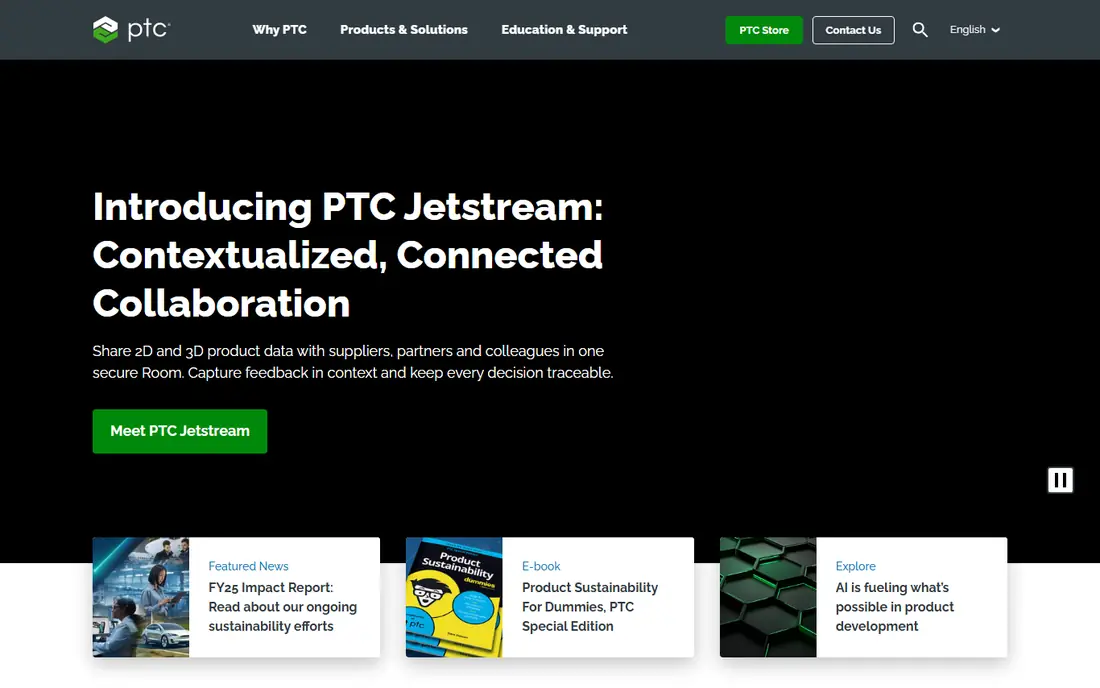
PTC Warranty automates the claim journey from submission through approval, parts and service orders, payment and supplier reimbursement. That automation helps manufacturers cut manual claim handling and reduce errors, while analytics show warranty performance by product, supplier and failure type. For manufacturers with high claim volumes, that control is the main value.
Like Tavant, PTC is an enterprise purchase with quoted pricing. Its value depends on data quality: product registrations, serial numbers, parts records and failure codes must be consistent, or automation will route claims for manual review anyway. Plan data cleanup as part of implementation.
- Full claims lifecycle automation
- Supplier recovery and parts handling
- Strong analytics
- Enterprise pricing
- Needs clean product and service data to work well
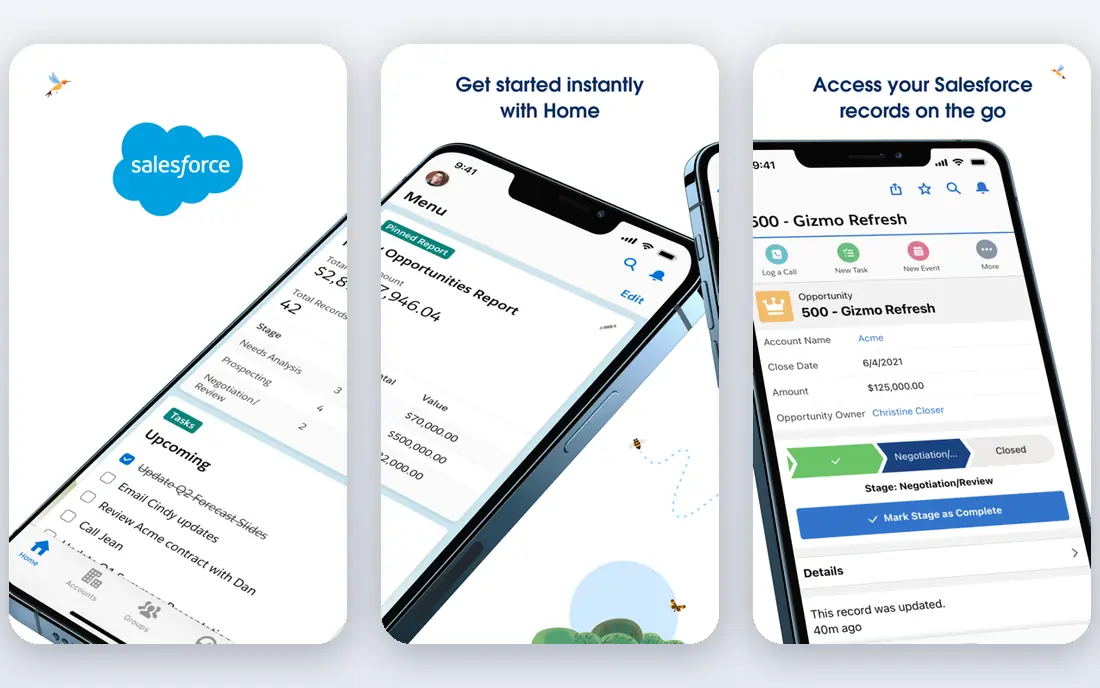
Salesforce Warranty Management suits manufacturers already running Salesforce for service or sales. Warranty entitlements, claims, assets and service work can sit in the same system as customer and field-service records, which makes reporting and handoffs easier. Teams can track coverage, claim status and service history without switching platforms.
The total cost depends on Salesforce licences, implementation and any customisation, so do not compare it on a standalone warranty price alone. Check which warranty features are included in your Salesforce edition, and confirm integration with ERP and parts systems before committing.
- Warranty data inside Salesforce
- Links to service, sales and field service
- Strong reporting
- Requires Salesforce licences and setup
- Pricing depends on Salesforce edition and scope
Mize offers warranty software for global manufacturers covering registrations, inspections, service plans, claims, returns, supplier recovery and analytics. Its configurability helps manufacturers with varied product lines, dealer networks and multi-country operations, where one rigid workflow would fail. Service contract sales support is also useful for aftermarket revenue.
Pricing is quoted and implementation scope depends on product complexity and dealer count. Ask for a written scope covering dealer portals, languages, currencies and ERP integration, and trial it with a real claim type from each major product line.
- Global warranty workflows for registrations, claims and recovery
- Configurable processes
- Service contract support
- Enterprise pricing
- Implementation scope varies by product range
Oracle Warranty fits enterprises already running Oracle applications for manufacturing, supply chain or service. Warranty claims, entitlements and supplier recovery can connect to parts, inventory and financial records in the same enterprise system, which helps with audit and cost control. That integration is the main reason to choose Oracle over a standalone warranty tool.
It is not a light standalone purchase for a non-Oracle manufacturer. Implementation scope, licensing and change management should be planned as an enterprise project, with clear ownership from operations, finance and IT.
- Warranty inside Oracle enterprise applications
- Links to manufacturing, supply chain and service
- Strong controls
- Enterprise scope and cost
- Best fit is existing Oracle customers
ScalePad, formerly Warranty Master, serves a different role from the manufacturer tools above. It helps managed service providers and IT teams track hardware and software warranties automatically, using manufacturer data for brands such as Dell, HP and Lenovo. That visibility helps providers plan renewals, avoid uncovered repairs and show clients clear asset reports.
Do not buy it expecting full manufacturer claim adjudication or supplier recovery workflows, because that is not its job. For IT providers, its $19 per month starting figure in recent listings makes it an accessible add-on, although higher plans and asset counts change the total. Check which manufacturers and asset types are covered for your client base.
- Automated hardware warranty tracking for IT providers
- Manufacturer data sync
- Asset lifecycle reports
- It tracks IT asset warranties, not manufacturer claim adjudication
- Pricing varies by plan
ServiceMax links field service work to warranty entitlements, which matters when a technician must know, before starting a repair, whether the work is covered and what parts are allowed. It covers service scheduling, work orders, entitlements and service history, helping teams avoid uncovered work and billing disputes. That fit suits manufacturers and service organisations with complex installed equipment.
It is an enterprise platform with quoted pricing, and its value depends on service-process alignment. Check how entitlement rules, parts and labour rates are configured, and confirm integration with ERP and CRM systems. For simple warranty tracking without field service, a lighter tool may be enough.
- Field service and warranty linkage
- Entitlement checks during service
- Strong for complex equipment
- Enterprise pricing
- Needs service-process alignment to get full value
Syncron focuses on aftermarket service, parts and pricing, with warranty data feeding into service and parts decisions. For manufacturers, that view helps connect failure patterns to parts demand, pricing and service planning, rather than treating warranty as an isolated claims queue. It suits aftermarket teams that already think in terms of parts availability and service revenue.
Warranty-only buyers should check module fit carefully, because Syncron's breadth can mean paying for aftermarket scope beyond claims handling. Ask which warranty, claims and analytics modules are included, and how they integrate with your ERP and service systems.
- Aftermarket focus on parts, pricing and service
- Warranty and service data insight
- Strong for manufacturers
- Broad aftermarket scope, so warranty-only buyers should check module fit
- Pricing is quoted
How we picked these
We compared official product pages and public documentation for warranty tools in active use in 2026, favouring systems that handle claims, entitlements, supplier recovery or asset warranty tracking. We included ScalePad for the IT-provider role and marked its different scope clearly. Where pricing was not published, we wrote See website.
What to check before you buy
Map one real claim end to end before you buy: registration, failure report, parts, labour, approval, payment and supplier recovery. Check who approves what, how fraud or duplicate claims are flagged, and how audit trails are kept. Confirm integration with ERP, parts, CRM and field-service systems, because warranty data that stays isolated loses most of its value.
Also check data migration. Serial numbers, entitlements, open claims and supplier agreements must move cleanly, or the new system will start with gaps that cause disputes. Run a pilot on one product line, measure claim cycle time and recovery rates, and only then roll out to other lines.
Frequently asked questions
What is warranty management software?
It is software that manages product registrations, warranty entitlements, claims, approvals, repairs, supplier recovery, campaigns and warranty analytics.
How much does warranty management software cost?
Most manufacturer tools are quoted by scope, users and implementation. ScalePad starts at $19 per month in recent listings for IT asset warranty tracking, which is a different role from manufacturer claim systems.
What is supplier recovery?
Supplier recovery is the process of claiming warranty costs back from a parts or component supplier when a failure is traced to that supplier's part. It needs clean parts, labour and failure-code records.
Can a small business use enterprise warranty tools?
It can, but enterprise tools are usually built for manufacturers with high claim volumes. Small IT providers should look at ScalePad, while small manufacturers should check whether a simpler claims tool or a CRM-based approach fits better.
How do we reduce warranty fraud?
Use clear entitlement checks, failure-code rules, duplicate-claim checks, audit trails and approval limits. Software helps, but consistent process and review still matter.
Should warranty data connect to field service?
Yes, where field service is involved. Entitlement checks before repair prevent uncovered work, and service history improves failure analysis and supplier discussions.
Sources
See where you really rank - block by block
ProMapRanker scans Google Maps across a grid of your service area. Simple monthly plans from $19, white-label on every plan.
Start freeKeep reading
 what’s the best risk software for enterprises
What Is the Best Risk Software for Enterprises in 2026
We compared what’s the best risk software for enterprises on risk registers, controls, third-party risk, and reporting, with pricing notes for large teams.
Read → what's the best pam software for enterprises
What is the Best PAM Software for Enterprises in 2026
Find what's the best pam software for enterprises, with vaulting, session recording, just in time access and pricing compared for large enterprise IT teams.
Read → what’s the best grc software
What Is the Best GRC Software in 2026
We compared what’s the best grc software on risk, compliance, audit and vendor risk, so teams can pick a platform that fits their frameworks and budget.
Read →