 ProMapRanker
Best VPS Hosting Companies in 2026


developers who want a simple cloud VPS · Pricing starts at: $6 per month
Key takeaways
- DigitalOcean, Vultr, and Linode are the easiest starting points for developers who want a clean control panel and predictable monthly billing.
- Hetzner, Contabo, and OVHcloud often give more memory and storage per dollar, but support and regions vary more.
- Hostinger and Kamatera suit buyers who want a lower entry price or a highly configurable server, with renewal prices to check carefully.
- Backups, transfer limits, and IPv4 charges change the real monthly cost, so compare the full bill, not just the headline plan price.
Quick comparison
| Pick | Great for | Pricing starts at | Free tier | |
|---|---|---|---|---|
| DigitalOcean | developers who want a simple cloud VPS | $6 per month | No | Visit |
 Vultr | many regions and flexible billing | $5 per month | No | Visit |
 Linode | dependable Linux hosting with human support | $5 per month | No | Visit |
 Hetzner | best price per unit of memory and storage | See website | No | Visit |
 Hostinger | low intro price for a first VPS | $6.49 per month | No | Visit |
 Kamatera | custom server sizes and scaling | $4 per month | Free trial | Visit |
 OVHcloud | value plans with built-in DDoS protection | See website | No | Visit |
 Contabo | large storage per dollar | See website | No | Visit |
The best VPS hosting companies
A virtual private server gives you dedicated resources on shared hardware, with root access to install what you need. These providers differ in price, regions, support, and how much hand-holding you get, so the best VPS hosting service depends on your skill level and your workload.
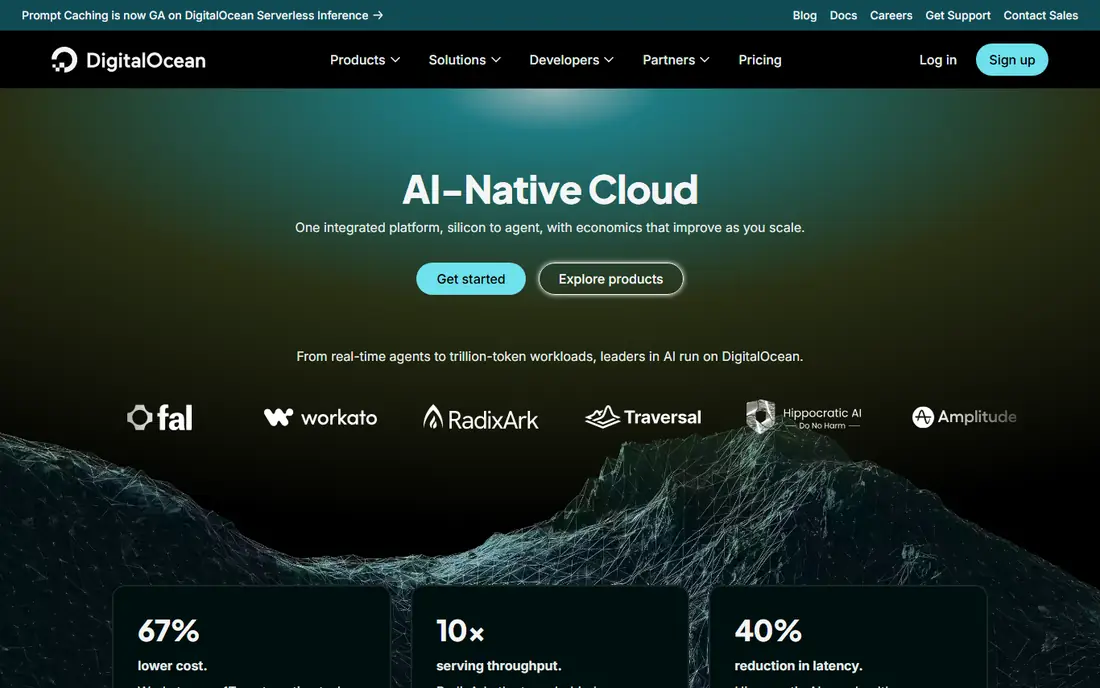
DigitalOcean is our pick for most people buying their first VPS, because the control panel is clear and the documentation is strong. You can spin up a Droplet, pick an operating system or a one-click app image, and manage firewalls, backups, and snapshots from one place. The Basic entry plan starts at 6 dollars per month, with hourly billing capped at the monthly rate.
The catch is that the cheapest plan is small, with 1 GB of memory in many listings, so a busy site or app will need a larger plan. Backups are charged extra, and managed databases and load balancers sit on separate bills. DigitalOcean is still a good default for learning, side projects, and small production sites, as long as you size the server for real traffic, not just for the lowest price.
- Clean control panel
- One-click app images
- Predictable hourly billing capped monthly
- Entry plans are modest on memory
- Backups cost extra
- Managed services add up fast
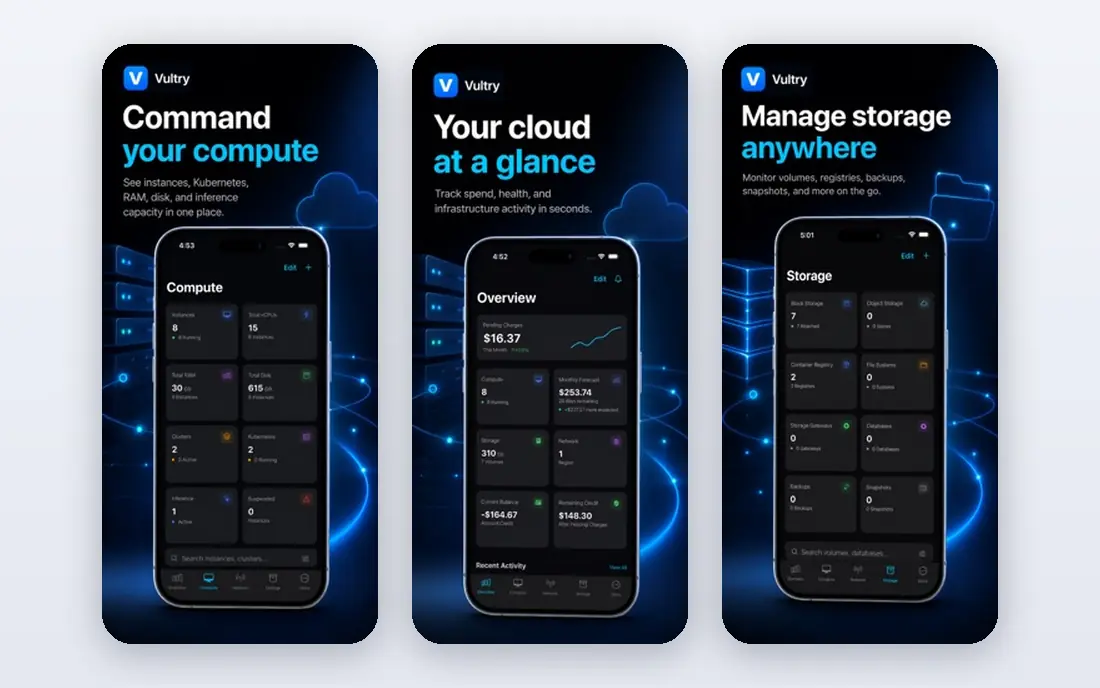
Vultr suits a buyer who cares about server location. With many data center locations, you can place a server close to your visitors, which helps latency for a global audience. Plans start at 5 dollars per month for a small regular compute instance in many listings, with hourly billing capped monthly.
The trade-off is support style and sizing. Support is mainly ticket-based, so you should be comfortable managing a Linux server yourself. Like DigitalOcean, the entry plan is modest, and backups cost extra. Vultr is a strong pick for developers who know what they need and want location choice without a complex cloud bill.
- Many global locations
- Hourly billing capped monthly
- Wide operating system and app choices
- Support is ticket-based
- Entry plans are small
- Backup and snapshot costs add up
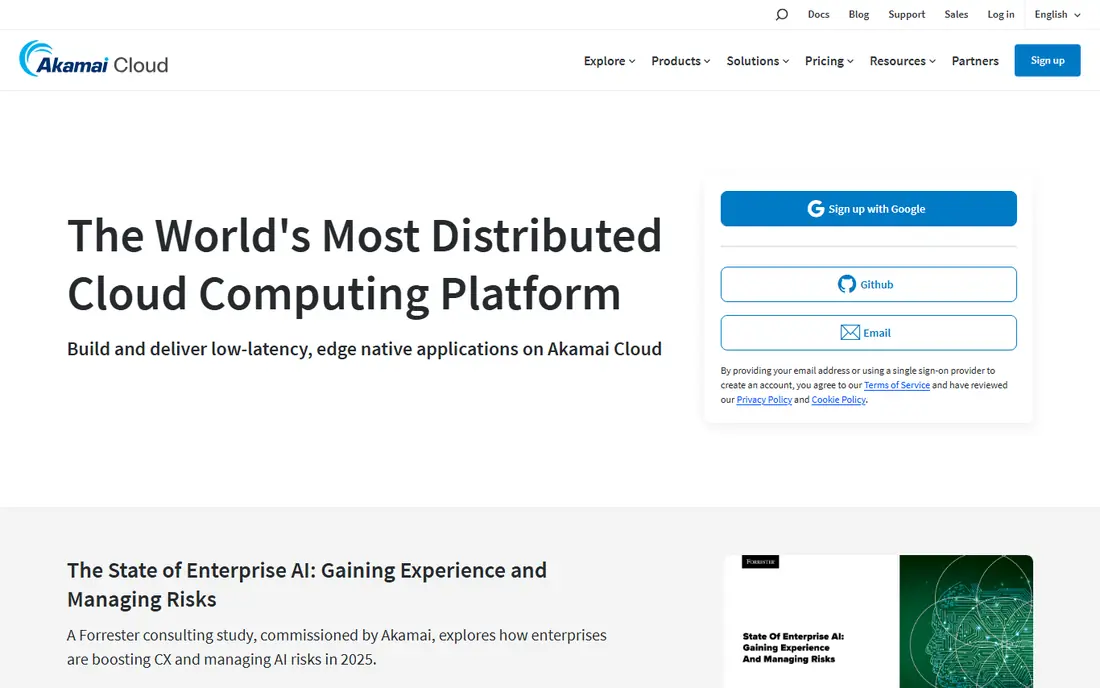
Linode, now part of Akamai, is a solid choice for buyers who want a dependable Linux VPS and a support team they can reach at any hour. The platform covers shared, dedicated, and high-memory plans, with a large library of guides for common setups. Entry shared plans start at 5 dollars per month in many listings, with larger 2 GB plans around 12 dollars per month.
The downside is polish. The control panel is capable but less beginner-friendly than DigitalOcean, and you still need Linux skills to run a server well. Backups are an add-on cost. We like Linode for developers and small businesses that value steady support and predictable pricing over the slickest dashboard.
- Long track record in VPS hosting
- 24/7 support reputation
- Predictable pricing
- Interface feels more technical than DigitalOcean
- Entry plans are small
- Backups cost extra
Hetzner is the value leader in this list for many workloads, especially in Europe. You often get more memory, NVMe storage, and included transfer per euro than at US-focused rivals, which makes it attractive for self-hosting, test servers, and cost-sensitive production work. Billing is hourly and capped monthly, so short tests do not cost a full month.
We list pricing as See website because Hetzner prices in euros, plans change by region, and the cheapest US plan differs sharply from the cheapest European plan. Check the exact plan, region, IPv4 inclusion, and VAT treatment for your location before you compare. Hetzner suits confident Linux users best; beginners may prefer DigitalOcean support and guides.
- Strong value on memory, storage, and transfer
- NVMe storage on many plans
- Hourly billing capped monthly
- Prices are in euros and vary by region
- US plans differ from European plans
- Support is ticket-based
Hostinger appeals to buyers who want a cheap start and a guided setup. The KVM 1 plan is listed at 6.49 dollars per month on a long upfront term, with NVMe storage and a larger memory allowance than some rivals at that price. A control panel and guided tools help beginners who are new to VPS management.
The catch is renewal pricing. That intro rate renews at a higher rate, reported around 11.99 dollars per month, so the long-term cost is not the headline price. Check the term, renewal rate, and what is included before you sign. Hostinger is a fair pick for a first VPS on a budget, as long as you buy with the renewal price in mind.
- Low introductory price
- NVMe storage
- Weekly backups on many plans
- Intro price requires a long term
- Renewal price is higher
- Support quality varies by issue
Kamatera suits a buyer who wants to size a server exactly, rather than pick from a fixed menu. You can adjust CPU, memory, storage, and operating system, and scale resources as a workload grows. Entry configurations start around 4 dollars per month in published comparisons, with a free trial available for testing.
The trade-off is that the bill depends on your choices, so two Kamatera servers with the same name can cost different amounts. The platform is less hand-holding than DigitalOcean, so you should be comfortable with server setup. We like Kamatera for developers and businesses with an unusual workload that does not fit a standard plan size.
- Highly configurable CPU, memory, and storage
- Many regions
- Pay for what you configure
- Pricing depends on configuration, so totals vary
- Interface is less guided
- Support tiers matter
OVHcloud is worth shortlisting for a public-facing site that needs protection from denial-of-service attacks without buying a separate service. Many VPS plans include anti-DDoS mitigation, and transfer is unlimited on many European and US plans, subject to fair-use and port speed limits. That combination is useful for sites that face regular bot traffic.
We list pricing as See website because OVHcloud prices vary by region, currency, and term, with the VPS-1 plan reported around 4.54 dollars per month on a 12-month upfront basis in the US. Check the port speed, transfer terms for your region, and backup inclusion before you buy. OVHcloud suits buyers who want protection and value and can manage a server themselves.
- Built-in anti-DDoS protection
- Unlimited transfer on many plans in Europe and the US
- Wide region choice
- Pricing varies by region and term
- Support experience varies
- Some plans have bandwidth limits in Asia-Pacific
Contabo stands out for storage-heavy workloads, such as file storage, backups, or media servers. Plans often include far more disk space per dollar than rivals, with unlimited transfer subject to fair use. That makes it a popular choice for self-hosters who need room to grow without a large bill.
The catches are speed and terms. Some plans use a 200 Mbit per second port, which is slower than the 1 Gbit ports offered elsewhere, and the lowest prices often require a longer term. We list pricing as See website because Contabo prices vary by term, currency, and plan. Check port speed, backup add-on cost, and renewal terms before you choose Contabo for a latency-sensitive site.
- Generous storage allowances
- Unlimited transfer subject to fair use
- Low monthly prices on longer terms
- Port speeds are lower on some plans
- Support and setup can be slower
- Pricing varies by term and region
How we picked these
We compared vendor pricing pages and published October 2026 price comparisons for VPS providers with a real US or European presence, root access, and monthly or hourly billing. We kept providers that offer a clear VPS product, not just shared hosting or a free tier with strict limits. We noted where prices vary by region, term, or currency, and used See website where a single headline price would mislead.
How to choose a VPS hosting company
Start with your workload and skill level. A static site or small app can run on a 1 GB or 2 GB plan, while a database-heavy app, a game server, or a busy store needs more memory and CPU. If you are new to Linux, pick a provider with strong guides and a clear panel, such as DigitalOcean or Linode, even if a cheaper provider looks tempting.
Next, compare the full bill. Add backups, snapshots, extra transfer, IPv4 charges where they apply, and control panel licenses. A 5 dollar server with 20 percent backup charges and a paid panel can cost more than a slightly dearer plan that includes what you need. Also check the region: a server close to your visitors helps speed, and data residency rules may limit where you can host.
Finally, test before you commit. Spin up the smallest plan that fits your workload, install your stack, run a load test, and try support with a real question. A provider that is easy to leave, with hourly billing and no long lock-in, is safer for a first VPS than a cheap plan that requires two years upfront.
Frequently asked questions
What is the best VPS hosting company for beginners?
DigitalOcean is the easiest starting point for most beginners, thanks to a clear panel and strong guides. Linode is also a good choice if you want a more traditional Linux host with 24/7 support.
What is the best VPS service for cheap hosting?
Hetzner and Contabo often give the most resources per dollar, especially in Europe, while Hostinger offers a low introductory price. Check renewal prices, region, and port speed before you judge on price alone.
How much RAM do I need on a VPS?
A small site or test app can run on 1 GB to 2 GB, while a busy app, database, or game server usually needs 4 GB or more. Start with 2 GB if you are unsure, and scale up if memory use stays high.
Is a VPS better than shared hosting?
A VPS gives you dedicated resources, root access, and isolation from other customers, which shared hosting does not. That control comes with responsibility: you must handle updates, security, and backups yourself unless you buy a managed plan.
Can I upgrade a VPS later?
Yes, most providers in this list let you resize a server to a larger plan, and some let you add CPU or memory separately. Check whether resizing needs a reboot or a migration, and take a snapshot before you change a production server.
Sources
See where you really rank - block by block
ProMapRanker scans Google Maps across a grid of your service area. Simple monthly plans from $19, white-label on every plan.
Start freeKeep reading
 zoho inventory alternatives
6 Alternatives to Zoho Inventory, Compared on Price and Fit
Zoho Inventory alternatives: 6 tools compared on price, free plans and fit. Katana leads the list for manufacturers. Fit and flaws are laid out for each entry.
Read → zoho crm alternatives
Best Zoho CRM Alternatives (2026)
Need Zoho CRM alternatives? We compare 7 tools on cost, free access and who each suits. Every pick gets a straight assessment. Built for quick decisions.
Read → zelle alternatives
Best Zelle Alternatives in 2026
Compare the best Zelle alternatives for sending money to friends, paying sellers and moving funds abroad, with honest notes on fees, speed and safety in 2026.
Read →