 ProMapRanker
Best UEBA Tools in 2026: 10 Tools Compared

Key takeaways
- UEBA, or user and entity behavior analytics, builds a baseline of normal activity and flags deviations that may signal insider risk or account compromise.
- Exabeam, Securonix, and Gurucul lead for behavior-first detection, while Microsoft Sentinel and Rapid7 suit teams that want UEBA inside a wider platform.
- Most UEBA pricing is quoted, because cost depends on users, data volume, retention, and deployment model.
- UEBA works best with clear privacy rules, data handling limits, and a human review step before any action against an employee.
- Standalone Splunk User Behavior Analytics reached end of sale in December 2025, so Splunk buyers should confirm the current Enterprise Security path.
Quick comparison
| Pick | Great for | Pricing starts at | Free tier | |
|---|---|---|---|---|
 Exabeam | Behavior-first detection | See website | No | Visit |
 Securonix | Cloud SIEM with UEBA at its core | See website | No | Visit |
 Gurucul | Risk-scored behavior analytics | See website | No | Visit |
 Microsoft Sentinel | Azure-centered security teams | See website | Free trial | Visit |
 Rapid7 Incident Command | Mid-maturity SOC teams | See website | No | Visit |
 Forcepoint UEBA | Data protection with behavior analytics | See website | No | Visit |
 Varonis | Data-centered behavior analytics | See website | No | Visit |
 Logpoint | Mid-market SIEM with native UEBA | See website | No | Visit |
 ManageEngine Log360 | Affordable SIEM with behavior analytics | See website | Free trial | Visit |
 DTEX Systems | Insider risk and endpoint behavior | See website | No | Visit |
The best UEBA tools
User and entity behavior analytics looks at how people and systems normally act, then highlights behavior that breaks the pattern. That can mean an account used at an odd hour, a large download, or a device that suddenly touches data it never touched before. We compared tools on detection quality, investigation workflow, privacy controls, and platform fit.
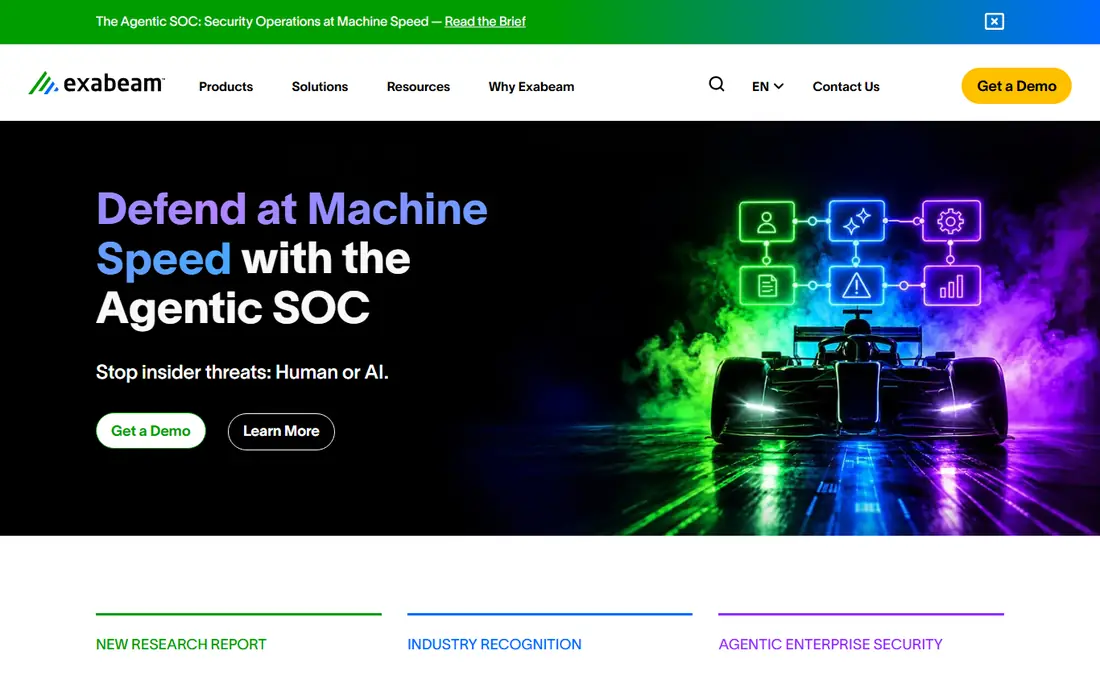
Exabeam is our pick for teams that want UEBA as the core, not an add-on. Its models build baselines for users and entities, then flag deviations and stitch events into timelines that analysts can follow. That timeline view matters during an incident, because it turns a pile of alerts into a story with a start, a middle, and a set of affected assets.
The cost is expertise and price. Exabeam is quote-based, and tuning baselines, data sources, and risk scores takes time. It suits a security operations team that already handles alerts daily and wants fewer false positives, not a team looking for a plug-and-play monitor. For behavior-first detection, Exabeam remains a strong benchmark.
- Behavior timelines that show what happened in order
- Machine learning baselines for users and entities
- Cloud and hybrid deployment
- Quote-based pricing
- Setup and tuning need skilled analysts
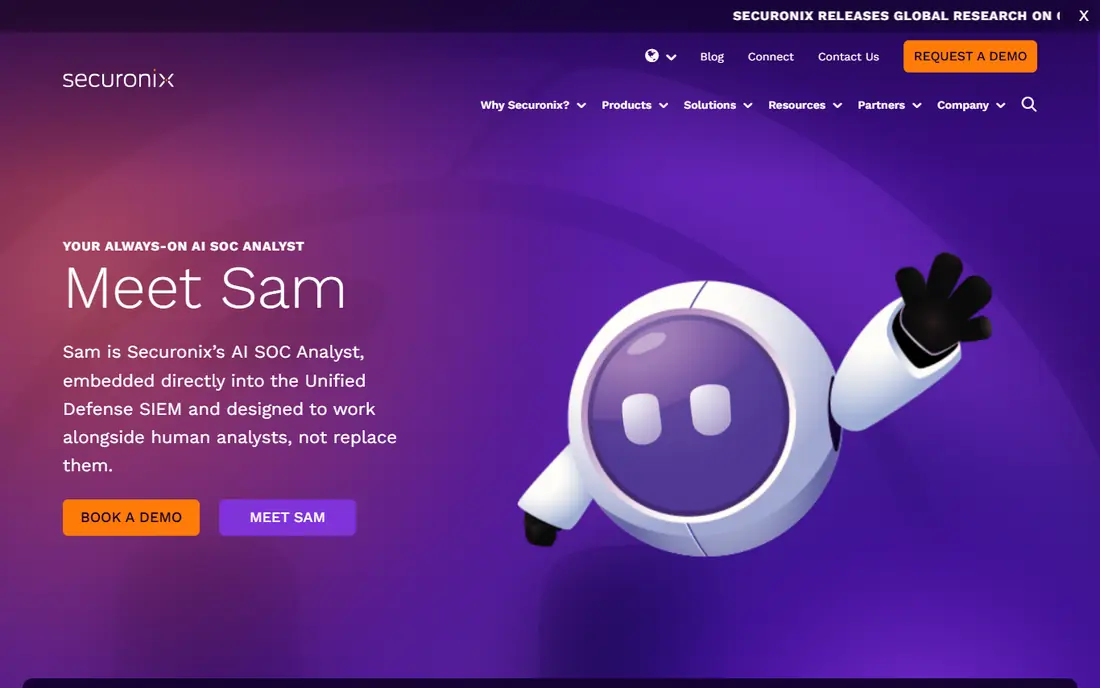
Securonix suits large teams that want SIEM, UEBA, orchestration, and threat intelligence in one cloud platform. Its analytics use machine learning to spot advanced threats and reduce noise, and its response tools help analysts act on a finding without switching consoles. For a team that already needs a SIEM, getting UEBA in the same product avoids a separate integration project.
The platform scope is also the drawback. Securonix is enterprise-priced and enterprise-sized, so a small security team may find it more than it needs. Ask for a sizing exercise based on your log volume and retention before you judge cost. If you want one cloud security operations platform with UEBA at its center, Securonix is a top candidate.
- UEBA built into a cloud SIEM
- Machine learning analytics
- Security orchestration and response in the same platform
- Quote-based pricing
- Large platform scope can be heavy for small teams
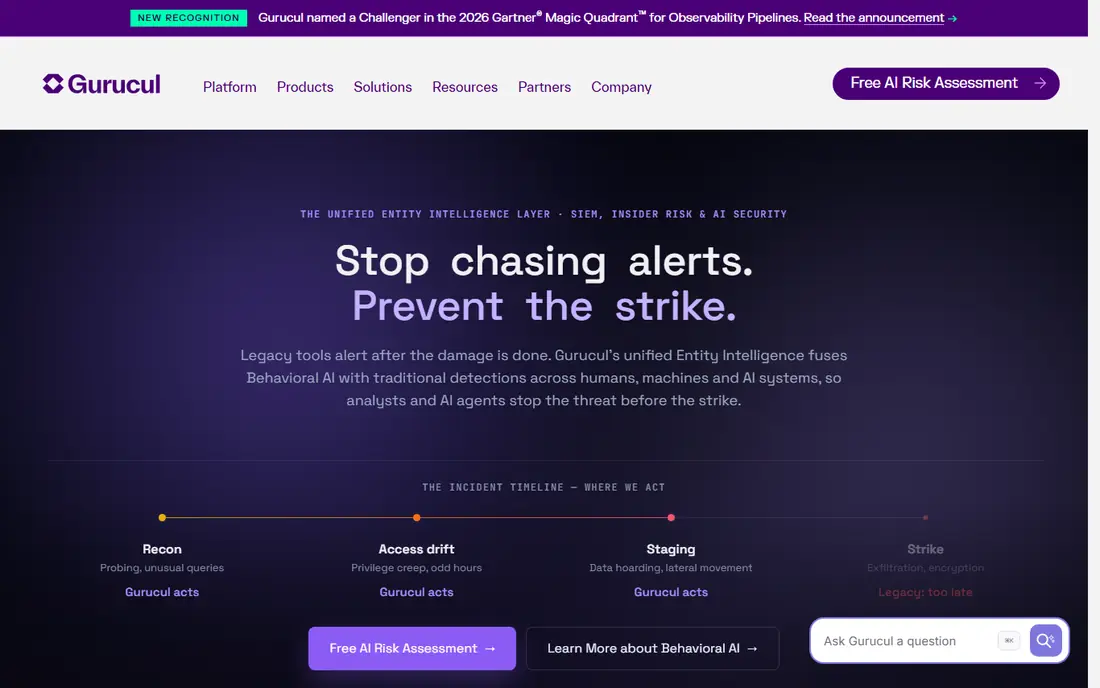
Gurucul stands out for how it scores risk. Instead of alerting on every anomaly, it weighs context to judge whether odd behavior is actually risky. That distinction helps analysts focus on the few cases that need action, rather than a long list of unusual but harmless events. Its platform ingests data from many sources, including identity, endpoint, and business systems.
Gurucul is an enterprise product, with quote-based pricing and a deployment that rewards experienced staff. It suits teams with insider risk, fraud, or privileged access concerns, where context matters more than raw alert volume. If your team drowns in alerts today, Gurucul's risk-first approach is worth a trial.
- Risk scoring that weighs context, not only anomalies
- Broad data ingestion
- Insider risk focus
- Quote-based pricing
- Deployment and tuning need experienced staff
Microsoft Sentinel is the natural UEBA choice for teams already centered on Azure and Microsoft 365. Its UEBA features build entity behavior profiles from Microsoft data and third-party logs, and they feed into investigations alongside Defender alerts. For a Microsoft shop, that integration removes a lot of data plumbing.
Pricing needs attention. Sentinel uses a consumption model based on data ingestion and retention, so a careless log plan can raise costs quickly. Set retention, filtering, and commitment tiers before you scale. Outside the Microsoft ecosystem, Sentinel still works, but its advantage narrows, and a platform-neutral tool may fit better.
- Built-in UEBA for Microsoft environments
- Cloud-native scale
- Ties to Defender and Microsoft 365 data
- Consumption-based pricing needs cost control
- Best value comes inside the Microsoft ecosystem
Rapid7 Incident Command, formerly InsightIDR, suits mid-maturity security teams that want detection, behavior analytics, and response without building a SIEM from parts. Its user and attacker behavior analytics flag anomalous accounts and lateral movement, and its cloud platform handles log search, correlation, and case management. That breadth helps a lean team cover more ground.
Pricing is asset-based and quoted, so model growth in servers, endpoints, and cloud accounts before you sign. Rapid7 is not the cheapest UEBA path, but it is a practical one for teams that want a managed detection platform with behavior analytics included. Check data caps and retention terms in the quote.
- User and attacker behavior analytics built in
- Detection and response in one cloud platform
- Asset-based pricing
- Quote-based pricing
- Asset growth can raise costs over time
Forcepoint UEBA suits teams whose main worry is data leaving the organization. Its behavior analytics sit next to data loss prevention, so an odd download or a risky transfer can be judged in context, not in isolation. That link helps when the risk is an employee moving sensitive files, rather than an external attacker alone.
Forcepoint is an enterprise, quote-based product, and its UEBA value is strongest when used with its wider data protection platform. A team that only needs UEBA may find a behavior-first vendor simpler. If data protection is already a Forcepoint program, adding its UEBA keeps policy and behavior in one place.
- Links behavior analytics to data loss prevention
- Insider risk focus
- Enterprise controls
- Quote-based pricing
- Value is strongest alongside Forcepoint data protection tools
Varonis suits teams that care most about who touches sensitive data. Its platform maps data access, flags abnormal file behavior, and helps teams fix overexposed permissions. That data-first view is different from a log-first SIEM, and it helps when the risk is a compromised account quietly reading files it should never see.
The scope can be large. Varonis needs to understand your file systems, cloud stores, and permissions before its behavior models are fully useful. That setup pays off for data-heavy organizations, but a small team with little unstructured data may not need it. For data-centered insider risk, Varonis is a strong specialist.
- Deep visibility into file and data access
- Behavior analytics tied to data risk
- Automated remediation options
- Quote-based pricing
- Deployment scope can be large for file-heavy estates
Logpoint suits mid-market teams, especially in Europe, that want a SIEM with UEBA without an enterprise price tag or a consumption surprise. Its node-based pricing gives a more predictable model than pure ingestion pricing for some estates, and it offers on-prem and cloud deployment. That flexibility helps teams with data residency or hybrid infrastructure needs.
Logpoint's ecosystem is smaller than Microsoft, Splunk, or Rapid7, so check integrations for your specific log sources before you commit. For a mid-sized security team that wants native UEBA in a manageable SIEM, Logpoint is a credible alternative to the largest vendors.
- Native UEBA in a converged SIEM
- Node-based pricing option
- On-prem and cloud deployment
- Smaller ecosystem than the largest SIEM vendors
- Quote-based pricing
ManageEngine Log360 suits smaller security teams and IT teams that need SIEM and behavior analytics at a lower entry cost. It collects logs, flags anomalous user behavior, and supports compliance reporting, all in a product that is easier to deploy than an enterprise SIEM. For a team moving from basic log collection to behavior-aware detection, Log360 is a practical step.
Its analytics depth does not match Exabeam or Gurucul for complex insider risk cases. Treat Log360 as a solid SIEM with useful behavior features, not as a dedicated UEBA specialist. If budget is tight and your log sources are common, Log360 offers good value for the price.
- SIEM with user behavior analytics
- Broad log source support
- Lower entry cost than enterprise SIEMs
- Analytics depth is lighter than behavior-first vendors
- Large estates need careful sizing
DTEX Systems suits large enterprises and government teams with a formal insider risk program. Its endpoint approach collects behavior data with a small footprint per device, which helps at very large scale. It pairs behavior analytics with data loss prevention and managed threat hunting options for teams that need support beyond software.
DTEX is enterprise-priced and enterprise-focused, so it is not a first UEBA tool for a small team. Its value shows when insider risk is a board-level concern and you need a program, not only alerts. Ask about privacy controls, employee notice rules, and data handling before deployment, because endpoint behavior data is sensitive.
- Endpoint behavior collection with low data volume per endpoint
- Insider risk focus
- Government and enterprise use
- Quote-based enterprise pricing
- Heavy enterprise focus can be overkill for small teams
How we picked these
We compared official vendor pages and public SIEM and UEBA comparisons, and we favored tools with a clear UEBA capability, not only a marketing claim. We excluded standalone Splunk User Behavior Analytics because it reached end of sale in December 2025, and we noted that Splunk buyers should confirm the current Enterprise Security path. We did not claim hands-on testing, and we wrote See website where pricing was quoted or varied by data volume.
How to choose a UEBA tool
Start with the risk you care about most. Insider data theft, compromised accounts, and privileged misuse need different data sources and different review processes. List the logs you already collect, including identity, endpoint, cloud, and data access logs, because UEBA is only as good as its inputs.
Set privacy and legal rules before you turn on monitoring. Tell staff what is monitored and why, limit who can see behavior data, and require human review before any employment action. Run a pilot on a small group, tune baselines for at least a few weeks, and measure false positives before you expand. A UEBA tool that alerts on everything will soon be ignored, which is worse than no tool at all.
Frequently asked questions
What is the best UEBA software?
Exabeam, Securonix, and Gurucul lead for behavior-first detection, while Microsoft Sentinel and Rapid7 lead for teams that want UEBA inside a wider platform. The best pick depends on your SIEM, your cloud footprint, and whether insider risk or account compromise is your main concern.
What is the best UEBA platform for a small team?
ManageEngine Log360 and Logpoint suit smaller teams better than enterprise UEBA specialists, because they bundle SIEM and behavior analytics at a lower entry cost. Start with a pilot, tune baselines, and expand only when false positives fall to a level your team can handle.
How does UEBA differ from a SIEM?
A SIEM collects and correlates logs and alerts on known rules, while UEBA builds baselines of normal behavior and flags deviations. Many modern SIEMs now include UEBA, so the choice is often whether to buy a behavior-first product or use the UEBA inside a SIEM you already own.
Does UEBA replace insider threat training and policy?
No. UEBA is a detection tool, not a policy. You still need clear acceptable-use rules, employee notice, access controls, and a human review process. A UEBA alert should start an investigation, not an automatic punishment, and legal and HR teams should agree on that process first.
How much does UEBA cost?
Most UEBA pricing is quoted, because it depends on users, endpoints, data volume, retention, and deployment. Ask each vendor for a quote based on the same sizing scenario, including retention and data caps, so you compare true annual totals rather than headline rates.
Sources
See where you really rank - block by block
ProMapRanker scans Google Maps across a grid of your service area. Simple monthly plans from $19, white-label on every plan.
Start freeKeep reading
 zscaler alternatives
Best Zscaler Alternatives in 2026
Looking for zscaler alternatives? We compare 9 SASE and zero trust platforms on architecture, data protection, pricing, and fit for your network and team.
Read → zapier alternatives free
Best Zapier Alternatives Free in 2026
Nine automation tools for zapier alternatives free in 2026, all with genuinely free tiers, plus free plan limits, starting prices and upgrade paths explained.
Read → which platform is best for online reputation
Which Platform Is Best for Online Reputation in 2026
Wondering which platform is best for online reputation? We compare 8 review, listing, and response tools for small and multi-location businesses and agencies.
Read →