 ProMapRanker
Best Trucking Management Software in 2026

Key takeaways
- Dispatch, compliance, and billing are different jobs, and the best tool depends on which of those three causes the most pain today.
- Telematics platforms suit fleets that need ELD, safety cameras, and tracking, while TMS tools suit carriers that need loads, invoices, and settlements.
- Contract length and hardware cost matter as much as the monthly price, especially for small fleets.
- A short pilot with real loads, drivers, and invoices reveals more than a sales demo.
Quick comparison
| Pick | Great for | Pricing starts at | Free tier | |
|---|---|---|---|---|
 Samsara | All-in-one fleet telematics | See website | No | Visit |
 Motive | ELD and safety for trucking fleets | See website | No | Visit |
 AscendTMS | Small carriers starting free | Free | Yes | Visit |
 Tailwind TMS | Carrier and broker hybrids | $99 per user per month | No | Visit |
 TruckLogics | Owner-operators and IFTA | $39.95 per month | No | Visit |
 TruckingOffice | Low-cost dispatch and records | $25 per month | Free trial | Visit |
 Rose Rocket | Mid-size carriers and brokers | See website | No | Visit |
 Truckbase | Growing asset carriers | $290 per month | No | Visit |
The best trucking management software
We compared telematics platforms and transportation management systems that are live in October 2026, using vendor pricing pages and product descriptions. Each tool below fits a different fleet size and operating style.
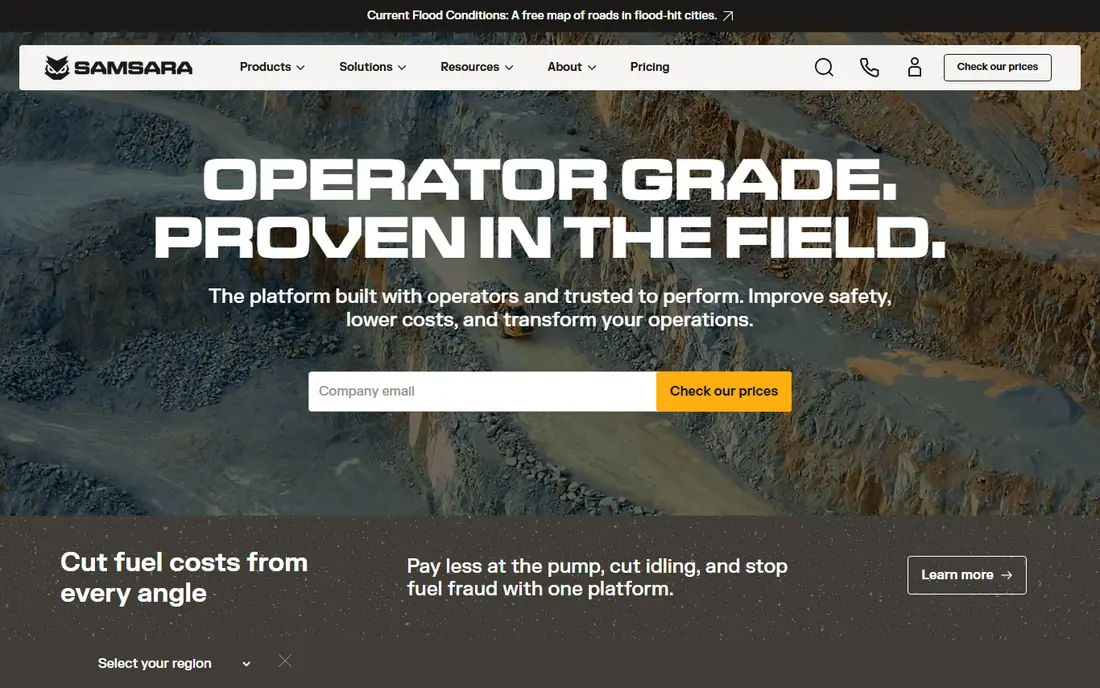
Samsara is the all-in-one choice for fleets that want tracking, compliance, safety, and maintenance under one login. Its dashboard brings vehicle location, electronic logging device data, dash cam events, and maintenance alerts together, which helps a safety manager spot a problem without checking three systems. AI dash cams can flag risky driving and give coaches a concrete event to discuss with a driver.
The cost and commitment are the drawbacks. Pricing is quoted, hardware is separate, and contracts are commonly multi-year, so a small fleet should get a full written quote before deciding. For a larger fleet that already needs cameras and compliance, the breadth can justify the price. For a handful of trucks that only need dispatch, it is more system than needed.
- GPS tracking, ELD, AI dash cams, and maintenance in one dashboard
- Strong safety coaching tools
- Quote-based pricing
- Contracts are often multi-year and hardware adds cost
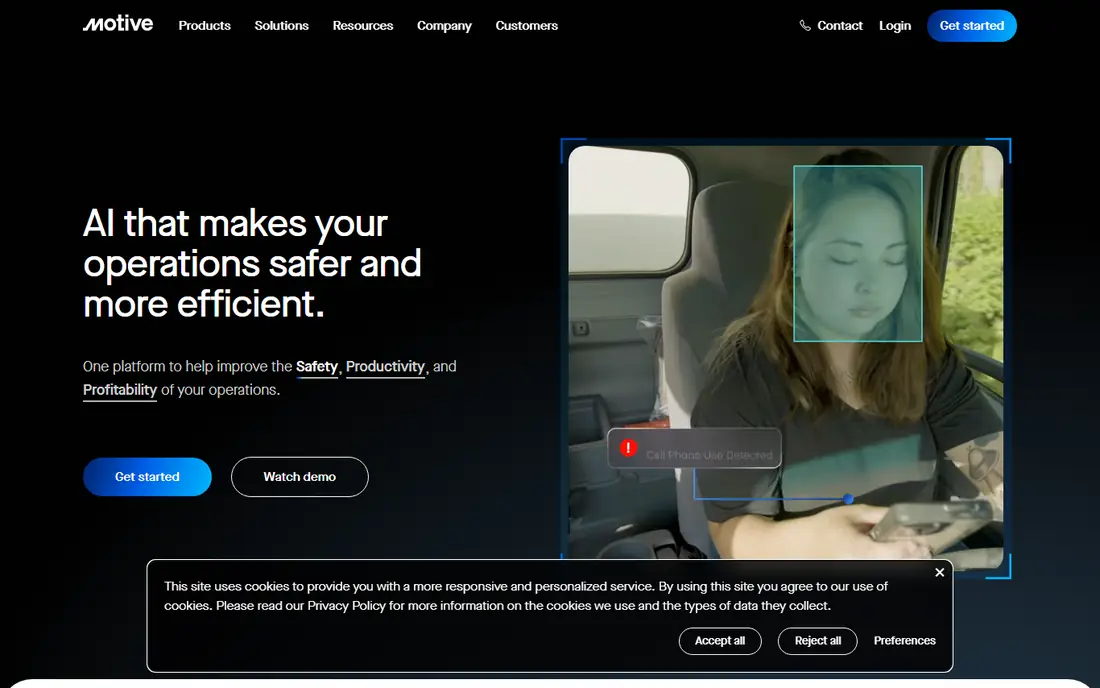
Motive, formerly KeepTruckin, is built first for trucking compliance, with ELD, hours of service, and driver logs at its centre. It adds GPS tracking, AI dash cams, and dispatch tools around that core, which suits a carrier that lives or dies by compliance and safety scores. Its driver app also keeps logs, documents, and messages in one place on the road.
Pricing is quoted rather than published as a single rate, and hardware adds an upfront cost on top of the monthly fee. Buyers should confirm the contract length, what is included in each tier, and whether dash cams and fuel tools are bundled or extra. For an ELD-first fleet, it is a strong, focused choice.
- ELD and hours-of-service compliance focus
- AI dash cam options
- Driver app and fleet card tools
- Quote-based pricing
- Hardware is a separate upfront cost
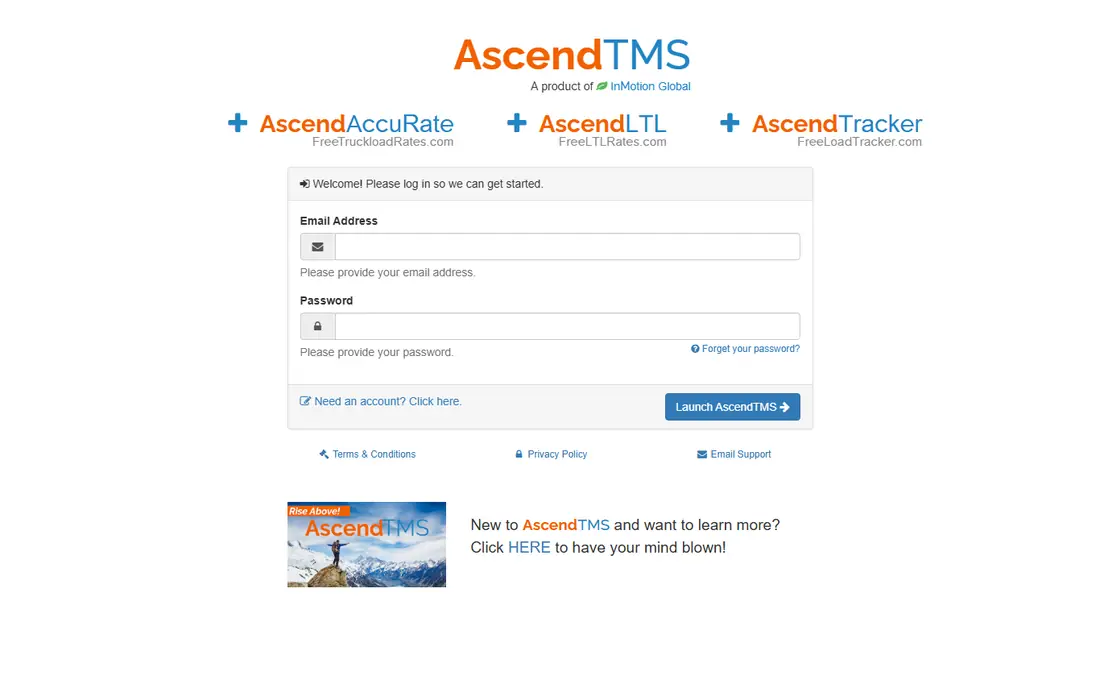
AscendTMS is the rare TMS with a free starting point, which makes it a sensible first step for a carrier moving off spreadsheets. The Basic plan covers shipment management for small teams, and paid plans add more users, features, and support. It also includes IFTA tools that pull fuel, route, and state data together, which saves time at tax filing.
The limit is scope. A larger carrier that needs deep accounting, settlements, and custom reporting will likely outgrow it, and some integrations are lighter than enterprise TMS tools. For a small carrier or a broker starting out, the free plan lets the team learn a real TMS workflow before paying.
- Free Basic plan for small teams
- Load management, documents, and IFTA tools
- No charge for drivers or trucks on some plans
- Limited depth for complex accounting
- Support and features scale with paid tiers
Tailwind TMS fits a business that runs its own trucks and also brokers overflow freight, because it handles both sides in one system. Dispatch, orders, bills of lading, invoices, and settlements sit together, so the office does not need to reconcile two tools at month end. That unity is valuable for a hybrid carrier with a lean back office.
Pricing is per user, starting at $99 per user per month on the Pro tier, so a team should count office seats carefully. Implementation also needs time to set up customers, carriers, rates, and accounting rules correctly. For a hybrid operation, the combined workflow often outweighs those costs.
- Dispatch, invoicing, receivables, and payables in one system
- Suits carrier and brokerage work together
- Per-user pricing can grow with office headcount
- Setup takes time for a complex operation
TruckLogics is built for owner-operators and small fleets that want dispatch, accounting, and IFTA without an enterprise price. Its published pricing starts at $39.95 per month for one or two trucks, with brackets for larger small fleets. That clarity helps a small carrier budget without a sales negotiation.
The trade-off is depth. It covers the core jobs well, but it does not match the custom workflows, integrations, and reporting of a mid-market TMS. A carrier that grows past its brackets should plan a migration path early, rather than stretching a small-fleet tool past its design.
- Clear bracket pricing by fleet size
- Strong IFTA and dispatch tools
- Driver app for documents
- Feature set is lighter than enterprise TMS tools
- Larger fleets move to custom quotes
TruckingOffice is a budget-friendly option for an owner-operator who needs dispatch, invoicing, and records in one place. Its Basic plan starts at $25 per month for one or two trucks, and it includes IFTA reporting that many small carriers need each quarter. The low price makes it easy to try without a large commitment.
The catch is that some features, including the fuller driver app experience, sit on higher plans. The interface is also more functional than polished, which may matter to a team that values a modern mobile workflow. For a cost-conscious small fleet, it remains a practical starting point.
- Low starting price for small fleets
- Dispatch, invoicing, and IFTA reporting
- Free trial without a card on some plans
- Driver app features sit on higher plans
- Interface feels simpler than modern TMS tools
Rose Rocket suits a mid-size carrier or broker that wants a modern system with customer and partner portals, real-time visibility, and configurable workflows. Its interface is cleaner than many legacy TMS tools, and its workflow builder lets an operations team adjust processes without waiting for custom development. Consolidated billing also helps a broker or carrier with repeat customers.
The platform fee, published as a starting point around $2,080 per month, puts it out of reach for a very small carrier. A fleet that needs deep driver settlements, match pay, and accrual accounting should test those workflows closely before committing, because Rose Rocket's strength is operations and customer experience rather than accounting depth.
- Modern interface and customer portals
- Configurable workflows
- Driver app and consolidated billing
- Platform fee is high for a small carrier
- Trucking accounting depth needs careful testing
Truckbase is designed for small to mid-size asset carriers that want dispatch automation without a legacy TMS project. It focuses on the daily work of assigning loads, tracking drivers, and keeping documents moving, with a driver experience that teams often praise. Setup is reported as faster than many rivals, which helps a growing fleet that cannot pause operations for months.
Pricing starts at $290 per month billed annually, but the final rate can depend on fleet size and scope, so a buyer should get a written quote. It also fits asset carriers better than pure brokers, so a brokerage-first business should check the workflow fit carefully. For a growing carrier, it is a modern middle ground.
- Dispatch automation for asset carriers
- Clean driver experience
- Quick setup reputation
- Pricing is consultative beyond the published minimum
- Final rate needs negotiation
How we picked these
We compared vendor pricing pages, product descriptions, and fleet software comparisons for tools live in October 2026, and we kept only tools that handle real trucking work, such as dispatch, ELD, or TMS workflows. We included both telematics and TMS tools because a fleet buyer often confuses the two, and we wrote See website where pricing is quote-based. Contract and hardware notes are included because they change the true cost.
Choosing the right trucking software
Start by naming the job that hurts most. If compliance, safety, and tracking cause the pain, a telematics platform such as Samsara or Motive fits better. If loads, invoices, driver pay, and IFTA cause the pain, a TMS such as Tailwind, TruckLogics, or AscendTMS fits better. Many fleets eventually need both, but buying the wrong one first wastes a year.
Next, run a pilot with real work. Give drivers the app, dispatch real loads, file a test IFTA report, and produce a real invoice and settlement. Check how the system handles a missed delivery, a document photo, and a driver change, because those edge cases decide whether the office trusts the tool. Also confirm contract length, hardware cost, and exit terms in writing.
Finally, plan training for drivers as carefully as for office staff. A system that drivers avoid will produce bad data, no matter how good the dashboard looks. Keep the driver workflow simple, explain what data is collected and why, and give drivers a quick way to report a problem from the road.
Frequently asked questions
What is the difference between a TMS and telematics software?
A TMS manages loads, dispatch, customers, invoices, and settlements, while telematics manages vehicles, location, ELD logs, and safety cameras. Some platforms do both, but most lean one way. A carrier often needs a TMS for the office and telematics for the trucks, with an integration between them.
Do I need ELD software if I run a small fleet?
In the United States, most commercial drivers who must keep hours-of-service records need a registered ELD, with limited exceptions. Check the current Federal Motor Carrier Safety Administration rules for your operation, because exemptions depend on vehicle type, distance, and driving pattern. Do not assume a small fleet is exempt.
How much should a small carrier budget for trucking software?
It varies widely, from a free TMS plan or $25 per month for a basic tool, to several hundred dollars per month for a TMS, plus telematics fees and hardware per truck. Get a written quote that includes hardware, implementation, and contract length, and compare the total over the full contract, not just the first month.
Can one tool handle dispatch, IFTA, and driver pay?
Some TMS tools handle all three for a small fleet, but larger fleets often split the work or add accounting software. Test IFTA reporting and driver settlements with your own data before buying, because a demo with clean sample data can hide gaps in tax, pay rules, and document handling.
Should drivers use their own phones or company devices?
Both approaches work, but each has trade-offs. Personal phones lower hardware cost and speed adoption, while company devices give the fleet control over apps, updates, and data. Agree a clear policy on data use, privacy, and what happens if a device is lost, and keep driver messaging inside the approved tool.
Sources
See where you really rank - block by block
ProMapRanker scans Google Maps across a grid of your service area. Simple monthly plans from $19, white-label on every plan.
Start freeKeep reading
 what’s the best risk software for enterprises
What Is the Best Risk Software for Enterprises in 2026
We compared what’s the best risk software for enterprises on risk registers, controls, third-party risk, and reporting, with pricing notes for large teams.
Read → what's the best pam software for enterprises
What is the Best PAM Software for Enterprises in 2026
Find what's the best pam software for enterprises, with vaulting, session recording, just in time access and pricing compared for large enterprise IT teams.
Read → what’s the best grc software
What Is the Best GRC Software in 2026
We compared what’s the best grc software on risk, compliance, audit and vendor risk, so teams can pick a platform that fits their frameworks and budget.
Read →