 ProMapRanker
Best Truck Driving Companies to Work in 2026

Key takeaways
- Schneider and J.B. Hunt suit drivers who want many freight types, dedicated routes and large support networks under one carrier.
- Roehl, Prime Inc and Swift are frequent starting points for new drivers because they offer structured training and clear entry routes.
- Maverick and Old Dominion appeal to drivers who want specialised freight or less-than-truckload work with more predictable schedules.
- Pay, home time and benefits vary by division, route and experience, so always confirm the exact offer for your licence, freight and home area.
Quick comparison
| Pick | Great for | Pricing starts at | Free tier | |
|---|---|---|---|---|
 Schneider | Variety of freight and routes | See website | No | Visit |
 J.B. Hunt | Dedicated and intermodal work | See website | No | Visit |
 Werner Enterprises | Large national carrier | See website | No | Visit |
 Swift Transportation | New driver entry | See website | No | Visit |
 Prime Inc. | Training and reefer work | See website | No | Visit |
 Roehl Transport | Paid CDL training routes | See website | No | Visit |
 Maverick Transportation | Flatbed and specialised freight | See website | No | Visit |
 Old Dominion Freight Line | Less-than-truckload work | See website | No | Visit |
 Crete Carrier | Over-the-road stability | See website | No | Visit |
The best truck driving companies to work
This guide is based on public reputation, services and driver-facing information, not a verified ranking. Companies change pay, routes and benefits by division, so use this list to shortlist and then confirm details with each recruiter.
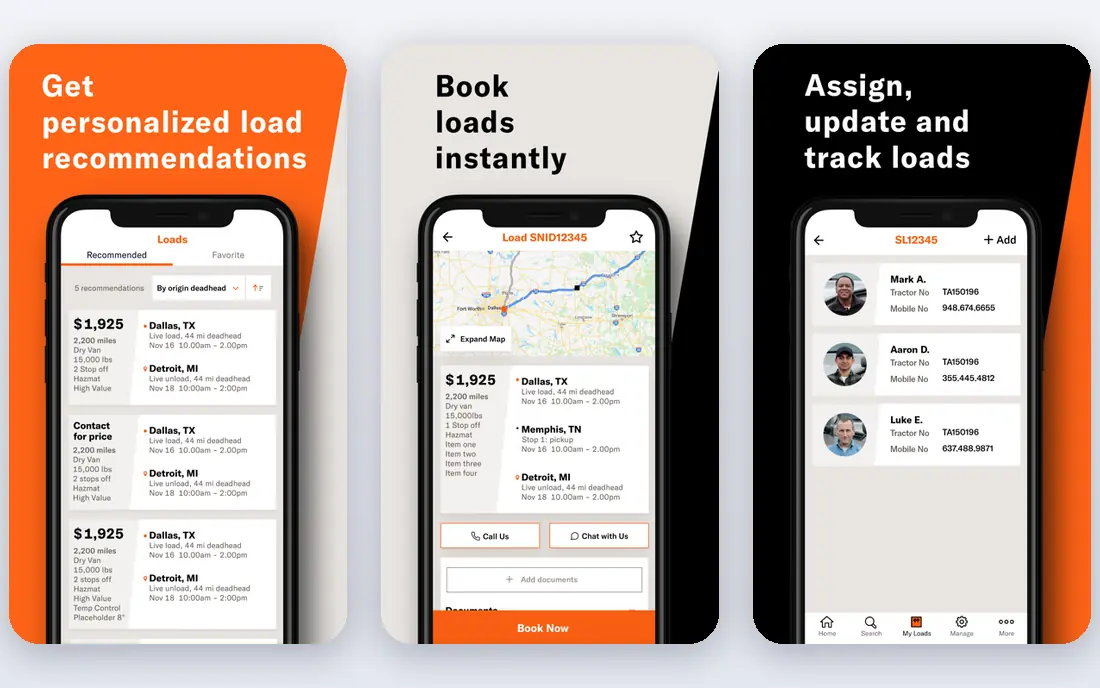
Schneider is one of the largest US carriers, and that scale gives drivers choice. You can move between over-the-road, regional, dedicated, tanker, flatbed and intermodal work, often without changing employer. For a driver who is unsure which freight suits them long term, that range is a real benefit.
The company is also widely noted for structured training and safety standards, which matters for new drivers and for drivers moving into tanker or specialised work. The catch is consistency: a large carrier runs many terminals and divisions, so home time, dispatch style and equipment can differ. Ask which division and terminal you would join, not just which company.
- Many divisions including van, tanker, flatbed and intermodal
- Large training and safety programme
- Dedicated route options
- Large-company systems can feel impersonal
- Experience varies by division and terminal
J.B. Hunt is best known for dedicated contract services and intermodal work, where a driver serves a set customer or route pattern rather than taking varied loads across the country. That model can mean more predictable schedules and home time, which many experienced drivers value over maximum miles.
The company also offers other driving roles, but dedicated accounts dominate its public driver offer. That means the quality of the job depends heavily on the specific account, its freight, its schedule and its location. Compare accounts side by side, and ask about weekly home time, weekend work and how freight changes across seasons.
- Strong dedicated and intermodal network
- Large customer base
- Varied driving jobs
- Many roles are regional or dedicated, so over-the-road choice is narrower
- Terms vary by account
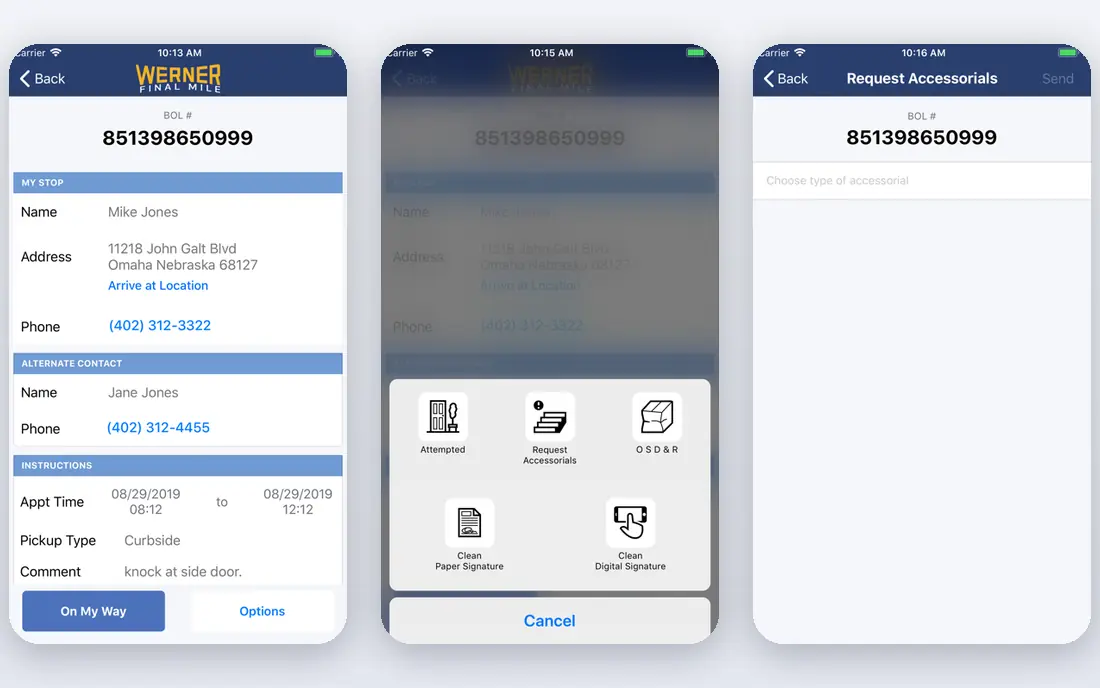
Werner runs a large national fleet with van, flatbed, temperature-controlled and dedicated divisions, so drivers can find work across much of the country. Its CDL school partnerships and paid orientation are often cited by new drivers, and the size of the network can help with route options as experience grows.
As with other mega-carriers, the day-to-day experience depends on division, dispatcher and freight. New drivers should ask about training length, mentor time, home-time policy and the freight they will actually haul in the first months. Werner suits drivers who want a large, stable employer and are comfortable with a structured, system-led operation.
- National freight network
- CDL school partnerships
- Varied divisions
- Large fleet experience can vary
- New-driver routes may involve more time away
Swift is one of the most common entry points for new CDL holders, largely because it hires at scale and runs many terminals. For a driver who needs a first job quickly after training, that hiring capacity matters, and the company offers a range of van and dedicated roles once you are in.
Driver opinion on Swift varies more than for most carriers in this list, often by terminal and division. That is a reason to speak to current drivers at your local terminal and to read the specific job offer carefully, including home time, pay structure and training terms. Swift is a practical starting carrier, not a guarantee of a particular lifestyle.
- Fast hiring process
- Large fleet and many terminals
- Training for new CDL holders
- Reputation varies widely by terminal
- High-volume operation can feel impersonal
Prime Inc. is well known for refrigerated freight and for a structured training pathway that takes new drivers from permit stage through to solo driving. That pathway appeals to people who do not yet hold a CDL and want one employer to handle training, mentoring and first solo work in sequence.
Reefer work itself needs thought. Temperature-controlled loads often involve strict appointment times, loading waits and night driving, which suit some drivers and frustrate others. Prime also offers lease options alongside company driving, and those carry very different financial risks, so compare company and lease terms separately and get the full contract in writing.
- Structured training pathway
- Strong refrigerated freight presence
- Lease and company options
- Training period is long for some drivers
- Reefer work involves appointment and waiting time
Roehl is frequently mentioned by new drivers because it offers a route into a CDL where the company pays for training, with a work commitment attached. That model helps people who cannot fund private CDL school, and Roehl pairs it with a safety programme that is widely noted in driver discussion. Van, flatbed and refrigerated fleets give some choice after training.
The key detail is the commitment. Understand how long you must stay, what happens if you leave early, and what pay and home time apply during and after training. If those terms suit you, Roehl is one of the cleaner entry routes in the industry. If you already hold a CDL, compare Roehl as an experienced-driver employer on freight and home time alone.
- Company-paid CDL training route
- Strong safety focus
- Varied van, flatbed and reefer work
- Training commitment terms apply
- Home-time options vary by fleet
Maverick focuses on flatbed, glass and specialised open-deck freight, which is a different job from dry van driving. Drivers secure loads, tarp in weather, and handle freight that needs care, and that skill set is valued in the market. For drivers who like physical, varied work and do not want only highway miles, Maverick is a strong specialist pick.
The trade-off is clear. Flatbed work is harder on the body, involves outdoor work in rain, heat and cold, and needs attention to load securement. Training helps, but the job still suits a particular temperament. Drivers who prefer drop-and-hook van work should not choose Maverick for pay alone; choose it for the freight type.
- Flatbed and glass specialisation
- Structured training
- Reputation for equipment care
- Flatbed work is physical and weather-exposed
- Not suited to drivers who want dry van only
Old Dominion is a major less-than-truckload carrier, where freight moves through terminals on set networks rather than as single full truckloads. That model often brings more predictable schedules, regular routes and home time for linehaul and pickup-and-delivery drivers, which is why it appears in many best-employer discussions.
Entry is less open than at starter carriers. Many Old Dominion roles suit experienced drivers, and the company offers CDL training in some locations, but availability varies. Compare linehaul, which often involves night driving between terminals, with pickup-and-delivery work, which involves many stops and customer contact, before you apply.
- Less-than-truckload network
- More predictable schedules for many roles
- Driver respect reputation
- Many roles need experience
- Linehaul and pickup work differ greatly
Crete Carrier, based in Nebraska, runs a national dry van network and is often cited for steady freight and a straightforward over-the-road operation. For a driver who wants consistent van miles without moving into specialised freight, Crete offers a simpler proposition than a carrier with many divisions.
That simplicity is also its limit. Drivers who want flatbed, tanker or dedicated customer work will find fewer options here than at Schneider or Werner. Crete suits drivers who value stability and a clear over-the-road routine, and who will check home-time patterns for their fleet before signing.
- Long-standing over-the-road carrier
- National van network
- Reputation for steady freight
- Fewer specialised divisions than larger rivals
- Home-time patterns vary by fleet
How we picked these
We compared public carrier information, driver-facing job pages and industry coverage of benefits, training and freight types in October 2026. We included large national carriers, a specialist flatbed carrier and a less-than-truckload carrier so different driving styles are covered. We did not rank companies by pay, because pay varies by division, route, experience and region, and any single figure would mislead readers.
Choosing a trucking company
Start with freight and home time, then look at pay structure. A high mileage rate means little if you sit waiting, get few miles, or spend weeks away when you need to be home. A lower headline rate on a dedicated route with steady miles and regular home time can be the better job for many drivers.
Decide your freight and route style first
Dry van, reefer, flatbed, tanker, intermodal and less-than-truckload work involve different skills, schedules and physical demands. Over-the-road, regional and dedicated roles also differ in home time. Pick the combination you can sustain for a year, not just the one that sounds best in a recruitment advert.
Read the training and contract terms in full
For new drivers, training length, mentor time, pay during training and any stay-or-pay commitment matter more than the brand name. For lease drivers, the contract, truck payment, maintenance and fuel terms matter more than any weekly gross figure quoted in an advert. Get terms in writing and ask what happens if freight slows.
Check benefits and support that affect daily life
Health cover, retirement matching, paid time off, rider and pet policies, equipment age and maintenance support all affect life on the road. Ask about terminal support, dispatch communication and how home time is requested and honoured. Speaking to drivers at your local terminal often reveals more than a national recruitment page.
Frequently asked questions
What are the best truck driving companies to work for as a new driver?
Schneider, Swift, Prime Inc. and Roehl are common new-driver starting points because they offer structured training and hiring at scale. Roehl also offers a company-paid CDL route, while Prime and Schneider offer clear training pathways. Compare training length and commitment terms before you choose.
Which is the best truck driving company to work for on home time?
Dedicated and less-than-truckload roles at J.B. Hunt and Old Dominion often offer more predictable home time than general over-the-road work. Home time still depends on the specific account, fleet and home location, so confirm the pattern for your role in writing.
What is the best paying trucking company?
There is no single answer, because pay depends on freight type, miles, route, experience and bonuses, and it changes over time. Specialised freight and dedicated accounts often pay differently from general van work. Compare the full offer for your division, including benefits and home time, rather than a single advertised figure.
Should a new driver choose a mega-carrier or a smaller company?
A mega-carrier offers training capacity, many divisions and national support, while a smaller company may offer closer relationships and steadier local work. New drivers often benefit from structured training at a larger carrier, then move to a smaller or specialised carrier once they have experience.
How do I compare trucking job offers fairly?
Compare freight type, route, home time, pay structure, benefits, training terms and equipment for the exact division you would join. Ask recruiters for written terms, speak to drivers at the same terminal, and check how pay is calculated, including miles, accessorial pay and bonus conditions.
Sources
See where you really rank - block by block
ProMapRanker scans Google Maps across a grid of your service area. Simple monthly plans from $19, white-label on every plan.
Start freeKeep reading
 zoho inventory alternatives
6 Alternatives to Zoho Inventory, Compared on Price and Fit
Zoho Inventory alternatives: 6 tools compared on price, free plans and fit. Katana leads the list for manufacturers. Fit and flaws are laid out for each entry.
Read → zoho crm alternatives
Best Zoho CRM Alternatives (2026)
Need Zoho CRM alternatives? We compare 7 tools on cost, free access and who each suits. Every pick gets a straight assessment. Built for quick decisions.
Read → zelle alternatives
Best Zelle Alternatives in 2026
Compare the best Zelle alternatives for sending money to friends, paying sellers and moving funds abroad, with honest notes on fees, speed and safety in 2026.
Read →