 ProMapRanker
Best Tree Identification App in 2026


Fast identification plus care detail · Pricing starts at: $29.99 per year
Key takeaways
- PictureThis is our pick for most people who want fast identification plus care and background detail.
- Seek by iNaturalist and PlantNet are the strongest free options, with community and science backing.
- LeafSnap is the most leaf focused choice, which helps when a tree has no flowers or fruit in view.
- No app is perfect on similar species, so check leaf arrangement, bark and range before you trust a single result.
- Never eat, touch or use a plant based only on an app result, and verify toxic or rare species with an expert source.
Quick comparison
| Pick | Great for | Pricing starts at | Free tier | |
|---|---|---|---|---|
| PictureThis | Fast identification plus care detail | $29.99 per year | Yes | Visit |
 Seek by iNaturalist | Free learning and challenges | Free | Yes | Visit |
 PlantNet | Free community science identification | Free | Yes | Visit |
 LeafSnap | Leaf focused tree identification | Free | Yes | Visit |
 PlantSnap | Simple photo identification | See website | Yes | Visit |
 Flora Incognita | Wild plant identification in Europe and beyond | Free | Yes | Visit |
 Plant Parent | Identification plus plant care reminders | See website | Yes | Visit |
 Blossom | Identification plus garden care | See website | Yes | Visit |
 Google Lens | Quick identification without a new app | Free | Yes | Visit |
The best tree identification apps
A good tree app turns a photo of a leaf, bark, flower or fruit into a likely species, plus enough detail to check the answer. We compared official app pages, pricing and public research on accuracy, and we kept only apps that are live in October 2026 and truly identify trees, not just houseplants. Use these apps for learning and curiosity, and treat any result about a toxic, edible or protected species as a starting point for expert verification.
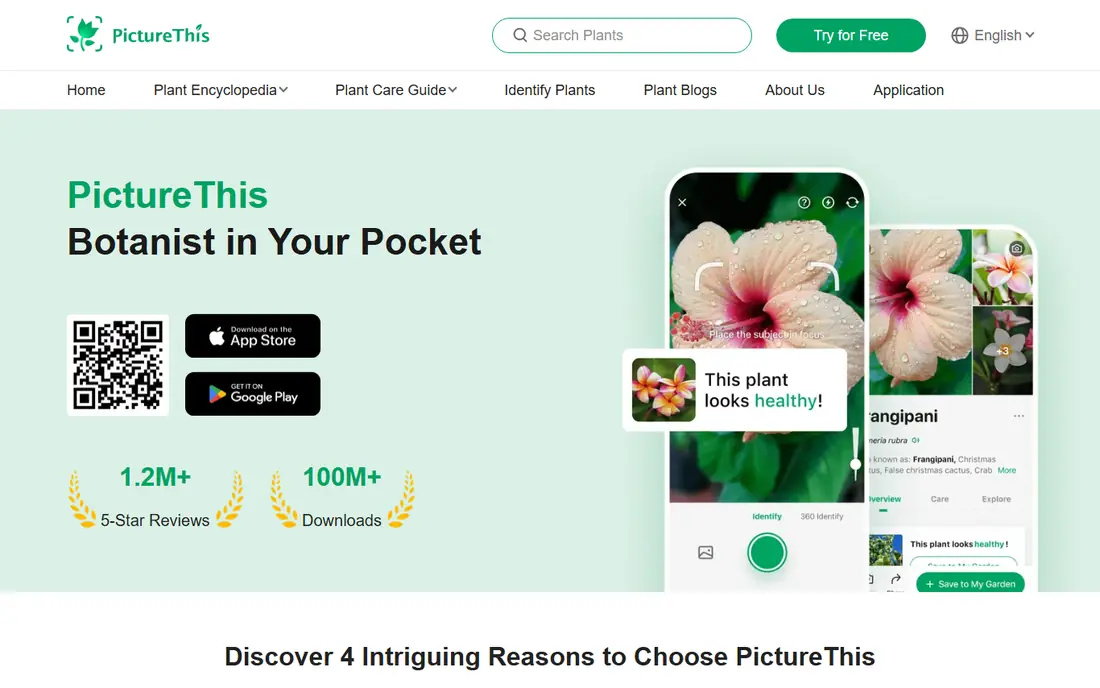
PictureThis is the easiest recommendation for most readers. Point the camera at a leaf or flower, and it usually returns a likely identification within seconds, with photos, descriptions and care notes. That speed matters on a walk, when you want an answer while the tree is still in front of you.
The paid plan is the catch. Free identification is available, but full features sit behind a subscription, so check what is included before you pay. For common trees, PictureThis is strong, but for close lookalikes such as similar maples or oaks, compare its result with leaf shape, bark and local range.
- Fast photo identification
- Rich species pages
- Disease and care guidance
- Paid plan needed for full features
- Paywall can interrupt free use
- Similar species can still confuse it
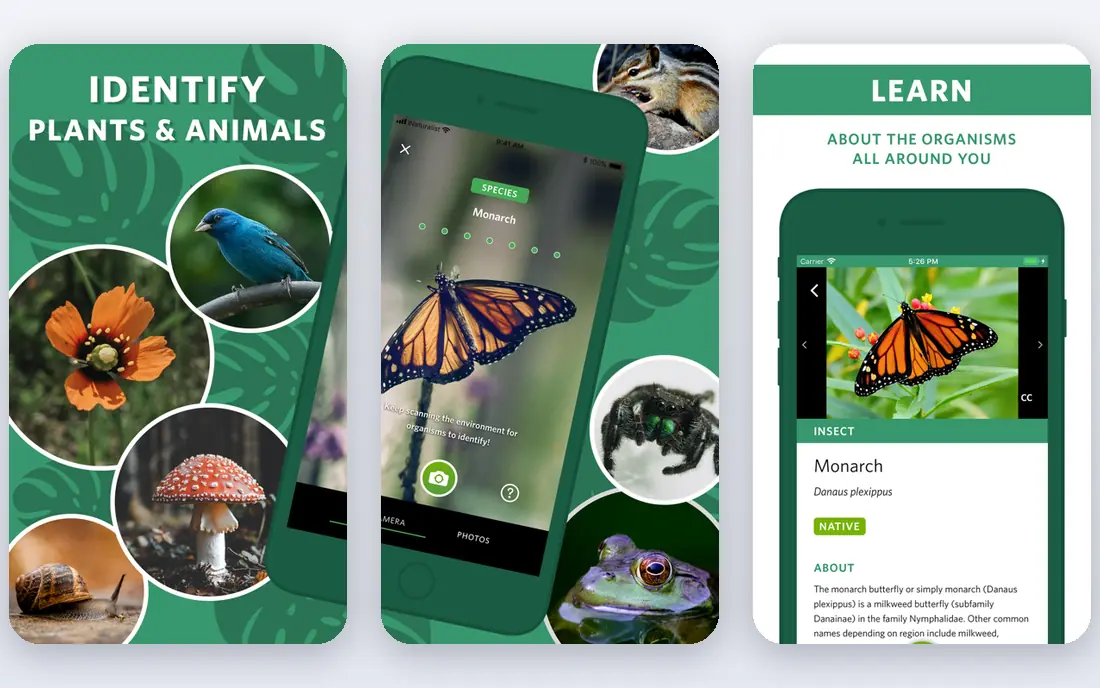
Seek turns identification into a low pressure learning game. You earn badges as you identify species, and the app draws on the wider iNaturalist community and data. For families, students and new naturalists, that mix of free access and encouragement is hard to beat.
Seek is less useful as a garden care tool, and it may give a genus rather than a firm species when photos are unclear. Treat a broad result as a clue, then take clearer photos of leaf, bark and overall shape for a second try.
- Completely free
- Camera based identification
- Challenges make learning fun
- Less detailed care guidance
- Identification can be broad
- Needs a connection for some features
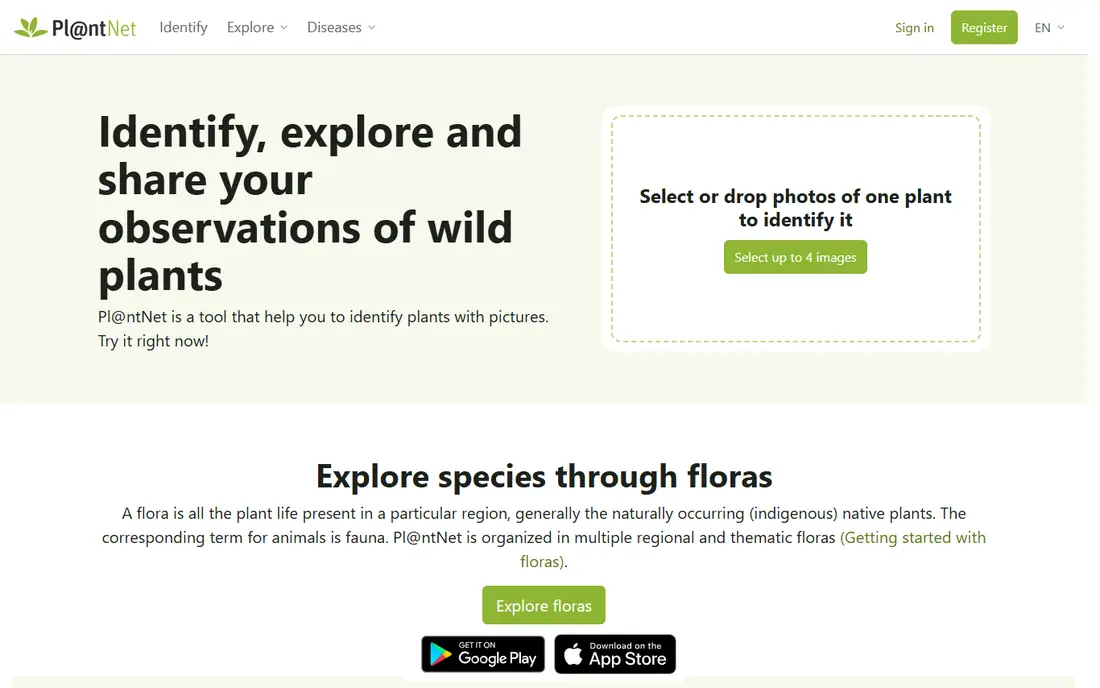
PlantNet is the pick for readers who value open science over polish. It is free, it covers a large range of plants worldwide, and observations can contribute to research databases. For trees outside gardens and parks, that global coverage is a real advantage.
The interface feels more like a field tool than a consumer app, and species pages are less focused on garden care. If you want a free, honest identification and you are happy to do a little checking yourself, PlantNet is an excellent choice.
- Free with no paywall for core identification
- Large global database
- Observations support research
- Interface is more scientific than polished
- Results depend on photo quality
- Less care content
LeafSnap was built for the classic problem, you have a leaf and no flower, fruit or name. Its database and leaf focused flow make it a natural second app when a general plant app gives a vague answer. Care guides and a plant journal add value for gardeners who want to track trees over time.
A leaf alone is not always enough. Arrangement on the stem, bark, buds and overall form can separate species that share similar leaves. Photograph more than one part of the tree when you can, and use LeafSnap as part of a check, not as a final verdict.
- Built around leaf identification
- Large species database
- Care guides and journal tools
- Leaf only photos can miss key clues
- Ads and paid options in app
- Accuracy claims vary by species
PlantSnap is easy to use, which explains its long popularity. You take a photo, get a match, and read basic information without learning botanical terms. For casual curiosity on a walk, that simplicity is enough.
Published accuracy tests have put PlantSnap behind PictureThis and LeafSnap for species level identification, so we would not rely on it alone for similar species or for any safety related question. Use it as a first guess, then confirm with PictureThis, PlantNet or a field guide.
- Simple snap and identify flow
- Broad plant coverage
- Suitable for beginners
- Species accuracy is weaker than leaders in published tests
- Paid options for full use
- Less community verification
Flora Incognita comes from a research background, and it shows in its focus on wild plants rather than garden varieties. If you walk in woods, meadows and nature reserves, especially in Europe, it is a strong free companion. Its identification flow asks for useful details beyond a single photo.
For US garden trees, coverage is less complete than the leaders here, so results may be broader. Pair it with PlantNet or Seek when you travel, and keep it as a specialist tool rather than your only app.
- Free
- Research backed
- Strong for wild species
- Offline friendly features in some areas
- Strongest coverage in its home regions
- Less garden care content
- Smaller US focused database
Plant Parent fits gardeners who identify a tree and then want to look after it. After identification, you can set watering and care reminders and check for common disease signs. That follow through is useful for young trees and for trees you have planted yourself.
For wild tree identification, it is less specialised than LeafSnap or PlantNet. Use Plant Parent when the tree is yours to care for, and use a dedicated identification app when the question is simply what species is this.
- Identification plus watering reminders
- Disease checks
- Care schedules
- Care focus suits garden plants more than wild trees
- Paid plan for full features
- Identification is one feature among many
Blossom follows a similar garden first model to Plant Parent. Identification is quick, and the app then helps with watering schedules and plant health checks. For readers who manage a garden and want one app for identification and care, that combination is convenient.
The same limit applies. Blossom is not the strongest choice for wild trees or for close species pairs. Check its result against leaf arrangement and bark, and keep a field guide or PlantNet handy for tricky trees.
- Photo identification
- Watering reminders
- Disease identification tools
- Paid plan for full features
- Garden focus
- Similar species need extra checking
Google Lens is the no install option. Point it at a leaf or tree, and visual search often returns a likely species plus web pages to check. For a one off question, that is often enough, and it costs nothing extra.
Lens is a general visual search tool, not a botanical app. Results can include shopping pages and unrelated plants, and there is no care plan or identification history. Use it for a fast first guess, then confirm with PictureThis, PlantNet or Seek when the answer matters.
- Already on many phones
- No new account needed
- Fast visual search
- Not built for trees
- Results can be broad or commercial
- No care or journal tools
How we picked these
We compared official app pages, pricing, store listings and published accuracy research, and we kept only apps live in October 2026 that identify trees from photos. We favoured apps with clear free options, honest limits and useful species detail, and we included both free science backed tools and paid consumer apps so readers can choose by budget and use.
How to get a reliable tree identification
Take more than one photo. A clear leaf photo, a bark close up, a photo of leaf arrangement on the stem, and a wider shot of the tree together give any app a much better chance. Avoid blurry, shaded or single leaf photos when you can, and note the location and season, since range and leaf state narrow the options.
Check the answer, do not just accept it. Compare the suggested species with photos of leaves, bark and fruit, check whether it grows in your area, and try a second app for close matches. If two apps disagree, a local field guide, a university extension page or a naturalist group is a better tie breaker than a third guess from the same photo.
Frequently asked questions
What is the best app for identifying trees?
PictureThis is our pick for most people, thanks to speed and detail. Seek by iNaturalist and PlantNet are the best free options, and LeafSnap is the best leaf focused choice.
What are the best tree identification apps that are free?
Seek by iNaturalist, PlantNet and Flora Incognita offer free core identification. LeafSnap and Google Lens are also free to start, though some features and full access may involve paid options or ads.
What is the best app to identify trees by leaves?
LeafSnap is built for leaf identification, while PictureThis and PlantNet also handle leaf photos well. Photograph the leaf, its arrangement and the bark for the best result.
Can tree apps identify trees from bark alone?
Bark photos are much less reliable than leaf photos, and most apps do better with leaves, flowers or fruit. Use bark as supporting evidence, not as the only photo, and check the result against a guide.
Are tree identification apps accurate?
They are often accurate to genus for common trees, and less reliable to species for close lookalikes. Accuracy depends on photo quality, season and region, so verify important results with a second source.
Can I use a tree app to tell if a plant is safe to eat?
No. Never eat, use or handle a plant based only on an app result. Some lookalikes are toxic, and app errors can have serious consequences, so verify with an expert before any use.
Sources
See where you really rank - block by block
ProMapRanker scans Google Maps across a grid of your service area. Simple monthly plans from $19, white-label on every plan.
Start freeKeep reading
 zscaler alternatives
Best Zscaler Alternatives in 2026
Looking for zscaler alternatives? We compare 9 SASE and zero trust platforms on architecture, data protection, pricing, and fit for your network and team.
Read → zapier alternatives free
Best Zapier Alternatives Free in 2026
Nine automation tools for zapier alternatives free in 2026, all with genuinely free tiers, plus free plan limits, starting prices and upgrade paths explained.
Read → which platform is best for online reputation
Which Platform Is Best for Online Reputation in 2026
Wondering which platform is best for online reputation? We compare 8 review, listing, and response tools for small and multi-location businesses and agencies.
Read →