 ProMapRanker
Best Tools for Scaling Content in 2026


Brand-consistent AI drafting at scale · Pricing starts at: $59 per seat per month
Key takeaways
- Scaling content means fixing a bottleneck, and drafting, optimization, and publishing are different bottlenecks with different tools.
- Jasper and Surfer pair well, since one speeds drafting and the other scores drafts against search results.
- StoryChief and Contentful help teams publish across channels and sites without copying work by hand.
- Human review stays essential, since high output without fact checks and original value can harm search performance.
Quick comparison
| Pick | Great for | Pricing starts at | Free tier | |
|---|---|---|---|---|
| Jasper | Brand-consistent AI drafting at scale | $59 per seat per month | Free trial | Visit |
 Surfer | Scoring and optimizing drafts | $49 per month | No | Visit |
 StoryChief | Brief to multichannel publishing | $59 per month | Free trial | Visit |
 Contentful | Omnichannel content platform | $300 per month | Free trial | Visit |
 Copy.ai | Workflow-based content creation | See website | No | Visit |
 HubSpot Content Hub | CRM-connected content | See website | Free trial | Visit |
 Frase | Research, briefs, and drafts on a budget | $39 per month | Free trial | Visit |
 MarketMuse | Topic planning and content strategy | $149 per month | Yes | Visit |
The best tools for scaling content
We compared drafting, optimization, planning, and publishing tools that help a team produce more useful content without losing quality or brand consistency.
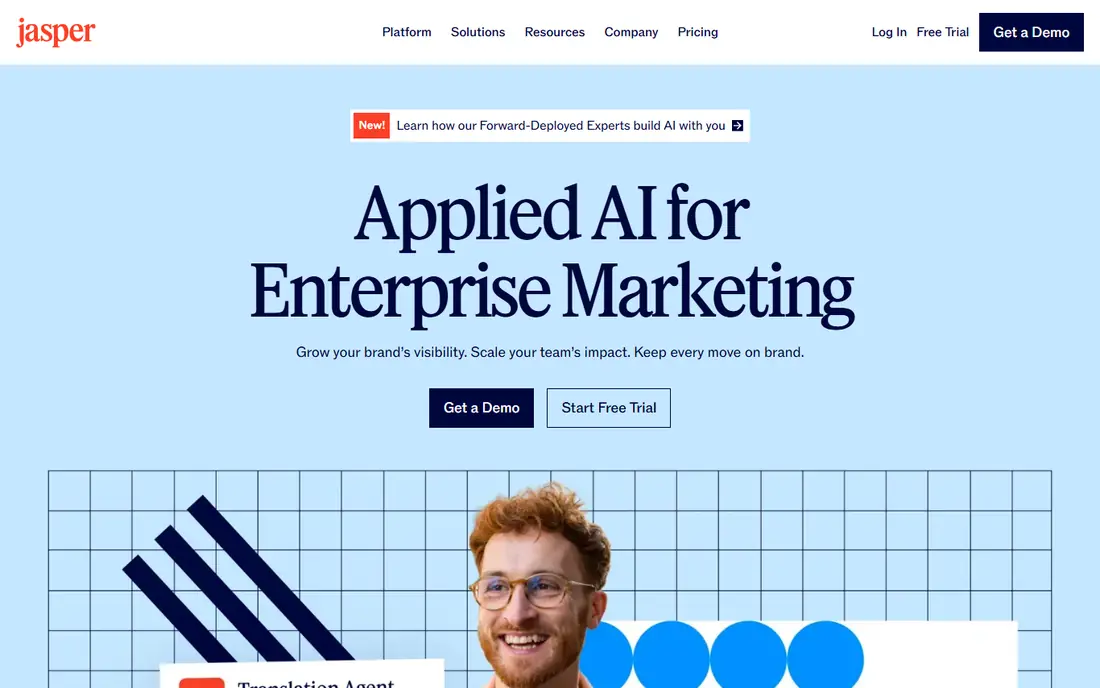
Jasper has grown from a writing assistant into a platform for marketing teams that need steady output. Its brand voice system stores style guides and product knowledge, then applies them across drafts so a larger team sounds more consistent. Workflow agents can run repeatable jobs such as campaign drafts and repurposing.
The cost model deserves care. Per-seat pricing means a growing team pays more with each hire, and the deeper automation sits on business tiers. For a team that publishes often and needs brand control, the time saved can justify it. For occasional drafting, a general chatbot may be enough.
- Brand voice memory across outputs
- Workflow agents for campaigns
- Broad template and integration range
- Per-seat pricing adds up fast
- Strongest features sit on higher tiers
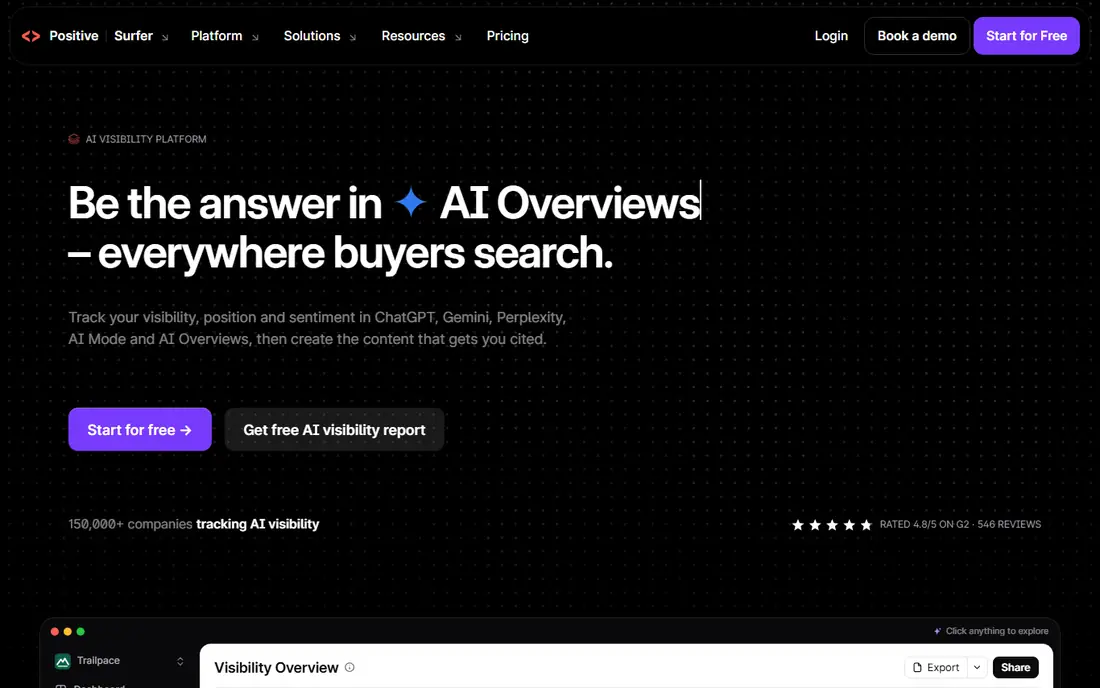
Surfer answers a different question from Jasper: not how fast can we draft, but how well does this draft match what already ranks. Its Content Editor scores a draft on terms, structure, and length against live search results, and writers can see what to add or trim. That feedback loop helps a team improve output without guessing.
Surfer does not replace research or editing. A high score does not guarantee a ranking, and facts still need checking. Used as a quality gate before publishing, it is one of the most practical tools for scaling search content.
- Live content scoring against search results
- Clear briefs for writers
- Audit tools for older pages
- A score is guidance, not a ranking promise
- Annual credits need planning

StoryChief targets the messy middle of content work: briefs, approvals, and publishing across channels. A team can plan a piece, write it, get approval, and send it to a blog, social channels, and other destinations without retyping it in each app. That single workflow is where scaling gains often come from.
It is not the deepest SEO optimizer, so pair it with Surfer or Frase for search-focused pieces. For teams whose bottleneck is coordination and distribution rather than drafting, StoryChief removes a real source of delay.
- One workflow from brief to publishing
- Multichannel distribution
- Editorial calendar in one place
- Fewer deep SEO features than Surfer
- Pricing rises with seats and channels
Contentful is a content platform rather than a writing tool. It stores structured content once, then delivers it to websites, apps, and other channels through APIs. That structure helps larger teams reuse content, keep messaging consistent, and publish across properties without duplicating work.
The entry price and setup effort put it out of reach for most solo creators. It fits teams with developers and editors who manage several channels and need a shared source of truth. Smaller teams should look at StoryChief or HubSpot first.
- Structured content for web, apps, and other channels
- Strong API and integrations
- Built for larger teams
- High entry price
- Needs technical setup and governance
Copy.ai focuses on repeatable workflows, so a team can turn a brief or a product update into several pieces of content through a set workflow. That repeatability helps go-to-market teams that produce similar content each week, such as launch posts, emails, and social copy.
As with any AI drafting tool, the output needs a human pass for accuracy, tone, and original insight. Copy.ai works best when the workflow is narrow and the review step is fixed. Broad, unfocused generation tends to produce generic copy that needs heavy editing.
- Workflow automation for sales and marketing content
- Templates for repeatable jobs
- Team sharing
- Pricing and plan details change often
- Output still needs editing
HubSpot Content Hub suits teams that already run marketing inside HubSpot. Blog posts, landing pages, and campaigns sit next to contact records, so a team can see which content supports leads and deals. Built-in SEO recommendations and reporting reduce the need for separate tools.
The catch is ecosystem lock-in and price growth. Teams outside HubSpot may find a standalone CMS plus Surfer cheaper. Teams already paying for HubSpot, though, often find Content Hub the simplest way to scale publishing without adding another platform.
- Content tied to CRM and campaigns
- Hosting, SEO tools, and reporting in one system
- Good for lead-focused teams
- Cost grows with hubs and contacts
- Best value inside the HubSpot ecosystem
Frase packs research, briefs, drafting help, and optimization into one budget-friendly tool. A writer can study top results, build a brief, draft with AI help, and score the result without switching apps. Its decay monitoring also flags older pages that have slipped, which helps a team maintain output, not just add to it.
Starter caps matter. Ten articles a month and one seat suit a solo writer or a small blog, but a growing team will need a higher tier. For a small team that wants one tool to cover the full article loop, Frase is strong value.
- SERP research and briefs in one tool
- Content scoring and decay alerts
- Lower entry price than rivals
- Monthly article caps on Starter
- One seat on the entry plan
MarketMuse works one level above drafting. It analyzes a site against competitors, finds topic gaps, and prioritizes the content most likely to build authority. That planning layer stops a team from scaling the wrong content, which is a common failure when volume becomes the goal.
It is not a cheap drafting tool, and its free plan is limited to a small number of queries per month. Use it to decide what to write, then draft and optimize in Jasper, Frase, or Surfer. For teams with an existing library to grow, that planning step pays for itself.
- Topic authority and gap analysis
- Content briefs tied to strategy
- Free plan for light use
- Higher price for small teams
- Strategy focus, not a drafting tool
How we picked these
We compared official pricing pages, product documentation, and public reviews, and we favored tools with current availability in October 2026 and a clear role in drafting, optimization, planning, or publishing. We kept prices from vendor pages where verified, and we wrote See website where pricing was unclear or changed across sources. We did not treat AI output as a substitute for editing, and we favored tools that support a review step.
How to scale without losing quality
Fix one bottleneck at a time. If drafting is slow, add Jasper or Frase. If drafts do not rank, add Surfer. If publishing and approvals are slow, add StoryChief. Adding all three at once often creates more process than output.
Set a review rule before you scale volume. Every piece needs a fact check, an original angle, and a reason to exist beyond filling a calendar. Search guidance warns that large volumes of low-value pages can harm performance, so publish fewer, better pieces when in doubt. Pilot any new tool for one month on real work before adding a second one. Track drafts published, time saved per piece, and how many pieces needed major edits after review. If a tool saves drafting time but doubles editing time, it has not helped. Keep the winning workflow, drop the rest, and revisit the stack each quarter as team size and output change.
Frequently asked questions
What is the best tool for scaling content?
It depends on your bottleneck. Jasper helps drafting speed, Surfer helps optimization, StoryChief helps publishing, and MarketMuse helps planning. Most teams end up with two or three tools, one per layer.
Can AI tools replace writers?
No. AI tools speed drafting and research, but facts, original insight, and brand judgment still need people. Treat AI output as a first draft, and keep a human editor in the loop.
How much does it cost to scale content with tools?
A small team can start with Frase at 39 dollars a month plus Surfer at 49 dollars a month. Larger teams add Jasper seats and a publishing platform, which can push monthly costs well above 200 dollars.
Is publishing more content always better?
No. Publishing many thin pages can hurt search performance and waste review time. Focus on useful, original pieces that answer real questions, and update older winners alongside new posts.
Should a small team use Contentful?
Usually not at first. Contentful fits larger teams with developers and several channels. A small team gets more value from StoryChief or HubSpot Content Hub, which need less technical setup.
Sources
See where you really rank - block by block
ProMapRanker scans Google Maps across a grid of your service area. Simple monthly plans from $19, white-label on every plan.
Start freeKeep reading
 zscaler alternatives
Best Zscaler Alternatives in 2026
Looking for zscaler alternatives? We compare 9 SASE and zero trust platforms on architecture, data protection, pricing, and fit for your network and team.
Read → zapier alternatives free
Best Zapier Alternatives Free in 2026
Nine automation tools for zapier alternatives free in 2026, all with genuinely free tiers, plus free plan limits, starting prices and upgrade paths explained.
Read → which platform is best for online reputation
Which Platform Is Best for Online Reputation in 2026
Wondering which platform is best for online reputation? We compare 8 review, listing, and response tools for small and multi-location businesses and agencies.
Read →