 ProMapRanker
Best Tools for Entity Optimization in 2026


Entity based internal linking and schema · Pricing starts at: $49 per month
Key takeaways
- InLinks is the closest match to pure entity work, with a knowledge graph, schema output and automated internal links.
- WordLift and Schema App suit teams that want structured data and a connected view of topics across a site.
- Surfer, Frase, Clearscope and NeuronWriter are stronger for page level coverage, while MarketMuse is stronger for site level planning.
- Prices range from free starting tiers to more than $100 per month, and most limits are set by pages, documents or queries, not by seats alone.
- No score proves a ranking gain on its own, so check a small set of pages in Search Console before expanding a subscription.
Quick comparison
| Pick | Great for | Pricing starts at | Free tier | |
|---|---|---|---|---|
| InLinks | Entity based internal linking and schema | $49 per month | Yes | Visit |
 WordLift | Knowledge graphs for larger publishers | See website | No | Visit |
 Schema App | Valid and maintained schema markup | See website | No | Visit |
 Surfer | Live scoring while drafting | $49 per month | No | Visit |
 Frase | Research to brief to draft in one place | $49 per month | No | Visit |
 Clearscope | Editorial teams that share drafting standards | $129 per month | No | Visit |
 MarketMuse | Site wide topic authority planning | Free | Yes | Visit |
 NeuronWriter | Low cost semantic optimization | $23 per month | No | Visit |
 Topic Mojo | Topic, question and trend research | Free | Yes | Visit |
The best tools for entity optimization
Entity optimization is about helping search engines grasp what a page is about, how it relates to other pages, and which facts belong together. We compared tools on entity coverage, schema output, internal linking, planning depth and price limits.
InLinks starts from concepts rather than single keywords. It maps pages to entities from its knowledge graph, then suggests where coverage is thin and which pages should link to each other. That focus makes it a natural first pick for this topic, especially for sites where internal linking has grown in an ad hoc way.
The practical gain is automation. A JavaScript snippet can add schema and internal links without editing every page by hand, and content briefs compare a page with competing pages on entities, terms and gaps. The catch is control. Automated links still need review, and the free plan covers only a small number of optimizations per month, so larger sites will need a paid tier.
- Dedicated knowledge graph
- Automated schema and internal links
- Content audits against competitors
- Page limits can bind small sites with many pages
- Setup needs care on large sites
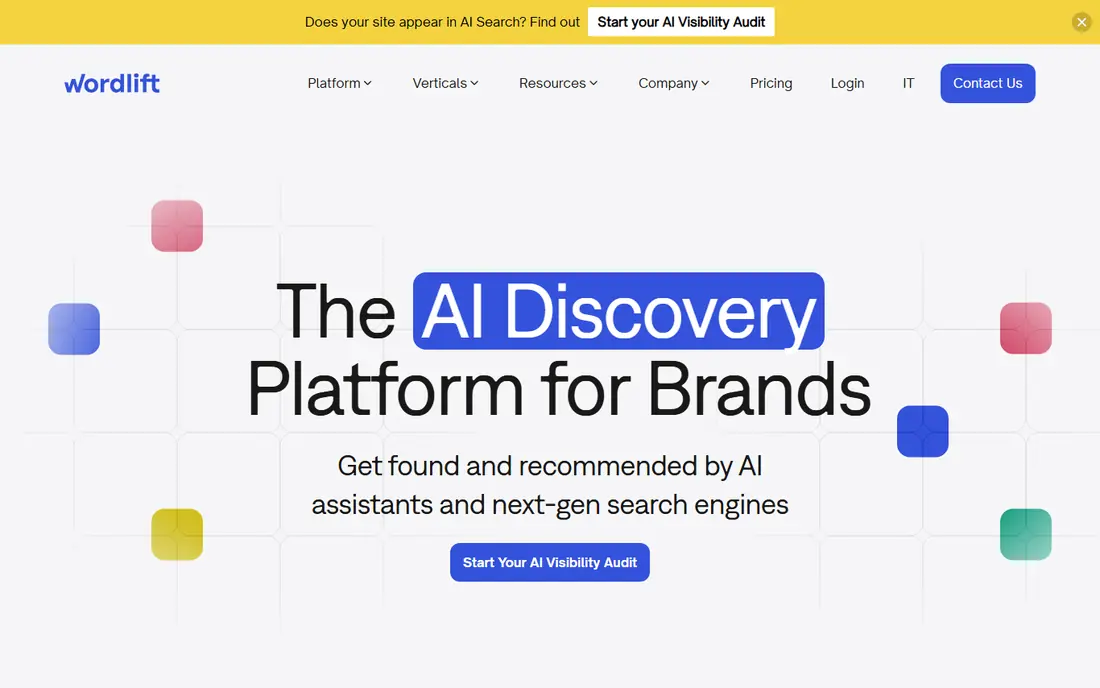
WordLift treats a site as a set of linked facts, people, places, products and topics, rather than as isolated posts. That model helps publishers keep entity names consistent and helps search engines connect related pages. It is a good fit for ecommerce and media sites with large catalogues or archives.
The trade off is effort and cost. WordLift rewards teams that can define their main entities and keep data clean, and its plans are priced for businesses rather than hobby sites. Smaller teams should confirm the current plan and URL limits before signing up, since older price lists no longer match the current site.
- Builds a connected knowledge graph
- Creates schema markup
- Supports content and product data
- Pricing is aimed above solo budgets
- Setup takes more planning than a simple editor
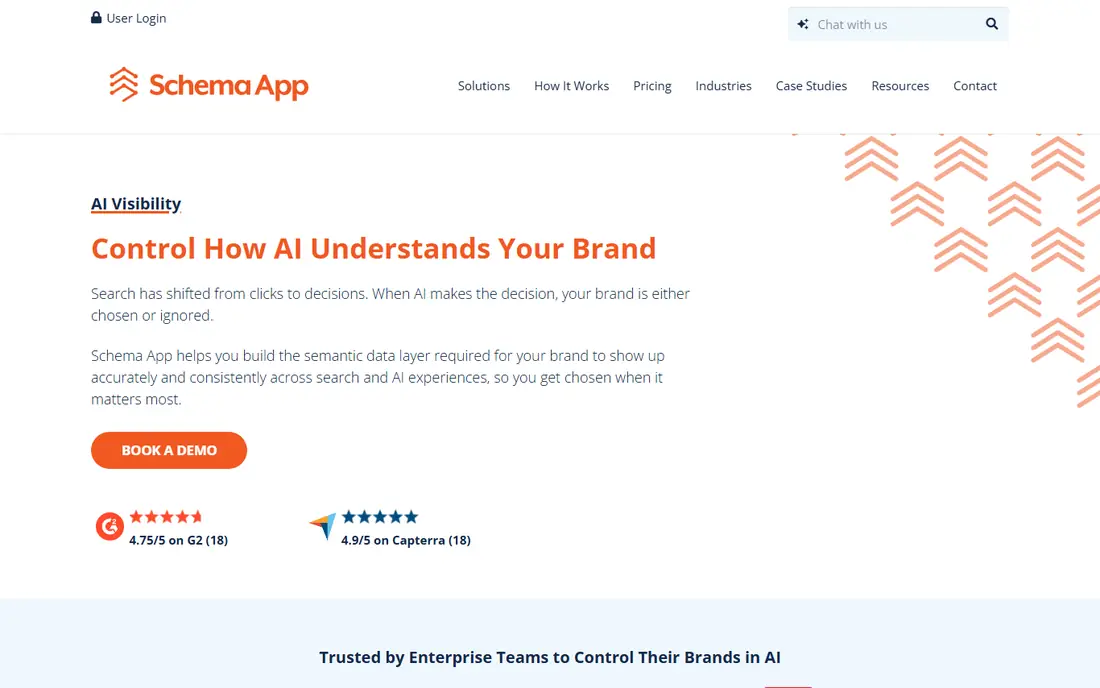
Schema App is the specialist pick when markup itself is the problem. It helps teams create, deploy and monitor schema, and it flags errors before they sit unnoticed on live pages. For sites with templates, product data or frequent content changes, that maintenance work matters as much as the first markup pass.
It will not write briefs or score drafts in the way a content editor does, so most teams will pair it with a separate research tool. That pairing is fine if schema quality is the main gap. It is less useful as a sole purchase for a team that also needs topic planning.
- Focus on schema accuracy and validation
- Tools for large and changing sites
- Reporting on markup health
- Narrower than a full content suite
- Pricing is quote based for many buyers
Surfer is less of an entity database and more of a drafting coach. Its editor compares a draft with top ranking pages and shows which terms, headings and structures are common among them. Writers get immediate feedback instead of a report they must interpret after publishing.
The limits matter here. The entry plan is billed yearly in the published pricing we found, and documents are counted on an annual basis, so a team that publishes in bursts should check how credits reset. We also advise treating the score as a checklist, not a target. A page that covers the right entities in clear language beats a page stuffed with related terms.
- Clear live editor score
- SERP based term guidance
- Audit tools for existing pages
- Annual credits need planning
- Score chasing can harm readability if followed blindly
Frase helps a writer move from a topic to a structured brief without opening several tools. It pulls common questions, headings and related terms from ranking pages, then scores a draft for both classic search and AI answer visibility. That breadth makes it useful for teams that publish guides and need a repeatable brief format.
The entry plan caps monthly articles and audit pages, so it suits a steady publishing pace better than a large backlog clean up. Teams should also check which AI engines are included on the plan they choose, since coverage can differ by tier.
- Fast SERP research and question extraction
- Briefs and audits in one workflow
- AI search scoring on current plans
- Entry limits on articles and audit pages
- Per seat costs add up for larger teams
Clearscope is built for teams that want every writer to meet the same coverage standard. Its reports show which related terms and topics a draft covers, and its editor keeps that guidance visible while writing. Unlimited users on listed plans help when editors, freelancers and reviewers all need access.
The price is the main barrier. At $129 per month, it is hard to justify for a single site with low output, and the monthly draft allowance still needs watching. For a content team that publishes often and values a shared standard, the cost is easier to defend.
- Clear relevance reports
- Shared workspace without per seat billing on listed plans
- Strong for consistent quality
- Higher entry price
- Draft and page limits still apply
MarketMuse answers a different question from a page editor. Instead of asking if one draft is complete, it asks which topics a site covers well, which are thin, and which new pages would strengthen a cluster. That view helps editors plan a quarter of content rather than one post at a time.
The free plan gives a limited number of queries per month, which is enough to test the approach on a small site. Paid pricing is less transparent than the other tools here, so buyers should get a written quote with query and page limits before committing. For a solo writer, that extra step may push them toward a simpler editor.
- Maps topic gaps across a site
- Prioritizes pages by authority potential
- Free plan for a first test
- Paid tiers are quoted after a demo for many buyers
- Depth can feel heavy for single page work
NeuronWriter is our pick for a tight budget. It gives writers the core of semantic optimization, which is a list of related terms and topics drawn from ranking pages, plus a score for draft coverage. For a small site, that is often enough to fix thin pages without paying for planning features that go unused.
The limits are the catch. Lower plans allow fewer analyses and projects, so a team with many pages should count its monthly workload first. Interface polish and support depth also trail the larger tools, but the price gap is large enough that many small teams will accept that trade.
- Low entry price
- NLP term guidance
- WordPress and Search Console links on higher plans
- Smaller feature set than larger suites
- Analysis limits vary sharply by plan
Topic Mojo belongs here as a research companion rather than a full entity platform. It helps a team find the questions readers ask, the related topics around a subject, and the angles competitors cover. That input makes entity work more grounded, since it starts from real reader language rather than a guess.
It does not generate schema or automate internal links, so it works best beside InLinks, WordLift or a page editor. The free tier covers a small number of queries per month, which suits a test or a slow publishing pace. Paid plans start low, but buyers should check how many queries and workspaces each tier includes.
- Free tier for basic research
- Question finder for reader intent
- Topic models for clustering ideas
- Not a full schema or linking tool
- SEO data depth depends on the plan
How we picked these
We compared official feature pages, pricing pages and current comparison guides, and we kept only tools that are still sold and that address entities, topics, schema or semantic coverage in a direct way. We favored tools with a clear entity, topic or schema function over general keyword tools, and we noted where pricing was quoted, annual only or hard to confirm. We did not claim hands on testing, and we treated vendor scores as guidance rather than proof of ranking gains.
What to check before you pay
Start with the job, not the feature list. If internal links and schema are broken, a specialist tool will help more than a drafting score. If drafts miss related topics, a page editor will help more than a site map. If you cannot name the next twenty pages you plan to publish, a planning tool may be premature.
Count the units that matter. Some tools charge by page, some by document, some by query and some by project, and those units are not interchangeable. Map a normal month of work to each plan, then check what happens when you exceed the limit. A low monthly price can become a high bill once overage or a higher tier is needed.
Check the output on live pages. Confirm that schema validates, that internal links point to the right pages with sensible anchor text, and that entity names stay consistent across templates. Keep a short list of test pages and watch their impressions and clicks in Search Console for several weeks. A tool that is easy to buy but hard to audit will create work later.
Frequently asked questions
What is entity optimization?
Entity optimization means making clear which people, places, products, topics and concepts a page covers, and how those concepts relate to other pages on the site. Search engines use that structure to match pages to queries that use different words for the same idea. Good work shows up as consistent names, clear headings, related internal links and valid schema.
Is entity optimization the same as keyword optimization?
No. Keyword work focuses on the exact words searchers type, while entity work focuses on the underlying concept and its relationships. A page can rank for many wordings of one concept when it covers the concept well. Keywords still matter for titles and headings, but they are only one part of the picture.
Do I need schema markup for entity optimization?
Schema helps, but it is not the whole job. Clear content, consistent entity names and strong internal links matter as much as markup. Schema makes facts machine readable, so it is worth adding for products, articles, FAQs and local business details where it fits. Invalid or misleading markup should be fixed, since it can create confusion rather than clarity.
Can a small site benefit from these tools?
Yes, if the site has enough pages for internal linking and topic clusters to matter. A site with a handful of pages may get more value from careful writing and manual links. A site with dozens of guides, product pages or location pages is more likely to benefit from automated audits and schema.
How long does entity work take to show results?
It varies by site, competition and how often search engines recrawl pages. We advise watching a test set of pages over several weeks rather than judging one page after a few days. Changes to internal links and schema often need a recrawl before any effect appears, and ranking movement alone does not prove the tool caused the change.
Sources
- https://vibe-marketing.org/blog/llm-seo-optimization-tool
- https://www.anygen.io/showcase/inlinks-review/index.html
- https://www.rankability.com/blog/best-seo-content-optimization-tools/
- https://www.frase.io/blog/8-best-surfer-seo-alternatives-in-2026-ranked-and-reviewed
- https://coursiv.io/blog/surfer-seo-alternatives
See where you really rank - block by block
ProMapRanker scans Google Maps across a grid of your service area. Simple monthly plans from $19, white-label on every plan.
Start freeKeep reading
 zoho inventory alternatives
6 Alternatives to Zoho Inventory, Compared on Price and Fit
Zoho Inventory alternatives: 6 tools compared on price, free plans and fit. Katana leads the list for manufacturers. Fit and flaws are laid out for each entry.
Read → zoho crm alternatives
Best Zoho CRM Alternatives (2026)
Need Zoho CRM alternatives? We compare 7 tools on cost, free access and who each suits. Every pick gets a straight assessment. Built for quick decisions.
Read → zelle alternatives
Best Zelle Alternatives in 2026
Compare the best Zelle alternatives for sending money to friends, paying sellers and moving funds abroad, with honest notes on fees, speed and safety in 2026.
Read →