 ProMapRanker
Best Tools for E-E-A-T Optimization in 2026


content teams that want live draft scoring · Pricing starts at: $49 per month
Key takeaways
- No tool creates E-E-A-T by itself; author expertise, first-hand detail, and sourcing still do the heavy lifting.
- Surfer and Clearscope are the clearest draft-level tools, while MarketMuse works at site-wide topic level.
- Ahrefs helps most on the authority side, through backlink and competitor data.
- Yoast and Rank Math cover WordPress on-page basics, including schema, at low cost.
Quick comparison
| Pick | Great for | Pricing starts at | Free tier | |
|---|---|---|---|---|
| Surfer | content teams that want live draft scoring | $49 per month | Free trial | Visit |
 Clearscope | editorial teams that need one clear brief | $129 per month | Free trial | Visit |
 MarketMuse | sites building topical authority at scale | Free | Yes | Visit |
 Frase | fast research, briefs, and drafts in one tool | $39 per month | Free trial | Visit |
 Semrush | teams that want SEO, content, and AI visibility in one suite | $139.95 per month | Free trial | Visit |
 Ahrefs | SEO-led teams that need strong link and keyword data | $129 per month | No | Visit |
 Originality.ai | publishers that must check AI content and plagiarism | See website | Free trial | Visit |
 Yoast SEO | WordPress sites that need on-page basics done well | $99 per year | Yes | Visit |
 Rank Math | WordPress sites that want strong free SEO features | See website | Yes | Visit |
The best tools for E-E-A-T optimization
E-E-A-T stands for experience, expertise, authoritativeness, and trustworthiness, the qualities Google says its quality raters look for, especially on topics that affect health, money, or safety. No tool can grant those qualities on its own. The tools below help with the parts you can measure and improve: covering a topic fully, showing real authors and sources, fixing technical problems, and checking content before it goes live. We picked tools with a genuine link to those signals, not generic SEO dashboards with no editorial use.
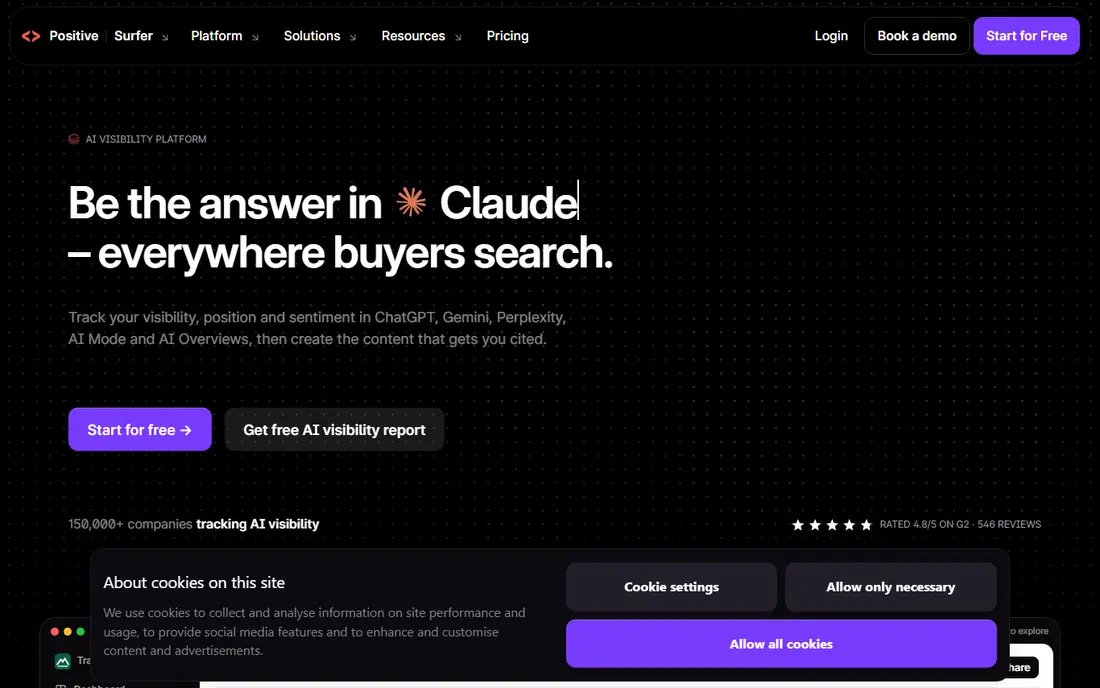
Surfer is a strong choice for content teams that want live draft scoring. Surfer compares your draft with pages that already rank and scores it as you write, covering terms, headings, and length. That live feedback helps writers cover a topic fully without guessing, which supports the depth and expertise signals behind E-E-A-T.
The trade-off is worth weighing before you commit. Scores are a guide, not a quality verdict. Writers should still add first-hand detail, named authors, and sources, or a high score can still read as thin content. Check the current plan limits on the vendor site, since allowances and add-ons change often, and run a small pilot with real tickets, content, or data before you roll it out more widely.
- Live Content Score in the editor
- Clear briefs
- Audit tools
- Document caps on lower plans
- Scores can push over-optimisation
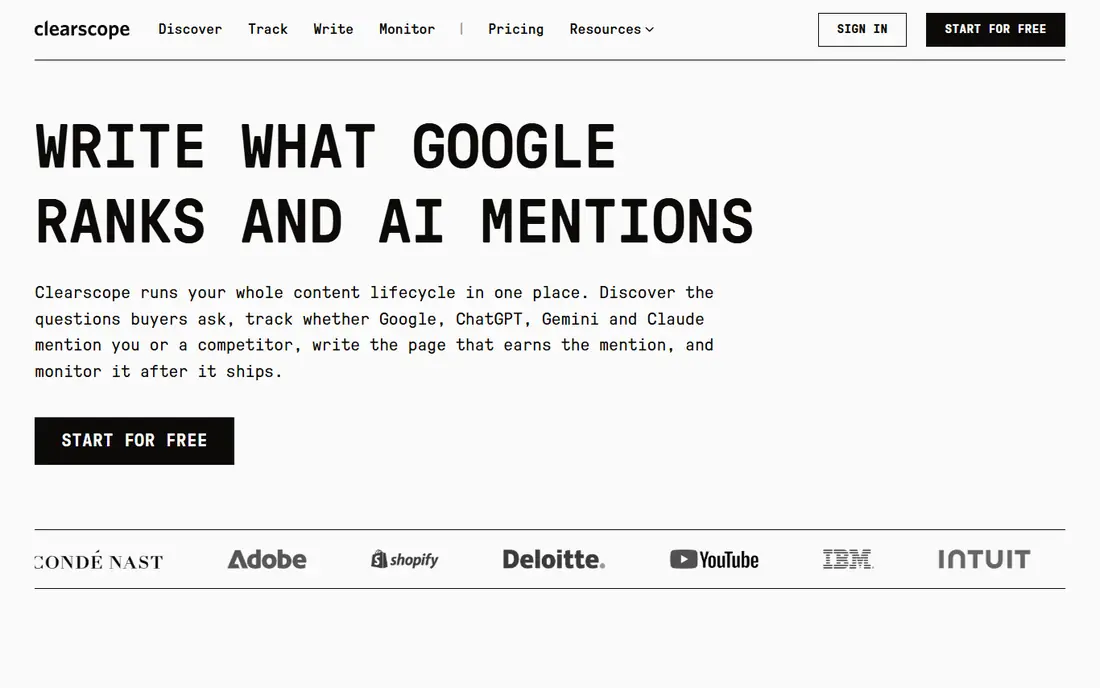
For editorial teams that need one clear brief, Clearscope stands out for a practical reason. Clearscope gives writers a graded term list and a readability target that freelancers can follow with little training. That consistency helps a publication keep quality steady across many authors, which matters for trust.
There is a catch to plan around. The price is hard to justify for solo writers, and it does not replace research, expert review, or fact checking. Use it to shape drafts, not to approve them. That does not rule it out, but it does mean you should test it against your own workflow and confirm the price for your team size before you buy.
- Clean briefs and grading
- Unlimited users on plans
- Readability guidance
- High entry price
- Fewer features beyond optimisation
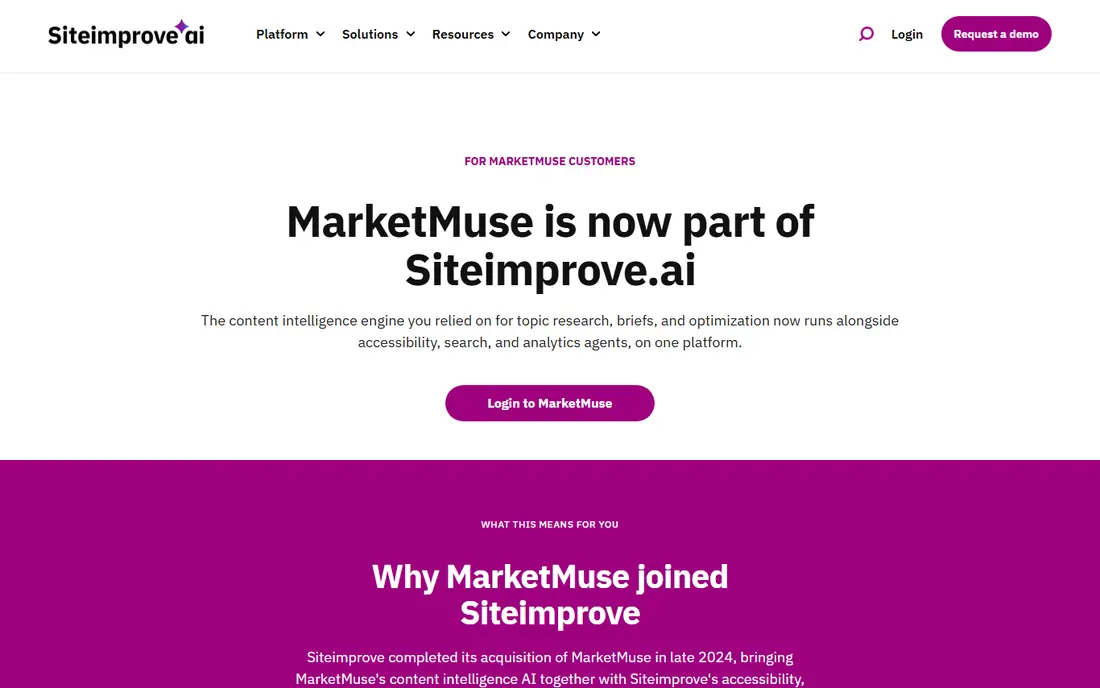
MarketMuse earns its place here through its fit for sites building topical authority at scale. MarketMuse models authority across your whole site and shows which topics and clusters are worth building next. That site-wide view supports expertise better than optimising one page at a time, since gaps become visible before you write.
Watch the limits as well as the strengths. Onboarding is dense, and paid pricing needs a demo, so smaller sites should start with the free tier. The tool plans content well but does not write or verify expert claims for you. A short trial with your own examples will tell you more than any feature page, so use that time to test the parts you will rely on every week.
- Site-wide topic modelling
- Content inventory
- Gap analysis
- Paid plans are quote-based
- Steep onboarding
If your main need is fast research, briefs, and drafts in one tool, start with Frase. Frase pulls questions, headings, and outlines from ranking pages quickly, so editors can build a brief in minutes. That speed helps teams cover the questions readers actually ask, which is a useful trust signal when the answers are accurate.
The honest limit matters here. Starter limits can pinch growing teams, and AI drafts still need checking by someone who knows the topic. Treat Frase as research support, not as the author. If that limit touches your core work, compare the next tier or a rival before you sign up, and keep an eye on renewal terms.
- Fast SERP research
- Question extraction
- Brief generation
- Starter limits seats and articles
- Needs editorial oversight
Semrush suits teams and individuals focused on teams that want SEO, content, and AI visibility in one suite. Semrush links content work to keyword research, competitor pages, backlinks, and site audits in one place. Its writing assistant checks drafts inside common editors, and its audit tools catch technical issues that can hurt trust, such as broken pages and thin content.
Price and fit need a final check. The full suite costs more than a single-purpose optimiser, and beginners may pay for tools they rarely open. Check which content features are in the plan you choose. Start on the lowest plan or trial that covers your main task, measure what it saves or improves, and only then move up a tier.
- Huge keyword and competitor data
- SEO Writing Assistant
- Site audit
- Content tools sit on pricier tiers
- Broad suite can overwhelm
Among the options here, Ahrefs is the one to check first for SEO-led teams that need strong link and keyword data. Ahrefs is strongest on the authority side of E-E-A-T, since backlinks and referring domains are a public signal of trust. Its audit and content tools then help teams fix weak pages and find topics where the site already has standing.
The trade-off is worth weighing before you commit. Content optimisation is not its main strength, and the AI content add-on costs extra. Pair it with an editor tool if draft scoring is your main need. Check the current plan limits on the vendor site, since allowances and add-ons change often, and run a small pilot with real tickets, content, or data before you roll it out more widely.
- Excellent backlink and keyword data
- Brand Radar
- Site audit
- AI content tools are a paid add-on
- No free trial for paid plans
Originality.ai is built around publishers that must check AI content and plagiarism, and that focus shows in daily use. Originality.ai checks drafts for AI-generated text and copied content, which helps publishers protect trust before publication. For sites that accept freelance work, a pre-publish check is a practical quality gate alongside editing.
There is a catch to plan around. No detector is certain, so a flagged result needs human review rather than automatic rejection. Use it as one check in an editorial process, not as a verdict on an author. That does not rule it out, but it does mean you should test it against your own workflow and confirm the price for your team size before you buy.
- AI detection and plagiarism checks
- Team and site tools
- Detection is probabilistic, not proof
- Pricing varies by credits
Buyers who need WordPress sites that need on-page basics done well will find Yoast SEO a sensible shortlist pick. Yoast handles readable titles, meta descriptions, and structured data inside WordPress, and its readability checks push writers toward clearer sentences. Schema output helps search engines understand authors, organisations, and article details.
Watch the limits as well as the strengths. It cannot create expertise or first-hand experience, and Premium pricing is per site, which adds up across many sites. It works best as the on-page layer under strong editorial work. A short trial with your own examples will tell you more than any feature page, so use that time to test the parts you will rely on every week.
- Free plugin for basics
- Readability and schema help
- Premium adds internal link tools
- WordPress only
- Premium is per site
Rank Math takes a clear approach to WordPress sites that want strong free SEO features. Rank Math offers a wide free tier covering on-page checks, schema types, and Search Console links, which makes it a good value pick for small WordPress sites. Its content analysis gives writers a checklist while they draft.
The honest limit matters here. Advanced schema and tracking features sit behind Pro, and like Yoast it only helps WordPress sites. The checklist is useful, but it does not judge whether the advice itself is sound. If that limit touches your core work, compare the next tier or a rival before you sign up, and keep an eye on renewal terms.
- Generous free tier
- Schema and analytics links
- Rank tracking
- Some advanced features need Pro
- WordPress only
How we picked these
We compared official pricing and feature pages for each tool and checked how each one connects to a specific E-E-A-T signal, such as topic coverage, author and schema data, backlinks, or pre-publish checks. We left out generic SEO tools with no clear editorial or trust function. We did not claim hands-on testing. Prices are entry prices from vendor pages or search-checked listings, so confirm limits before you buy, since document and credit caps differ a lot.
How to use these tools without faking expertise
Put real people on the page first
Add a named author with relevant credentials, a short bio, and a review step for sensitive topics. Tools can format that information with schema, but they cannot invent a qualified author. If no one on your team knows the topic, hire or interview someone who does.
Cover the topic, then prove it
Use Surfer, Clearscope, or MarketMuse to find gaps in coverage, then fill them with first-hand detail, data, and links to primary sources. A page that answers follow-up questions and cites its sources reads as more trustworthy than a page that only repeats target terms.
Fix trust problems the tools can find
Run audits for broken links, thin pages, and missing schema, and check submitted work for plagiarism or undisclosed AI text. Those fixes are unglamorous, but they remove the small signals that make readers and search engines doubt a site.
Frequently asked questions
What does E-E-A-T mean?
E-E-A-T means experience, expertise, authoritativeness, and trustworthiness. It describes the qualities Google asks quality raters to look for, with extra weight on topics that can affect a reader health, money, or safety.
Can a tool improve my E-E-A-T score?
There is no single E-E-A-T score a tool can raise. Tools can improve coverage, readability, schema, backlinks, and editorial checks, but the underlying expertise and trust must come from the people and sources behind the content.
Which tool is best for a small site?
For WordPress, Yoast or Rank Math cover the basics at low cost. For draft quality, Surfer at $49 per month is the cheapest dedicated optimiser here, while Frase is a good research-first alternative.
Do I need author schema for E-E-A-T?
Author schema helps search engines understand who wrote a page, but it is not enough on its own. Pair it with visible author bios, credentials where relevant, and a clear corrections or contact page.
Should I publish AI-written content for E-E-A-T?
You can use AI for drafts and research, but sensitive or expert topics need human review, fact checking, and clear accountability. Originality.ai can help as a pre-publish check, but it does not replace an editor.
Sources
See where you really rank - block by block
ProMapRanker scans Google Maps across a grid of your service area. Simple monthly plans from $19, white-label on every plan.
Start freeKeep reading
 zoho inventory alternatives
6 Alternatives to Zoho Inventory, Compared on Price and Fit
Zoho Inventory alternatives: 6 tools compared on price, free plans and fit. Katana leads the list for manufacturers. Fit and flaws are laid out for each entry.
Read → zoho crm alternatives
Best Zoho CRM Alternatives (2026)
Need Zoho CRM alternatives? We compare 7 tools on cost, free access and who each suits. Every pick gets a straight assessment. Built for quick decisions.
Read → zelle alternatives
Best Zelle Alternatives in 2026
Compare the best Zelle alternatives for sending money to friends, paying sellers and moving funds abroad, with honest notes on fees, speed and safety in 2026.
Read →