 ProMapRanker
Best Sync Licensing Companies in 2026


Independent artists who want control · Pricing starts at: $49 per year
Key takeaways
- The best music sync licensing companies split into marketplaces, curated agencies, and subscription libraries, and the model matters more than the brand name.
- Non-exclusive marketplaces let you keep control and pitch widely, while curated agencies pay more per placement but accept fewer artists.
- Subscription libraries pay flat amounts or pool payouts, so read the exclusivity clause before you upload a track you plan to release elsewhere.
- A clean rights picture, finished masters, and accurate metadata help a track get placed faster than a large catalog with messy paperwork.
- Our pick for most independent artists is Songtradr, because it accepts open submissions and lets artists set their own terms on many listings.
Quick comparison
| Pick | Great for | Pricing starts at | Free tier | |
|---|---|---|---|---|
| Songtradr | Independent artists who want control | $49 per year | No | Visit |
 Musicbed | Premium ads and film placements | See website | No | Visit |
 Marmoset | Curated, hand-picked placements | See website | No | Visit |
 Epidemic Sound | Creators who need cleared music fast | See website | No | Visit |
 Artlist | Video creators and small teams | See website | No | Visit |
 Soundstripe | Subscription music for video work | See website | No | Visit |
 Pond5 | Volume licensing across media types | See website | No | Visit |
 Audiosocket | Independent artists pitching briefs | See website | No | Visit |
 Music Vine | High-quality tracks for film and ads | See website | No | Visit |
 Audio Network | Production music at scale | See website | No | Visit |
The best sync licensing companies
Sync licensing means letting a film, television show, advertisement, game, or online video use your music in exchange for a fee. The companies below place music for artists, composers, and rights holders, and they differ sharply in how they pay, how selective they are, and what rights they ask for.
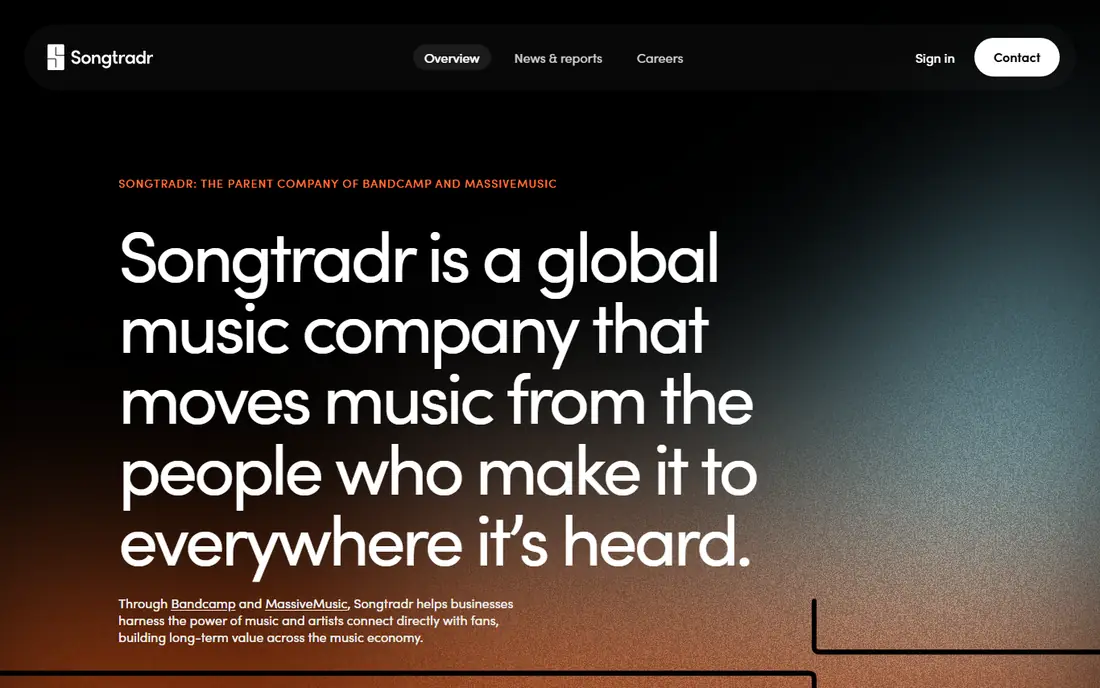
Songtradr works as a marketplace where artists list music and buyers search by mood, genre, tempo, and use. We like it for independent artists because the non-exclusive model lets you keep working with other outlets at the same time, which matters when a single track could fit an advertisement, a short film, and a branded video. The platform also runs briefs and licensing tools for buyers, so a listing can reach supervisors who already know what they need.
The catch is volume. A large marketplace means your track sits beside thousands of others, so strong metadata, a clear genre label, and a finished mix matter more than uploading often. Paid tiers change the share you keep, so read the current plan terms before you commit to a year.
- Large non-exclusive marketplace
- Artists can set pricing on many listings
- Open submission route for independent musicians
- Competition is heavy
- Higher-tier plans cost more
- Placement is not guaranteed
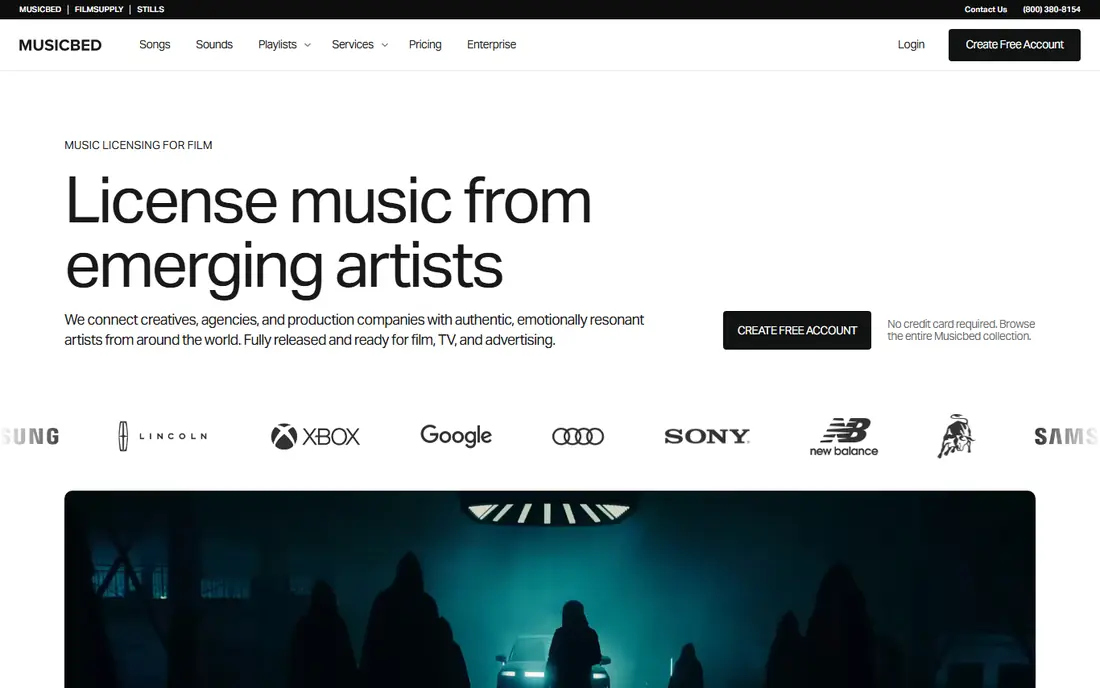
Musicbed is a curated service, and that curation is the point. Filmmakers and brands use it when they want music that sounds like a finished record rather than stock audio, and the company negotiates fees for placements rather than selling every track at one flat rate. For artists who get in, that can mean better pay per placement than a subscription pool, though placements arrive less often than on an open marketplace.
The trade-off is access. Musicbed accepts submissions but signs a limited share, and artists who write in one narrow style may wait a long time for a yes. If your catalog is small but polished, Musicbed is worth an application even if you keep other tracks on a marketplace.
- Curated catalog with a strong reputation among filmmakers
- Negotiated fees on placements
- Clear licensing for commercial projects
- Selective about who it signs
- Pricing is quoted per project
- Not built for high-volume uploads
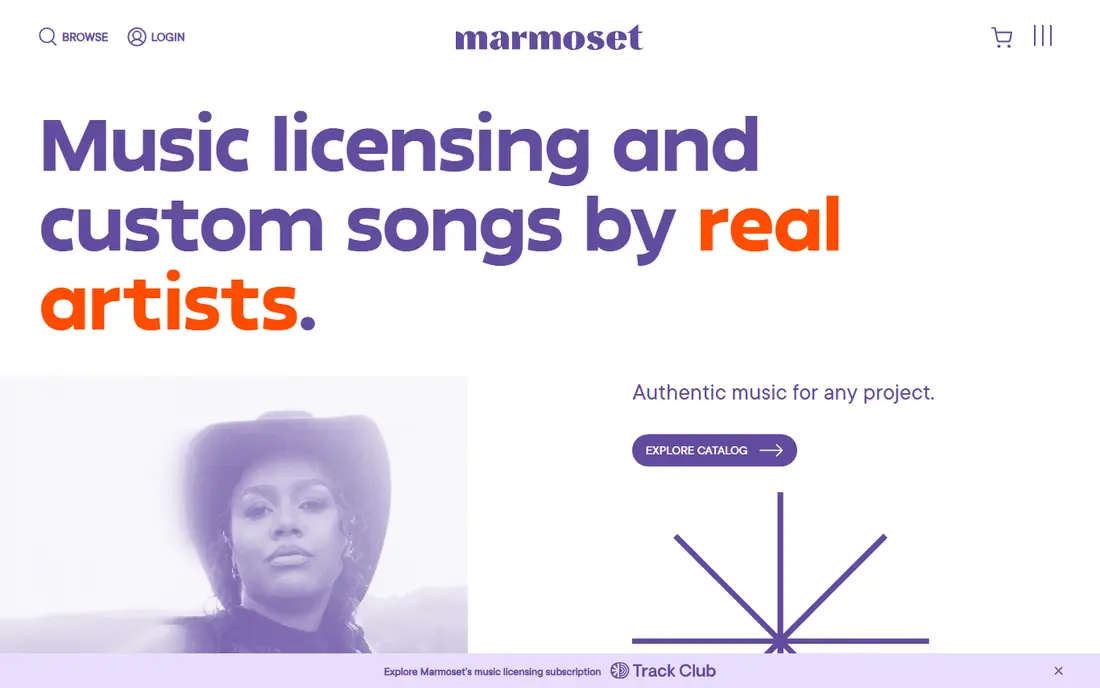
Marmoset is a boutique agency that represents a limited roster and pitches tracks directly to music supervisors and brands. We rate it for artists whose music has a clear identity, since a small roster means each track gets real attention instead of sitting in a search index.
The downside is the same as the strength. A boutique agency cannot take everyone, and artists outside its taste or current roster needs may not get a place. Fees are negotiated per placement, so income is lumpy rather than monthly. Marmoset fits artists who prefer a partner doing the pitching and who can wait for the right placement rather than chasing volume.
- Small, carefully chosen roster
- Hands-on pitching by its team
- Strong fit for distinctive, characterful music
- Very selective
- Smaller catalog reach than a marketplace
- Fees are negotiated case by case
Epidemic Sound is best known as a subscription library for video creators, but it also commissions and licenses music from artists and composers. For buyers, the appeal is simple: one subscription covers cleared music for videos, with stems and alternate versions that make editing easier. For artists, the model trades control for predictability, since payment is typically a flat amount rather than a negotiated fee per placement.
Read the contract with care before signing. Epidemic Sound deals have commonly involved broad or long-term rights, which can limit what you do with a track later. Treat it as a work-for-hire style outlet, not as a marketplace.
- Huge catalog built for online video
- Simple licensing for creators
- Stems and versions help editors cut tracks to picture
- Buyout-style terms on many deals
- Artists give up broad rights
- Not a fit for artists who want per-placement negotiation
Artlist sells subscriptions to creators who need music for videos, and it licenses tracks from artists into that catalog. The buyer side is straightforward, which is why so many YouTubers and small production teams use it, and the catalog is curated rather than open to anyone. For artists, Artlist can bring steady exposure and a clean licensing story, since buyers do not need to negotiate each use.
The honest catch is pay structure. Artists are generally paid under the subscription model rather than negotiating a fee for each advertisement or film placement, so a track that lands in a major campaign may not pay like a direct sync deal. Artlist suits artists who write versatile, editor-friendly tracks and want recurring catalog income.
- Subscription licensing that creators understand
- Curated catalog
- Licenses cover common social and commercial video uses
- Artist payouts come from a subscription model, not per-placement fees
- Selective submissions
- Terms vary by plan
Soundstripe is a subscription music library aimed at video creators, agencies, and small production teams. Buyers pick a plan, download cleared tracks, and use them across projects covered by that plan, which removes the back-and-forth of per-track negotiation. The library includes stems and loops, so editors can stretch or reshape a track to fit a scene without asking for a new version.
Payouts reflect subscription use, It is a solid second outlet for artists who already write production-friendly music, and it pairs well with a marketplace listing for tracks you want to pitch directly.
- Simple subscription plans for creators
- Stems and loops support editing
- Curated library with regular additions
- Payouts follow the subscription model
- Less suited to one-off premium placements
- Catalog competition is strong
Pond5 is a stock marketplace where buyers license music, footage, and sound effects for projects of many sizes. Artists set prices within the marketplace structure and can reach buyers who need a track quickly for a corporate video, a local advertisement, or an online project.
The catch is price pressure. Stock marketplaces reward volume and clear, searchable tracks, and a single sale may pay far less than a negotiated agency placement. Artists who do well here tend to upload consistently, tag accurately, and write in styles buyers search for, such as corporate, upbeat, or cinematic cues. Pond5 is a good volume outlet, not a replacement for a curated agency pitch.
- Open marketplace with a huge buyer audience
- Non-exclusive options
- Sells music beside video and sound effects
- Prices vary widely by license
- Crowded catalog
- Individual track earnings can be modest
Audiosocket is a licensing company that works with independent artists and pitches music to film, television, advertising, and digital projects. It accepts submissions from artists who are not signed to a major publisher, which makes it more approachable than a closed agency roster. The company also works from briefs, so a track that matches a specific request has a clearer path to a placement than a track sitting in a general catalog.
The limit is scale. Audiosocket does not have the buyer traffic of the largest stock marketplaces, so artists should not rely on it alone. For artists who want a human team pitching on their behalf without giving up exclusivity, it is worth a close look.
- Open submission route
- Briefs and direct pitching
- Non-exclusive approach suits independent catalogs
- Smaller buyer reach than the biggest marketplaces
- Placements depend on brief fit
- Income is irregular
Music Vine is a curated licensing library that serves filmmakers, brands, and creators who want music that feels hand-picked. Each track is presented with care, and the licensing options cover a range of creator and commercial uses, which helps buyers pick the right level without a long negotiation. For artists, the curated approach means less competition inside the catalog than on an open marketplace.
The trade-off is acceptance. Music Vine signs a limited share of submissions, and it favors tracks that work well under picture, with clean mixes and clear emotional direction. Artists who write a lot of similar cues may find the bar high, while artists with a distinctive but usable sound may stand out.
- Carefully curated catalog
- Licensing options for creators and businesses
- Strong presentation for each track
- Selective about submissions
- Smaller catalog than mass marketplaces
- License terms vary by use
Audio Network is a production music company with a large catalog used by broadcasters, production companies, and brands around the world. Its strength is scale and organization: buyers can search a deep library by mood, instrumentation, and use, and the company handles the licensing paperwork. For composers who write production music regularly, that scale can bring steady placements across many programs.
Recording artists should set expectations before applying. Audio Network is a production library, so it suits composers and writers who can deliver broadcast-ready cues in volume, rather than bands hoping to place one single. If you write production music as a craft, Audio Network belongs on your shortlist.
- Very large production catalog
- Global reach for broadcast and media buyers
- Professional metadata and search
- Built for production composers more than recording artists
- Terms are set by the library
- Less control over individual placements
How we picked these
We compared official feature pages, pricing pages, submission pages, and public licensing terms for companies that place music in film, television, advertising, games, and online video. We favored companies that are active in October 2026, accept or represent independent artists and composers in some form, and state their model clearly enough for a reader to judge the trade-off. We left out pure distributors, since distribution alone does not place a track in a production, and we left out companies whose submission pages or catalogs showed no current activity.
What to check before you sign a sync deal
Start with exclusivity, because it decides everything else. A non-exclusive deal lets you place the same track through more than one outlet, while an exclusive deal hands one company sole control for a set period or territory. Ask how long the term runs, which media it covers, and what happens to placements already in progress when the term ends. Get the answers in writing before you upload.
Next, check the money terms in plain language. Ask what share you keep, when payment arrives, and what counts as a placement fee as opposed to a backend royalty. For subscription libraries, ask how payouts are calculated and how often they are reported. For agencies, ask who negotiates the fee and what happens if a buyer wants a buyout. A short email with these questions can save a long dispute later.
Finally, prepare your catalog for pitching. Keep clean masters, instrumental versions, and stems where you can, and make sure every co-writer and rights holder is recorded accurately. Add honest tags for mood, tempo, and genre, and note any samples or third-party material that needs clearance. Supervisors move fast, and a track with clear rights and a ready instrumental often wins over a stronger track with paperwork problems.
Frequently asked questions
What is the best music sync licensing company for independent artists?
Songtradr is our pick for most independent artists because it accepts open submissions, works on a non-exclusive basis for many listings, and lets artists manage pricing on their catalog. Curated agencies such as Musicbed and Marmoset can pay more per placement, but they accept fewer artists and suit polished, distinctive catalogs. Many artists use a marketplace for breadth and apply to a curated agency for their strongest tracks.
How much do sync licensing companies pay?
Pay varies far more than any single average suggests. A stock marketplace sale can pay a modest amount, a curated agency placement for an advertisement can pay a negotiated fee in the hundreds or thousands of dollars, and a subscription library typically pays a flat or pooled amount rather than a per-placement fee. The placement type, territory, term, and media matter as much as the company name, so compare the contract, not just the headline rate.
What is the difference between exclusive and non-exclusive sync licensing?
An exclusive deal gives one company sole rights to license a track for the agreed term, territory, and media, while a non-exclusive deal lets you work with more than one outlet at the same time. Exclusive deals can bring focused pitching and higher fees, but they limit your options if the company does not place the track. Non-exclusive deals keep your options open but put more of the pitching work on you.
Do I need a publisher to get sync placements?
No, many of the companies in this list work directly with independent artists and composers, and a marketplace listing can reach buyers without a publisher. A publisher can still help if you want someone to pitch a large catalog, handle administration, and negotiate complex deals. If you sign with a publisher, check that its sync terms do not conflict with deals you already hold.
What makes a track more likely to get placed?
Supervisors look for a finished mix, clear ownership, accurate metadata, and a sound that fits the scene without distracting from dialogue or picture. Instrumental versions, stems, and a short, honest description help editors test a track quickly. Tracks with uncleared samples, missing co-writer details, or muddy mixes often get passed over, even when the song itself is strong.
Can I list the same track on more than one sync platform?
Yes, when each deal is non-exclusive and the terms allow it, and many independent artists do exactly that. Check each contract for exclusivity, territory, and media limits before you list, and keep a simple record of where each track sits. If one deal is exclusive, respect that term fully, since placing the same track elsewhere can breach the agreement and harm future placements.
Sources
See where you really rank - block by block
ProMapRanker scans Google Maps across a grid of your service area. Simple monthly plans from $19, white-label on every plan.
Start freeKeep reading
 zscaler alternatives
Best Zscaler Alternatives in 2026
Looking for zscaler alternatives? We compare 9 SASE and zero trust platforms on architecture, data protection, pricing, and fit for your network and team.
Read → zapier alternatives free
Best Zapier Alternatives Free in 2026
Nine automation tools for zapier alternatives free in 2026, all with genuinely free tiers, plus free plan limits, starting prices and upgrade paths explained.
Read → which platform is best for online reputation
Which Platform Is Best for Online Reputation in 2026
Wondering which platform is best for online reputation? We compare 8 review, listing, and response tools for small and multi-location businesses and agencies.
Read →