 ProMapRanker
Best Supply Side Platform Software in 2026


Google-centered publishers · Pricing starts at: See website
Key takeaways
- Google Ad Manager suits publishers already deep in Google tools, while Magnite leads among independent platforms for video and connected TV.
- PubMatic, OpenX, Index Exchange, and Xandr suit publishers that want broad demand and header bidding controls.
- Sharethrough, Sovrn, Equativ, and Adform suit publishers with specific format, commerce, or regional needs.
- Most SSP pricing is revenue share or custom, so ask about fees, payment terms, and minimum traffic before signing.
- Yield depends on demand quality and setup, not just the platform name, so test header bidding and floor settings carefully.
Quick comparison
| Pick | Great for | Pricing starts at | Free tier | |
|---|---|---|---|---|
| Google Ad Manager | Google-centered publishers | See website | No | Visit |
 Magnite | Independent video and TV yield | See website | No | Visit |
 PubMatic | Omnichannel sell-side scale | See website | No | Visit |
 OpenX | Quality-focused programmatic demand | See website | No | Visit |
 Index Exchange | Transparent header bidding | See website | No | Visit |
 Xandr | Microsoft and premium demand | See website | No | Visit |
 Sharethrough | Native and enhanced display | See website | No | Visit |
 Sovrn | Independent publishers and commerce | See website | No | Visit |
 Equativ | European and privacy-focused publishers | See website | No | Visit |
 Adform | Integrated publisher platform | See website | No | Visit |
The best supply side platform software
A supply side platform, or SSP, helps publishers sell ad inventory to many buyers through real-time bidding, header bidding, and direct deals. We compared official product pages and 2026 publisher guides, and we focused on demand access, formats, controls, and transparency, because those decide revenue more than a dashboard alone.
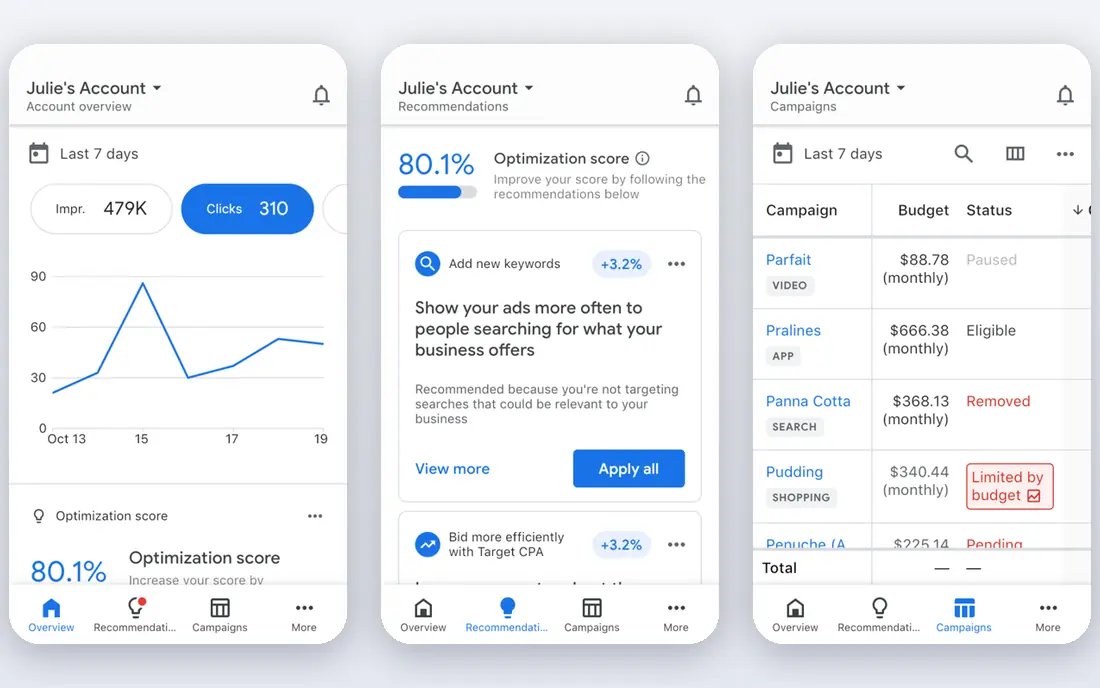
Google Ad Manager combines an ad server with sell-side tools, which is why many publishers start there. It connects to Google demand, supports direct deals and programmatic demand, and gives publishers controls over floors, blocking, and reporting. For publishers already using Google Analytics or AdSense, the learning curve is lower.
The main concern is balance. Publishers should check how Google demand competes with other demand in their setup, and whether they can run header bidding fairly alongside Ad Manager. Smaller publishers may also find the interface complex. Still, for scale, documentation, and demand depth, Google Ad Manager remains a central option.
- Broad Google demand
- Integrated ad server
- Strong reporting and controls
- Potential bias toward Google demand
- Setup can be complex for smaller teams

Magnite, formed from Rubicon Project and Telaria, is the largest independent sell-side platform and a leader for connected TV, video, and omnichannel inventory. It offers header bidding, supply path optimization, curated marketplaces, and the SpringServe ad server for unified demand. Publishers with premium video or streaming inventory often shortlist Magnite first among independents.
Smaller publishers should confirm traffic minimums and support terms, because best results often come with scale. Fee structures also deserve a careful read. For publishers with meaningful video or TV inventory, Magnite's demand depth and format strength make it our pick for independent yield.
- Largest independent sell-side platform
- Strong connected TV and video
- SpringServe ad server option
- May need higher traffic for best terms
- Fee transparency needs review

PubMatic is a sell-side platform for display, mobile, video, and connected TV, with tools for header bidding, private marketplaces, and supply path optimization. It suits publishers that want broad demand without relying only on Google, and it offers controls for floors, brand safety, and buyer access. Its infrastructure is built for scale across formats.
PubMatic terms are custom, and smaller teams may need help with setup and optimization. Yield also depends on inventory quality and region, so results vary by publisher. For mid-size and large publishers that want an independent omnichannel SSP, PubMatic is a reliable contender.
- Broad omnichannel demand
- Header bidding tools
- Strong supply path controls
- Custom terms
- Setup needs programmatic expertise
OpenX runs a programmatic exchange and SSP tools with a focus on quality, transparency, and clean supply paths. It suits publishers that care about buyer quality and brand safety, and it supports display, video, and mobile formats. Its cloud infrastructure is built for fast bidding and reliable delivery.
OpenX is not the largest SSP in every format, so publishers should compare demand fill for their specific inventory and regions. Terms are custom, and optimization help varies by account size. For publishers that prioritize clean demand over raw scale, OpenX deserves a test.
- Focus on quality and transparency
- Cloud-based exchange
- Strong video and mobile options
- Custom terms
- Smaller scale than Google or Magnite in some formats
Index Exchange is known for header bidding and transparent exchange practices, giving publishers a way to offer inventory to many buyers at once before calling an ad server. It supports display, video, and mobile, and it works with publishers that want more control over auction dynamics. Transparency around fees and auction logic is a selling point.
Header bidding setup is technical, so teams need engineering or a good wrapper partner. Terms are custom, and yield depends on how well floors and timeouts are tuned. For publishers that want a transparent, header-first SSP, Index Exchange is a strong choice.
- Transparent exchange practices
- Strong header bidding
- Broad buyer demand
- Custom terms
- Needs technical setup for header bidding
Xandr, Microsoft's advertising platform built on AppNexus, offers SSP tools for publishers that want access to Microsoft and premium programmatic demand. It provides controls for managing demand partners, data, and yield, and it suits publishers with premium inventory and larger audiences. Its heritage in programmatic gives it depth in auction and targeting tools.
Xandr terms are custom, and smaller publishers may find access and support harder to secure. Publishers outside Microsoft's ecosystem should compare demand fill with independent SSPs. For premium publishers that value Microsoft demand, Xandr is worth including in a test.
- Microsoft demand access
- Premium publisher tools
- AppNexus heritage in programmatic
- Custom terms
- Microsoft ecosystem fit matters
Sharethrough offers an omnichannel supply platform with a focus on native and enhanced display formats that fit page design rather than interrupting it. It uses dynamic templates to adapt creatives to their surroundings, which can help performance for publishers that care about user experience. It also supports video and standard display demand.
Sharethrough is custom priced, and its value depends on whether its formats fit your pages. Publishers with standard banner-only inventory may see less benefit. For publishers that want better-looking, higher-performing native placements, Sharethrough is a distinct option among general SSPs.
- Native and enhanced ad formats
- Omnichannel supply platform
- Focus on ad experience quality
- Custom pricing
- Format fit matters more than general scale
Sovrn serves independent publishers with advertising, commerce, and data tools, aiming to help smaller and mid-size publishers earn more from their audiences. It offers exchange access, commerce links, and analytics that help publishers understand which content and audiences drive revenue. That publisher-first focus appeals to independents.
Sovrn terms are custom, and results depend on traffic, niche, and format mix. It may not match the largest SSPs for premium video demand, but it can be a good complement or primary choice for content publishers. Test it alongside a larger SSP to compare fill and revenue per session.
- Publisher-focused tools
- Commerce and advertising options
- Data and analytics for independents
- Custom terms
- Scale varies by inventory type
Equativ, formerly Smart AdServer, offers a full-stack publisher platform with ad serving and SSP tools, with a strong presence in Europe. It suits publishers that need privacy and consent controls, direct deals, and programmatic demand in one system. Its ad server heritage helps teams that want server and SSP logic together.
Demand depth can vary by region, so publishers outside Europe should test fill carefully. Terms are custom, and setup needs programmatic knowledge. For European publishers and privacy-conscious teams, Equativ is a strong regional alternative to US-centered SSPs.
- Formerly Smart AdServer
- Strong European presence
- Privacy and consent tools
- Custom terms
- Demand depth varies outside Europe
Adform offers an integrated advertising platform that includes Publisher Edge, a tool for publishers to monetize inventory with controls over demand, formats, and reporting. It suits publishers that also want buying or data tools in the same system, or teams in Europe where Adform is well established. A unified dashboard helps teams manage inventory without many separate tools.
Adform is custom priced, and its broader platform can feel complex if you only need an SSP. Publishers should check demand fill for their inventory and whether Publisher Edge fits their header bidding setup. For teams that want an integrated platform rather than a single-purpose SSP, Adform is a credible option.
- Integrated advertising platform
- Publisher Edge tools
- Unified dashboard for inventory
- Custom pricing
- Broader platform can be complex for SSP-only needs
How we picked these
We compared official product pages and 2026 publisher guides, and we kept only SSPs and sell-side platforms that are live in October 2026. We favored a mix of large, independent, and regional options so publishers of different sizes can find a fit. We did not claim hands-on testing. Where pricing was custom or revenue share, we wrote See website rather than guessing.
What to check before you buy
Start with your inventory: format, device, region, and traffic volume. A connected TV leader may not be best for a text-heavy blog, and a native specialist may not fit a video site. Ask each SSP about demand fill, fee structure, payment terms, and traffic minimums, and get those answers in writing.
Next, test with header bidding. Run two or three SSPs in parallel, with the same floors and timeouts, and compare revenue per thousand impressions, fill rate, and page speed. Watch for latency, because slow bidding hurts user experience and search performance. Finally, check brand safety controls, consent handling, and reporting, because those protect both revenue and readers.
Fees and transparency
SSPs take a share of revenue or charge platform fees, and those terms affect net yield more than gross bids. Ask for a clear fee breakdown, including any exchange, platform, or data fees, and ask how auction transparency works. A higher gross bid with a higher fee can leave you with less than a lower bid elsewhere.
Frequently asked questions
What is the best supply side platform?
For most large publishers, Google Ad Manager or Magnite is the best starting point. Google suits Google-centered teams, while Magnite suits independent video and TV publishers. The best supply side platform for your site depends on format, region, and traffic.
What are the best supply side platforms for small publishers?
Small publishers often start with Google Ad Manager and add one independent SSP such as Sovrn, PubMatic, or OpenX for competition. Check traffic minimums first, because some SSPs work best at higher volumes.
How do SSPs make money?
Most SSPs take a share of ad revenue or charge platform fees, and terms are usually custom. Ask for fee details, payment terms, and any minimums before signing, because net yield matters more than gross bid prices.
What is the difference between an SSP and an ad server?
An ad server decides which ad to show and serves it, while an SSP connects your inventory to many buyers through auctions. Many platforms, such as Google Ad Manager and Equativ, combine both functions.
Do I need header bidding to use an SSP?
No, but header bidding often improves competition by letting many buyers bid at once before the ad server call. Many SSPs support header bidding, and a wrapper or managed partner can help smaller teams set it up.
How long does SSP setup take?
Basic setup can take days, while header bidding, floors, and direct deals can take weeks to tune. Plan for a testing period where you compare revenue, fill, and page speed before making a final choice.
Sources
See where you really rank - block by block
ProMapRanker scans Google Maps across a grid of your service area. Simple monthly plans from $19, white-label on every plan.
Start freeKeep reading
 zscaler alternatives
Best Zscaler Alternatives in 2026
Looking for zscaler alternatives? We compare 9 SASE and zero trust platforms on architecture, data protection, pricing, and fit for your network and team.
Read → zapier alternatives free
Best Zapier Alternatives Free in 2026
Nine automation tools for zapier alternatives free in 2026, all with genuinely free tiers, plus free plan limits, starting prices and upgrade paths explained.
Read → which platform is best for online reputation
Which Platform Is Best for Online Reputation in 2026
Wondering which platform is best for online reputation? We compare 8 review, listing, and response tools for small and multi-location businesses and agencies.
Read →